

Lip Filler and Pregnancy, and What Not to Do Afterwards
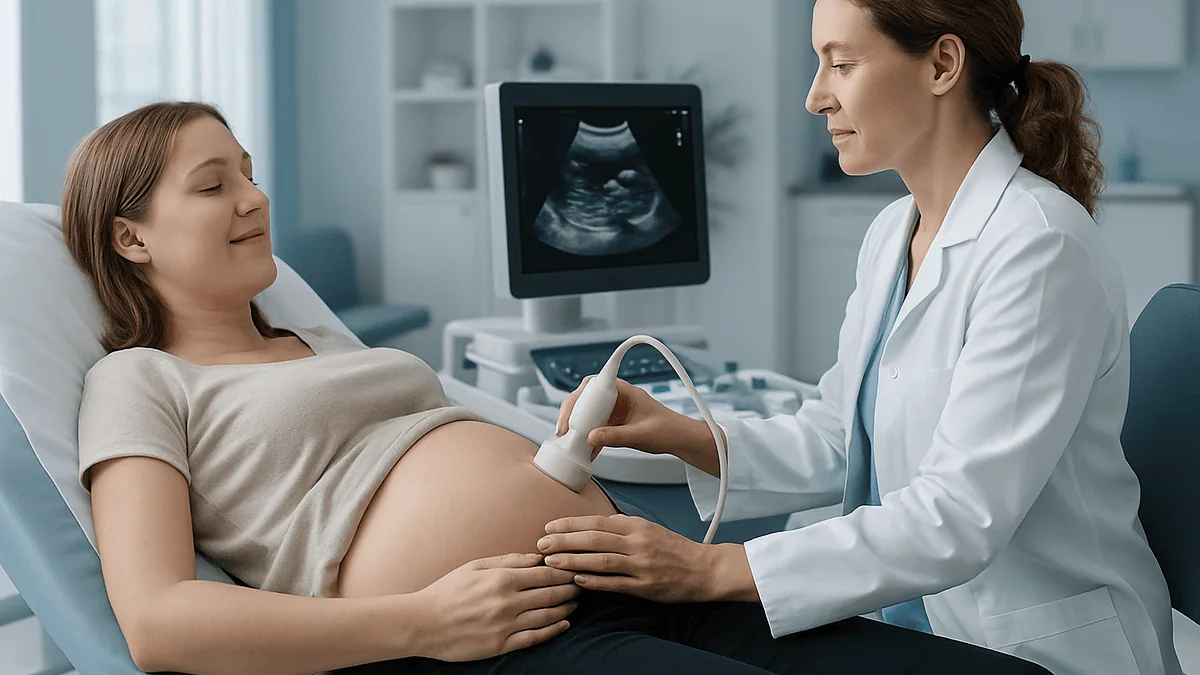
Key Takeaways
- No controlled study has ever tested lip filler in pregnancy, so the standard advice to wait reflects missing evidence rather than documented harm.
- Hyaluronic acid filler typically lasts 6 to 18 months, meaning a treatment shortly before conception will still be visible throughout pregnancy and can look overfilled once pregnancy fluid retention is added.
- If you had filler or anti-wrinkle injections before knowing you were pregnant, there is no known reason for alarm; tell your obstetric provider and avoid further cosmetic injections until after breastfeeding.
- The enzyme that dissolves hyaluronic acid filler is also untested in pregnancy, so cosmetic dissolving should wait, while a suspected blocked blood vessel is treated regardless because the risk of tissue loss is immediate.
- Swelling and bruising after lip filler usually resolve within one to two weeks, which is why practitioners review results and consider top-ups at around the two-week mark rather than on day one.
- Skin turning white, gray, or mottled, worsening pain, coolness of the tissue, or any change in vision after filler are emergency signs that need same-day assessment.
Lip filler is not recommended during pregnancy. No controlled studies have tested hyaluronic acid fillers in pregnant people, so safety cannot be confirmed, and most clinicians decline to treat until after birth and breastfeeding. Pregnancy also changes lip volume, swelling, and bruising, which makes results unpredictable. If you had filler before realizing you were pregnant, there is no evidence of harm; tell your obstetric provider and simply avoid further cosmetic injections.
She had the appointment booked for a Thursday. On the Tuesday, two pink lines showed up on a test she had taken almost as an afterthought, and the first message she sent was not to her partner but to her injector: Do I need to cancel?
That question lands in aesthetic practices every week, and the answer is quieter and more honest than the internet suggests. Nobody has run a trial of lip filler in pregnancy, and nobody is going to. What exists instead is a reasonable chain of logic about what the gel is, how pregnancy changes the face, and why clinicians almost universally say wait.
The second half of this story matters just as much. Whether you had filler months before conceiving or you are planning your first appointment after weaning, what you do in the days afterward shapes how it looks and how safe it is. Here is the evidence, minus the myths.
Can you get lip filler while pregnant? The honest short answer
The straightforward position, shared by public health guidance and by the professional bodies that train injectors, is that lip filler should be postponed during pregnancy. That is not because a specific harm has been documented. It is because the studies that would rule harm out have never been done, and cosmetic treatment is elective by definition.
Think of it the way a pharmacist thinks about a new medicine: the burden of proof runs toward safety, not toward danger. The NHS is explicit that dermal fillers are not recommended in pregnancy, while also noting they are generally low risk in healthy non-pregnant adults when performed by a trained practitioner.
Two separate concerns sit underneath that advice. The first is biological uncertainty about the gel and the local anesthetic mixed into most syringes. The second is cosmetic: the pregnant face is a moving target. Lips can look fuller in the second and third trimesters because of fluid retention, then settle back after birth, so a filler placed at 20 weeks may look very different at 20 weeks postpartum.
The practical upshot is simple. If you are pregnant, or think you might be, tell your injector before any needle comes out of the packet. A reputable practitioner will rebook you rather than negotiate. If you are trying to conceive, that is worth mentioning too, because it changes the timing conversation in ways the next few sections explain.
Why is there no safety data on lip filler in pregnancy?
It would be reassuring to say “studies show filler is safe in pregnancy,” and equally tidy to say “studies show it causes problems.” Neither is true, and understanding why helps you read the rest of the internet more critically.
Clinical trials of cosmetic products routinely exclude pregnant and breastfeeding participants. There is no plausible medical benefit to weigh against even a small unknown risk, so ethics committees will not approve enrolling them. Manufacturers therefore label their products as untested in pregnancy, and the labels remain that way for decades because the trial never happens.
What that leaves is indirect reasoning. Hyaluronic acid, the sugar-based molecule in most lip fillers, is already abundant in human skin, joints, and the fluid around a developing baby. The gel in a syringe is chemically cross-linked so it degrades slowly, and it stays where it is placed rather than circulating in meaningful amounts. Those facts make a large systemic effect biologically unlikely, and clinicians will often say so to reassure a patient who had filler before a positive test.
Unlikely is not the same as demonstrated, though. Pregnancy alters immune behavior, blood flow, and how tissues respond to injury, and no one has measured how those shifts interact with an injected gel. When a claim is uncertain, the honest thing is to say so. Here, the evidence shows an absence of data, not evidence of safety and not evidence of harm.
What is actually in a lip filler?
Most lip fillers used today are gels made from hyaluronic acid, which is regulated as a medical device rather than a drug in many countries. The molecule attracts water, which is what gives treated lips their volume, and the manufacturer links its chains together so the body breaks it down over months rather than hours. The NHS notes that filler results typically last between 6 and 18 months depending on the product and where it is placed.
Two other ingredients matter for the pregnancy conversation. Many syringes contain a small amount of a local anesthetic to make injection more comfortable. Practitioners may also apply a numbing cream beforehand. These are the components most likely to enter the bloodstream in tiny quantities, and they are the reason “it’s just sugar gel” is an oversimplification.
Older or less common filler types use different materials, including some that stimulate collagen and last longer. These cannot be dissolved with the enzyme used for hyaluronic acid products, which becomes relevant if a result needs reversing.
Several things a lip filler is not: it is not a hormone, it does not travel to distant organs in measurable amounts once properly placed, and it does not stay forever. Understanding that helps separate a real concern (an untested product at an unusual physiological moment) from myths about filler “leaking” into a pregnancy. The main risks of filler, according to the Cleveland Clinic and the NHS, are local: bruising, swelling, lumps, infection, and very rarely a blocked blood vessel.
How pregnancy changes your lips, skin, and healing
Ask anyone who has been pregnant about their face and you will hear a mix of glow and grievance. Both are physiological. Hormonal shifts increase blood flow to the skin and encourage fluid to gather in soft tissues, so many people notice fuller lips and a puffier profile in later pregnancy without a single injection.
Those same changes make cosmetic injections a poor bet. Extra blood flow means more bruising and more swelling from the needle itself. Retained fluid means a practitioner cannot judge how much volume is truly needed, because some of what they see will drain away in the weeks after birth. A result that looks balanced at eight months pregnant may look overfilled at three months postpartum.
Skin behaves differently too. MedlinePlus describes the pigment changes common in pregnancy, including melasma, the patchy darkening across the cheeks and upper lip that the Cleveland Clinic notes is strongly associated with pregnancy hormones. Any inflammation near the mouth, including bruising from an injection, can worsen pigmentation in someone already prone to it.
Healing itself shifts in ways that are harder to quantify. Immune activity is modulated during pregnancy, and there is no research on how that affects the small inflammatory response every filler injection provokes. None of this means disaster would follow a lip filler appointment. It means the two things you want from a cosmetic procedure, predictability and a low chance of side effects, are both harder to deliver while pregnant, which is reason enough to wait even before the safety question is considered.
What happens if you got lip filler and didn't know you were pregnant?
This is the scenario that fills late-night searches, and it deserves a calm answer. Many people have filler in the two weeks between conception and a missed period, because that is exactly when a pregnancy is invisible.
There is no evidence that a single lip filler treatment in early pregnancy causes harm to a developing baby. The gel is placed in the lip tissue and stays largely local. The amount of local anesthetic in a syringe is small. No pattern of problems has been reported in the decades these products have been used, and given how common both filler and unplanned pregnancy are, a strong signal would likely have surfaced by now.
What you should do is practical rather than urgent. Mention the treatment to your obstetric provider or midwife at your first appointment, along with the approximate date. They will note it and, in almost every case, reassure you. Do not book further cosmetic injections until after pregnancy and breastfeeding. If the lips feel lumpy, painful, or unusually swollen in the days after treatment, contact the practitioner who treated you, because those symptoms need assessment whether or not you are pregnant.
One thing not to do is rush to dissolve the filler out of anxiety. The enzyme used to break down hyaluronic acid is itself a medicine with no pregnancy safety data, and using it introduces a second untested exposure to address a first one that carries no known risk. A reassuring conversation is the better intervention.
What if you accidentally had anti-wrinkle injections while pregnant?
The other half of the question people type in a panic concerns muscle-relaxing injections, the kind used to soften frown lines and crow’s feet. They work by a different mechanism from filler: a purified protein temporarily blocks the signal between nerve and muscle in the small area where it is injected.
As with filler, no controlled studies exist in pregnancy, and the same advice applies: avoid them while pregnant or breastfeeding, and tell your provider if you had them before you knew. The protein is used in very small cosmetic quantities and is thought to remain largely in the treated muscle. Published case reports of people treated in early pregnancy have not shown a consistent pattern of harm, but case reports are the weakest form of evidence and cannot establish safety.
Where does that leave someone who had a forehead treated at five weeks pregnant? In the same place as the filler patient: no known reason for alarm, a note in the pregnancy record, and a pause on further treatment. Your obstetric team may want to know the date and area treated, mostly for completeness.
It is also worth knowing that this class of injection wears off on its own. The muscle regains full movement over a few months, with no residue left behind, so there is nothing to remove and nothing that accumulates. The decision about any future treatment, and its timing after birth, sits with you and the clinicians who know your history.
Is it safe to get lip filler before pregnancy?
Planning ahead is where you have real control, and the question here is timing rather than safety. Filler placed before conception carries no documented risk to a later pregnancy; the gel simply continues its slow, local breakdown regardless of what happens elsewhere in the body.
The practical considerations are about appearance and troubleshooting. Because filler results last roughly 6 to 18 months according to the NHS, and the Cleveland Clinic gives a similar range for lips specifically, a treatment done shortly before conceiving will still be present through pregnancy. Add pregnancy’s own fluid retention on top and lips can look fuller than intended for several months. Some people like that; others feel overdone in photographs they cannot retake.
The bigger issue is what happens if something goes wrong. Lumps, asymmetry, or a delayed swelling reaction are normally straightforward to manage in a non-pregnant patient, sometimes with the dissolving enzyme or a short course of medicine prescribed by the clinician. During pregnancy those options narrow, because each introduces another untested exposure. A complication that is minor in January becomes a nuisance you may need to live with until the following winter.
A sensible approach, if you are actively trying to conceive, is to have any filler well before you start, allow the usual two weeks for swelling to settle, and go into pregnancy with a result you already know you are happy with. If you are unsure whether you might be pregnant on the day, a test beforehand costs very little.
Can lip filler be dissolved during pregnancy?
Hyaluronic acid filler has an escape hatch that other cosmetic treatments lack: an injectable enzyme that breaks the gel down within a day or two. Practitioners use it to correct overfilling, smooth lumps, and, critically, to treat the rare emergency where filler blocks a blood vessel.
That enzyme is a medicine, and like the filler it has not been studied in pregnancy. For purely cosmetic reasons, dissolving filler while pregnant is therefore discouraged for exactly the same logic that discourages placing it. Wanting a slightly smaller lip does not justify an untested exposure.
Emergencies are different. If filler compromises blood supply to the skin, signs typically appear within minutes to hours: blanching or a dusky, mottled color, pain out of proportion to the injection, or coolness of the tissue. Untreated, this can lead to tissue death, and the NHS lists blocked blood vessels, with possible skin loss and in very rare cases blindness, among the serious complications of fillers. In that situation the treating clinician weighs a known and progressing harm against an unquantified theoretical one, and treatment is almost always given. Pregnancy does not change the urgency; it changes who is in the room, because your obstetric team should be informed.
The realistic takeaway is that if you carry filler into pregnancy, plan not to touch it. Small imperfections can be addressed after birth and weaning, when every option is back on the table and the swelling of pregnancy is no longer confusing the picture.
Can you get lip filler while breastfeeding?
The usual advice extends the pregnancy pause through breastfeeding, and again the reasoning is precautionary rather than based on documented harm. Hyaluronic acid itself is a large molecule found naturally in the body, including in breast milk, and the injected gel stays in the lip rather than circulating. The tiny quantity of local anesthetic in a syringe is the component most likely to enter the bloodstream, and even that is brief.
Why, then, do most practitioners still decline? Partly liability, partly humility. There is no study that has measured filler components in milk after a cosmetic injection, and a product label that says “not studied in lactation” is difficult to argue with. Some clinicians are comfortable treating a breastfeeding patient after a discussion of the uncertainty, especially once feeding is established and the baby is older; others hold a firm line until weaning. Both positions are defensible, and neither is a marker of a good or bad injector.
Fluid balance is the other reason to wait. In the early postpartum months the body is still shedding pregnancy fluid and hormones are still shifting, so lips, like the rest of the face, have not returned to their baseline. A result judged against a still-changing face is a result you may not love six months later.
If you are breastfeeding and keen to proceed, the decision belongs with you, your injector, and, ideally, the clinician overseeing your postpartum care. Ask directly what the practitioner’s policy is and why. An answer that acknowledges the gap in evidence is more trustworthy than one that promises certainty in either direction.
How soon after pregnancy can I get lip filler?
There is no rule written into any guideline that says “six weeks” or “three months,” because the question was never studied. What exists is clinical judgment built on how the postpartum body behaves.
Most injectors suggest waiting until you have finished breastfeeding, for the reasons above, and until your face has visibly settled. Fluid retention from pregnancy can take weeks to fully resolve. Hormonal skin changes, including melasma, may persist for months and are worth letting stabilize before adding any inflammation near the mouth.
Three practical markers are more useful than a calendar date. First, your weight and fluid balance have stopped changing noticeably week to week, so your injector is treating the face you will actually have. Second, you are sleeping enough to attend a follow-up appointment and notice a problem if one develops; the first weeks with a newborn are not the moment to monitor a lip for asymmetry. Third, you have had your postpartum check and any complications of the birth have been addressed, so nothing about a cosmetic appointment competes with your recovery.
If you had filler before pregnancy, it may have partially or fully faded by the time you are ready, which is a clean slate rather than a problem. Book a consultation before committing to treatment. A good practitioner will assess, photograph, and may suggest waiting a little longer if the tissue still looks like it is in transition. Patience here tends to be rewarded with a result that needs less correcting.
What not to do in the first 48 hours after lip filler
Whenever you do have filler, the first two days set the tone. Freshly placed gel is soft, the tiny needle tracks are still closing, and the tissue is inflamed. The Cleveland Clinic describes swelling, tenderness, and bruising as normal in this window, usually easing over the following days. Your practitioner’s written aftercare takes priority over any general list, but the common advice converges on a few themes.
| Avoid for the first 24 to 48 hours | Why it matters |
|---|---|
| Strenuous exercise, hot yoga, saunas | Raises blood flow and body temperature, increasing swelling and bruising |
| Alcohol | Dilates blood vessels and thins the blood’s clotting response, worsening bruises |
| Pressing, massaging, or “checking” the lips | Can shift soft gel and create lumps or asymmetry |
| Makeup on the injection sites | Introduces bacteria into needle punctures that have not sealed |
| Dental work and facials | Pressure and bacteria near the treated area raise infection and displacement risk |
| Sleeping face-down | Prolonged pressure on one side can distort the result before it settles |
Two things you can do: hold something cool wrapped in cloth against the lips in short intervals to ease swelling, and keep your head slightly elevated the first night. Drinking water helps too, since hyaluronic acid draws in moisture.
Resist the temptation to judge the result on day one. Swelling peaks early and often makes lips look larger and less even than they will be. The Cleveland Clinic notes that side effects such as bruising and swelling typically resolve within one to two weeks, and that is the honest horizon for deciding whether you like what you see.
What not to do in the first two weeks after lip filler
Once the acute swelling eases, the gel continues to integrate with the surrounding tissue for a couple of weeks. This is the period where a few avoidable habits can quietly undermine an otherwise good result.
Skip appointments that put pressure or heat on the face. Dental cleanings and procedures are commonly deferred for around two weeks after lip filler, both because of pressure and because of the bacteria that oral work stirs up. Some practitioners give the same advice about facial massage and certain skin treatments. The specific timeline belongs to your injector, but the principle is that the lips should be left alone while the gel settles.
Do not book a top-up too soon. Judging volume before swelling has fully resolved leads to overfilling, and overfilled lips are far harder to fix than slightly under-filled ones. Most practitioners prefer a review at around two weeks, when they can see the true result and add a little if needed.
Protect the area from strong sun and extreme cold. Both stress the skin, and inflammation on the upper lip is a known trigger for melasma in people prone to it. A broad-brimmed hat and lip balm with sun protection are low-effort insurance.
Be honest at your review, and be gentle with yourself in the meantime. A small ridge or a spot of asymmetry that bothers you in a mirror at day five is often invisible by day fourteen. Photograph your lips in the same light every few days rather than relying on memory. If the photographs show something getting worse rather than better, that is your cue to call.
When to see a doctor after lip filler
Most people never need this section, but everyone should read it, because the rare serious complication of filler is time-sensitive and its early signs are easy to dismiss as “just swelling.”
Contact your practitioner the same day, or attend urgent care, if you notice any of the following: skin over or near the lip turning white, gray, dusky purple, or blotchy in a lace-like pattern; pain that is severe or getting worse rather than better hours after treatment; the treated area feeling cold; blisters or darkening of the skin in the days afterward; or any change in vision, however slight. These can indicate that filler has compromised a blood vessel. The NHS lists blocked blood vessels, with possible tissue death and permanent blindness, among the serious risks of dermal fillers, and the window for effective treatment is measured in hours.
Seek care within a day or two for signs of infection: increasing redness, warmth, spreading swelling, pus, or a fever. Firm lumps that appear weeks or months later, sometimes after an unrelated illness, also warrant an appointment, since delayed reactions to filler are recognized and are managed by the treating clinician.
If you are pregnant or breastfeeding and any of the above occurs, do not let that stop you seeking care. Tell the treating team about the pregnancy so they can involve your obstetric provider, but a progressing complication is treated on its own urgency. Normal healing, by contrast, looks like swelling and bruising that peak in the first two days and then steadily fade.
What to ask before you book, or rebook, after pregnancy
The single most protective thing you can do, in pregnancy or out of it, is choose a practitioner who welcomes questions. The NHS advises checking that anyone injecting fillers is a trained healthcare professional working in a clean, clinical setting with the ability to manage complications, including access to the dissolving enzyme and a clear emergency protocol.
A few questions sort careful injectors from casual ones. What is your policy on pregnancy and breastfeeding, and why? An answer that names the lack of evidence rather than waving the concern away is a good sign. What product will you use, and is it a hyaluronic acid filler that can be reversed? How do you screen for vascular complications, and what would you do if one occurred? When will you see me for review?
Bring your own history, too. Mention recent or planned pregnancy, breastfeeding, any history of cold sores (the trauma of injection can trigger a flare), autoimmune conditions, previous reactions to filler, and any medicines or supplements you take, since some affect bruising. Let the prescribing clinicians make decisions about anything you take; your role is to disclose.
Finally, notice how you feel in the consultation. Cosmetic decisions made while exhausted, newly postpartum, or under pressure from a promotion tend to be the ones people regret. Filler is elective, reversible in most cases, and available next month as well as this one. The evidence supports patience far more strongly than it supports urgency, and a practitioner who says “let’s wait” is usually the one worth going back to.
Frequently asked questions
Can you get lip filler while pregnant?
Lip filler is not recommended during pregnancy. The products have never been studied in pregnant people, so safety cannot be confirmed, and cosmetic treatment is elective. Pregnancy also increases swelling, bruising, and fluid retention in the lips, which makes results unpredictable and complications harder to manage. Most practitioners will decline and rebook you for after birth and breastfeeding.
What happens if you get lip fillers and didn't know you were pregnant?
There is no evidence that a single lip filler treatment in early pregnancy harms a developing baby. The gel stays in the lip tissue, and the local anesthetic in a syringe is a small amount. Mention the treatment and its date to your obstetric provider, avoid further cosmetic injections during pregnancy, and contact your injector if the lips become painful, lumpy, or unusually swollen.
What happens if you accidentally get anti-wrinkle injections while pregnant?
As with filler, muscle-relaxing injections have not been studied in pregnancy, so they are avoided, but published case reports of accidental early exposure have not shown a consistent pattern of harm. The protein acts locally in the treated muscle and wears off over a few months with nothing left behind. Tell your obstetric provider the date and area treated, and postpone any further treatment until after pregnancy and breastfeeding.
Is it safe to get lip fillers before pregnancy?
Filler placed before conception carries no documented risk to a later pregnancy, so the question is mainly about timing. Results last roughly 6 to 18 months, so filler will persist through pregnancy and may look fuller once pregnancy fluid retention is added. Any lump or asymmetry would also be harder to correct while pregnant, so have treatment well before trying to conceive and take a pregnancy test if the timing is uncertain.
How soon after pregnancy can I get lip filler?
There is no guideline-set waiting period because the question has not been studied. Most practitioners advise waiting until you have finished breastfeeding, your fluid balance and weight have stabilized, and you have had your postpartum check. Treating a face that is still changing risks a result you will not like months later. A consultation first lets the injector assess whether your tissue has settled.
Can you get lip filler while breastfeeding?
Most practitioners advise waiting until after breastfeeding, again because no study has measured filler components in breast milk rather than because harm is documented. Hyaluronic acid is a large molecule that stays local, and the amount of local anesthetic is small, so many clinicians consider the theoretical risk low. Policies vary, so ask your injector and, ideally, the clinician overseeing your postpartum care.
Can lip filler be dissolved while pregnant?
For cosmetic reasons, no; the dissolving enzyme is a medicine that has not been tested in pregnancy, and using it adds an untested exposure to correct something that carries no known risk. The exception is a suspected blocked blood vessel, which can cause tissue death if untreated. In that emergency, clinicians treat regardless of pregnancy and inform your obstetric team.
Does pregnancy make your lips bigger without filler?
Often, yes. Hormonal changes increase blood flow to the skin and encourage fluid to gather in soft tissues, so many people notice fuller lips and a puffier face in later pregnancy. This usually settles in the weeks after birth. It is one reason injectors avoid treating during pregnancy: they cannot tell how much of the volume they see is temporary.
What should you not do after lip filler?
For the first 24 to 48 hours, avoid strenuous exercise, saunas, alcohol, makeup on the injection sites, sleeping face-down, and pressing or massaging the lips, all of which increase swelling, bruising, infection risk, or movement of the gel. For about two weeks, defer dental work and facial treatments, protect the area from strong sun, and wait for a review before any top-up.
When should I see a doctor after lip filler?
Seek same-day care if skin near the lips turns white, gray, or mottled, if pain worsens instead of easing, if the tissue feels cold, or if your vision changes, since these can signal a blocked blood vessel. See a clinician within a day or two for spreading redness, warmth, pus, or fever. Normal healing is swelling and bruising that peak early and fade over one to two weeks.
References
- Cleveland Clinic: Dermal Fillers
- MedlinePlus: Skin and hair changes during pregnancy
- Cleveland Clinic: Melasma
- NHS: Medicines in pregnancy
This article is for general information only and is not a substitute for professional medical advice. Please consult a qualified doctor about your individual situation.

More from the Blog
What Happens in a Mesotherapy Session: Microinjections, Timing and How It Feels
A mesotherapy session is a short cosmetic procedure in which a practitioner places many tiny, shallow injections of a liquid mixture, often containing hyaluronic…
Reconstruction After Skin Disease: How Grafts, Flaps and Scar Revision Rebuild the Area
After a skin cancer is removed, surgeons rebuild the area in several ways: letting a small wound heal on its own, closing it directly…
How Often Can You Have a Gentle Chemical Peel? Spacing Sessions for Steady Results
For a gentle (superficial) chemical peel, clinicians typically space sessions about two to five weeks apart, often as a short series of several treatments…
Preparing for Masseter Botox: Fish Oil, Aspirin and the Questions to Answer Beforehand
Preparing for masseter botulinum toxin injections mostly means a frank conversation with the injector: list every prescribed medicine, supplement and recent illness, and never…

Flying Home After Laser Eye Surgery: Dry Cabin Air, Drops and Follow-Up Abroad
Flying after laser eye surgery is usually possible within days once the surgeon has examined the eye at the first follow-up visit, and normal…
Laser, Microneedling or Radiofrequency for Stretch Marks: How Dermatologists Choose the Method
Dermatologists choose between laser, microneedling and radiofrequency for stretch marks mainly on the mark's age and color, the person's skin tone, and how much…