

Living With Interstitial Cystitis: Diet Triggers, Symptom Tracking and Flare Planning
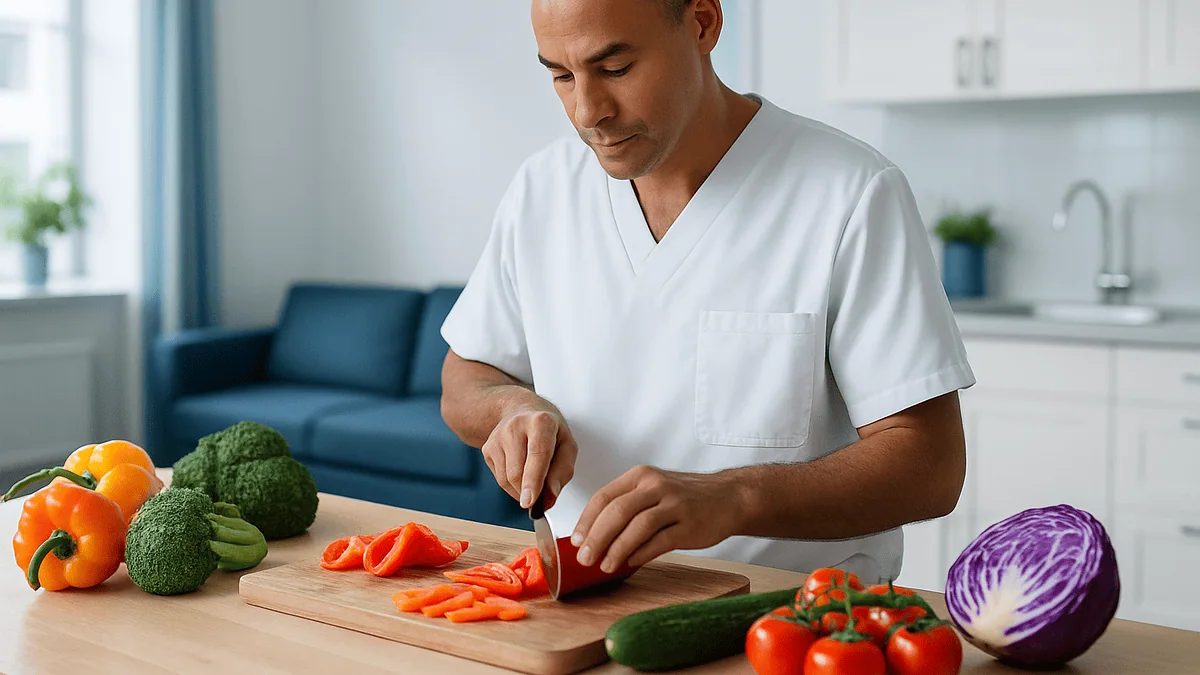
Key Takeaways
- NIDDK estimates interstitial cystitis affects roughly 3 to 8 million women and 1 to 4 million men in the United States, diagnosed when bladder pain lasts more than six weeks without infection.
- The most consistently reported triggers share one pattern: acidic, caffeinated, alcoholic, fizzy or artificially sweetened, which covers coffee, citrus, tomato, alcohol, soda, chocolate and diet sweeteners.
- Cranberry juice, widely assumed to help the bladder, is one of the most frequently reported foods to worsen IC symptoms.
- A proper elimination diet runs in three phases, baseline diary, temporary elimination and one-at-a-time reintroduction, and typically takes two to three months to produce a personal trigger list.
- Black pepper gets its heat from piperine, not the capsaicin found in chili, which is why many people with IC tolerate it; both pepper and raspberries are test-it foods rather than automatic exclusions.
- Restricting fluids during a flare concentrates urine and usually worsens the burning; the Mayo Clinic specifically advises against under-drinking in interstitial cystitis.
The most commonly reported interstitial cystitis diet triggers are coffee and other caffeinated drinks, alcohol, carbonated beverages, citrus fruits and juices, tomatoes, spicy foods, chocolate and artificial sweeteners. Triggers vary widely between people, so guidelines suggest a short elimination diet with careful reintroduction and a symptom diary, rather than permanent blanket restriction. Any changes should be reviewed with your treating team.
The grocery list sat on the kitchen counter with half of it crossed out. Coffee, gone. Oranges, gone. The jar of marinara that used to anchor Tuesday dinners, gone. The woman who wrote it had been told two weeks earlier that her bladder pain was not another infection but interstitial cystitis, and the first thing she did was search for interstitial cystitis diet triggers. What she found was a dozen lists that agreed on almost nothing.
That confusion is understandable. Food is one of the few parts of this condition a person can act on the same day, which makes it both empowering and easy to overdo. Some people end up eating eleven foods and still flaring. Others give up on diet altogether because the first list they tried did not match their body.
This explainer takes the middle path the evidence supports: identify your own triggers, track them honestly, and build a plan for the bad days before they arrive.
What is interstitial cystitis, and why does food matter?
Interstitial cystitis, often written IC or IC/BPS, is a long-term condition that causes pressure or pain felt in the bladder, sometimes spreading to the pelvis, together with a frequent and urgent need to urinate. The second half of the name, bladder pain syndrome, is a plain description: pain that the person links to the bladder, lasting more than six weeks, with no infection or other clear cause found on testing. The National Institute of Diabetes and Digestive and Kidney Diseases (NIDDK) estimates that the condition affects roughly 3 to 8 million women and 1 to 4 million men in the United States.
Nobody knows exactly what starts it. Current thinking points to a damaged bladder lining, an overactive local immune response, and nerves that have become sensitized so that normal filling registers as pain. Those three threads are why diet enters the conversation. Everything you drink and much of what you eat ends up, in altered form, sitting against the bladder wall for hours.
Here is what the evidence actually shows. Large patient surveys consistently find that most people with IC report at least one food or drink that worsens their symptoms, and NIDDK, the Mayo Clinic and the Cleveland Clinic all list dietary change among first-line self-management steps. What the evidence does not show is a single food that harms everyone, or a randomized trial proving that one specific diet pattern treats the condition. The honest framing is that diet is a tool for managing symptoms in many people, with a strength of effect that varies from person to person.
That distinction shapes everything that follows. A trigger list is a starting hypothesis, not a verdict.
How do interstitial cystitis diet triggers actually irritate the bladder?
Picture the inside of the bladder as a room wallpapered with a thin, mucus-like coating called the glycosaminoglycan layer, or GAG layer. Its job is to keep urine, which is salty, acidic and full of waste chemicals, from touching the living cells and nerve endings underneath. In many people with IC that wallpaper appears thin or patchy. One widely discussed theory is that potassium and other urine components seep through the gaps, irritate the tissue and fire off pain signals.
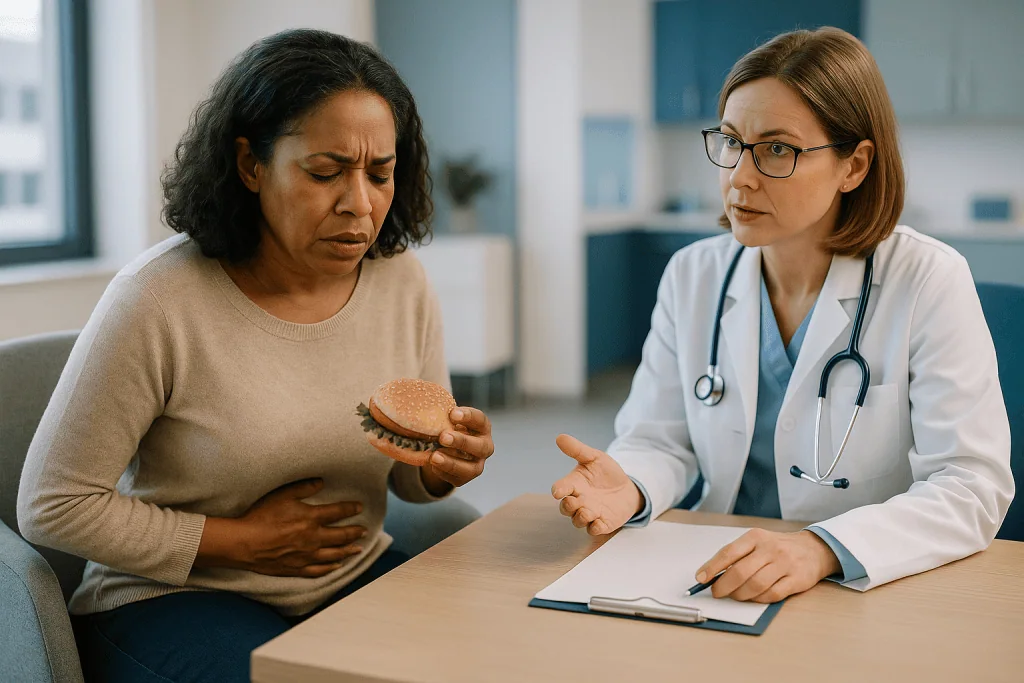
Food fits that model in three ways.
- Acidic foods and drinks, such as citrus and tomato, can lower urine pH, and acidic urine on an exposed lining is thought to sting in much the way lemon juice stings a cut.
- Stimulants such as caffeine make the bladder muscle more excitable and increase urine production, so the bladder fills faster and signals sooner.
- Alcohol and carbonated drinks both irritate the lining directly in many people’s experience, and alcohol also dehydrates, concentrating the urine.
A fourth mechanism sits in the nervous system rather than the bladder. Over months of pain, the spinal cord and brain can become more sensitive, a process called central sensitization, so a mild irritant that would once have gone unnoticed now produces a full flare. This may explain why trigger lists grow longer the longer someone has been unwell, and why stress and poor sleep lower the threshold.
It is worth being clear about the quality of this evidence. The GAG layer theory is supported by laboratory and imaging findings but is not settled. The link between specific foods and symptoms rests mostly on patient surveys and clinical experience summarized by NIDDK and the Mayo Clinic, not on controlled feeding trials. That does not make the link unreal, but it means your own careful observations carry genuine weight.
What foods irritate the bladder most often in interstitial cystitis?
Across NIDDK, the Mayo Clinic and the Cleveland Clinic, the same short list appears again and again. These are the foods and drinks most frequently reported to worsen bladder pain, urgency or frequency.
- Coffee, including decaffeinated versions for some people, plus black and green tea, cola and energy drinks.
- Alcohol of any kind, with wine and beer mentioned particularly often.
- Carbonated drinks, whether sweetened, diet or plain sparkling water.
- Citrus fruits and their juices: oranges, grapefruit, lemons, limes.
- Tomatoes and tomato-based products such as pasta sauce, ketchup and salsa.
- Spicy foods, chili peppers and hot sauces.
- Chocolate, likely because it contains both caffeine and related stimulant compounds.
- Artificial sweeteners, especially in diet drinks and sugar-free products.
- Vinegar and highly pickled foods.
- Cranberry juice, which many people assume helps the bladder and find does the opposite.
A second tier shows up less consistently: aged cheeses, processed and cured meats, soy products, certain nuts, onions, strawberries, pineapple and some multivitamin preparations high in vitamin C. People react to these far less predictably, which is exactly why they belong in a test-it-yourself category rather than an avoid-it list.
Notice what is on the first list. Almost every item is acidic, caffeinated, alcoholic, fizzy or artificially sweetened. If you remember nothing else, that five-word pattern covers most of the territory and is easier to carry into a restaurant than a laminated card.
What is absent is just as telling. Plain water, most vegetables, rice, oats, potatoes, eggs, poultry, fish, pears, blueberries and bananas are rarely reported as triggers. People who feel they have nothing left to eat have usually been handed a list of what to avoid without a list of what to lean on, and that imbalance is fixable.
Is there a reliable IC diet food list? A comparison table
There is no single official list, and any table should be read as a guide to common patterns rather than a rulebook. The one below groups the usual suspects with alternatives that most people tolerate, and it is honest about how strong the evidence behind each line is.

| Commonly reported trigger | Often tolerated alternative | What the evidence shows |
|---|---|---|
| Coffee, black tea, cola | Water, non-acidic herbal infusions, grain-based coffee substitutes | Caffeine is among the most consistently reported triggers in patient surveys |
| Orange, grapefruit, lemon | Pear, blueberry, banana, melon | Citrus appears on nearly every clinical list; individual tolerance still varies |
| Tomato sauce, ketchup | Pesto without lemon, cream or olive oil based sauces | Tomato products are frequently reported; some tolerate small cooked amounts |
| Chili, hot sauce, curry pastes | Fresh herbs, garlic in moderation, mild paprika | Spicy food is a common trigger; mild spices are often fine |
| Wine, beer, spirits | Still water, diluted pear juice | Alcohol is consistently reported as a trigger |
| Diet soda, sugar-free gum | Plain water, naturally sweetened foods | Artificial sweeteners are commonly reported; mechanism unclear |
| Cranberry juice | Water, blueberry | Frequently worsens IC symptoms despite its reputation for urinary health |
| Chocolate | Carob products, vanilla desserts | Commonly reported; white chocolate tolerated by some |
Two caveats. First, the alternatives column reflects what many people report tolerating, not foods proven protective. Second, portion and preparation matter: a spoonful of cooked tomato in a soup is a different exposure from a glass of tomato juice on an empty stomach. Testing the real-world version of a food you miss is more useful than testing the extreme version you would never eat anyway.
Who should try an elimination diet, and who is usually asked to wait?
An elimination diet is a structured experiment: you remove a defined set of suspected triggers for a limited period, then add them back one at a time while watching symptoms. For most adults with a confirmed IC diagnosis and bothersome day-to-day symptoms, clinicians consider this a reasonable, low-risk first step, and NIDDK describes it as a core part of self-management.
Several groups are usually asked to pause and talk to their care team first.
- People who have not yet been fully evaluated. Bladder pain and frequency can also come from infection, stones, endometriosis, overactive bladder or, rarely, bladder cancer. A diet trial can mask the picture while something else goes unaddressed.
- Anyone with visible blood in the urine, fever or flank pain, which point away from IC and toward conditions needing prompt assessment.
- People who are pregnant or breastfeeding, where restricting whole food groups can affect nutrition for two.
- Children and adolescents, who should only follow restrictive eating under pediatric guidance.
- People with diabetes, kidney disease or inflammatory bowel disease who already follow medical nutrition therapy, because removing fruit, dairy or other groups can collide with existing plans.
- Anyone with a current or past eating disorder. Elimination diets can feed restrictive patterns, and the pain relief they sometimes bring can reinforce them. This group benefits from a dietitian and mental health support alongside the urology team.
There is also a softer category: people who have already cut so many foods that they eat fewer than a couple of dozen items. For them, the better experiment is often the reverse, a supervised reintroduction to find out which restrictions were never necessary.
A registered dietitian who has worked with pelvic pain is the ideal partner. Where that is not available, your urology team can at least review your plan so that it stays nutritionally sound and time-limited.
How does an elimination diet work, week by week?
The process has three phases, and skipping the first one is the most common reason it fails.
Baseline, roughly the first one to two weeks. Eat normally and keep a diary of everything you drink and eat alongside your symptoms. Without this record you have nothing to compare against, and memory is a poor witness during a flare.
Elimination, typically a few weeks. Remove the common triggers listed earlier: caffeine, alcohol, carbonation, citrus, tomato, spicy food, chocolate, artificial sweeteners and vinegar. Keep eating generously from the rarely reported group so that you are not hungry or short on nutrients. NIDDK and the Cleveland Clinic both frame this as a temporary step, and many people notice some change within this window. If nothing shifts after several weeks of genuine adherence, that is useful information too: diet may simply be a minor player for you, and the attention is better spent elsewhere.
Reintroduction, the longest phase. Add back one food at a time in a normal portion, then wait a few days before the next, because bladder reactions can be delayed. Record what happens. A food that causes nothing is back on the menu. A food that clearly flares symptoms goes on your personal list, and even then it is worth retesting months later, since tolerance changes as overall symptoms settle.
Expect the whole cycle to take two to three months from first diary entry to a finished personal list. People often ask whether that is too slow. It is slower than a crash restriction, and far more likely to leave you with a diet you can actually live with.
One practical note: do not change medicines, start supplements or begin pelvic floor therapy in the same week you alter your diet if you can avoid it. One variable at a time is the only way to know what did what.
Is black pepper IC friendly? And are raspberries bladder friendly?
These two questions come up constantly because they sit in the gray zone between the obvious triggers and the obviously safe foods. The honest answer to both is the same: no controlled study has tested either, and the clinical lists from NIDDK and the Mayo Clinic do not single them out.
Black pepper is chemically unrelated to chili peppers. The heat in chili comes from capsaicin, which activates the same pain receptors involved in bladder sensitivity and is a well-recognized irritant. Black pepper’s heat comes from piperine, a different compound. Many people with IC report tolerating ordinary amounts of black pepper on cooked food without trouble, while a smaller group finds that generous cracked pepper, or pepper combined with other spices, sets things off. That makes it a classic test-it item: remove it during elimination, then reintroduce it on its own, in the quantity you normally use.
Raspberries are mildly acidic, less so than citrus, more so than pears or blueberries. Patient-reported lists tend to put strawberries and pineapple in the frequently bothersome column and raspberries in the varies-by-person column. Some people tolerate a handful on oatmeal and react only to large amounts or to raspberry juice and jams, where the acid is concentrated. Fresh fruit eaten with other food is the kindest way to test.
Why do these details matter? Because people often lose far more pleasure than they need to by treating every gray-zone food as forbidden. A diet of eleven safe foods is not a success if the person is miserable and under-nourished. The goal of trigger identification is to remove what genuinely hurts and keep everything else, including the pepper on your eggs and the raspberries in July.
What tea is good for interstitial cystitis? Finding a bladder friendly tea
First, a correction to the question itself. No tea has been shown in clinical trials to improve IC symptoms, so there is no tea that is good for the bladder in a therapeutic sense. What people are really asking is which hot drinks are least likely to cause harm, and that question has a useful answer.
Black, green, white and oolong tea all come from the same plant and all contain caffeine, which is one of the most consistently reported interstitial cystitis diet triggers. Even decaffeinated versions retain some caffeine and the plant’s tannins, which some people find irritating. Matcha, being powdered whole leaf, delivers more caffeine per cup than steeped green tea.
Herbal infusions are plant-dependent. Chamomile is the one most often reported as well tolerated, followed by mild options such as rooibos and peppermint, though peppermint bothers a minority and can worsen reflux. Anything built on citrus peel, hibiscus, rosehip or lemongrass is acidic and tends to behave like fruit juice in the bladder. Blends marketed as detox, cleanse or diuretic frequently contain dandelion, nettle or senna, which increase urine output and can be unhelpful when frequency is already a problem.
Three practical moves make tea testing fairer:
- Steep briefly and drink it weak at first; concentration often matters more than the plant.
- Drink it alongside food and a glass of water rather than alone on an empty stomach.
- Test one single-ingredient infusion at a time, since blends make it impossible to know which plant caused a reaction.
If you miss the ritual of a morning cup more than the taste of coffee itself, warm water with a little honey, or a grain-based coffee substitute, gives many people the same comfort without the gamble.
How do you track interstitial cystitis symptoms without it taking over your life?
Clinicians call it a bladder diary or voiding diary: a simple record of when you urinate, roughly how much, what you drank and how you felt. NIDDK and the Mayo Clinic both recommend it, partly because it reveals patterns, and partly because it turns a frightening, formless condition into data you and your team can act on.
The most useful fields are few:
- Time of each void and an estimate of volume, measured for a day or two with a cheap collection cup, then eyeballed afterward.
- Fluids: what, how much and when.
- Pain or pressure on a 0 to 10 scale, recorded two or three times a day rather than constantly.
- Urgency, noted simply as mild, moderate or strong.
- Food, with special attention to the common trigger groups.
- Sleep hours, stress level in one word, and menstrual cycle day where relevant, since many people notice symptoms shift around hormonal changes.
The trap is perfectionism. A diary that demands twenty entries a day is abandoned by day four, and a person who rates their pain hourly tends to notice pain more, which is the opposite of what you want for a sensitized nervous system. Three check-ins a day for two weeks at a time, repeated when something changes, is enough to see real patterns. Many people do a baseline fortnight, a fortnight during elimination, and short bursts during reintroduction, then stop.
Review the diary looking for clusters rather than single events. One bad evening after pizza proves nothing; three out of four pizza nights ending in a flare, with the fourth on a day you also slept well and skipped the wine, starts to tell a story. Bring the diary to appointments. A page of real numbers shortens the conversation and lets your team see frequency and volume trends that symptom descriptions alone miss.
How do you plan for an interstitial cystitis flare before it happens?
A flare is a period, from hours to days, when bladder pain, urgency or frequency climbs well above your usual level. Flares are part of IC for most people, and the difference between a manageable one and a frightening one is often whether a plan existed in advance. Write yours while you feel reasonably well, and share it with your care team so that any medicine-related steps are agreed rather than improvised.
The non-medicine core, drawn from NIDDK, the Mayo Clinic and the Cleveland Clinic guidance, looks like this:
- Keep drinking water. The instinct to cut fluids so you urinate less tends to concentrate the urine and worsen the burn.
- Return strictly to your known safe foods for the duration, without adding new restrictions in a panic.
- Apply warmth to the lower abdomen or perineum; some people prefer cool packs, and either is reasonable.
- Loosen clothing at the waist and hips; pressure on a tender pelvis adds to the signal load.
- Use slow breathing, a warm bath or a guided relaxation recording to lower nervous system arousal, which can dial pain down even when the bladder itself has not changed.
- Move gently. Short walks and pelvic floor relaxation stretches help many people more than bed rest, which can stiffen the pelvic muscles.
The medicine side belongs in a conversation with your prescriber. Some teams agree a rescue plan in advance, which might involve an existing prescription, a bladder instillation appointment or a specific contact pathway. What matters is that you know, before the flare, who to call and what has already been approved. Starting or increasing anything on your own, including over-the-counter urinary products, is not part of a good plan.
Finally, note the flare in your diary: start, suspected trigger, what helped, how long it lasted. Two or three documented flares teach more than a year of vague recollection.
What else matters beyond interstitial cystitis diet triggers?
Diet is one lever among several, and for some people it is not the biggest one. Guideline-level care, as summarized by NIDDK and the Mayo Clinic, layers approaches from least to most invasive.
Fluids and bladder training. Drinking enough water keeps urine dilute. Bladder training means deliberately and gradually lengthening the time between bathroom visits, using distraction and relaxation to ride out urgency, so that the bladder slowly tolerates holding more. It takes weeks of patience and is most effective when pain, not just urgency, is already partly controlled.
Pelvic floor physical therapy. The pelvic floor is the hammock of muscle supporting the bladder and bowel. In many people with IC these muscles are tight and tender, and a specialist physical therapist can release them with hands-on work and teach relaxation techniques. Standard strengthening exercises can make tight pelvic muscles worse, which is why generic advice to do more squeezing is often unhelpful here.
Stress, sleep and smoking. Each lowers the pain threshold in sensitized nerves, and smoking is independently linked to bladder irritation and bladder cancer risk.
Medicines, described by class only. An oral agent, pentosan polysulfate, is thought to help rebuild the protective bladder lining; the Mayo Clinic notes that any benefit typically takes several months to appear. Tricyclic antidepressants are used at the level of pain signaling rather than mood. Antihistamines target mast cells, immune cells thought to release irritating chemicals in the bladder wall. Medicines can also be placed directly into the bladder through a catheter, a procedure called an instillation. Further along the pathway sit bladder stretching under anesthesia, botulinum toxin injections into the bladder muscle and nerve stimulation. Major surgery is reserved for rare, severe cases.
Which of these fits you, in what order, and for how long, is a judgment your treating team makes with you. Diet work runs alongside, never instead.
What people often get wrong about interstitial cystitis and food
Myth: it is a stubborn infection, so antibiotics or cranberry will eventually fix it. IC is diagnosed partly by confirming that urine cultures are negative. Repeated antibiotic courses without a positive culture bring side effects and resistance without benefit, and cranberry juice is one of the most commonly reported triggers.
Myth: there is one correct IC diet. The lists circulating online overlap in the middle and disagree at the edges because they are compiled from different patient groups. Your own tested list is the only one that is correct for you.
Myth: once a food triggers you, it is gone forever. Tolerance shifts. As overall inflammation and nerve sensitivity settle, many people find foods that once hurt become manageable in modest amounts. Retesting every few months is reasonable.
Myth: drinking less means less pain. Concentrated urine is more irritating, not less. The aim is dilute, pale urine spread through the day, and the Mayo Clinic specifically cautions against under-drinking.
Myth: all acidic foods must go. Acidity is a rough proxy, not a rule. Blueberries and pears are mildly acidic and well tolerated by most; coffee is only mildly acidic but is a major trigger because of caffeine. Test foods, not pH charts.
Myth: alkaline water, baking soda regimens or supplements sold for bladder health will neutralize the problem. None has trial evidence for IC, and some carry real risks, particularly for people with heart or kidney conditions or on certain medicines. Anything marketed as a bladder supplement should be discussed with your prescriber before it enters your routine.
Myth: if diet does not help, nothing will. For a meaningful share of people, food is a minor factor, and the gains come from pelvic floor therapy, medicines or bladder training. A failed diet trial is a result, not a dead end.
Questions to ask your care team about diet and flares
Appointments are short and symptoms are hard to summarize. Arriving with specific questions keeps the conversation on what will actually change your week. These are the ones that tend to pay off.
- Have infection, stones and other causes of bladder pain been fully ruled out, and are there any tests still outstanding?
- Based on my diary, which of my suspected triggers do you think are real, and which might be coincidence with stress, sleep or my cycle?
- Is a structured elimination diet appropriate for me given my other health conditions, and can you refer me to a dietitian who works with pelvic pain?
- How long should I run the elimination phase before concluding that diet is not a major factor for me?
- What is my agreed flare plan? Who do I contact, what has already been approved, and at what point should a flare prompt an urgent appointment?
- Would pelvic floor physical therapy help, and should I avoid pelvic strengthening exercises in the meantime?
- If medicine is being considered, how does it work, how long before we would expect to judge whether it is helping, and what side effects should prompt a call?
- Are any supplements, herbal products or over-the-counter urinary remedies unsafe alongside my current prescriptions?
- How much fluid is right for me each day given my kidneys, heart and other medicines?
- Which symptoms would make you want to re-examine the diagnosis?
One more question is worth asking yourself before the visit: what matters most to me right now? For some people it is sleeping through the night; for others it is sitting through a two-hour meeting or eating out with friends without fear. Telling your team that priority lets them aim treatment at the thing that would most change your life, rather than at a general symptom score.
When to call your doctor
Most IC flares are miserable but not dangerous, and the plan you built in advance will carry you through them. Certain signs, however, point to something other than IC or to a complication that needs assessment rather than home management. Contact your care team promptly, or seek urgent care, if you notice any of the following.
- Visible blood in the urine, or urine that is pink, red or cola-colored, even once.
- Fever, chills or shaking, which suggest infection rather than IC.
- Pain in the side or back below the ribs, which can indicate a kidney infection or stone.
- Inability to pass urine at all, or passing only a few drops despite a full, painful bladder.
- New or worsening symptoms that differ from your usual flare pattern, particularly if they persist beyond a few days.
- Nausea, vomiting or dizziness alongside bladder symptoms, which can signal dehydration or a spreading infection.
- New weight loss, night sweats or persistent fatigue, which are not typical of IC and warrant a broader look.
- Any reaction you suspect is linked to a prescribed medicine, instillation or recent procedure.
Call sooner rather than later if you are pregnant, over 65, have diabetes, a weakened immune system or kidney disease, since infections and dehydration escalate faster in these situations.
Between flares, routine follow-up matters too. If symptoms are gradually worsening despite your plan, if you are urinating many times at night and losing sleep, or if pain is affecting your mood, relationships or ability to work, those are reasons to book a review rather than wait for the next scheduled appointment. Living with a chronic condition means knowing both how to manage the ordinary bad days and when a day is not ordinary. Your treating team makes the final call on every change to your plan, and they would always rather hear from you early.
Frequently asked questions
Is black pepper IC friendly?
For many people with interstitial cystitis, ordinary amounts of black pepper are tolerated. Its heat comes from piperine rather than the capsaicin in chili peppers, which is the compound most linked to bladder irritation. No clinical study has tested pepper specifically, so the sensible approach is to remove it during an elimination phase and reintroduce it alone, in your usual quantity, while watching your symptom diary for a few days.
Are raspberries bladder friendly?
Raspberries sit in the gray zone. They are less acidic than citrus but more acidic than pears, bananas or blueberries, which are the fruits most often tolerated. Patient reports vary, with many people managing fresh raspberries eaten with other food but reacting to concentrated forms such as juice or jam. Treat them as a food to test individually rather than a food to avoid automatically.
What food should you avoid when you have cystitis?
For interstitial cystitis, the foods most often reported to worsen symptoms are coffee and other caffeinated drinks, alcohol, carbonated beverages, citrus fruits and juices, tomato products, spicy foods, chocolate, artificial sweeteners, vinegar and cranberry juice. Triggers differ between people, so guidelines recommend a time-limited elimination diet with careful reintroduction rather than cutting everything permanently. If cystitis means a bacterial infection, diet changes do not treat it and you need a medical assessment.
What tea is good for interstitial cystitis?
No tea has been shown in trials to improve interstitial cystitis, so the realistic question is which teas are least likely to irritate. Black, green and white teas contain caffeine, a common trigger, and decaffeinated versions still carry some. Chamomile is the herbal infusion most often reported as well tolerated, with rooibos and mild peppermint also common choices. Avoid citrus, hibiscus and rosehip blends, which are acidic, and so-called detox teas, which often increase urine output.
How long does an IC elimination diet take to show results?
Many people notice some change within a few weeks of removing the common triggers, which is why clinical guidance frames elimination as a temporary phase lasting roughly that long. The full process, including a baseline diary beforehand and one-at-a-time reintroduction afterward, usually takes two to three months. If several weeks of genuine adherence bring no change, diet may be a minor factor for you, and that is a useful finding in itself.
Do I have to give up coffee forever with interstitial cystitis?
Not necessarily. Coffee is one of the most consistently reported triggers, so most people remove it during elimination. Tolerance changes over time, however, and as overall symptoms settle some people find a small, weak cup with food is manageable while a large one on an empty stomach is not. Retesting every few months in a controlled way, with your diary open, is more informative than a lifelong ban decided in week one.
Is cranberry juice good for interstitial cystitis?
Generally no. Cranberry juice has a reputation for urinary health, but that relates to bacterial urinary tract infections, and even there the evidence is modest. Interstitial cystitis is not an infection, and cranberry juice is acidic enough that it appears on nearly every list of commonly reported IC triggers. Many people find it worsens burning and urgency. If you enjoy it, treat it as a food to test cautiously rather than a remedy.
Should I drink less water to urinate less often with IC?
No. Cutting fluids tends to concentrate the urine, which makes it more irritating to a sensitive bladder lining and often increases pain and urgency rather than reducing them. The Mayo Clinic specifically advises against under-drinking. Aim for pale, dilute urine spread evenly through the day, and ask your care team how much is right for you if you have heart or kidney conditions or take medicines that affect fluid balance.
What is an IC diet food list, and is any list official?
An IC diet food list groups foods into those commonly reported to trigger symptoms, those that vary by person, and those rarely reported as problems. No single list is official, because they are compiled from different patient surveys and clinical experience rather than controlled trials. Lists from NIDDK, the Mayo Clinic and the Cleveland Clinic agree on the core triggers. The most reliable list is the one you build from your own elimination diet and symptom diary.
Can stress cause an interstitial cystitis flare even if I eat carefully?
Yes. Over time the nerves serving the bladder can become sensitized, so stress, poor sleep, hormonal shifts and tight pelvic floor muscles can all lower the threshold for pain without any dietary change. This is why some flares seem to come from nowhere. Tracking sleep and stress alongside food in your diary helps separate true food triggers from coincidence, and relaxation techniques and pelvic floor physical therapy address this side of the condition.
References
- NIDDK (NIH): Interstitial Cystitis (Painful Bladder Syndrome)
- Cleveland Clinic: Interstitial Cystitis (Painful Bladder Syndrome)
- NHS: Interstitial cystitis
- MedlinePlus: Interstitial Cystitis
This article is for general information only and is not a substitute for professional medical advice. Please consult a qualified doctor about your individual situation.

More from the Blog

Which Questions Matter Before a Cystoscopy? Flexible or Rigid, Biopsy Plans and Next Steps
The questions that matter most before a cystoscopy are which type of scope is planned (flexible under local anesthetic or rigid under sedation or…

Recovery After Bladder Stone Removal: Burning, Blood-Tinged Urine and the First Week
After bladder stone removal, mild burning when passing urine and pink or blood-tinged urine are common for the first few days and usually settle…

How Penile Implant Surgery Works: The Procedure and Who Is Considered for It
Penile implant surgery places a device inside the two erection chambers of the penis so a person with erectile dysfunction can produce a firm…

Why Are Urinary Tract Infections in Men Investigated More Closely? How Treatment Differs
Urinary tract infections are uncommon in men, so clinicians usually look for an underlying reason such as an enlarged prostate, a stone, incomplete bladder…

After Cystitis Treatment: Hydration, Completing Antibiotics and Follow-Up If Symptoms Return
After bladder infection treatment, most people feel noticeably better within one to two days of starting antibiotics, but the course is usually completed exactly…

What to Expect After Varicocele Repair: How Semen Parameters Are Rechecked Over Months
After varicocele repair, semen is usually rechecked with a laboratory semen analysis around three months later, because sperm take roughly two to three months…