

Recovery After Vulvar Cancer Surgery: Wound Healing, Hygiene and the First Weeks
Key Takeaways
- Vulvar wounds heal more slowly than most skin incisions because the area is constantly moist, under tension when you sit or bend, and close to gut bacteria.
- Wound separation after vulvar or groin surgery is common enough that guidance lists it among expected complications, and it is usually managed with dressings and secondary healing rather than another operation.
- Rinsing with plain warm water after every toilet visit, then patting or cool-drying, does more for healing than any antiseptic, cream or scented wash.
- Sentinel lymph node biopsy carries a lower long-term risk of leg lymphedema than full groin node dissection, which is why surgeons use it whenever the tumor allows.
- Leg swelling months or years after groin node removal is far more often lymphedema than a sign of cancer returning, but it still needs assessment and early therapy referral.
- Follow-up visits are most frequent in the first two years after treatment, and new vulvar lumps, ulcers, itching or bleeding should be reported between visits rather than saved for the next appointment.
Recovery after vulvar cancer surgery usually means a hospital stay of a few days, followed by several weeks of gradual healing at home. Gentle washing with plain water, careful drying, loose clothing and short walks help the wound, while lymph node removal can add swelling risk. Timelines vary with the extent of surgery, so the treating team should guide each step.
The discharge nurse hands over a folder of leaflets, a bag of dressings and a small plastic jug, and says, kindly, that you will get used to pouring warm water over yourself every time you use the toilet. Then you are in the car, sitting on a folded towel, wondering how something so private became a daily task list.
Vulvar cancer surgery recovery is rarely described honestly in the appointment room, partly because time is short and partly because the surgery removes tissue in a place that stretches, bends, sweats and gets wet many times a day. That anatomy is the whole story of the first weeks. It explains why stitches sometimes come apart, why hygiene advice sounds fussy until you understand it, and why a wound that looks alarming to you may look perfectly ordinary to the nurse.
This explainer walks through what actually happens to the tissue, what a typical timeline looks like, and which signs mean it is time to pick up the phone.
What vulvar cancer surgery recovery actually involves
The vulva is the outer part of the female genitals: the labia, the clitoris, the opening of the vagina and the skin around the urethra, which is the tube that carries urine out of the body. Cancer here most often starts in the flat squamous cells of that skin. Surgery removes the tumor with a margin of healthy tissue around it, and often checks or removes lymph nodes in the groin, the small filters that cancer cells can travel to first, as described in the National Cancer Institute’s patient summary.
Recovery, then, is really two recoveries happening at once. The first is the vulvar wound itself. The second is the groin, if nodes were sampled or removed. Each behaves differently, and each has its own set of everyday tasks.
The vulvar wound is skin and soft tissue in an area that is naturally damp, sits between two thighs, and is stretched every time you sit, stand or squat. Surgeons close it with stitches that usually dissolve on their own, which the NHS treatment guide notes can take some weeks. Bruising and swelling are expected. So is a feeling of tightness or pulling when you move.
The groin wound is under less strain, but the space where nodes were removed can fill with lymph fluid, the clear liquid that normally drains through those nodes. Sometimes a soft tube called a drain is left in for a few days to carry that fluid away.
What people rarely hear is that recovery is not measured by how the wound looks on day three. It is measured by function returning: passing urine without stinging, walking to the end of the street, sitting through a meal, and eventually feeling at home in your body again. Those milestones arrive at different speeds for different people, and none of them is a test you can fail.
Types of vulvar surgery and how each shapes healing
The words on your operation note matter, because the extent of surgery predicts the shape of recovery more than anything else. The Mayo Clinic and the NCI describe a spectrum that runs from removing a small area of abnormal skin to removing the whole vulva along with groin nodes.
| Procedure | What is removed | Typical recovery considerations |
|---|---|---|
| Wide local excision | The tumor plus a rim of normal tissue | Smallest wound; often a shorter stay; hygiene rules still apply |
| Partial (or radical partial) vulvectomy | Part of the vulva, sometimes including deeper tissue | Moderate wound under tension; sitting and toileting need care |
| Radical vulvectomy | The whole vulva, sometimes with nearby tissue | Largest wound; higher chance of delayed healing; longer support at home |
| Sentinel lymph node biopsy | One or a few groin nodes that drain the tumor first | Smaller groin incision; lower swelling risk than full dissection |
| Inguinofemoral lymphadenectomy | Most or all groin nodes on one or both sides | Drains, seroma and lymphedema risk; wound breakdown more frequent |
A sentinel node biopsy uses a dye or tracer to find the first node the tumor drains into, so only that node is removed and examined. The NCI summary explains that when the sentinel node is clear, a full groin dissection can sometimes be avoided, which reduces the long-term swelling risk described later in this article.
Reconstruction adds another layer. If a large area is removed, a surgeon may move a flap of skin and tissue from nearby to close the gap. Flaps bring their own blood supply, which helps healing, but they also mean a second wound where the tissue came from. Your surgeon, not a leaflet, is the right person to explain which of these applies to you and why.
Who is usually offered surgery first, and who is asked to wait
Surgery is the main treatment for most early-stage vulvar cancers, the Cleveland Clinic notes, because a tumor confined to the vulva can often be fully removed. People with small tumors, no evidence of spread and reasonable general health are typically offered an operation as the first step.
Waiting, or choosing a different order of treatment, is more common in a few situations. When a tumor is large or sits close to the urethra or anus, removing it outright could damage the ability to pass urine or stool. The NCI patient summary describes using radiation therapy, sometimes with chemotherapy, to shrink such tumors before a smaller operation, or in place of surgery altogether. Radiation uses focused high-energy beams to damage cancer cells; chemotherapy uses medicines that circulate through the body.
Other reasons a team may pause include an active skin infection at the site, uncontrolled diabetes that would slow healing, a recent heart or lung event, or a need to stop or adjust blood-thinning medicine safely with the prescribing clinician. None of these is a refusal. They are attempts to make the wound heal well when the operation does happen.
Age alone is not a reason to withhold surgery. Vulvar cancer is most often diagnosed in older adults, and many people in their seventies and eighties recover well from vulvar operations when the plan is matched to their fitness.
People who have had radiation to the pelvis before, or who have a condition affecting skin healing such as lichen sclerosus, an inflammatory skin disorder that is linked with vulvar cancer, may be counseled that healing could be slower. That is information for planning, not a prediction.
Whatever the route, decisions about timing, sequence and extent sit with a multidisciplinary team, which usually includes a gynecologic oncologist, a radiation specialist, a pathologist and specialist nurses. Ask who is on yours.
The first 24 to 72 hours: catheters, drains and pain control
You will probably wake up with more tubes than you expected. A urinary catheter, a thin tube in the bladder, keeps urine away from the fresh wound and spares you from getting up in the first day or two. Groin drains, if nodes were removed, collect fluid into small bottles that nurses measure. Compression stockings or calf pumps reduce the risk of blood clots in the legs, a concern after any pelvic operation.
Pain is managed in layers. Anesthetic teams often combine a long-acting local numbing agent placed during surgery with regular oral medicines afterward, adding stronger options only if needed. The goal is not zero sensation but enough comfort to breathe deeply, move your legs and start walking. Which medicines, at what times, is a decision for the ward team, and they will explain the plan before you leave.
Movement starts early. Nurses usually help you sit on the edge of the bed within a day and walk short distances soon after, because walking improves circulation, reduces clot risk and helps the bowels wake up. It feels counterintuitive to stand when there is a wound between your legs, but gentle walking does not pull the stitches apart. Sitting bolt upright on a hard chair is harder on the wound than walking.
Expect the wound to look swollen, bruised and uneven. Some oozing of pale pink fluid onto pads is normal. The first look, often with a hand mirror and a nurse beside you, can be a shock. Many people find that a brief, planned first look, rather than an accidental one, makes the following days easier.
Hospital stays vary. The NHS describes stays of a few days for most vulvar operations, longer when groin dissection or reconstruction is involved or if drains are still producing a lot of fluid.
How vulvar wounds heal, and why this area is difficult
Skin heals in a predictable sequence. In the first days, blood vessels seal and inflammatory cells clear debris; the site looks red and swollen because that is what inflammation is. Over the next weeks, new blood vessels grow, and fibroblasts, the cells that build scar tissue, lay down collagen fibers. Months later, that collagen remodels and the scar softens and fades. Every wound follows this script. The vulva simply makes each act harder to perform.
Three features work against a clean, rapid closure. First, moisture. The area is kept damp by sweat, urine and vaginal fluid, and constantly moist skin edges are more fragile and more hospitable to bacteria. Second, tension. Vulvar skin is not loose; when a piece is removed, the remaining edges are pulled together and then stretched every time the hips flex. Third, bacteria. The wound sits centimeters from the anus, so it is exposed to gut organisms in a way an abdominal incision never is.
Surgeons anticipate this. Dissolvable stitches are placed in layers so the deeper tissue carries the load rather than the skin surface. Where tension would be too great, they may deliberately leave part of a wound open to heal from the base up, a process called secondary healing, which the NCI notes is a recognized approach rather than a failure of the operation.
Your own body chemistry matters too. Smoking narrows small blood vessels and starves healing tissue of oxygen. High blood sugar impairs the white cells that fight infection. Low protein intake slows collagen production. Anemia reduces oxygen delivery. None of these is a moral judgment; each is a lever your team can help you adjust before and after surgery.
Understanding this sequence changes how a wound looks to you. Redness on day four is inflammation doing its job. A pale, shiny surface at week two is new tissue, not infection. Knowing the script makes the daily mirror check far less frightening.
Vulvar cancer surgery recovery week by week: what the first weeks usually look like
Timelines here are typical ranges, not promises, and they depend heavily on the size of the operation. The Mayo Clinic and the NHS both describe recovery in terms of weeks rather than days.
Week one. Home from hospital, usually with the catheter out and sometimes with drains still in place. The wound is swollen, bruised and oozy. Pain is worst when sitting and settling onto the toilet. Short walks around the home several times a day are the main exercise. Most people need help with shopping, cooking and laundry.
Weeks two to three. Swelling begins to fall and bruising turns yellow-green as it fades. Dissolvable stitches may start to shed in small fragments, which can look like white or dark threads on the pad. Small areas of the wound may separate at the edges, particularly where two incisions meet; this is the window when wound breakdown is most often noticed. Walks get longer. Sitting for a meal becomes tolerable with a cushion.
Weeks four to six. Many smaller wounds have closed. Larger wounds and areas healing from the base up are still granulating, filling in with bumpy pink tissue. Energy improves but tends to crash by mid-afternoon. This is often when a return to desk work, driving and light housework is discussed with the team, and when the histology results and any further treatment plan are usually reviewed at a follow-up appointment.
Beyond six weeks. The NHS notes that full recovery from more extensive surgery can take considerably longer. Numbness, itching and a tugging sensation in the scar are common for months. Groin swelling may appear for the first time. Sexual activity, heavy lifting and vigorous exercise are usually cleared individually by the surgeon once the wound is fully closed.
If your timeline runs slower than this, it does not mean something is wrong. It usually means your operation was larger, or your body is doing the same work at its own pace.
Hygiene after vulvectomy: washing, drying and using the toilet
Hygiene advice after vulvar surgery sounds excessive until you understand that its single purpose is to keep the wound clean and dry in a place that is neither. The NHS and hospital nursing guidance converge on a small set of habits.
Rinse after every toilet visit. Pour warm water from a jug or peri bottle over the vulva while sitting on the toilet, then pat dry. This clears urine from the wound edges and reduces stinging far better than wiping. If you do wipe, use soft, unscented paper and pat from front to back.
Wash once or twice a day, gently. A shower or a shallow bath in plain warm water is enough. Skip bubble bath, scented soap, wipes and douches, because fragrance and detergents irritate healing skin. Do not scrub or aim a strong jet at the wound. Some units suggest adding a little salt to bath water; follow the instructions you were given rather than a general recipe.
Dry thoroughly but softly. Pat with a clean, soft towel or, as many nurses advise, use a hair dryer on the cool setting held at arm’s length. Moisture left in skin folds is the enemy of closure.
Dress for airflow. Loose cotton underwear or none at all when resting, loose trousers or skirts, and no tights or shapewear. Change pads frequently; they are there to catch ooze, not to sit against the wound for hours.
Leave the wound alone otherwise. No creams, powders, antiseptics or home remedies unless the team has prescribed them. Do not pull at shedding stitch fragments.
Bowel movements deserve their own line. Straining pulls on the wound and hurts. Drinking enough water, eating fiber and taking any stool softener the team recommends, as directed, keeps stools soft. Some people find leaning forward slightly, feet on a low stool, eases the angle. Rinse afterward exactly as you would after passing urine.
Wound breakdown and infection: why they happen and what happens next
Wound breakdown, also called dehiscence, means the edges of a stitched wound separate before they have knitted together. After vulvar surgery, and particularly after groin lymph node dissection, it is one of the most frequently reported complications, as the NCI patient summary acknowledges. Knowing this in advance matters, because a gap in the wound at week two feels like disaster and is, in most cases, a well-trodden path.
Why does it happen? The same three forces described earlier: moisture, tension and bacteria. Where incisions meet at a corner, blood supply is thinnest and tension greatest, so those points open first. Fluid collecting under the skin, especially in the groin, can lift the edges apart from below.
What happens next is usually not another operation. The team cleans the area, may take a swab to check for infection, and switches to a plan of secondary healing: the open area fills in from the base with granulation tissue, then skin creeps in from the edges. Dressings may be simple pads or specialized moist dressings; district or community nurses often take over the changes at home. This takes weeks, sometimes a couple of months for a large area, and the end result is a scar that is often indistinguishable from a wound that closed first time.
Infection is a different problem that can accompany breakdown or occur alone. Signs include spreading redness beyond the wound edge, increasing rather than easing pain, heat, a thick or foul-smelling discharge and fever. Antibiotics, medicines that kill or slow bacteria, may be prescribed by the treating clinician after assessment; the choice and duration belong to them, and unfinished courses should not be stopped without their advice.
Lower-risk habits are within your control: keep the area rinsed and dry, avoid smoking, keep blood sugar steady if you have diabetes, eat enough protein, and report changes early rather than waiting for the next scheduled appointment.
Lymphedema after vulvar surgery: groin swelling, seromas and leg care
Groin lymph nodes act as filters for fluid draining from the legs and lower body. Remove them, and that fluid has fewer routes home. Two problems can follow, one early and one late.
The early problem is a seroma: a soft, sometimes squishy collection of lymph fluid under the groin skin, appearing in the first weeks after drains come out. Small seromas are absorbed over time. Larger ones can stretch the skin, ache, leak through the wound or become infected, and a clinician may drain them with a needle. Report any new groin swelling; do not press or squeeze it yourself.
The late problem is lymphedema: persistent swelling of one or both legs, the lower abdomen or the genital area caused by lymph fluid backing up. The Mayo Clinic explains that it can develop months or even years after node removal, and that the risk rises with the number of nodes taken and with added radiation to the groin. Sentinel node biopsy carries a lower risk than full dissection, which is one reason surgeons use it whenever the tumor allows.
Lymphedema is managed, not reversed, so early attention pays off. Watch for a leg that feels heavy or tight, shoes or waistbands that fit differently on one side, or skin that looks shiny or stays dimpled after pressing. Lymphedema therapists teach skin care, gentle exercise, manual drainage techniques and compression garments; a referral early in the process is reasonable to request.
Everyday protection helps too: keep leg skin moisturized and free of cracks, treat cuts and insect bites promptly, avoid very hot baths and saunas on the affected side, keep moving, and maintain a weight that is comfortable for you. None of these guarantees prevention, but each reduces the load on a drainage system that is doing its work with fewer filters.
Bladder, bowel and sitting: the everyday mechanics nobody warns you about
The vulva surrounds the urethra and sits just in front of the anus, so surgery here changes the mechanics of two things you do many times a day.
Passing urine. Once the catheter is out, the first few attempts can sting sharply as urine touches raw tissue. Pouring warm water over the area while you urinate dilutes the stream and eases the burn. Some people notice the stream sprays sideways or splits; this happens when swelling or a change in the shape of the tissue around the urethral opening redirects flow, and it usually settles as swelling falls. If part of the urethra was removed, the surgeon will have discussed changes in advance. Trouble emptying the bladder, a constant urge, or urine that is cloudy and offensive smelling should be reported, since urinary infection is more common when the area is healing.
Bowel habits. Anesthetic, reduced activity and pain medicines slow the gut, so constipation is the norm in week one. A soft stool that passes without straining protects the wound. Fluids, fiber, walking and any softener the team suggests are the tools; straining is the thing to avoid. If the tumor sat near the anus, the team may have discussed changes to control or sensation, which deserve a direct conversation rather than a guess.
Sitting. Firm chairs press directly onto the wound. A soft cushion, a rolled towel under each thigh so the middle floats, or a wedge cushion turned so the gap sits under the vulva all help. Ring cushions are popular but can increase pressure at the edges, so trial them cautiously. Lying on your side with a pillow between the knees is often the most comfortable rest position in the first fortnight.
Small adaptations, repeated many times a day, are what make this stage manageable.
Sex after vulvectomy: intimacy, sensation and body image
Few topics are avoided more carefully in clinic, and few weigh more heavily at home. The NCI and the Cleveland Clinic both note that vulvar surgery can change sexual sensation and self-image, and that these effects depend on which tissue was removed.
Physically, the range is wide. A wide local excision on one labium may leave sensation essentially unchanged. Removal of tissue near or including the clitoris changes arousal and orgasm in ways that vary from person to person. Scar tissue at the vaginal opening can make penetration tight or sore. Removal of labial tissue can alter how the area looks and how it feels to touch. Surgeons discuss these possibilities before the operation, and it is entirely reasonable to ask for that conversation again afterward, when you have the histology results and a clearer picture of what was done.
Timing is individual. Most teams advise waiting until the wound has fully closed and any tenderness has settled, and they will tell you when that is. Rushing risks reopening a healing edge; waiting indefinitely out of fear tends to make the first attempt harder.
Practical steps help many people: a water-based lubricant, positions that keep pressure off the scar, plenty of time, and a willingness to redefine intimacy for a while as touch, closeness and conversation rather than one particular act. Vaginal dilators, smooth tapered devices used to gently stretch scar tissue, are sometimes recommended by specialist nurses or pelvic floor physiotherapists when the opening has tightened.
The emotional side is not secondary. Grief for a changed body is normal and not vanity. Psychosexual counselors and cancer support services are used to these conversations, and a referral is a sign of good care rather than a sign that something is wrong with you. Partners often need reassurance too, and including them in one appointment can lift a great deal of unspoken worry.
What people often get wrong about recovering from vulvar surgery
Myths travel fast in waiting rooms and forums. A few deserve correcting with what the evidence and mainstream guidance actually say.
“A wound that opens means the surgery failed.” Wound separation after vulvar or groin surgery is common enough that the NCI lists it among expected complications, and secondary healing is a planned strategy, not an emergency. The cancer outcome is determined by what was removed and what the pathologist found, not by how neatly the skin closed.
“Antiseptic keeps it cleaner.” Strong antiseptics, scented washes and wipes damage the new cells at the wound edge. Plain warm water and thorough drying are what nursing guidance recommends.
“Rest completely until it heals.” Long periods of lying still raise the risk of blood clots and slow bowel function. Gentle, frequent walking is protective. What to avoid is heavy lifting, straddling exercise such as cycling, and prolonged hard sitting.
“Swelling in the leg means the cancer has spread.” Leg swelling after groin node removal is far more often lymphedema, as the Mayo Clinic describes. It needs assessment, but the first thought should not be the worst one.
“Vulvar cancer is always caused by something I did.” The Cleveland Clinic and NCI note two main pathways: infection with human papillomavirus, an extremely common virus most sexually active adults encounter, and long-standing inflammatory skin conditions in older adults. Neither is a personal failing.
“Once the wound closes, recovery is over.” Numbness, scar tightness, altered sensation and fatigue can persist for months, and lymphedema can appear later still. Recovery is a longer arc than the wound suggests.
“I should be able to tell from the wound whether the cancer is gone.” You cannot. That answer comes from the pathology report and from follow-up, which is exactly why those appointments matter more than the mirror.
Can you live with vulvar cancer? Follow-up and living well after treatment
Yes, many people live for years, and for the rest of their lives, after treatment for vulvar cancer. The MedlinePlus overview and the NCI patient summary describe it as a cancer that is often found at an early stage, when surgery alone can remove it. Outcomes depend on stage at diagnosis, whether lymph nodes were involved and the specific type of tumor, and only your own team, with your pathology report in hand, can put those pieces together for you. Percentages quoted online without that context tend to mislead in both directions.
Living with vulvar cancer after surgery has a structure. Follow-up visits are scheduled more frequently in the first two years, when the chance of the cancer returning is highest, then spaced out. Each visit typically includes a careful examination of the vulva and groins and a conversation about symptoms. Imaging is used when something specific needs checking rather than routinely. The NHS notes that vulvar cancer can recur in the same area or nearby, and that people are asked to report new lumps, ulcers, persistent itching or bleeding between visits rather than waiting.
Self-examination once a month with a hand mirror, learned from a specialist nurse, helps you recognize your own new normal so that genuine change stands out. It is not a symptom checklist and not a substitute for the clinic; it is a way of knowing your own body.
The wider work of living well is ordinary and powerful: stopping smoking, which reduces the risk of new HPV-related lesions; keeping active; managing lichen sclerosus with the treatment your dermatologist or gynecologist prescribes; and attending to mood, sleep and relationships. Cancer support organizations, peer groups and counseling services exist for exactly this stretch of the journey, and using them is a sign of taking recovery seriously.
Questions to ask your care team
Good questions turn a rushed appointment into a plan. Write these down, take someone with you, and ask for the answers to be written in your notes or discharge letter.
- Exactly which tissue was removed, and were lymph nodes sampled or fully dissected on one or both sides?
- When will the pathology results be discussed, and will I need any further treatment based on them?
- How should I wash and dry the wound, and is there anything I should or should not put on it?
- Who do I contact if the wound opens, smells or becomes more painful, including at nights and weekends?
- Will community or district nurses visit for dressings, and how are they arranged?
- What activities should I avoid, and for roughly how long: lifting, driving, cycling, swimming, work?
- What signs of seroma or lymphedema should I watch for, and can I be referred to a lymphedema service now rather than later?
- How will this operation affect passing urine, bowel movements and sexual sensation, given the specific tissue removed?
- When is it reasonable to resume sexual activity, and is there a pelvic floor physiotherapist or psychosexual counselor I can see?
- How often will follow-up visits happen, what will they involve, and what changes should I report between them?
- Do any of my regular medicines need to be paused, restarted or reviewed by my prescriber because of this surgery?
- Is there a specialist nurse or key worker I can name as my first point of contact?
Two questions are worth asking even when everything seems clear. First: what is the one thing you most want me to remember from today? Second: what would make you want to see me sooner than planned? The answers tell you what your team is watching for, and they turn vague worry into a short, concrete list.
When to call your doctor
Most of recovery is quiet and slow, and most changes you notice are part of normal healing. Some are not, and the rule of thumb is simple: if a symptom is new, worsening or worrying you, contact the team the same day. That is what the contact number on your discharge letter is for, and no one there will think you are wasting their time.
Contact your team promptly if you notice:
- Fever, shaking chills or feeling generally unwell in a way that is getting worse
- Spreading redness, heat or swelling around the wound, or a thick, cloudy or foul-smelling discharge
- Pain that is increasing rather than easing after the first week, or pain not controlled by the plan you were given
- Bleeding that soaks through a pad, or a wound edge that suddenly opens widely
- A new, enlarging or painful lump in the groin, or fluid leaking from the groin wound
- Difficulty passing urine, inability to empty the bladder, or urine that is cloudy and offensive smelling
- Swelling, pain or warmth in one calf, which can signal a blood clot
- A new lump, ulcer, persistent itch or bleeding on the vulva at any point after healing
Seek emergency care immediately, by calling your local emergency number, for sudden shortness of breath, chest pain, coughing up blood, fainting, heavy bleeding that will not slow with pressure, or confusion with a high fever. Shortness of breath with chest pain after pelvic surgery can indicate a clot that has traveled to the lungs, and it should never be waited out overnight.
Everything else, including the ordinary anxieties about how the wound looks, belongs in a phone call to your specialist nurse. Your treating team has the whole picture, from the operation note to the pathology report, and every decision about your care rests with them. The purpose of this article is to help you recognize what deserves that call, and to make the call with confidence.
Frequently asked questions
Can you live with vulvar cancer?
Yes. Many people live for years, and for the rest of their lives, after treatment for vulvar cancer, particularly when it is found early and removed surgically. Outcomes depend on stage, lymph node involvement and tumor type, so your own team with your pathology report is the only reliable source for what your situation means. Regular follow-up, self-awareness of changes and attention to general health are the foundations of living well afterward.
What is the typical partial vulvectomy recovery time?
A partial vulvectomy usually involves a hospital stay of a few days, followed by several weeks of healing at home, according to NHS and Mayo Clinic guidance. Swelling and bruising ease over the first two to three weeks, and many wounds are closed by four to six weeks, though larger areas or those healing from the base can take longer. Full return to all activities is cleared individually by the surgeon.
Why did my wound open after vulvar surgery?
Wound separation after vulvar and groin surgery is common and results from the tissue being moist, under tension and close to bacteria, not from anything you did wrong. Corners where incisions meet have the thinnest blood supply and open first. The usual plan is cleaning, checking for infection, and letting the area fill in from the base with dressings, a process that takes weeks but generally produces a sound scar.
How do I manage hygiene after vulvectomy?
Rinse the area with warm water from a jug or bottle after every toilet visit, wash once or twice daily with plain water only, and dry by gentle patting or a hair dryer on the cool setting. Avoid soaps, wipes, powders and creams unless prescribed, wear loose cotton or nothing when resting, change pads often, and never pull at shedding stitch fragments. Keeping the area clean and dry is the whole aim.
Is lymphedema after vulvar surgery permanent?
Lymphedema is generally a long-term condition that is managed rather than reversed, so early recognition matters. It occurs when removed groin nodes leave fewer drainage routes for lymph fluid, and the Mayo Clinic notes it can appear months or years after surgery. Lymphedema therapists use skin care, exercise, manual drainage and compression to control swelling, and many people keep it stable for years with these measures.
When can I have sex after vulvectomy?
Most teams advise waiting until the wound has fully closed and tenderness has settled, and they will tell you when that point is reached for your specific operation. Sensation and comfort vary widely depending on which tissue was removed. Lubricant, unhurried timing, positions that avoid pressure on the scar and, where needed, dilators or pelvic floor physiotherapy help many people. Psychosexual counseling is a normal part of care, not a last resort.
How long do dissolvable stitches take to go after vulvar surgery?
Dissolvable stitches used in vulvar surgery typically soften and shed over several weeks, and the NHS notes they can take some time to disappear completely. You may notice small white or dark threads on pads from around the second week onward; this is normal. Do not pull them. If a stitch is causing persistent irritation or a stitch site looks red and angry, ask your nurse to look rather than removing it yourself.
What does a seroma in the groin feel like?
A seroma is a soft, sometimes squishy swelling under the groin skin caused by lymph fluid collecting after nodes are removed. It usually appears in the first weeks after drains come out and can ache or feel tight. Small ones are absorbed over time; larger ones may leak, stretch the skin or become infected and can be drained by a clinician. Report any new groin swelling and avoid pressing or squeezing it.
Can I walk and exercise after vulvar cancer surgery?
Gentle walking is encouraged from the first day because it lowers blood clot risk, helps the bowels and does not pull the wound apart. Increase distance gradually over the weeks. Avoid heavy lifting, straddling activities such as cycling or horse riding, swimming until the wound is fully closed, and prolonged hard sitting. Your surgeon or physiotherapist will clear more vigorous exercise once healing allows.
What follow-up happens after vulvar cancer surgery?
Follow-up visits are scheduled most frequently in the first two years, when recurrence is most likely, then spaced out. Each usually involves a careful examination of the vulva and groins and a conversation about symptoms, with imaging used when something specific needs checking. You will be asked to report new lumps, ulcers, persistent itching, bleeding or leg swelling between visits. Ask your team for a named contact and their number.
References
This article is for general information only and is not a substitute for professional medical advice. Please consult a qualified doctor about your individual situation.

More from the Blog
Why CyberKnife Planning Starts With MRI, CT or PET-CT: Mapping the Target First
CyberKnife planning starts with MRI, CT or PET-CT because the robot can only aim at what has been mapped in three dimensions. CT provides…
Skin Care and Hydration During Proton Therapy: Daily Habits for a Multi-Week Course
Skin care during proton therapy centers on a few steady habits: wash the treated area once or twice daily with lukewarm water and a…
How Long to Plan for a Stem Cell Transplant Abroad Before Flying Home
Most people should plan to remain near their transplant center for weeks to months after a stem cell transplant, not days. Patient guidance from…
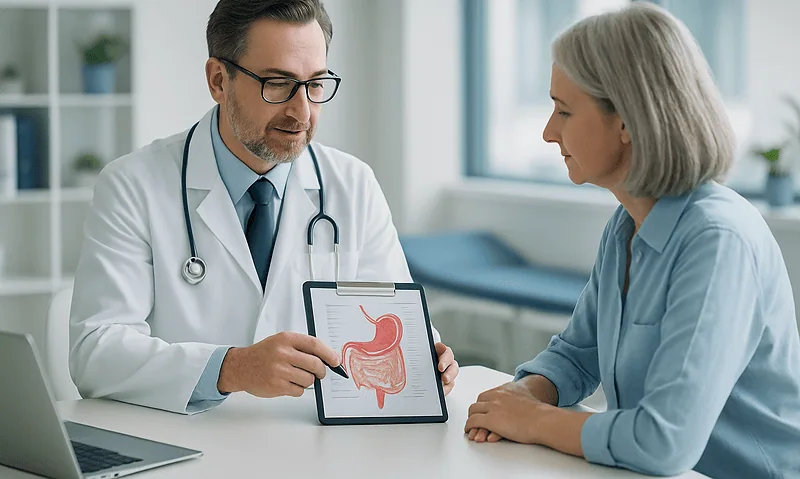
Eating After Stomach Cancer Surgery: Small Frequent Meals and the New Digestive Rhythm
Eating after gastrectomy usually means six to eight small meals a day instead of three large ones, chewing slowly, putting protein first, separating drinks…
What Debulking Surgery for Ovarian Cancer Removes and Why Completeness Matters
Debulking surgery for ovarian cancer, also called cytoreductive surgery, removes the ovaries, fallopian tubes, uterus, omentum and every visible tumor deposit a surgeon can…
Robotic Partial Nephrectomy Recovery: Early Walking, Lifting Limits and the First Six Weeks
Robotic partial nephrectomy recovery usually means walking within hours of surgery, a hospital stay of one to three days, and light activity within one…