Acne Peel Treatment: How It Works, Results and What to Expect
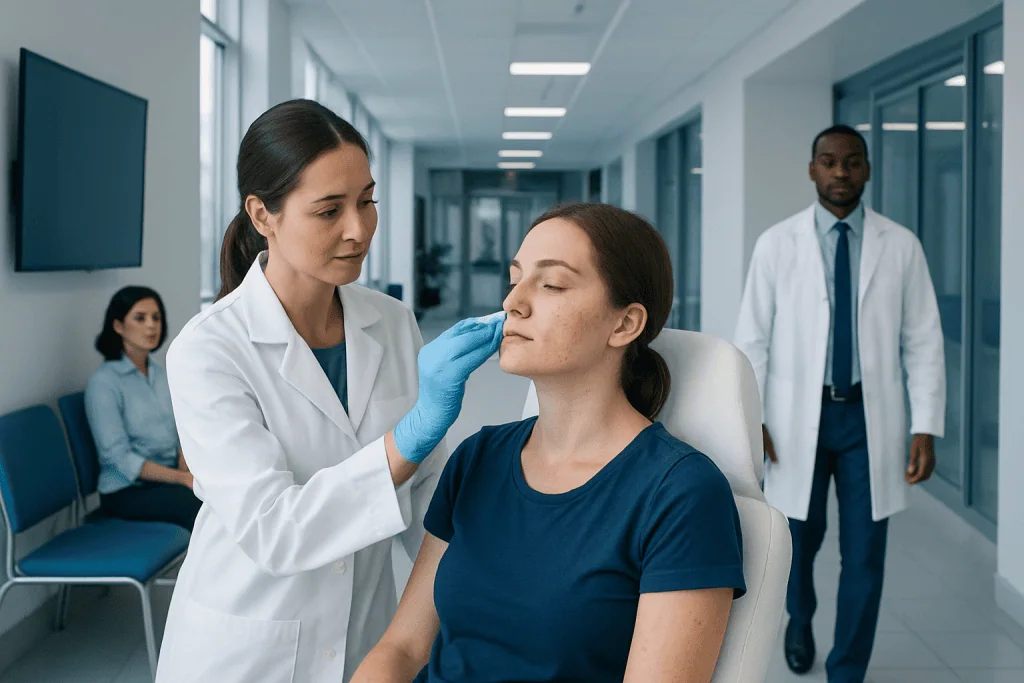
Chemical peels can support acne care by exfoliating the skin and helping keep pores clear. Superficial peels usually require little downtime, while deeper peels have greater recovery needs and risks.
Key Takeaways
- Chemical peels can support acne care by exfoliating the skin and helping keep pores clear.
- Superficial peels usually require little downtime, while deeper peels have greater recovery needs and risks.
- A qualified clinician should select the peel type, especially for darker skin tones, sensitive skin or active inflammatory acne.
- Peels may improve acne marks and texture but do not always treat the underlying causes of acne.
- Strict sun protection and gentle aftercare are important for safe healing and lasting results.
Acne peel treatment is a dermatologist-guided chemical peel that removes selected layers of skin to help clear clogged pores, reduce inflammation and improve uneven tone left by acne. The type of peel, expected results and recovery time depend on the active ingredients, peel strength, skin type and whether active acne or acne marks are the main concern.
How acne peel treatment works
Acne peel treatment is a procedure in which a clinician applies a chemical solution to the skin for a carefully controlled time. The solution loosens or removes cells from the outer skin layers, encouraging renewal as the skin heals. Depending on the formula and depth, this may help reduce pore blockage, surface oiliness, active breakouts and discoloration after acne.
Common peel ingredients include salicylic acid, glycolic acid, lactic acid, mandelic acid and, in selected situations, trichloroacetic acid. Salicylic acid is oil-soluble and can enter pores, which is why it is often considered for comedonal acne such as blackheads and whiteheads. Other acids may be chosen to address uneven texture or post-inflammatory hyperpigmentation.
A peel is usually one part of a wider acne plan rather than a standalone cure. Acne can be influenced by oil production, hormones, inflammation and bacteria, so a dermatologist may also recommend topical medicines, oral treatment or other approaches for persistent disease. People with scarring or recurring inflammatory breakouts may benefit from an assessment of acne and its treatment options before selecting a peel.
Who may be a candidate for a chemical peel?
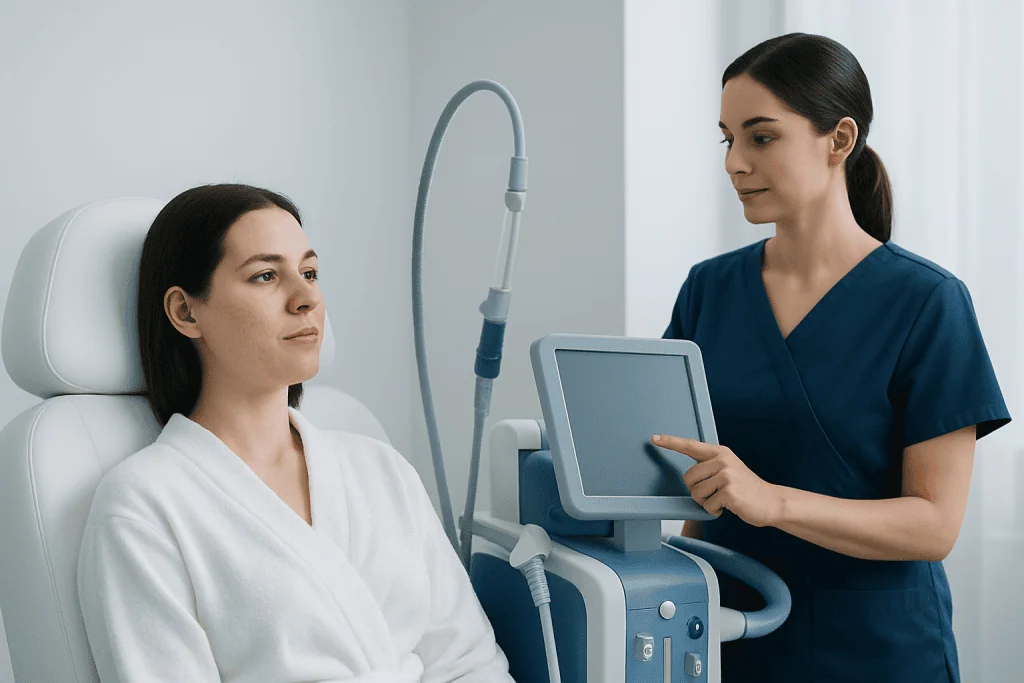
A chemical peel may be suitable for adults or adolescents with mild acne, clogged pores, uneven skin texture, superficial acne marks or dark spots that remain after blemishes heal. The most appropriate peel is individualized. A clinician considers the person’s acne pattern, medical history, skin sensitivity, current skincare products, tendency to pigment changes and desired downtime.
People with darker skin tones can have chemical peels safely when treatment is carefully tailored, but they may have a higher risk of post-inflammatory hyperpigmentation if the skin becomes irritated. Conservative peel choices, proper skin preparation and close aftercare can reduce this risk. A test area or a gradual treatment plan may sometimes be appropriate.
A peel may need to be postponed if there is an active skin infection, open wounds, severe eczema, sunburn, a history of poor wound healing, or a tendency to form raised scars. People who are pregnant, breastfeeding, using prescription acne medicines or taking medicines that affect healing should disclose this during consultation. The clinician can advise whether a peel is appropriate and whether certain products need to be paused beforehand.
What happens during an acne peel treatment?

Before treatment, the clinician examines the skin and discusses goals, expectations and potential risks. The face is cleansed to remove makeup, oil and sunscreen. In some cases, the skin may be prepared over several weeks with a simple skincare routine designed to support the skin barrier and reduce irritation.
During the procedure, the chemical solution is applied in a measured way, often to the whole face or to acne-prone areas. Mild tingling, warmth or stinging is common. The peel may be neutralized or removed after a short period, depending on the product used. Deeper peels require more extensive monitoring and may involve pain relief or sedation in a clinical setting.
Afterward, the skin is treated with a soothing product and broad-spectrum sunscreen. Superficial peels are often completed within one appointment and may be repeated in a series, while medium-depth or deeper treatments require longer intervals. A dermatologist can discuss whether chemical peel treatment fits alongside other acne care and which level of peel is safest.
Benefits, limits and expected results
The potential benefits of acne peel treatment include smoother-feeling skin, fewer clogged pores, improvement in mild breakouts and a more even appearance of superficial dark marks. By increasing exfoliation, superficial peels may also help some topical acne treatments penetrate more effectively when used under medical guidance.
Results are gradual rather than immediate. A person may notice brighter, smoother skin after healing from a superficial peel, but active acne often needs repeated treatment and an ongoing home regimen. Marks can fade over time, while deeper depressed acne scars may respond better to other procedures, such as microneedling, laser-based treatment or scar-focused interventions.
A peel cannot permanently prevent all acne, eliminate hormonal drivers or remove severe scars in one session. Overusing exfoliating products before or after treatment can irritate the skin and worsen breakouts or pigmentation. Realistic expectations and a clinician-designed plan are important for both safety and satisfaction.
For patients whose acne has left more persistent textural changes, a specialist may discuss laser skin resurfacing or other scar-directed procedures once active inflammation is under control.
Recovery timeline and aftercare
Recovery depends mainly on peel depth. After a superficial peel, redness, dryness, tightness and light flaking may occur for several days. Many people can return to usual daily activities promptly, although the skin may look temporarily more flushed or uneven. Medium-depth peels may cause more obvious swelling, crusting and peeling and can require a longer period away from social or work commitments.
For the first several days, aftercare generally focuses on gentle cleansing, a bland moisturizer, avoiding picking or rubbing, and daily broad-spectrum sunscreen. Makeup, exercise, heat exposure, exfoliating acids, retinoids and hair-removal treatments may need to be avoided temporarily, according to the clinician’s instructions. Peeling skin should be allowed to shed naturally.
Sun protection is especially important because newly healing skin is more vulnerable to irritation and pigment changes. A person should contact the treating clinic if they develop severe pain, worsening swelling, blistering, pus, fever or spreading redness. These symptoms are uncommon but need timely medical assessment.
At Acibadem International, multidisciplinary specialists in JCI-accredited hospitals assess acne concerns and provide individualized dermatology care for international patients.
Is a chemical peel worth it for acne?
A chemical peel can be worthwhile for selected people with mild acne, recurrent clogged pores or post-acne discoloration, particularly when it is part of a broader treatment plan. It may offer visible improvement in skin smoothness and congestion with relatively limited downtime when a superficial peel is used appropriately.
Whether it is worthwhile depends on the goal. Someone with mainly blackheads and shallow dark marks may benefit more than someone with painful cystic acne or deep scars. In the latter situations, treating active inflammation and considering other medical or procedural options may be more effective.
A dermatology consultation helps clarify the likely benefit, the number of sessions that may be needed and the risk of pigmentation or irritation for an individual skin type. The clinician can also recommend supportive care, including dermatology evaluation and treatment for persistent or complex acne.
What's the worst day after a chemical peel?
There is no single worst day for everyone because recovery varies with the peel’s depth and the person’s skin response. With many superficial peels, dryness and visible flaking are often most noticeable around days two to four. Redness or sensitivity may be stronger during the first 24 to 48 hours.
With a medium-depth peel, swelling and tightness may be more noticeable during the first few days, and peeling may become more visible later in the first week. Deep peels have a more intensive recovery and should only be performed and followed by experienced medical professionals.
The most important point is to follow the personalized aftercare plan rather than trying to speed up peeling. Pulling away flakes, using scrubs or returning to strong active skincare too early can damage the healing barrier and increase the risk of prolonged redness or dark marks.
What does your face look like 3 days after a chemical peel?
Three days after a superficial acne peel, the face may appear mildly red, dry, tight or patchy, with fine flaking around areas such as the nose, mouth and chin. Some people have very little visible peeling, especially after lighter treatments. Lack of obvious peeling does not necessarily mean the treatment was ineffective.
After a stronger peel, peeling may be more pronounced by day three, and the skin can look darker, bronzed, crusted or uneven before it sheds. Mild swelling may also persist. The treating clinician should explain what is expected for the specific peel used and provide instructions for cleansing, moisturizing and sun avoidance.
Blistering, marked pain, rapidly increasing redness, yellow drainage or swelling around the eyes are not typical cosmetic recovery effects and should be reported promptly. It is safer to seek clinical advice than to apply unapproved creams or attempt to remove peeling skin.
What are the negatives of a chemical peel?
The main disadvantages of chemical peels are temporary irritation, visible peeling, redness and the need for careful sun protection. Stronger peels can involve more discomfort and downtime. Even with a superficial peel, acne can temporarily seem more active as irritated follicles settle, although this should be assessed if it persists or is severe.
Possible complications include prolonged redness, infection, cold sore reactivation in susceptible individuals, acne-like eruptions, pigment changes and, rarely, scarring. The risk is higher with inappropriate peel selection, unregulated products, excessive treatment depth, poor aftercare or peeling performed by an inexperienced provider.
People should avoid at-home high-strength acid products or attempting professional-level peels without medical guidance. A clinician can help weigh expected benefits against risks and may recommend gentler alternatives when the skin barrier is impaired or acne is inflamed.
When to seek medical care
Medical assessment is recommended for acne that is painful, widespread, leaving scars, causing emotional distress or not improving with basic over-the-counter care. Early treatment can help reduce the risk of permanent scarring and address conditions that may resemble acne but need different care.
After a peel, urgent medical advice is appropriate for severe or increasing pain, extensive blistering, significant facial swelling, signs of infection, fever, vision symptoms or an allergic-type reaction. Contact the treating clinician promptly if redness worsens instead of gradually improving.
A dermatologist can also advise before treatment for anyone with a history of pigment changes, <a href="https://acibademinternational.com/diseases/keloid-scars/”>keloid scars, recurrent cold sores or recent use of prescription acne medication. Professional assessment supports a peel plan that matches the person’s skin condition and recovery needs.
Frequently asked questions
Can acne peel treatment remove acne scars?
Acne peel treatment may improve shallow surface irregularities and discoloration after acne, but it does not fully remove all scar types. Deep, pitted or raised scars often need scar-specific treatments. A dermatologist can identify the scar type and recommend appropriate options.
How often can a chemical peel be done for acne?
The frequency depends on the peel type, strength, skin response and treatment goal. Superficial peels may be performed as a series with time between sessions, while stronger peels require much longer healing intervals. The treating clinician should set an individualized schedule.
Can a chemical peel make acne worse?
Temporary irritation or a short-lived acne-like flare can occur, particularly if the skin is sensitive or aftercare is not followed. Persistent worsening may mean the peel is not appropriate or that another acne treatment is needed. A person should contact their clinician rather than continue irritating products.
Should active acne be treated before a chemical peel?
It depends on the acne type and severity. Superficial peels can sometimes be used for mild active acne and congestion, but painful cysts, open lesions or severe inflammation usually need medical treatment first. A dermatologist can decide on the safest order of treatment.
Can makeup be worn after an acne peel?
Makeup is often avoided for at least the first day after a superficial peel, but recommendations vary by peel depth and skin response. It is best to use only products approved by the treating clinician once the skin has settled. Makeup should not be applied over open, blistered or heavily peeling skin.
What skincare should be avoided after a chemical peel?
Strong exfoliants, retinoids, acne spot treatments, fragranced products and scrubs are commonly paused while the skin heals. Heat exposure, tanning and picking at peeling skin should also be avoided. The clinician will advise when normal acne products can be restarted safely.
References
- American Academy of Dermatology
- American Society for Dermatologic Surgery
- Mayo Clinic
- National Institute of Arthritis and Musculoskeletal and Skin Diseases
This article is for general information only and is not a substitute for professional medical advice. Please consult a qualified doctor about your individual situation.
Acne in Turkey — costs, top hospitals & a free quote
JCI-accredited · board-certified surgeons · reply within 24h
Add us as a Preferred Source to see more of our trusted health content across Google Search, AI Overviews and Discover.