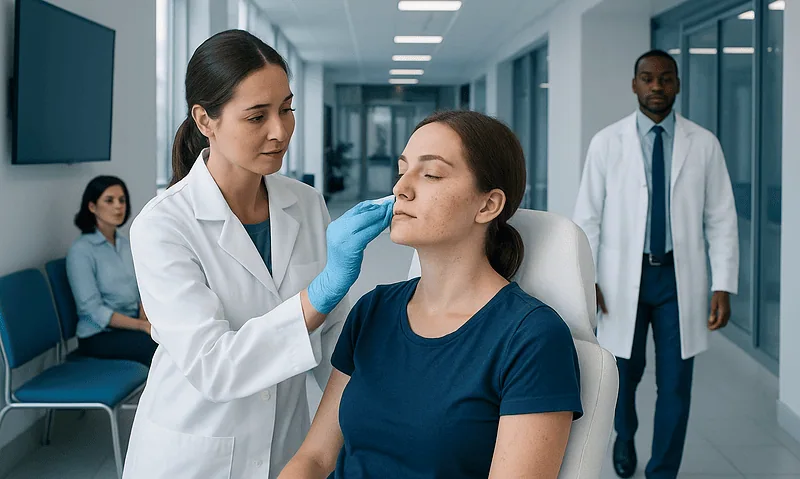
Claritin and Alcohol — Explained by Medical Evidence, Not Myths

Claritin contains loratadine, a second-generation antihistamine that is usually less sedating than older allergy medicines. Alcohol may still add to drowsiness, dizziness, and poor concentration, even if Claritin itself is considered less likely to cause sleepiness.
Key Takeaways
- Claritin contains loratadine, a second-generation antihistamine that is usually less sedating than older allergy medicines.
- Alcohol may still add to drowsiness, dizziness, and poor concentration, even if Claritin itself is considered less likely to cause sleepiness.
- Risk is higher with larger amounts of alcohol, individual sensitivity, older age, liver problems, or use of other sedating medicines.
- People should avoid driving or hazardous activities if they feel sleepy, lightheaded, or less alert after combining Claritin and alcohol.
- Medical advice is important if symptoms are severe, if alcohol use is heavy, or if a person has other medical conditions or takes multiple medications.
Claritin and alcohol are not known to have a major direct interaction for most healthy adults, but the combination can still increase sleepiness, slow reaction time, and make side effects more noticeable. The safest approach is to be cautious, especially when first taking loratadine, when drinking more than a small amount, or when other medicines or health conditions are involved.
Overview: Can Claritin and Alcohol Be Combined?
Claritin and alcohol do not have a well-established dangerous interaction in the way that some medications do. Claritin is the brand name for loratadine, a second-generation antihistamine commonly used for allergies. Compared with older antihistamines, it is less likely to cause drowsiness because it has less effect on the central nervous system.
Even so, “less likely” does not mean “no risk.” Alcohol can impair attention, coordination, and judgment on its own, and some people feel tired or lightheaded with loratadine. When taken together, those effects may add up. That means a person may feel more sleepy, less focused, or less steady than expected, especially after more than one drink.
The practical message is simple: many adults will not have a serious problem from a small amount of alcohol while taking Claritin, but caution is still recommended. The safest decision depends on the person’s age, health conditions, liver function, usual response to alcohol, and whether other medicines are also being used.
How Claritin Works and Why Alcohol May Still Matter
Loratadine works by blocking histamine, a chemical involved in allergic symptoms such as sneezing, itching, runny nose, and watery eyes. Because it is designed to be less sedating than first-generation antihistamines, many people can take it during the day without feeling sleepy. This is one reason it is widely used for seasonal and year-round allergies.
However, people do not all react the same way. Some may still develop mild drowsiness, headache, dry mouth, or dizziness. Alcohol can make these effects more noticeable because it also acts on the brain and nervous system. Even if a person feels normal after taking loratadine alone, alcohol may change that response.
Another point is that alcohol can affect hydration, sleep quality, and concentration. If allergy symptoms are already causing poor sleep or fatigue, drinking alcohol while taking Claritin may leave a person feeling worse the next day. In people being treated for problems such as allergies or hives, symptom relief may still occur, but overall comfort and alertness can be reduced.
What the Medical Evidence Suggests

Available medical guidance generally does not list loratadine as having a strong or absolute contraindication with alcohol. This differs from certain older antihistamines, which are clearly known for causing marked sedation and stronger central nervous system effects. For loratadine, the concern is usually not a severe chemical interaction but the possibility of additive side effects in susceptible individuals.
Clinical recommendations therefore tend to be cautious rather than alarmist. In real life, some people notice no difference after one drink, while others feel unusually tired, dizzy, or mentally slowed. Because alcohol tolerance and medication sensitivity vary so much, there is no single “safe for everyone” amount.
Doctors and pharmacists often advise patients to see how they respond to Claritin before drinking alcohol with it. If there is any sleepiness, poor concentration, or dizziness from the medicine alone, alcohol is more likely to worsen those effects. This caution is especially relevant before driving, cycling, using machinery, or making important decisions.
Who Should Be More Careful?
Some groups may be more likely to feel adverse effects from combining Claritin and alcohol. Older adults can be more sensitive to both alcohol and medications. People with liver disease may process loratadine or alcohol less efficiently, which can increase side effects. Individuals who are already fatigued, dehydrated, or unwell may also notice stronger effects.
Extra caution is also needed when other medicines are involved. Sedatives, sleep medicines, anti-anxiety drugs, opioid pain relievers, some antidepressants, and certain cough or cold preparations can all contribute to sleepiness or slower reaction time. Combining several products at once can make it harder to tell what is causing symptoms and may raise the risk of falls or accidents.
Anyone with a history of strong reactions to antihistamines, frequent dizziness, balance problems, or alcohol misuse should be especially careful. If allergy symptoms are significant enough to need more specialized care, a doctor may discuss evaluation or allergy treatment options that better fit the person’s overall health and lifestyle.
- Older adults
- People with liver disease or significant chronic illness
- Those taking other sedating medications
- People who are sensitive to alcohol or antihistamines
- Anyone planning to drive or do hazardous work
Possible Side Effects of Combining Claritin and Alcohol
When side effects occur, they are often mild but inconvenient. A person may feel sleepy, lightheaded, less coordinated, or mentally foggy. Headache, dry mouth, and reduced concentration can also become more noticeable. In some cases, the combination may simply make a person feel “off” even if there is no dangerous reaction.
These effects matter most in situations where alertness is important. Driving, swimming, climbing stairs, caring for children, or operating machinery can become less safe if judgment and reaction time are impaired. Someone who expects Claritin to be completely non-drowsy may underestimate this risk.
It is also important to distinguish medication side effects from symptoms of allergy itself. Nasal congestion, poor sleep, and fatigue from allergic illness can already reduce concentration. If symptoms remain troublesome despite self-care, a clinician may recommend further assessment, testing, or a different approach such as immunology and allergic diseases care.
Practical Safety Tips and Self-Care
For people who choose to drink alcohol while taking Claritin, a cautious approach is sensible. The first step is to know how Claritin affects the body before adding alcohol. If there is any drowsiness or dizziness after taking loratadine, avoiding alcohol is wise. It also helps to limit the amount of alcohol, stay hydrated, and avoid drinking on an empty stomach.
Reading the full medication label is important because some “allergy” or “cold and flu” products contain more than one active ingredient. A combination product may include decongestants or other antihistamines, which can change the risk profile. People should also check for interactions with prescription medicines and ask a pharmacist if unsure.
General self-care for allergy symptoms can reduce the need for extra medication or alcohol-related symptom triggers. Helpful steps may include avoiding known allergens, using air filters when appropriate, showering after outdoor exposure, and discussing whether check-up and screening is useful when symptoms are persistent or unclear.
- Try Claritin alone first before drinking alcohol
- Use caution with any amount of alcohol if feeling tired or dizzy
- Do not drive or operate machinery if alertness is reduced
- Avoid combining alcohol with other sedating medications
- Ask a doctor or pharmacist about product labels and interactions
When to Seek Medical Care
Medical advice is appropriate if a person develops unexpected or severe symptoms after taking Claritin with alcohol. Warning signs include marked drowsiness, fainting, confusion, trouble breathing, severe dizziness, vomiting that does not stop, or symptoms of an allergic reaction such as swelling of the lips or throat. These situations need prompt professional evaluation.
It is also wise to speak with a doctor if allergy symptoms are frequent, persistent, or not well controlled by over-the-counter treatment. Recurrent symptoms may need a more individualized diagnosis, particularly if they overlap with sinus problems, skin reactions, asthma, or medication side effects. A clinician can help determine whether the issue is seasonal allergy, chronic hives, or another condition.
Near the end of the care pathway, patients seeking cross-border care may wish to know that Acibadem International’s multidisciplinary specialists and JCI-accredited hospitals diagnose and treat allergy-related conditions for international patients. Professional guidance is particularly important for people with chronic illness, polypharmacy, heavy alcohol use, or uncertain symptoms.
Frequently asked questions
Can a person drink alcohol while taking Claritin?
Many adults will not have a major direct interaction from combining a small amount of alcohol with Claritin. However, the combination can still increase drowsiness, dizziness, or poor concentration in some people. Caution is especially important the first time loratadine is taken or if other medicines are also being used.
Why is Claritin considered different from older antihistamines?
Claritin contains loratadine, a second-generation antihistamine. It is generally less likely to cross into the brain and cause sleepiness than older antihistamines such as diphenhydramine. Even so, some people still feel drowsy or lightheaded, and alcohol may make that more noticeable.
Is it dangerous to mix Claritin and alcohol?
For most healthy adults, this combination is not usually considered highly dangerous in the same way as some stronger sedating medicines. The main concern is additive impairment, such as sleepiness, slower reaction time, and reduced judgment. Risk increases with larger amounts of alcohol, other sedating drugs, or underlying medical problems.
How long should someone wait between taking Claritin and drinking alcohol?
There is no universal waiting period that guarantees safety for everyone. A more practical approach is to first see whether Claritin causes any drowsiness or dizziness on its own, then avoid alcohol if it does. When in doubt, a pharmacist or doctor can give advice based on the person’s health and medication list.
What symptoms mean the combination is not being tolerated well?
Symptoms that suggest poor tolerance include unusual sleepiness, dizziness, confusion, poor balance, nausea, or difficulty concentrating. A person should stop drinking, avoid driving, and seek medical advice if symptoms are pronounced. Trouble breathing, fainting, or swelling of the face or throat requires urgent medical attention.
Should people with liver disease or older adults be more cautious?
Yes. Both alcohol and medications may affect older adults more strongly, and liver disease can change how substances are processed in the body. In these groups, even mild interactions can lead to more noticeable side effects, so personalized medical advice is important.
References
- U.S. Food and Drug Administration
- National Library of Medicine
- American Academy of Allergy, Asthma & Immunology
- National Institute on Alcohol Abuse and Alcoholism
- MedlinePlus
This article is for general information only and is not a substitute for professional medical advice. Please consult a qualified doctor about your individual situation.
Explore treatments in Turkey — costs, top hospitals & a free quote
JCI-accredited · board-certified surgeons · reply within 24h
Add us as a Preferred Source to see more of our trusted health content across Google Search, AI Overviews and Discover.