How to Reduce Estrogen in Men? A Doctor-Reviewed Answer

Many cases are related to weight gain, alcohol use, aging, or medication effects rather than a serious disease. A doctor may evaluate symptoms, review medicines, examine the breasts and testicles, and order hormone and liver or thyroid blood tests.
Key Takeaways
- Many cases are related to weight gain, alcohol use, aging, or medication effects rather than a serious disease.
- A doctor may evaluate symptoms, review medicines, examine the breasts and testicles, and order hormone and liver or thyroid blood tests.
- Lifestyle steps such as weight loss, exercise, limiting alcohol, and avoiding non-prescribed hormones may help restore hormone balance.
- Treatment depends on the cause and may include changing a medication, treating an underlying condition, or managing gynecomastia.
- Urgent or prompt medical review is important for a new breast lump, nipple discharge, testicular changes, severe pain, or fast-changing symptoms.
In many men, concerns about “high estrogen” are linked to body fat, medicines, or temporary hormone shifts and are not dangerous. The safest way to reduce estrogen in men is to address the cause, watch for warning signs such as breast enlargement or sexual symptoms, and have a doctor confirm whether estrogen is truly high before starting treatment.
Overview: what actually helps lower estrogen in men?
For many men, the most effective way to lower estrogen is not to target estrogen directly, but to correct the reason it has risen or seems out of balance. Common helpful steps include losing excess body fat, reducing alcohol intake, improving sleep and physical activity, and asking a doctor to review medications or supplements that may affect hormones. In some cases, no treatment is needed because hormone changes are mild or temporary.
It is also important to know that symptoms blamed on “high estrogen” are not always caused by estrogen itself. Breast fullness, reduced libido, erectile problems, fatigue, or weight gain can also happen with low testosterone, thyroid disease, liver disease, medication effects, or normal aging. Because of this, self-diagnosis can be misleading.
A doctor-reviewed approach is safest and usually more effective than taking over-the-counter “test boosters” or hormone blockers. If symptoms are new, persistent, or troubling, medical evaluation can clarify whether estrogen is actually elevated and whether treatment should focus on weight, testosterone, another health condition, or a breast-related problem such as gynecomastia.
How estrogen affects the male body
Men naturally produce estrogen in small amounts, and it has important roles in bone health, sexual function, brain function, and metabolism. Estrogen is made partly in the testes and partly when the body converts testosterone into estradiol through an enzyme called aromatase, especially in fat tissue. This means estrogen is not “bad” in men; the goal is balance.
Problems may develop when estrogen becomes too high relative to testosterone, when testosterone becomes too low, or when body tissues become more sensitive to hormone changes. This imbalance can lead to symptoms such as breast tissue growth, tenderness around the nipples, lower sexual desire, erectile difficulties, mood changes, or changes in body composition.
Not every symptom points to a hormone disorder. Pseudogynecomastia, for example, is breast enlargement caused by extra fat rather than glandular breast tissue. That distinction matters because treatment for excess fat focuses on weight management, while true glandular enlargement may need hormone evaluation and, in some cases, further treatment.
Common signs, symptoms, and red flags

Men who are worried about estrogen often notice physical changes first. These may include swelling or tenderness under the nipple, enlargement of one or both breasts, reduced libido, erectile dysfunction, lower energy, loss of muscle mass, increased abdominal fat, or mood changes. Some men also report reduced body hair or fertility concerns, although these symptoms are not specific to estrogen alone.
Many of these changes are common and often have non-serious explanations, especially around weight gain, aging, or medicine use. Even so, certain features deserve prompt medical review because they can suggest a condition that needs treatment.
- A hard or irregular breast lump
- Nipple discharge, especially if bloody
- Changes affecting only one side that are growing quickly
- Testicular pain, a testicular lump, or shrinking testicles
- Rapid onset of breast enlargement in adulthood
- Unexplained weight loss, jaundice, or severe fatigue
These red flags do not mean something serious is certain, but they should not be ignored. A doctor can assess whether symptoms are due to hormone imbalance, medication effects, liver or thyroid disease, or a less common cause such as a tumor.
Why estrogen may rise in men
One of the most common reasons is increased body fat. Fat tissue contains aromatase, which converts testosterone into estrogen. As body fat rises, this conversion may increase, and total testosterone may fall at the same time. This can shift the hormone balance in a way that promotes breast tissue growth and other symptoms.
Medications and substances are another frequent cause. Examples include anabolic steroids, testosterone used without proper monitoring, some prostate cancer treatments, certain anti-androgen medicines, some antidepressants or antipsychotics, spironolactone, some ulcer medications, and heavy alcohol use. Herbal or bodybuilding supplements can also contain hormone-like ingredients that affect estrogen or testosterone.
Underlying medical conditions may also play a role. These include liver disease, kidney failure, overactive thyroid, testicular disorders, obesity-related low testosterone, and some tumors that affect hormone production. In older men, natural age-related hormone changes can contribute. Because causes vary so much, treatment needs to be individualized rather than based on a generic online plan.
When symptoms overlap with broader hormone problems, doctors may also consider whether a man has low testosterone or another endocrine issue. In selected cases, evaluation by specialists in endocrinology and metabolic disorders may help clarify the cause and guide treatment.
What a doctor will check before recommending treatment
A medical review usually starts with symptoms, timing, and a medication history. The doctor may ask when breast changes began, whether there is pain or discharge, and whether sexual function, fertility, or energy levels have changed. Alcohol use, recreational drugs, anabolic steroid use, and supplements are also important to mention because they can strongly influence hormone balance.
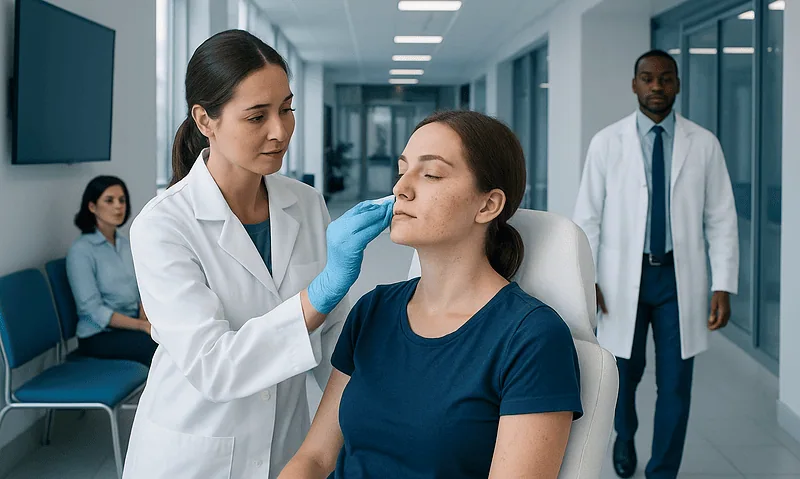
The physical examination often includes the chest, abdomen, thyroid, and testicles. This helps the doctor tell the difference between fatty tissue and true glandular breast tissue, and look for clues to thyroid disease, liver disease, or testicular causes. If needed, the doctor may also check blood pressure, body mass index, and signs of insulin resistance or metabolic syndrome.
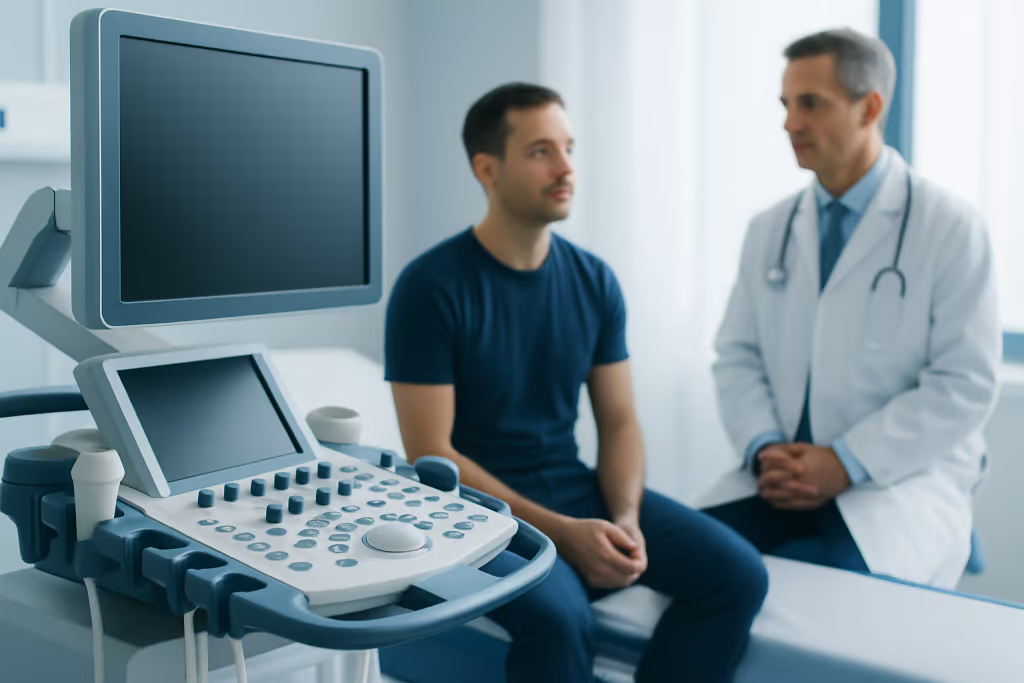
Blood tests may include total testosterone, estradiol, luteinizing hormone, follicle-stimulating hormone, prolactin, thyroid function, and liver and kidney tests. Depending on the situation, pregnancy-related hormones such as hCG may be checked, especially if a tumor is a concern. Imaging is not always necessary, but breast imaging, testicular ultrasound, or other scans may be advised if the exam raises concern.
If breast enlargement is the main issue, doctors may evaluate for breast ultrasound or related imaging when clinically appropriate. The aim is not simply to “find high estrogen,” but to identify the true driver of symptoms so treatment is safe and targeted.
Ways to reduce estrogen in men safely
If excess body fat is contributing, gradual weight loss is often one of the most helpful steps. Losing fat may reduce aromatase activity and improve the balance between testosterone and estrogen. A practical plan usually includes regular exercise, more whole foods, adequate protein, fewer ultra-processed foods, and sustainable calorie control rather than extreme dieting.
Alcohol reduction can also help, especially in men who drink heavily. Excess alcohol may affect liver function and hormone metabolism, making estrogen-related symptoms worse. Good sleep, treatment of sleep apnea if present, and resistance training may also support healthier testosterone levels and overall metabolic health.
Medication review is another key step. A doctor may be able to switch, stop, or adjust a medicine that is contributing to the problem, but this should never be done without medical advice. Men should also avoid non-prescribed anabolic steroids, “hormone boosters,” and internet-sold aromatase inhibitors, which can cause side effects and may mask a real diagnosis.
When an underlying condition is found, treatment focuses on that cause. This may include managing thyroid disease, liver disease, obesity-related hypogonadism, or other endocrine disorders. In some men, treatment is observation only; in others, specialist care and investigations such as hormone tests help decide the next steps.
Medical treatments for hormone imbalance and gynecomastia
There is no single medicine that every man with suspected high estrogen should take. Treatment depends on the diagnosis. If blood tests confirm a broader hormone disorder, doctors may treat low testosterone, adjust a medication, or manage a disease affecting the testes, thyroid, liver, or pituitary gland. Simply lowering estrogen without knowing the cause is usually not the best approach.
When true gynecomastia is painful, distressing, or persistent, a doctor may discuss options such as watchful waiting, medical therapy in selected cases, or surgery if breast tissue does not improve over time. Surgery is generally considered only after evaluation of the cause and once the condition has stabilized. Men with a clear endocrine cause may first benefit from treatment of that underlying problem.
For men who need specialty care, multidisciplinary teams can be helpful because hormone symptoms may overlap with breast, metabolic, and reproductive health issues. Acibadem International’s multidisciplinary specialists in JCI-accredited hospitals diagnose and treat hormone-related conditions and gynecomastia for international patients when more detailed assessment is needed.
In persistent cases of glandular breast enlargement, some men may eventually discuss gynecomastia surgery after proper evaluation. The right timing and approach depend on symptoms, exam findings, and whether the underlying cause has already been addressed.
When to seek medical care
Medical review is a good idea if breast swelling, nipple tenderness, or sexual symptoms last more than a few weeks, keep worsening, or are causing distress. It is also sensible to make an appointment if symptoms began after starting a new medicine or supplement, or if there is concern about fertility, low libido, or persistent fatigue.
Prompt medical care is especially important for a firm breast lump, nipple discharge, one-sided changes that enlarge quickly, testicular pain or a lump, or symptoms such as jaundice or unexplained weight loss. These findings are uncommon, but they can point to problems that should be diagnosed early.
Until a doctor reviews the situation, it is safest to avoid self-prescribing hormone blockers or unverified supplements. Bringing a full list of medicines, sports supplements, and symptoms to the appointment can make the evaluation more accurate and efficient.
Frequently asked questions
Can weight loss reduce estrogen in men?
Yes, in many men it can help. Fat tissue converts testosterone into estrogen, so losing excess body fat may improve hormone balance and reduce symptoms such as breast fullness. The benefit is usually gradual rather than immediate.
Do men need estrogen at all?
Yes. Men naturally make small amounts of estrogen, and it supports bone health, metabolism, and sexual function. The goal is not to eliminate estrogen, but to maintain a healthy balance between estrogen and testosterone.
Should a man take estrogen blockers on his own?
No, self-treating is not recommended. Hormone blockers and online supplements can have side effects, interact with other medicines, and delay diagnosis of the real cause. A doctor should confirm whether estrogen is truly high before treatment starts.
Is gynecomastia always caused by high estrogen?
No. Gynecomastia can result from a relative imbalance between estrogen and testosterone, but it may also be linked to medicines, puberty, aging, obesity, or underlying medical conditions. Sometimes breast enlargement is due to fat rather than glandular tissue.
What tests might a doctor order?
Testing may include testosterone, estradiol, luteinizing hormone, follicle-stimulating hormone, prolactin, thyroid function, and liver or kidney tests. Depending on symptoms and the examination, imaging of the breast or testicles may also be recommended.
When should breast changes in men be checked quickly?
Quick medical review is important for a hard lump, nipple discharge, fast-growing one-sided enlargement, or breast changes with testicular symptoms. These signs are not always serious, but they should be examined promptly.
References
- Endocrine Society
- American Urological Association
- National Institute of Diabetes and Digestive and Kidney Diseases
- Mayo Clinic
- Cleveland Clinic
This article is for general information only and is not a substitute for professional medical advice. Please consult a qualified doctor about your individual situation.
Medical weight-loss options in Turkey — costs & eligibility
JCI-accredited · board-certified surgeons · reply within 24h
Add us as a Preferred Source to see more of our trusted health content across Google Search, AI Overviews and Discover.
Check your numbers in seconds
BMI, calories, due date, blood pressure and 30+ more clinical calculators — free, instant, doctor-reviewed ranges.