Anserine Bursa Treatment: How It Works, Results and What to Expect

Pes anserine bursitis causes pain and tenderness on the inner knee, typically a few centimetres below the joint line. Initial treatment usually includes relative rest, ice, rehabilitation exercises and appropriate pain relief.
Key Takeaways
- Pes anserine bursitis causes pain and tenderness on the inner knee, typically a few centimetres below the joint line.
- Initial treatment usually includes relative rest, ice, rehabilitation exercises and appropriate pain relief.
- Recovery varies, but symptoms often improve over several weeks when aggravating activities are adjusted.
- A corticosteroid injection may be considered when symptoms persist despite conservative care, but it is not needed for everyone.
- Increasing activity gradually and addressing strength, flexibility, footwear and training load can help reduce recurrence.
Anserine bursa treatment is usually non-surgical and focuses on settling inflammation at the inner side of the knee while correcting the movement, strength or flexibility factors that may be contributing to it. Most people improve with a tailored plan that includes temporary activity modification, rehabilitation and, when needed, medicines or an injection.
Overview: what anserine bursa treatment involves
Anserine bursa treatment addresses inflammation or irritation of the pes anserine bursa, a small fluid-filled cushion on the inner side of the knee. This bursa sits between the shinbone and tendons from three thigh muscles. When it becomes irritated, a person may notice aching, tenderness or swelling below the inner knee joint, particularly with stairs, walking, kneeling or rising from a chair.
For most people, treatment does not involve surgery. It begins by reducing activities that repeatedly trigger pain, supporting comfortable movement and using rehabilitation to improve flexibility, strength and lower-limb control. A clinician may also recommend short-term pain-relief measures and, for persistent symptoms, discuss an image-guided or landmark-guided corticosteroid injection.
Inner-knee pain has several possible causes, including arthritis, tendon problems, ligament injuries and stress injuries. For that reason, an accurate assessment is important before assuming that a painful area is solely an inflamed bursa.
How anserine bursa treatment works
The aim is not simply to suppress pain; it is to allow irritated tissues to settle while reducing the forces that keep them irritated. Repetitive bending, climbing, prolonged kneeling, sudden increases in walking or running, and weakness or tightness around the hip and knee can all contribute. Adjusting these factors gives the bursa and nearby tendons an opportunity to recover.
Early care may include relative rest rather than complete inactivity. A person may temporarily reduce hills, stairs, deep squats, running or other movements that consistently provoke symptoms. Applying a wrapped cold pack for brief periods can ease discomfort after activity. A doctor or pharmacist can advise whether medicines such as anti-inflammatory drugs are appropriate, as they are not suitable for everyone.
Physical therapy is often central to recovery. A programme may include gentle stretching, gradual strengthening of the quadriceps, hamstrings and hip muscles, and guidance on walking, exercise technique and return to sport. If <a href="https://acibademinternational.com/diseases/knee-osteoarthritis/”>knee osteoarthritis is contributing to symptoms, its management may also be relevant to longer-term comfort and function.
Who may benefit and how diagnosis is made

Pes anserine bursitis is more likely in people who have recently increased physical activity, have repetitive knee-loading work or sports demands, or have tight hamstring muscles. It can also occur alongside knee osteoarthritis, excess body weight, altered leg alignment, diabetes or reduced hip and thigh muscle strength. These are risk factors, not proof of the diagnosis.
A clinician usually diagnoses the condition through a history and physical examination. Localized tenderness below the inner joint line, together with pain during certain movements, can be informative. They will also assess the knee joint, ligaments, tendons, hip and gait to identify other possible explanations for symptoms.
Imaging is not always needed. X-rays may be used when arthritis, fracture or another bone-related cause is suspected. Ultrasound or MRI can sometimes help assess surrounding soft tissues or rule out other conditions when symptoms are unusual, severe or do not improve as expected.
What happens during treatment or an injection procedure
Conservative treatment is typically started first. After assessment, the clinician and patient agree on practical activity adjustments and a rehabilitation plan. The plan should be individualized: an active person may need advice about training load, while someone whose pain is linked to work or daily stairs may benefit from pacing and movement modifications.
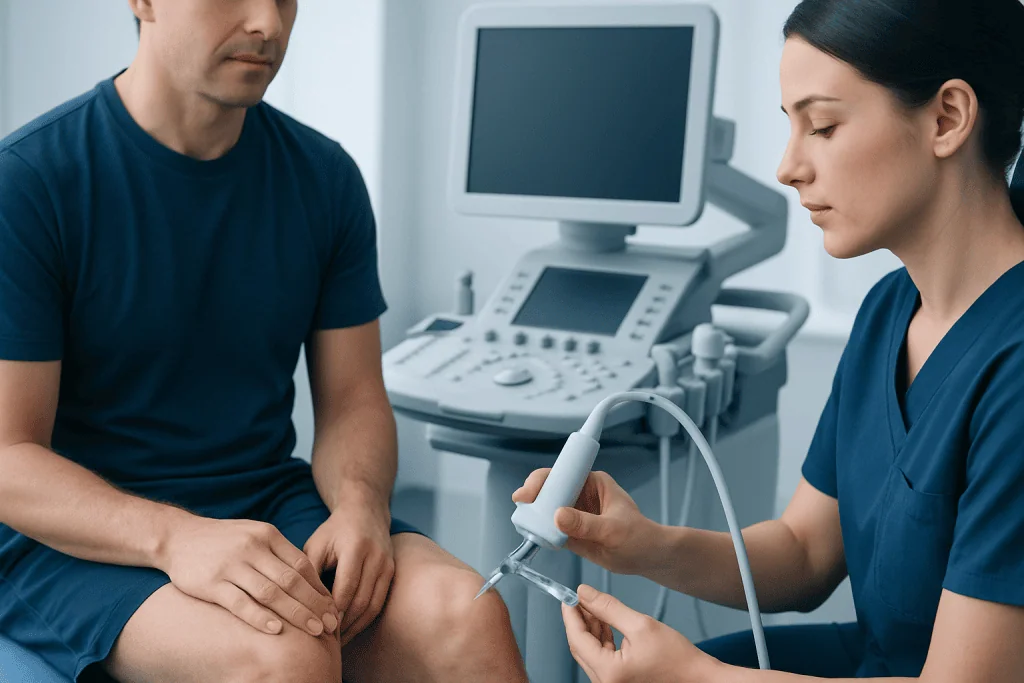
If pain remains limiting after appropriate conservative care, a corticosteroid injection into or around the bursa may be considered. The skin is cleaned, and a local anaesthetic may be used. The clinician places a fine needle at the treatment area, sometimes using ultrasound to improve precision, and injects medication intended to reduce inflammation and pain. The procedure is usually brief and performed on an outpatient basis.
It is common to have temporary soreness after an injection. The clinician may advise avoiding strenuous knee-loading activity for a short period, then restarting rehabilitation gradually. An injection can reduce symptoms but does not replace strengthening, flexibility work or changes to activities that may have contributed to the problem.
- Potential benefits: reduced pain, improved tolerance for walking and exercise, and better ability to participate in rehabilitation.
- Possible risks: temporary pain flare, bruising, skin colour changes, elevated blood glucose in people with diabetes, infection and, rarely, injury to nearby tissues.
- Important consideration: repeated steroid injections are generally approached cautiously because of potential effects on local tissues.
Recovery timeline and signs of improvement
How much time does it take to heal pes anserine bursitis? Mild cases may begin to improve within days to a few weeks once aggravating activity is reduced and rehabilitation begins. More persistent symptoms may take several weeks or a few months to settle, especially when arthritis, biomechanical factors or ongoing physical demands are involved. Recovery is best judged by a steady trend rather than a fixed deadline.
How long does it take for a bursa sac inflammation to heal? Healing time depends on the location of the bursa, the cause of irritation and whether the area can be protected from repeated pressure or overload. Some bursitis episodes improve relatively quickly, while others become recurrent or prolonged. A clinician should reassess symptoms that are not improving, worsening or repeatedly returning.
How do I know if my bursitis is getting better? Improvement usually means less tenderness to touch, less pain during daily tasks, fewer symptoms after activity and a gradually expanding ability to walk, climb stairs or exercise. Mild discomfort can occur as activity is rebuilt, but pain should not progressively intensify or remain significantly worse after each session. Keeping a simple record of activities and symptoms can help guide safe progression.
Walking, self-care and preventing recurrence
Can I still walk with pes anserine bursitis? Many people can continue walking if it causes only mild, manageable discomfort and does not lead to a lasting increase in symptoms afterward. Shorter, flatter walks at a comfortable pace may be preferable initially. If walking causes sharp pain, limping, marked swelling or worsening symptoms, reducing the distance and seeking clinical advice is sensible.
Supportive footwear and avoiding abrupt increases in walking, running or stair climbing can help. Some people benefit from temporarily choosing lower-impact activities, such as cycling with appropriate setup or swimming, if these are comfortable. A physical therapist can recommend alternatives based on the person’s symptoms, fitness level and other knee conditions.
Prevention focuses on gradual training progression, regular hip and thigh strengthening, maintaining comfortable hamstring flexibility and allowing sufficient recovery between demanding activities. Addressing knee osteoarthritis, body weight where appropriate, and movement patterns can also help reduce strain around the inner knee.
When to seek medical care
Medical assessment is appropriate when inner-knee pain does not improve after a period of sensible self-care, interferes with work, sleep or everyday walking, or keeps returning. A clinician can confirm whether bursitis is likely and identify related problems that may need a different approach.
Prompt medical attention is important if the knee becomes very swollen, hot, red, severely painful, difficult to move, or if symptoms are accompanied by fever or feeling unwell. These features can indicate infection or another condition requiring timely care. Sudden inability to bear weight after an injury also warrants urgent evaluation.
Acibadem International’s multidisciplinary specialists and JCI-accredited hospitals support international patients with assessment and treatment for musculoskeletal conditions, including persistent knee pain. Care plans may involve orthopedics, physical medicine and rehabilitation, radiology and physiotherapy as clinically appropriate.
Frequently asked questions
What is the best initial treatment for pes anserine bursitis?
Initial treatment usually combines reducing painful activities, using cold therapy for short periods, and starting a guided rehabilitation programme. A clinician may recommend pain-relief medication when appropriate and safe for the individual. The best plan also addresses contributing factors such as muscle weakness, tightness or a sudden increase in activity.
Is a steroid injection necessary for anserine bursitis?
No. Many people improve without an injection through activity adjustment and physical therapy. A corticosteroid injection may be considered when pain remains significant despite appropriate conservative treatment or prevents participation in rehabilitation.
Can pes anserine bursitis come back?
Yes, symptoms can recur if the knee is repeatedly overloaded or if underlying contributors remain unaddressed. Gradual exercise progression, strength training, flexibility work and appropriate recovery can lower the likelihood of recurrence. Persistent or recurrent pain should be reviewed by a clinician.
Should I use heat or ice for pes anserine bursitis?
Cold packs are commonly used after activity or when the area feels newly irritated, as they may reduce pain. Gentle heat may feel soothing for muscle tightness before activity for some people, but it should not be used on a hot, swollen or visibly inflamed knee. A clinician or physical therapist can offer individualized advice.
Can osteoarthritis cause pes anserine bursitis?
Knee osteoarthritis can coexist with pes anserine bursitis and may change how forces are distributed through the knee. It does not mean that every inner-knee pain is bursitis. Assessment is useful because both conditions may need to be considered in a treatment plan.
When can I return to running or sport?
Return is usually gradual once daily activities and walking are comfortable, knee tenderness is improving, and strength and movement control have been rebuilt. Starting with lower intensity and shorter duration is generally safer than returning immediately to previous training levels. A physical therapist or sports medicine clinician can help set suitable milestones.
References
- American Academy of Orthopaedic Surgeons
- National Institute of Arthritis and Musculoskeletal and Skin Diseases
- Mayo Clinic
- Merck Manual Consumer Version
This article is for general information only and is not a substitute for professional medical advice. Please consult a qualified doctor about your individual situation.
Joint and spine care in Turkey — expert assessment & treatment
JCI-accredited · board-certified surgeons · reply within 24h