Apap Machine: A Complete Medical Overview
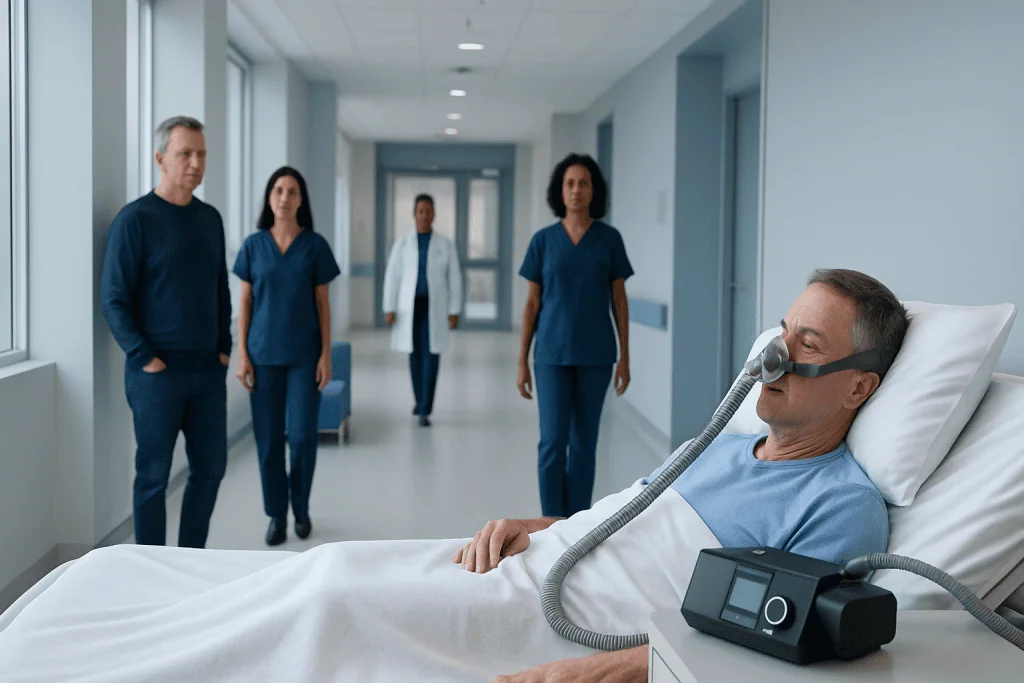
An apap machine automatically adjusts pressure based on breathing patterns during sleep. It is commonly prescribed for obstructive sleep apnea after a clinical evaluation or sleep study.
Key Takeaways
- An apap machine automatically adjusts pressure based on breathing patterns during sleep.
- It is commonly prescribed for obstructive sleep apnea after a clinical evaluation or sleep study.
- Comfort, mask fit, humidity, and regular cleaning strongly affect how well treatment works.
- APAP, CPAP, and BiPAP are different forms of positive airway pressure therapy with different uses.
- Persistent snoring, pauses in breathing, daytime sleepiness, or trouble tolerating therapy should be discussed with a doctor.
An apap machine is a sleep therapy device that automatically changes air pressure through the night to help keep the airway open. It is most often used for obstructive sleep apnea and may improve sleep quality, daytime alertness, and treatment comfort when prescribed and fitted correctly.
Overview: What an APAP Machine Does
An apap machine is a type of positive airway pressure device used during sleep. It delivers air through a mask and automatically adjusts the pressure from breath to breath or over short periods of time, depending on what the person needs. The goal is to prevent the upper airway from narrowing or collapsing, which is the main problem in obstructive sleep apnea.
Unlike a fixed-pressure CPAP device, APAP responds to changes such as body position, stage of sleep, nasal congestion, alcohol use, or weight fluctuation that can alter airway resistance during the night. For some people, this variability can make treatment more comfortable while still maintaining good control of breathing disturbances.
APAP is not a general wellness device or a substitute for medical evaluation. It is a prescribed therapy used after a clinician reviews symptoms, exam findings, and often a sleep test. People who snore loudly, wake unrefreshed, or feel excessively sleepy during the day may be evaluated for sleep apnea to determine whether APAP or another treatment is appropriate.
Who May Need an APAP Machine
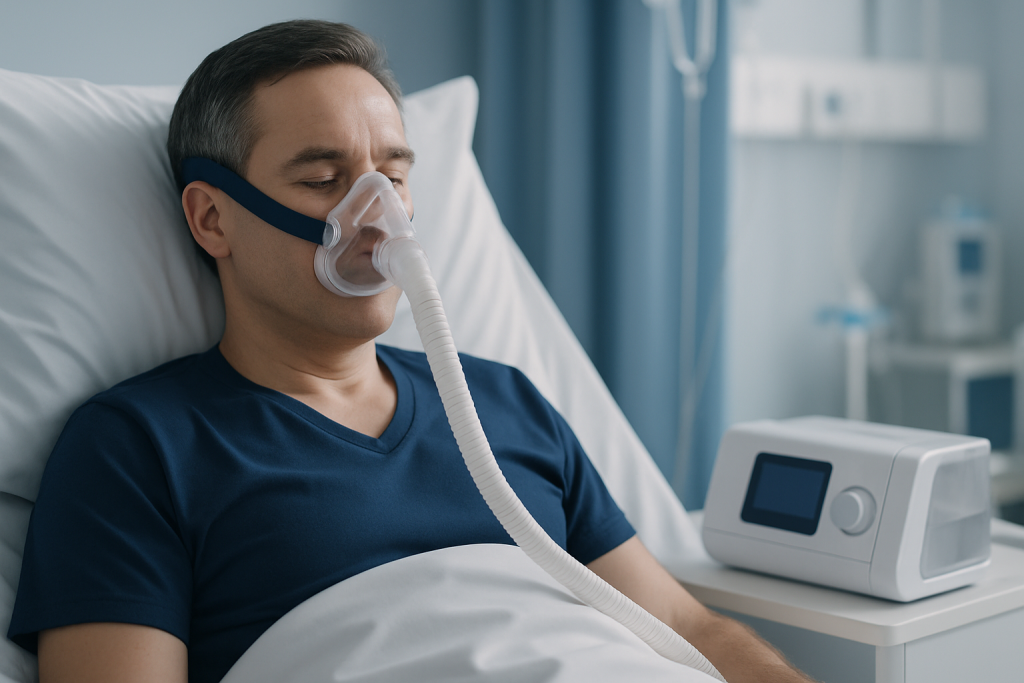
APAP is most often used for adults with suspected or confirmed obstructive sleep apnea. In this condition, the muscles and soft tissues of the throat relax during sleep, narrowing the airway and briefly interrupting normal breathing. These pauses can reduce sleep quality, lower oxygen levels, and strain the heart and blood vessels over time.
Common signs that may lead to evaluation include loud snoring, witnessed pauses in breathing, gasping during sleep, dry mouth on waking, morning headaches, poor concentration, irritability, and daytime tiredness. Some people notice that symptoms are worse when sleeping on their back, after alcohol use, or when nasal congestion is present.
Not everyone with snoring needs APAP, and not every person with sleep apnea is best treated with APAP. Doctors consider age, symptoms, body habitus, nasal or throat anatomy, other medical conditions, and sleep study results. In some cases, a patient may be referred for a formal sleep study to confirm the diagnosis and guide therapy selection.
How APAP Differs From CPAP and BiPAP
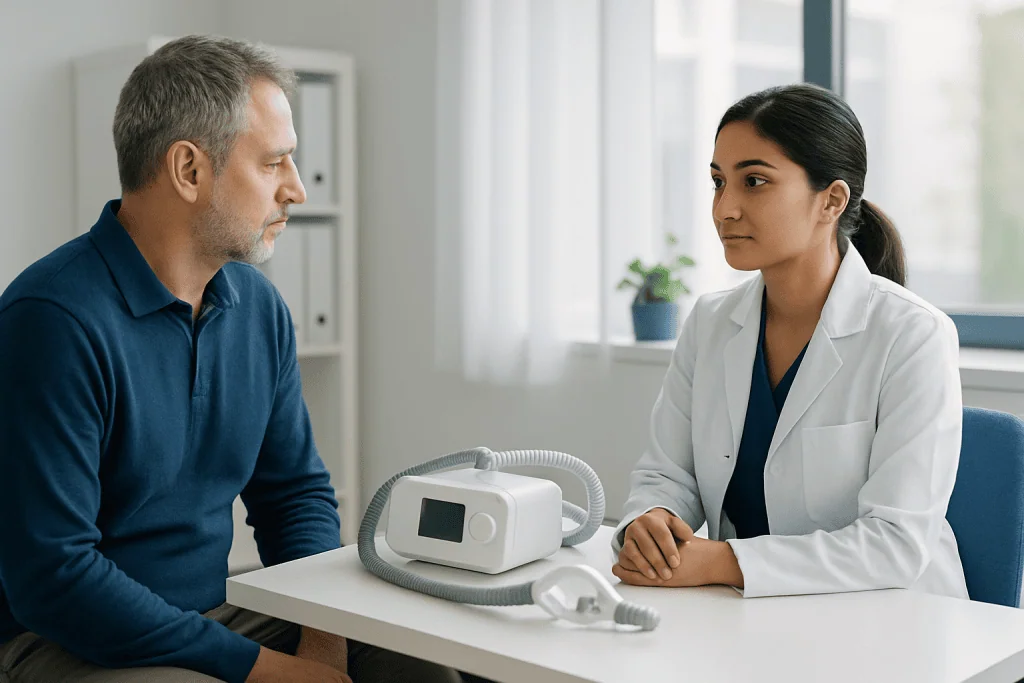
CPAP, APAP, and BiPAP all use airflow to support breathing during sleep, but they work differently. CPAP delivers one fixed pressure all night. APAP uses a pressure range and automatically increases or decreases support when airflow changes suggest partial blockage or airway collapse.
BiPAP, sometimes called bilevel positive airway pressure, provides one pressure when breathing in and a lower pressure when breathing out. This may be recommended for selected patients who need higher pressures, have certain lung or neuromuscular conditions, or have difficulty exhaling against continuous pressure. The best choice depends on the cause of symptoms and the pattern seen on testing.
Many patients ask whether APAP is “better” than CPAP. In practice, the answer depends on the person. APAP may improve comfort for some users because it does not always stay at a higher pressure, while CPAP remains a reliable and effective standard therapy for many others. The device settings should be chosen and monitored by a qualified sleep specialist rather than by trial and error at home.
- CPAP: one constant pressure throughout the night
- APAP: pressure automatically varies within a prescribed range
- BiPAP: separate pressures for inhalation and exhalation
How Doctors Diagnose Sleep Apnea Before Prescribing APAP
Diagnosis begins with a medical history and symptom review. The doctor may ask about snoring, witnessed breathing pauses, restless sleep, morning headaches, mood changes, concentration problems, and daytime sleepiness. A physical examination often looks at the nose, jaw, tongue, throat, neck circumference, and body weight because these factors can affect the airway.
Sleep testing is usually needed to confirm the diagnosis and assess severity. Depending on the situation, this may involve a home sleep apnea test or a laboratory-based overnight polysomnography study. These tests measure breathing patterns, oxygen levels, sleep stages, and the number of breathing interruptions. Results help determine whether positive airway pressure therapy is suitable and, if so, what settings may be needed.
Some patients need a broader evaluation before starting treatment, especially if they have heart failure, chronic lung disease, significant neurologic disease, or suspected central sleep apnea. In these situations, APAP may not be the first choice. Careful diagnosis is important because the most effective therapy depends on the underlying sleep-related breathing disorder, not only on the symptom of snoring.
What to Expect When Starting APAP Therapy
Starting APAP usually involves selecting a device, setting a prescribed pressure range, and choosing a mask that fits well. Masks may cover the nose, sit under the nostrils, or cover both the nose and mouth. Comfort matters because even an effective machine will not help if the mask leaks badly or feels too uncomfortable to wear consistently.
Many machines include features such as humidification, ramp settings that begin at a lower pressure, and built-in monitoring of usage and leak levels. During the first days or weeks, it is common to need small adjustments. Dry nose, nasal congestion, skin irritation, or a sensation of too much air can often be improved by changing mask style, adjusting humidity, treating nasal blockage, or reviewing the settings with the care team.
Follow-up is an important part of treatment success. Doctors may review symptom changes, machine data, and any side effects to see whether the therapy is controlling breathing events. For people who continue to have symptoms or cannot tolerate APAP despite troubleshooting, alternatives may include a different positive airway pressure mode, dental devices, positional therapy, weight management, or in selected cases sleep apnea surgery.
Benefits, Limitations, and Daily Self-care
When APAP is used regularly and correctly, many patients sleep more soundly and feel more alert during the day. Treatment may reduce snoring, improve concentration, and lessen morning headaches. It can also support long-term health by reducing the repeated nighttime stress caused by untreated airway obstruction.
At the same time, APAP has limitations. It does not cure the cause of sleep apnea, and benefits depend on consistent use. Some people find the mask uncomfortable at first, remove it during sleep, or notice that symptoms continue because of leaks, poor fit, untreated nasal obstruction, or settings that need review. These challenges are common and usually manageable with professional guidance.
Daily self-care can make a meaningful difference:
- Use the machine every time sleep is expected, including naps if advised.
- Clean the mask, tubing, and humidifier chamber as instructed by the manufacturer or care team.
- Replace worn cushions, filters, or tubing when recommended.
- Address nasal congestion, allergies, or dryness early, because these often affect comfort.
- Maintain healthy sleep habits, regular follow-up, and weight management if advised.
Some patients with anatomical blockage in the nose or throat may benefit from evaluation by ENT or sleep specialists. In selected cases, treatment for structural causes such as septoplasty may help improve nasal airflow and support PAP tolerance, though it does not replace a full sleep apnea assessment.
When to Seek Medical Care
Medical evaluation is important if a person has loud habitual snoring, choking or gasping during sleep, witnessed breathing pauses, unexplained daytime sleepiness, trouble staying asleep, or morning headaches. These symptoms may point to obstructive sleep apnea or another sleep-related breathing disorder that should be diagnosed properly rather than self-treated.
Anyone already using an APAP machine should contact a doctor if symptoms do not improve, if the mask causes persistent skin injury, if there is ongoing severe dryness or nosebleeds, or if the device feels impossible to tolerate despite adjustments. Review is also needed if the machine data suggest large leaks or if a bed partner still notices frequent breathing pauses.
Urgent medical care is appropriate for severe shortness of breath, chest pain, fainting, confusion, or sudden worsening in breathing during sleep or wakefulness. Near the end of the care pathway, some patients value coordinated review by sleep medicine, pulmonology, ENT, and related specialties. Acibadem International’s multidisciplinary specialists and JCI-accredited hospitals evaluate and treat sleep-related breathing disorders for international patients when advanced assessment is needed.
Frequently asked questions
What is an apap machine used for?
An apap machine is mainly used to treat obstructive sleep apnea by keeping the airway open during sleep. It automatically adjusts air pressure within a prescribed range based on the user’s breathing patterns.
Is APAP the same as CPAP?
No. CPAP provides one fixed pressure all night, while APAP automatically changes pressure as needed. Both are forms of positive airway pressure therapy, but one may suit a person better depending on symptoms, sleep test results, and comfort.
Do people need a sleep study before using an APAP machine?
In most cases, yes, a medical evaluation and some form of sleep testing are needed before treatment is prescribed. This helps confirm sleep apnea, measure its severity, and identify whether APAP is the right therapy.
Can an APAP machine stop snoring?
It often reduces or stops snoring when snoring is caused by obstructive sleep apnea or upper airway narrowing during sleep. However, not all snoring is due to sleep apnea, so the cause should be assessed by a clinician.
Why does an APAP machine feel uncomfortable at first?
Common early issues include mask leaks, dryness, a feeling of too much airflow, or trouble getting used to sleeping with equipment. These problems often improve with mask refitting, humidification, gradual acclimatization, and support from the prescribing team.
Can someone buy and use an APAP machine without seeing a doctor?
Self-starting treatment is not recommended. Snoring and poor sleep can have different causes, and incorrect settings or the wrong device may delay proper diagnosis and effective care.
References
- American Academy of Sleep Medicine
- National Heart, Lung, and Blood Institute
- National Institute of Neurological Disorders and Stroke
- American Thoracic Society
- Mayo Clinic
This article is for general information only and is not a substitute for professional medical advice. Please consult a qualified doctor about your individual situation.
Explore treatments in Turkey — costs, top hospitals & a free quote
JCI-accredited · board-certified surgeons · reply within 24h