Awake Brain Surgery: Why It Is Done and What Patients Experience

Awake brain surgery is often used when a brain lesion is close to areas that control speech, movement, or sensation. Patients do not usually feel pain in the brain itself, and anesthesia is carefully managed for comfort and safety.
Key Takeaways
- Awake brain surgery is often used when a brain lesion is close to areas that control speech, movement, or sensation.
- Patients do not usually feel pain in the brain itself, and anesthesia is carefully managed for comfort and safety.
- During the procedure, the surgical team may ask the patient to speak, count, or move a limb to help map brain function.
- This approach can improve surgical precision and reduce the risk of damage to critical brain areas.
- Recovery and aftercare depend on the reason for surgery, the area treated, and the patient's general health.
Awake brain surgery is a specialized neurosurgical procedure performed while the patient is awake for part of the operation so the team can monitor important brain functions in real time. It is used to help remove or treat brain conditions as safely as possible while protecting speech, movement, vision, and other essential abilities.
Overview
Awake brain surgery, also called an awake craniotomy, is a procedure in which a patient is awake for part of brain surgery. It may sound unusual at first, but it is a well-established technique used in carefully selected cases. The main goal is to help the neurosurgical team identify and protect areas of the brain responsible for essential functions such as speech, movement, sensation, memory, or vision.
During this type of surgery, the patient is not awake for every moment of the operation. In many cases, sedation is used for parts of the procedure, and the patient is gently awakened only when active testing is needed. The scalp is numbed with local anesthesia, and the anesthesia team closely monitors comfort, breathing, heart rate, and overall safety throughout the procedure.
Awake brain surgery is most often considered when the problem being treated is close to what doctors sometimes call “eloquent” brain areas, meaning regions that control important daily functions. By asking the patient to perform simple tasks during surgery, the team can map these functions in real time and make decisions that help preserve quality of life.
Why Awake Brain Surgery Is Done
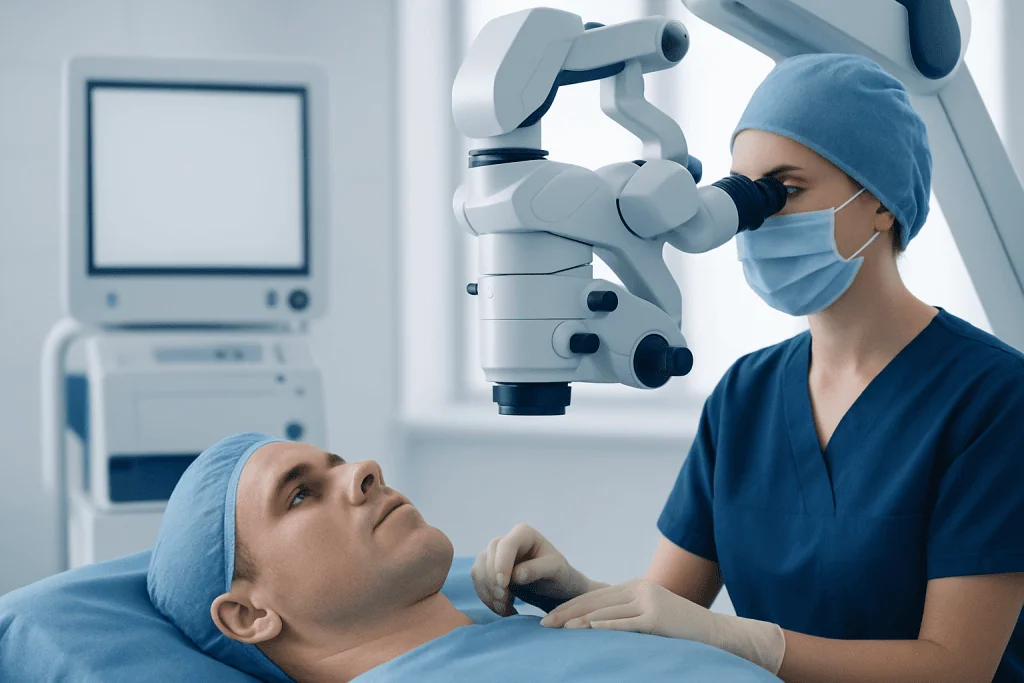
The most common reason for awake brain surgery is to treat a brain abnormality located near critical functional areas. This may include certain brain tumors, seizure-causing areas in people with epilepsy, or, less commonly, vascular abnormalities. In these situations, operating while the patient can respond allows the surgeon to remove or treat as much of the problem as possible while lowering the chance of harming nearby healthy tissue.
For example, if a lesion is near the part of the brain that controls language, the patient may be asked to name pictures, count, or answer simple questions. If the area is near the region responsible for movement, the patient may be asked to move a hand, foot, or face. These responses help the team identify where it is safest to operate and when they are approaching an area that should be preserved.
Awake techniques may be used in selected patients undergoing brain tumor surgery or surgery related to seizure control, including evaluation for epilepsy surgery. In some cases, the underlying condition may include a brain tumor or difficult-to-control epilepsy. The decision to use this approach depends on the patient’s condition, the location of the problem, and the judgment of the neurosurgical and anesthesia teams.
What Patients Experience During the Procedure
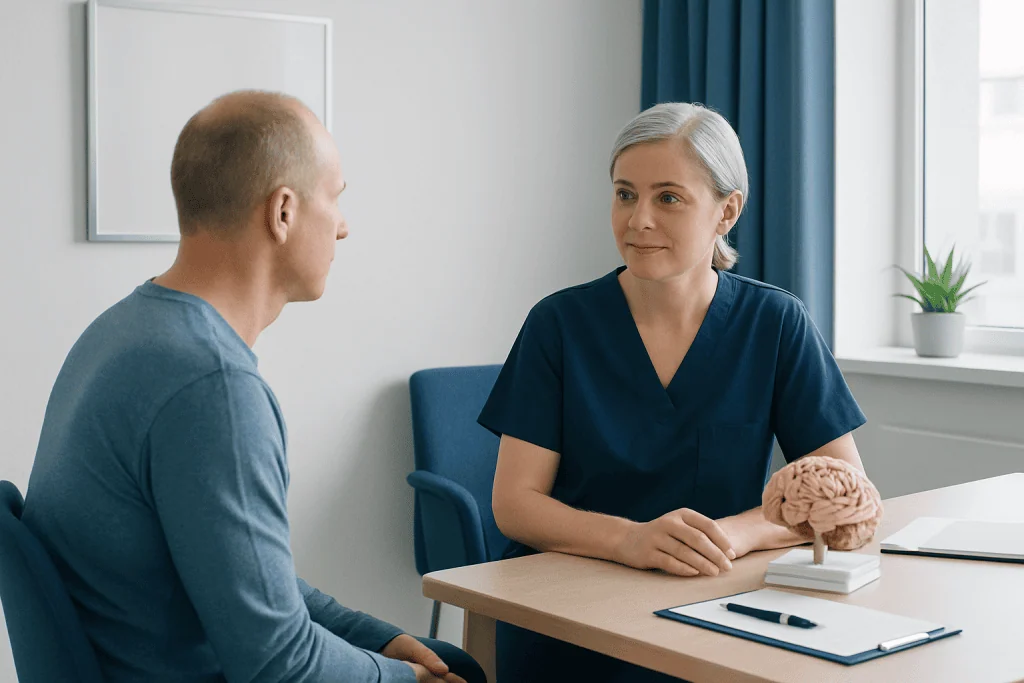
Patients are often most concerned about what awake brain surgery will feel like. Before surgery, the care team explains each step in detail so the patient knows what to expect. This preparation is important because calm, clear communication helps the procedure go more smoothly. Patients may also meet with anesthesia specialists, nurses, and sometimes speech or neuropsychology professionals before the operation.
On the day of surgery, monitoring equipment is attached, and medications are given to help the patient relax. The scalp is numbed thoroughly, so the patient should not feel pain from the incision. There is no pain sensation in the brain tissue itself. However, patients may notice pressure, vibration, sounds from instruments, or the sensation of being repositioned. The team talks to the patient regularly and can adjust medication if needed.
When the time comes for brain mapping, the patient is asked to stay engaged in simple tasks. Depending on the area being tested, this may include speaking, naming objects, reading, moving a limb, or identifying sensations. These tasks are short and structured. Many patients describe the experience as unusual but manageable because the team stays present and supportive throughout.
Not every patient is a good candidate for this approach. The team considers factors such as the person’s ability to cooperate, overall health, anxiety level, airway and breathing considerations, and the specific goals of surgery. If awake surgery is unlikely to be safe or helpful, other surgical strategies may be recommended instead.
Conditions Commonly Treated
Awake brain surgery is most commonly associated with tumors located near areas responsible for speech, motor control, or other highly important functions. In these cases, the technique may help the surgeon achieve a safer resection while preserving the patient’s ability to communicate and function independently. It can be especially useful when imaging alone does not fully show how close the lesion is to critical pathways.
Another important use is in selected epilepsy operations. When seizures arise from a part of the brain close to language or movement regions, awake mapping can help define which tissue is causing seizures and which tissue should be protected. This is one part of a broader decision-making process that may also involve EEG testing, brain imaging, and neuropsychological evaluation.
In some centers, awake methods may also be used for certain functional neurosurgical procedures or for lesions in delicate brain regions. Advanced planning may include MRI and other imaging studies, along with specialized tests that help the team understand the brain’s structure and function. The exact surgical plan is individualized, balancing treatment goals with preservation of daily abilities.
How Doctors Prepare and Make the Diagnosis
Awake brain surgery is not a diagnosis itself but a technique used after doctors identify a condition that may benefit from this approach. The evaluation usually starts with a detailed medical history, neurological examination, and imaging studies. MRI is commonly used to show the size and location of a lesion and its relationship to nearby brain structures. Additional scans or functional tests may be recommended depending on the problem being treated.
Preoperative planning is highly detailed. The team may use language testing, motor assessment, seizure evaluation, neuropsychological testing, and anesthesia review to decide whether the patient is a suitable candidate. The patient’s ability to understand instructions and cooperate during key parts of surgery is especially important. This planning helps reduce uncertainty and improves safety on the day of the procedure.
Patients are also given practical instructions about eating and drinking before surgery, regular medications, and what to bring to the hospital. They should discuss all medicines, supplements, allergies, and prior reactions to anesthesia with their doctors. Asking questions in advance can help patients feel more prepared and confident.
Benefits, Risks, and Treatment Outcomes
The main benefit of awake brain surgery is the ability to monitor vital brain functions in real time. This can help surgeons remove more of a lesion or treat the target area more precisely while lowering the risk of damaging tissue that controls speech, movement, or sensation. In selected patients, this may support better functional outcomes and daily independence after surgery.
Like all brain surgery, awake procedures also carry risks. These can include bleeding, infection, seizures, swelling, temporary or lasting neurological changes, and complications related to anesthesia. Some patients may feel tired, anxious, or uncomfortable during parts of the operation, although the team works carefully to minimize this. In rare cases, the surgical plan may need to change during the procedure if cooperation becomes difficult or if safety concerns arise.
Outcomes depend on many factors, including the reason for surgery, the exact brain region involved, the nature of the lesion, and the patient’s overall health. The surgeon will explain the expected benefits and limitations in each individual case. A balanced discussion of goals and risks helps patients and families make informed decisions.
Recovery, Self-Care, and When to See a Doctor
After surgery, patients are usually observed closely in a recovery unit or intensive care setting for a period determined by their medical needs. Doctors monitor alertness, speech, strength, pain control, and signs of swelling or bleeding. It is common to feel tired, have a headache, or experience mild discomfort around the incision. Some patients go home within a few days, while others need a longer hospital stay depending on the complexity of surgery and any neurological symptoms.
Recovery at home involves rest, medication as prescribed, wound care, and gradual return to daily activities. Follow-up visits are important to review pathology results if a tumor was removed, assess healing, and plan any additional treatment or rehabilitation. Some patients may need speech therapy, physical therapy, occupational therapy, or seizure follow-up as part of recovery. Driving, work, exercise, and travel should be resumed only when the treating team says it is safe.
Patients should contact a doctor promptly if they develop worsening headache, repeated vomiting, fever, increasing drowsiness, confusion, new weakness, seizures, speech trouble, drainage from the wound, or other sudden neurological changes. Ongoing concerns should never be ignored after brain surgery. If urgent symptoms appear, emergency evaluation is important.
For international patients seeking specialist evaluation, Acibadem International’s multidisciplinary teams in JCI-accredited hospitals diagnose and treat complex neurosurgical conditions, including cases where awake techniques may be considered. The most appropriate approach is always based on an individual assessment by qualified specialists.
Frequently asked questions
Is awake brain surgery painful?
The brain itself does not feel pain, and the scalp is numbed with local anesthesia. Patients may feel pressure, movement, or vibration, but the anesthesia team works carefully to keep them as comfortable as possible.
Why would a patient need to be awake during brain surgery?
A patient may be awake so the surgical team can test speech, movement, sensation, or other brain functions during the operation. This helps the surgeon avoid damaging important areas while treating the target problem.
Are patients awake for the entire operation?
Usually not. Many patients receive sedation for parts of the procedure and are awakened only when active testing is needed. The exact approach depends on the surgical plan and the patient's needs.
Who is a good candidate for awake brain surgery?
Good candidates are typically patients whose brain lesion is close to areas controlling key functions and who can cooperate during testing. Overall health, anxiety level, breathing considerations, and the goals of surgery also affect the decision.
What kinds of tasks are done during awake brain surgery?
Tasks are simple and depend on the part of the brain being mapped. A patient may be asked to count, name pictures, read words, answer questions, or move a hand, foot, or face.
How long does recovery take after awake brain surgery?
Recovery varies from person to person and depends on the reason for surgery and whether any neurological symptoms are present afterward. Some people recover quickly, while others need more time, follow-up treatment, or rehabilitation support.
References
- World Health Organization
- National Institute of Neurological Disorders and Stroke
- American Association of Neurological Surgeons
- National Cancer Institute
- Epilepsy Foundation
This article is for general information only and is not a substitute for professional medical advice. Please consult a qualified doctor about your individual situation.
Explore treatments in Turkey — costs, top hospitals & a free quote
JCI-accredited · board-certified surgeons · reply within 24h
Add us as a Preferred Source to see more of our trusted health content across Google Search, AI Overviews and Discover.
Check your numbers in seconds
BMI, calories, due date, blood pressure and 30+ more clinical calculators — free, instant, doctor-reviewed ranges.

Neurosurgery
Surgical treatment of the brain, spine and nervous system, including minimally invasive and functional procedures.
72 specialists in this unitMore from the Health Library



Related Specialists

Dt. Beyhan Kasapoğlu
Oral & Dental Health
Fzt. Perihan Yıldız
Physical Medicine and Rehabilitation
Prof. Dr. Mehmet Ziya Özüer
Otorhinolaryngology
Dr. Hasan İnsel
Internal Medicine