B Belly — Explained by Medical Evidence, Not Myths

B belly is a body-shape description, not a disease by itself. Common contributors include fat distribution, bloating, posture, and weakened abdominal muscles.
Key Takeaways
- B belly is a body-shape description, not a disease by itself.
- Common contributors include fat distribution, bloating, posture, and weakened abdominal muscles.
- A new, painful, rapidly enlarging, or one-sided abdominal change should be medically assessed.
- Evaluation may include a physical exam and, when needed, imaging or tests for digestive, gynecologic, or abdominal wall conditions.
- Management depends on the cause and may involve lifestyle changes, physiotherapy, or treatment of an underlying condition.
B belly is a descriptive term for an abdomen that appears divided into an upper and lower bulge. It is not a medical diagnosis, and it can be related to body fat distribution, bloating, posture, weakened abdominal muscles, pregnancy-related changes, or sometimes an underlying health condition.
What Is a B Belly?
B belly usually refers to an abdomen that looks like it has two rounded sections, with a groove or indentation across the middle. Many people notice this shape when looking in the mirror, sitting down, or wearing fitted clothing. The term is informal and commonly used online, but it is not a medical diagnosis.
In many cases, a B belly reflects how body fat is distributed across the upper and lower abdomen. It can also be influenced by temporary bloating, weakened abdominal muscles, posture, pregnancy-related changes, or previous abdominal surgery. The exact reason varies from person to person.
Medical evidence does not recognize B belly as a distinct disease. Instead, clinicians look at whether the appearance is due to normal body variation or whether there may be a specific issue affecting the abdominal wall, digestive system, or nearby organs. That distinction matters because treatment is guided by the cause, not by the shape alone.
Why a Belly Can Take This Shape
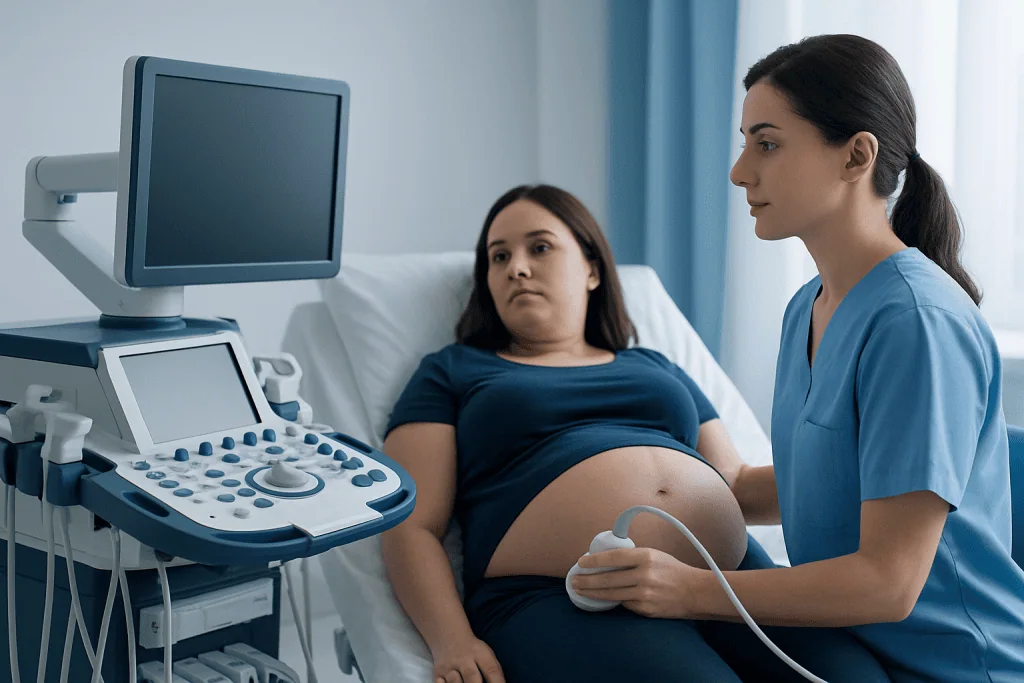
The abdomen is shaped by several layers, including skin, subcutaneous fat, abdominal muscles, internal organs, and intestinal contents. A horizontal crease or division can appear when these layers are distributed unevenly. This may become more noticeable with age, weight changes, pregnancy, reduced muscle tone, or long periods of sitting.
One common reason is the natural pattern of fat storage. Some people store more fat above and below the navel, while the area at the waistline looks relatively indented. Bloating can add to this effect by making either the upper or lower abdomen feel fuller at different times of day, especially after meals.
Changes in the abdominal wall can also play a role. For example, diastasis recti is a separation of the abdominal muscles that can occur after pregnancy or significant weight changes. Hernias may create a localized bulge, while posture and spinal alignment can change how the abdomen projects forward. In some cases, a gynecologic or digestive condition may make the lower abdomen appear more prominent.
Common Causes and Contributing Factors

Several non-serious factors can contribute to a B belly appearance. Weight gain and body fat distribution are among the most common. Genetics strongly influence where fat is stored, so two people with the same body weight may have different abdominal shapes. Hormonal changes, including those related to menopause, may also affect abdominal fat patterns.
Bloating is another frequent cause. Gas, constipation, food intolerance, and conditions such as irritable bowel syndrome can make the abdomen swell or feel uneven during the day. The abdomen may be flatter in the morning and more rounded by evening, which can make a B-shaped contour more noticeable.
Muscle and tissue changes also matter. Diastasis recti can weaken support across the midline of the abdomen, especially after pregnancy. Previous surgery, scarring, or reduced core strength may affect the abdominal contour as well. In some people, a ventral or umbilical hernia creates a focal bulge that changes the shape of the belly.
Less commonly, persistent abdominal enlargement may be linked to fluid buildup, an enlarged organ, uterine fibroids, ovarian cysts, or other medical issues. Those possibilities are less common than fat distribution or bloating, but they are important if the change is new, progressive, painful, or associated with other symptoms.
Symptoms That May Suggest More Than Body Shape
A B belly by itself may have no symptoms at all. Many people simply notice a change in contour. However, associated symptoms can help distinguish between a harmless body-shape variation and a condition that needs medical attention.
Symptoms that may point to bloating or digestive causes include abdominal fullness, gas, constipation, diarrhea, heartburn, or discomfort after eating. If the shape changes during the day or after certain foods, digestive factors are more likely. If there is a soft bulge that becomes more obvious when coughing or straining, an abdominal wall hernia may be considered.
Muscle separation may be suspected if the abdomen domes outward during sit-ups or when rising from bed. Pelvic pressure, menstrual changes, urinary symptoms, or lower abdominal heaviness may suggest a gynecologic cause. A rapidly enlarging abdomen, unexplained weight loss, severe pain, vomiting, fever, or blood in the stool needs prompt medical assessment.
- Common accompanying features: bloating, fullness, visible crease across the abdomen, posture-related prominence
- Possible warning signs: persistent pain, one-sided swelling, vomiting, fever, rectal bleeding, shortness of breath, or sudden size increase
How Doctors Evaluate a B Belly
Evaluation starts with a medical history and physical examination. A doctor will ask when the change began, whether it varies over the day, and whether there are symptoms such as pain, bowel changes, menstrual symptoms, or recent pregnancy. They may also ask about weight changes, exercise habits, prior operations, and family history.
The examination often includes checking the abdomen while lying down and standing up. The clinician may look for tenderness, localized bulges, signs of muscle separation, or a hernia. In women, if symptoms suggest a pelvic cause, gynecologic evaluation may be considered.
Further testing is only needed when the cause is not clear or if symptoms suggest an underlying condition. Depending on the situation, doctors may request blood tests, stool studies, or imaging such as an ultrasound, X-ray, or MRI scan. If digestive symptoms are prominent, a gastroenterology review or tests related to gastroesophageal reflux disease or bowel function may be helpful.
Treatment and Management Options
There is no single treatment for B belly because treatment depends on the underlying reason. If the shape reflects normal fat distribution, the focus is usually on overall health rather than trying to change one body area alone. Gradual weight management, regular physical activity, and sleep and stress support can help improve general abdominal health, even though spot reduction is not medically realistic.
When bloating is a major factor, management may include reviewing eating patterns, bowel habits, hydration, and possible food triggers. Some people benefit from treating constipation, adjusting fiber intake, or addressing digestive disorders under medical guidance. If reflux, chronic indigestion, or bowel symptoms are part of the picture, specific care for those conditions may be recommended.
If the cause is weakness of the abdominal wall, directed physiotherapy can be useful. Targeted core rehabilitation may help in cases of diastasis recti, especially after pregnancy, though the best plan should be individualized. If an abdominal wall defect or significant protrusion is found, doctors may discuss hernia repair or, in selected cases, abdominoplasty when clinically appropriate.
When a structural or organ-related problem is suspected, treatment is aimed at that condition. This can include management of digestive disease, assessment of pelvic conditions, or imaging-led follow-up. Near the end of the care pathway, patients who need specialist evaluation may be seen by multidisciplinary teams; Acibadem International’s JCI-accredited hospitals provide diagnosis and treatment for international patients with abdominal wall, digestive, and related conditions.
Self-care, Prevention, and Healthy Expectations
Many factors behind a B belly can be improved, but not all can be fully prevented. Body shape is influenced by genetics, age, hormonal changes, pregnancy history, and connective tissue characteristics. A healthy plan focuses on function and comfort, not only appearance.
Helpful self-care steps include regular movement, strengthening the core with proper technique, and avoiding extreme dieting or unproven “belly-flattening” products. Good bowel habits, adequate hydration, and attention to foods that trigger bloating may reduce day-to-day abdominal fullness. After pregnancy, a clinician or physiotherapist can advise on safe exercises if muscle separation is suspected.
It is also useful to set realistic expectations. A perfectly flat abdomen is not a medical standard of health. If the abdomen feels soft, painless, and stable over time, it may simply reflect natural anatomy. Any plan to change body shape should be safe, gradual, and guided by qualified professionals when needed.
When to Seek Medical Care
Medical review is advisable if a B belly appearance is new, becoming more pronounced, or associated with symptoms. A doctor should assess persistent bloating, abdominal pain, constipation that does not improve, menstrual changes, pelvic pressure, or a visible bulge that worsens with coughing or lifting.
Prompt medical care is especially important if there is severe pain, vomiting, fever, blood in the stool, fainting, rapid abdominal enlargement, or a hard and tender abdominal mass. These features do not mean something serious is definitely present, but they should not be ignored.
If the appearance causes concern even without severe symptoms, a routine medical visit can provide reassurance and help identify the cause. Early assessment is often the best way to distinguish normal body variation from conditions that may benefit from treatment.
Frequently asked questions
Is B belly a real medical condition?
B belly is not a formal medical diagnosis. It is an informal description of an abdomen that appears divided into an upper and lower bulge. Doctors look for the underlying reason, such as fat distribution, bloating, muscle separation, or another condition.
Can bloating cause a B belly?
Yes, bloating can make a B belly appearance more noticeable. Gas, constipation, food intolerance, and digestive conditions can change abdominal fullness during the day. If bloating is frequent, painful, or long-lasting, medical advice is sensible.
Is B belly related to diastasis recti?
Sometimes it can be. Diastasis recti is a separation of the abdominal muscles that may change the shape and support of the abdomen, especially after pregnancy. A doctor or physiotherapist can examine the abdominal wall and advise on the best next steps.
Does a B belly mean someone is overweight?
Not necessarily. People of different body sizes can have a B-shaped abdomen because genetics, posture, muscle tone, and bloating all affect body contour. Weight may contribute in some cases, but it is not the only explanation.
Can exercise get rid of a B belly?
Exercise may improve posture, core strength, and overall body composition, which can help in some people. However, there is no guaranteed way to target one belly shape alone. The best approach depends on whether the main issue is fat distribution, bloating, muscle separation, or another cause.
When should someone worry about a change in belly shape?
Medical assessment is important if the change is sudden, rapidly progressive, painful, one-sided, or accompanied by vomiting, fever, bowel changes, bleeding, or unexplained weight loss. Those features can point to an issue beyond normal body shape. A routine evaluation is also reasonable if the change is persistent or concerning.
References
- National Institute of Diabetes and Digestive and Kidney Diseases
- American College of Obstetricians and Gynecologists
- National Health Service
- Mayo Clinic
- Cleveland Clinic
This article is for general information only and is not a substitute for professional medical advice. Please consult a qualified doctor about your individual situation.
Medical weight-loss options in Turkey — costs & eligibility
JCI-accredited · board-certified surgeons · reply within 24h
Check your numbers in seconds
BMI, calories, due date, blood pressure and 30+ more clinical calculators — free, instant, doctor-reviewed ranges.