Bike Health: An Evidence-Based Guide for Patients
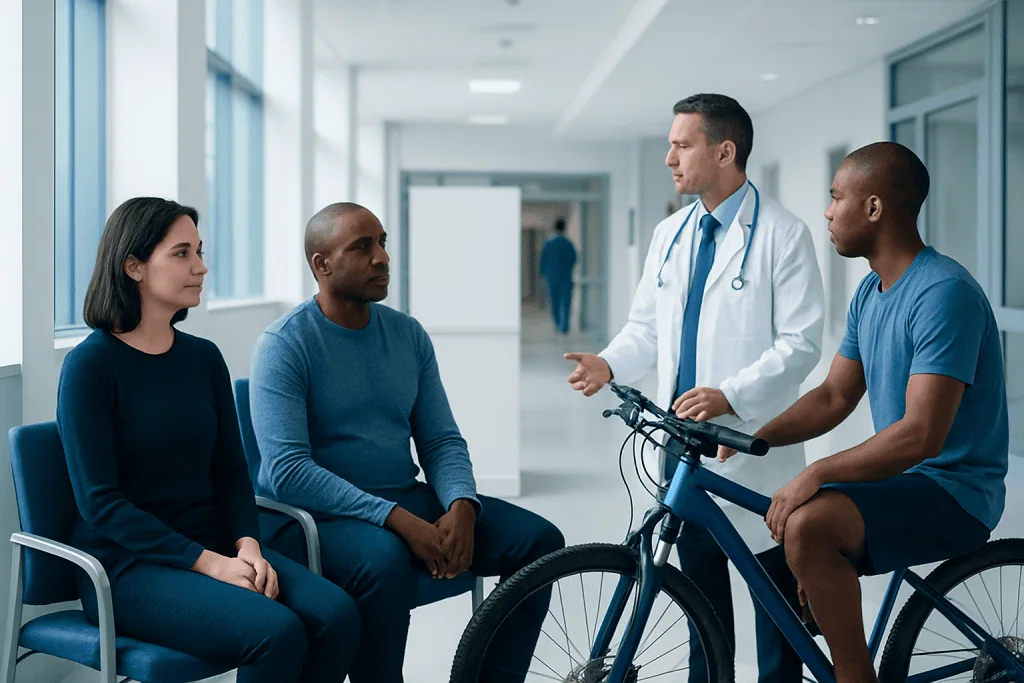
Bike health includes both the benefits of cycling and the habits that reduce strain or overuse injuries. A properly fitted bicycle can lower the risk of knee, back, neck, hand, and saddle-related discomfort.
Key Takeaways
- Bike health includes both the benefits of cycling and the habits that reduce strain or overuse injuries.
- A properly fitted bicycle can lower the risk of knee, back, neck, hand, and saddle-related discomfort.
- Gradual increases in distance or intensity are safer than sudden training jumps.
- Protective gear, hydration, and recovery are important parts of healthy cycling.
- Persistent pain, numbness, breathing difficulty, or symptoms after a crash should be assessed by a clinician.
Bike health refers to the relationship between cycling, physical well-being, and injury prevention. When approached with proper bike fit, sensible training, and attention to warning signs, cycling can support heart health, joint-friendly exercise, mental well-being, and everyday fitness.
What bike health means
Bike health is the idea that cycling can improve physical and mental well-being when it is done with attention to safety, body mechanics, and recovery. For many people, riding a bicycle is an accessible form of aerobic exercise that supports cardiovascular fitness, stamina, and daily movement without the repeated impact of activities such as running.
The term also includes prevention. Good bike health is not only about riding more, but about riding in a way that suits the individual’s age, fitness level, goals, and medical background. This means paying attention to bike fit, posture, training load, road safety, and early signs of overuse.
Unlike articles that focus only on performance or calories burned, a patient-centered view of bike health looks at the whole picture: benefits, common physical complaints, practical adjustments, and the right time to seek medical advice. This helps people continue cycling comfortably and safely over the long term.
How cycling supports overall health
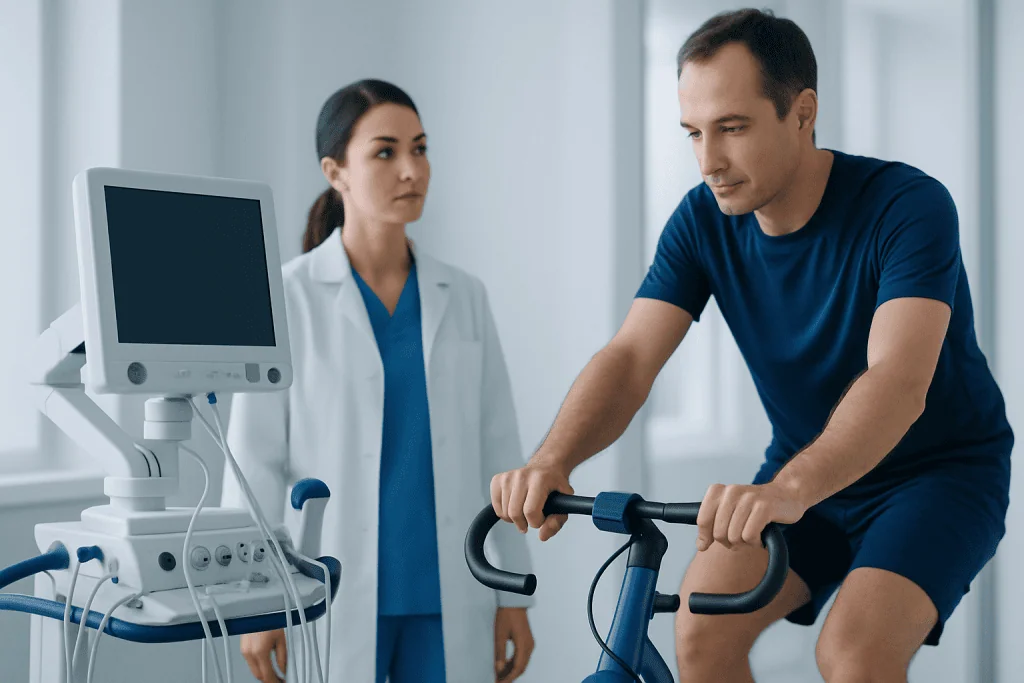
Regular cycling can be an effective way to meet general exercise recommendations. As an aerobic activity, it helps strengthen the heart and lungs, improve circulation, and support healthy blood pressure and cholesterol patterns as part of an overall healthy lifestyle. For some people, cycling may also help with weight management when combined with balanced nutrition and consistent activity habits.
Because cycling is lower impact than many sports, it can be easier on the hips, knees, and ankles for some individuals. This makes it appealing for people who want regular exercise but experience discomfort with high-impact movement. It can also be a practical form of transportation, which may make physical activity easier to maintain in everyday life.
Bike health also includes mental well-being. Many people find that cycling helps reduce stress, supports mood, and improves sleep quality. Outdoor riding may add the benefits of time in nature and routine movement, while indoor cycling can provide a controlled option during bad weather or recovery from certain minor strains.
Still, the benefits are greatest when cycling is tailored to the individual. A person with known heart disease, lung conditions, balance concerns, or significant joint problems may need advice from a clinician before starting or intensifying a cycling routine.
Common cycling-related problems and symptoms

Most cycling complaints are not emergencies, but they can affect comfort and make riding harder to sustain. Common concerns include knee pain, lower back pain, neck tension, wrist or hand numbness, saddle soreness, and foot discomfort. These symptoms are often linked to repetitive movement, poor positioning, sudden training increases, or unsuitable equipment.
Knee pain may occur when the saddle height is too low or too high, the pedal position is inefficient, or training volume increases too quickly. Neck and shoulder tightness can develop when the reach to the handlebars is too long or posture is strained for long periods. Hand numbness may happen when too much body weight is placed through the wrists, especially on longer rides.
Saddle-related symptoms can include skin irritation, pressure discomfort, and numbness in the groin or pelvic area. Back pain may reflect core weakness, limited flexibility, poor riding posture, or a mismatch between the rider and the bike setup. If symptoms continue despite simple adjustments, an assessment may be needed to look for issues such as a herniated disc or another musculoskeletal problem.
- Warning symptoms include persistent pain lasting more than a few days
- Numbness, tingling, or weakness in the arms, hands, legs, or feet
- Joint swelling or a feeling that the joint is unstable
- Shortness of breath, chest discomfort, or dizziness during riding
- Symptoms after a fall, collision, or handlebar injury
Why injuries happen: causes and risk factors
Many bike-related problems develop from a combination of repetitive motion and preventable setup issues. The body performs the same pedaling pattern many times during a ride, so even a small mismatch in saddle height, handlebar reach, cleat position, or frame size can create repeated stress. Over time, this may affect the knees, hips, lower back, neck, or hands.
Training errors are another common factor. Riding longer or harder too quickly can overload muscles and connective tissues before they have adapted. Skipping rest days, returning too fast after illness or injury, or combining cycling with other demanding exercise can increase the likelihood of pain and fatigue.
Personal factors also matter. Limited flexibility, poor core strength, previous injuries, foot mechanics, arthritis, and age-related changes can affect comfort on the bike. People with obesity, diabetes, circulation problems, or nerve conditions may need extra attention to pressure points, skin care, and footwear. In some cases, persistent pain is not only a bike-fit issue but a sign of an underlying orthopedic or neurological condition.
Environmental risks should not be overlooked. Uneven roads, poor lighting, traffic exposure, extreme heat, and dehydration can all affect bike health. For riders with severe joint damage or ongoing structural problems, specialist care such as orthopedic rehabilitation may be part of a safe return to activity plan.
Bike fit, training habits, and self-care
One of the most effective ways to protect bike health is to make sure the bicycle fits the rider. This includes the right frame size, saddle height, saddle position, and handlebar setup. A well-fitted bike allows efficient pedaling while reducing unnecessary strain on the knees, back, neck, and hands. Small changes can make a meaningful difference, so adjustments should be made thoughtfully rather than all at once.
Training should build gradually. Increasing distance, speed, hills, or indoor cycling resistance too quickly can trigger overuse symptoms. A practical approach is to progress in small steps, include easier days, and allow time for recovery. Warming up before harder efforts and cooling down afterward may also improve comfort.
Self-care habits support healthier riding. These include hydration, suitable clothing, padded shorts if helpful, hand position changes on longer rides, and basic strength and mobility work away from the bike. Core, hip, and glute strength can help posture and pedaling control, while flexibility work may reduce tightness in the hamstrings, hips, chest, and shoulders.
- Check tire pressure, brakes, and lights before riding
- Wear a properly fitted helmet
- Use reflective gear and visible lighting in low light
- Adjust the saddle and handlebars if pain develops
- Take breaks on longer rides to change position and reduce pressure
How doctors assess cycling-related pain or problems
When symptoms do not settle with rest and basic adjustments, a medical assessment can help identify the cause. A clinician will usually ask about the location of pain, when it started, riding habits, recent changes in intensity, crash history, footwear, and bike setup. They may also ask about previous injuries, arthritis, nerve symptoms, or other medical conditions that could affect exercise tolerance.
The physical examination may include posture, spinal movement, hip and knee alignment, muscle strength, flexibility, joint tenderness, and nerve function. In many cases, this information is enough to identify a likely overuse problem. If there is concern about a structural injury, imaging or specialist evaluation may be recommended.
Depending on the symptoms, the person may be referred to orthopedics, sports medicine, neurology, cardiology, or rehabilitation specialists. Persistent knee, hip, or back symptoms may benefit from physical therapy and rehabilitation to improve mobility, strength, and movement patterns. If a fall causes significant pain, swelling, or inability to bear weight, urgent assessment is more appropriate than continued self-management.
Treatment options and returning to cycling
Treatment depends on the source of the problem. Mild overuse symptoms often improve with temporary reduction in riding volume, bike-fit correction, simple pain relief recommended by a clinician, stretching, and guided strengthening. The goal is usually not to stop cycling forever, but to reduce aggravating factors while the affected area recovers.
For persistent problems, structured rehabilitation may help address the root cause. This can include muscle strengthening, flexibility work, posture retraining, gait and movement assessment, and education on pacing activity. If there is significant joint degeneration, inflammation, or a soft-tissue injury, a specialist may discuss additional options based on the diagnosis.
Returning to cycling is usually gradual. Starting with shorter, easier rides on flat terrain or a stationary bike may be more comfortable than returning straight to long or intense sessions. Pain should not steadily worsen during or after exercise. If it does, the plan may need to be adjusted.
When symptoms are linked to advanced joint damage, spine disorders, or injuries from a crash, more specialized treatment may be needed. In selected cases, people may require knee replacement or another procedure before they can return to comfortable activity. Near the end of the care journey, some patients seek support from centers such as Acibadem International, where multidisciplinary specialists in JCI-accredited hospitals evaluate and treat international patients.
When to seek medical care
Medical advice is sensible when cycling discomfort is persistent, recurrent, or severe enough to limit normal movement. Pain that lasts more than a few days despite rest and simple adjustments deserves attention, especially if it affects sleep, walking, or daily activities. Repeated numbness, tingling, or weakness should not be ignored.
Urgent medical care is important after a crash if there is head injury, loss of consciousness, severe bleeding, chest pain, shortness of breath, major swelling, visible deformity, or inability to move a limb normally. New chest pressure, marked dizziness, or unusual breathlessness during exercise also requires prompt assessment, particularly in older adults or those with cardiovascular risk factors.
People with chronic conditions such as diabetes, known heart disease, severe arthritis, or recent surgery may benefit from individualized guidance before starting a new cycling program. Early advice can often prevent small problems from becoming bigger barriers to staying active.
Frequently asked questions
Is cycling good for overall health?
Yes. Cycling can support cardiovascular fitness, endurance, mood, and daily physical activity, and it is often easier on the joints than higher-impact exercise. The greatest benefits come from regular, moderate activity paired with safe technique and a properly fitted bicycle.
Why do cyclists often get knee pain?
Knee pain is commonly linked to overuse, sudden increases in training, or a bike that does not fit well. Saddle height, pedal mechanics, muscle strength, and flexibility can all contribute. If pain persists or the knee swells, a clinician should assess it.
Can cycling cause back or neck pain?
It can, especially if the riding position places too much strain on the spine, shoulders, or core muscles. A long reach to the handlebars, limited flexibility, and weak trunk support may contribute. Many cases improve with bike-fit changes, conditioning, and guided rehabilitation.
How can someone improve bike health and prevent injury?
Helpful steps include choosing a properly sized bike, adjusting saddle and handlebar position, increasing training gradually, and taking recovery seriously. Wearing a helmet, staying hydrated, and doing off-bike strength and mobility work can also reduce risk.
Is cycling safe for people with joint problems?
For many people, cycling is a joint-friendlier option because it is lower impact than running or jumping sports. However, comfort depends on the underlying condition, the bike setup, and the intensity of riding. Anyone with significant arthritis or pain should ask a doctor or physical therapist for personalized advice.
When should numbness during cycling be checked by a doctor?
Brief pressure-related numbness may improve with position changes, but repeated or persistent numbness should be assessed. This is especially important if it affects the hands, feet, or groin, or if it is accompanied by weakness or back pain. Ongoing symptoms can signal nerve irritation or poor pressure distribution.
References
- World Health Organization
- American College of Sports Medicine
- Centers for Disease Control and Prevention
- National Institute for Health and Care Excellence
- American Academy of Orthopaedic Surgeons
This article is for general information only and is not a substitute for professional medical advice. Please consult a qualified doctor about your individual situation.
Joint and spine care in Turkey — expert assessment & treatment
JCI-accredited · board-certified surgeons · reply within 24h
Check your numbers in seconds
BMI, calories, due date, blood pressure and 30+ more clinical calculators — free, instant, doctor-reviewed ranges.