Brian Surgery: Procedure, Recovery and Results

Brain surgery is not one operation; it includes several procedures chosen for specific brain conditions. Careful imaging, neurological assessment and multidisciplinary planning help determine whether surgery is appropriate.
Key Takeaways
- Brain surgery is not one operation; it includes several procedures chosen for specific brain conditions.
- Careful imaging, neurological assessment and multidisciplinary planning help determine whether surgery is appropriate.
- Hospital recovery may range from a short stay to longer monitoring and rehabilitation, depending on the procedure and condition.
- Pain is usually managed with medicines, while symptoms such as fatigue, headaches and temporary neurological changes may occur during recovery.
- Successful outcomes can include diagnosis, symptom relief, preservation of function or treatment of a condition, but results vary by individual.
Brian surgery is commonly intended as brain surgery: a group of neurosurgical procedures used to diagnose, remove, repair or relieve pressure from conditions affecting the brain. The exact procedure, recovery period and likely results depend on the reason for surgery, the brain area involved and the person’s overall health.
Overview: What Is Brian Surgery?
The term “brian surgery” is usually a misspelling of brain surgery, also known as neurosurgery. It describes operations performed on the brain and nearby structures to treat a wide range of conditions, including tumors, bleeding, abnormal blood vessels, fluid buildup, infection, epilepsy and some movement disorders. In some cases, surgery is performed to obtain a tissue sample and confirm a diagnosis rather than to remove a condition completely.
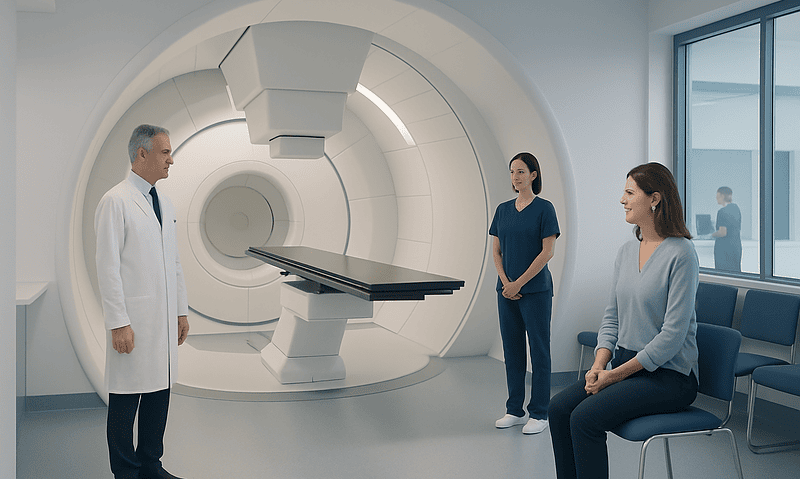
Brain surgery is planned individually. A neurosurgeon considers the person’s symptoms, scans, general health, goals of care and the likely effect of operating near areas that control movement, language, memory, vision or sensation. Modern imaging, navigation systems, operating microscopes and specialized monitoring can help the surgical team work as precisely as possible.
The aim may be to remove or reduce a lesion, stop bleeding, lower pressure inside the skull, repair a blood vessel problem, place a device or improve symptoms. Some people benefit from surgery as the main treatment, while others need a combination of surgery, medicines, radiation therapy, rehabilitation or ongoing monitoring.
How Brain Surgery Works and Who May Be a Candidate
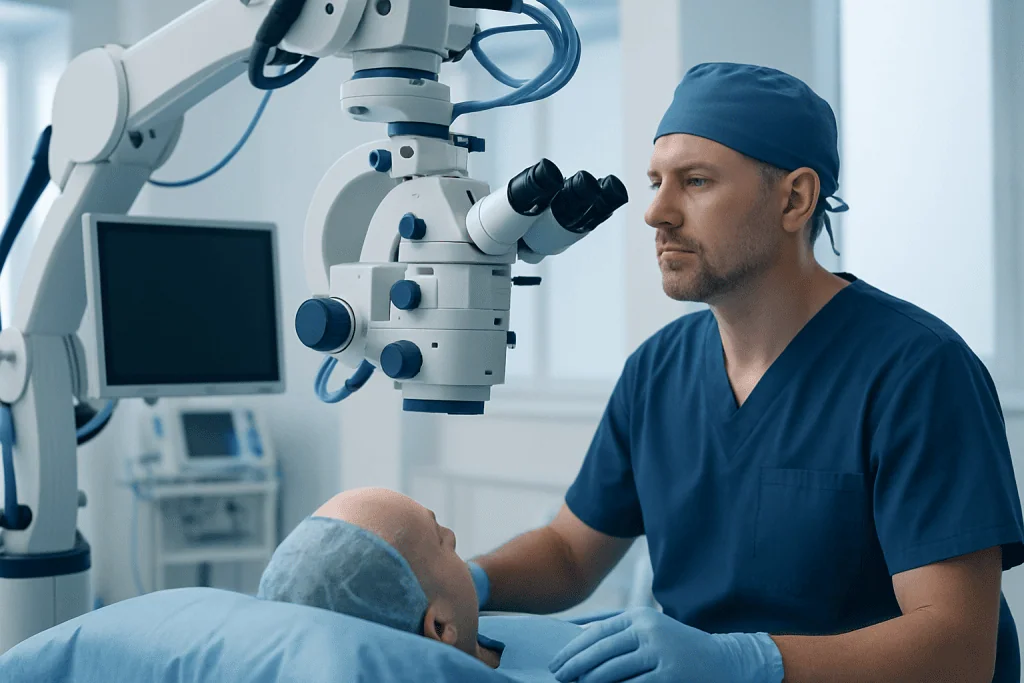
Brain surgery works by giving the surgical team direct access to a specific area of the brain or its blood vessels. The approach may involve a craniotomy, in which a temporary opening is made in the skull, or a smaller minimally invasive route using an endoscope, catheter or focused technology. The method depends on the location and nature of the problem.
A person may be considered for surgery when a condition is causing significant symptoms, poses a risk of worsening, cannot be managed adequately with non-surgical treatment, or needs a definitive diagnosis. Examples include certain brain tumors, aneurysms, arteriovenous malformations, hydrocephalus, some forms of epilepsy and bleeding around or within the brain.
Before recommending surgery, the team weighs expected benefits against possible risks. Candidacy can be influenced by the condition’s size and position, whether it is growing or bleeding, the person’s neurological function, age, other medical conditions and preferences. A second opinion may be helpful when the decision is complex.
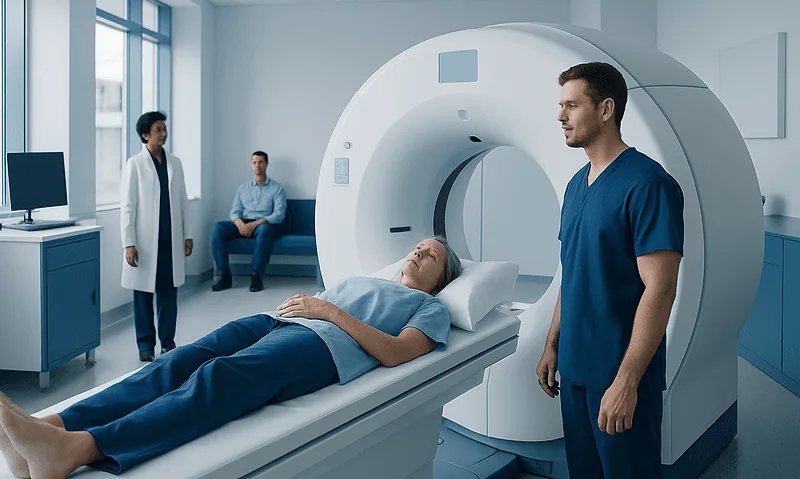
- Brain imaging may include MRI, CT, angiography or functional MRI.
- Testing may assess speech, memory, movement, vision, balance or seizure activity.
- Blood tests, anesthesia assessment and medication review support safe planning.
- The team may discuss alternatives such as observation, medicines, radiation or endovascular treatment.
Step by Step: What Happens During the Procedure
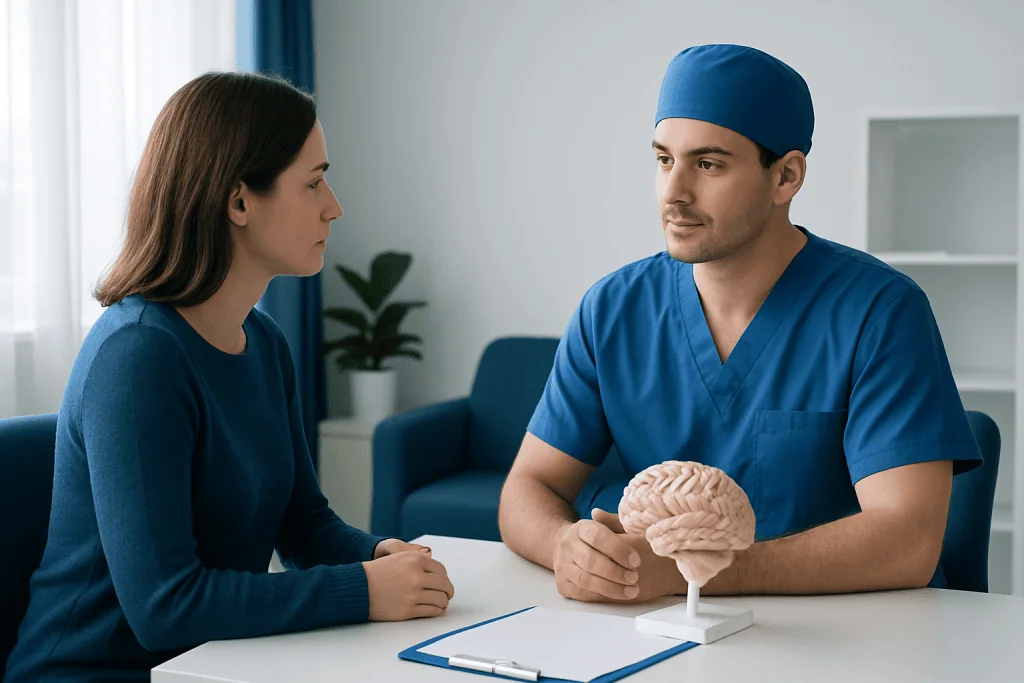
Preparation begins before the day of surgery. The patient receives instructions about fasting, regular medicines and medicines that may need to be paused, such as certain blood thinners. On the day, an anesthesiologist reviews the plan. Most brain operations are performed under general anesthesia, although selected procedures may involve an awake phase so the team can monitor language or movement safely.
For a craniotomy, the scalp is prepared and an incision is made. The surgeon creates an opening in the skull, accesses the targeted area and performs the planned treatment, such as removing a tumor, clipping an aneurysm, draining blood, relieving pressure or taking a biopsy. Advanced imaging guidance and neurological monitoring may be used throughout. The bone is typically secured back in place before the scalp is closed.
Other procedures do not always require a traditional craniotomy. For example, some blood vessel conditions can be treated through a catheter inserted into an artery, while certain fluid disorders may require placement of a shunt. The specific method should be explained clearly before surgery, including why it is recommended and what alternatives are reasonable.
After the operation, patients are transferred to a recovery area or intensive care unit for close observation. Staff regularly check alertness, pupils, speech, strength, blood pressure, pain and the surgical wound. Follow-up imaging may be performed soon after surgery to assess the result.
Benefits, Risks and Expected Results
The potential benefits of brain surgery depend on the underlying condition. Surgery may help remove or reduce a tumor, prevent further bleeding, relieve pressure, improve seizure control, protect brain function, reduce symptoms or provide information needed to guide further treatment. In urgent situations, it can be lifesaving.
All brain operations carry risks, although the nature and likelihood vary greatly. Possible complications include bleeding, infection, blood clots, seizures, swelling, cerebrospinal fluid leakage, stroke, wound problems and reactions to anesthesia. Depending on the part of the brain involved, there may also be temporary or lasting changes in speech, movement, sensation, balance, vision, thinking, mood or memory.
It is not possible to give one meaningful brain surgery recovery percentage or success rate for every patient. A procedure may be considered successful for different reasons: safely obtaining a diagnosis, completely removing a lesion, reducing symptoms, preventing a serious complication or improving quality of life. The surgeon can discuss outcomes most relevant to the individual diagnosis and explain uncertainties honestly.
Patients should ask what the operation is expected to achieve, which symptoms it may or may not improve, what risks are most relevant in their case and how results will be evaluated after treatment. This supports informed decisions and realistic expectations.
Brain Surgery Recovery Timeline and Activities
The brain surgery recovery period differs substantially between individuals. The brain surgery recovery time in hospital can be a few days after an uncomplicated procedure, but it may be longer when intensive monitoring, complications, extensive surgery or rehabilitation is needed. Some people first spend one or more nights in an intensive care setting before moving to a regular ward.
During the first days, common experiences can include tiredness, headache, swelling around the face or eyes, nausea, sleep changes and reduced concentration. The team encourages gradual movement when safe and may involve physiotherapists, occupational therapists, speech and language therapists, neuropsychologists or rehabilitation physicians. A temporary need for help with walking, self-care, communication or swallowing does not necessarily predict the long-term outcome.
A broad brain surgery recovery timeline often includes several weeks of wound healing and gradual improvement in stamina, followed by further recovery over months. Follow-up appointments assess healing, symptoms, scan findings and the need for additional treatment. Recovery may be longer when surgery affects a critical brain area or treats a serious neurological condition.
Brain surgery recovery activities should begin gradually and follow the care team’s instructions. Short walks, rest periods, nutritious meals, prescribed exercises and avoiding alcohol or driving until cleared may be appropriate. Heavy lifting, strenuous exercise, contact sports, swimming before the wound has healed and returning to work should be discussed with the surgical team rather than assumed safe at a fixed time.
How Painful Is Recovery From Brain Surgery?
Recovery from brain surgery can be uncomfortable, but pain is usually manageable with an individualized plan. The brain tissue itself does not sense pain in the same way as skin and muscles; discomfort often comes from the scalp incision, head positioning, muscle tension, swelling and headache after the procedure.
Pain is typically assessed regularly in hospital, and clinicians may use a combination of pain-relieving medicines while also monitoring alertness and neurological signs. It is important for patients to report pain, nausea or new symptoms rather than trying to tolerate them silently. The care team can adjust treatment safely.
Headaches and tenderness should generally improve over time, although fatigue may persist longer. Severe or suddenly worsening headache, repeated vomiting, fever, increasing drowsiness, confusion, seizure activity, weakness, drainage from the wound or redness and swelling around the incision should be reported urgently.
Are You Ever the Same After Brain Surgery?
Many people return to familiar routines and feel like themselves again after brain surgery, especially when the operation is uncomplicated and the treated area does not affect key neurological functions. However, recovery is personal, and some changes may be temporary while the brain and body heal.
Changes can include fatigue, slower thinking, altered sleep, emotional sensitivity, headaches or difficulty concentrating. If surgery is close to areas responsible for speech, memory, personality, movement or vision, rehabilitation and time may be needed. Some effects may persist, particularly when they were present before surgery or are related to the underlying disease.
Support from rehabilitation professionals, family, employers and mental health services can make adjustment easier. Patients should tell their clinician about persistent low mood, anxiety, personality changes or cognitive difficulties, as these are valid health concerns and may respond to targeted support.
Can a Person Live a Normal Life After Brain Surgery?
Yes, many people can live an active and fulfilling life after brain surgery. What “normal” looks like may vary: some return to work, education, exercise, travel and independent daily activities, while others adapt routines or require ongoing treatment and rehabilitation.
Long-term outlook is shaped mainly by the reason for surgery, the location of the treated area, whether neurological symptoms were present beforehand and the need for treatments such as anti-seizure medication, radiotherapy or further procedures. Follow-up care is important even when a person feels well, because it helps detect recurrence, healing concerns or treatment effects early.
A phased return to responsibilities is often safer than trying to resume everything immediately. The treating team can advise about driving, work tasks, air travel, exercise, sexual activity and other everyday concerns according to the diagnosis and recovery progress.
Is Brain Surgery Usually Successful?
Brain surgery can be highly effective when it is recommended for the right reason and carefully planned, but it is not possible to describe all brain surgery as “usually successful” in one simple way. Procedures range from relatively focused operations to complex treatment for life-threatening disease, so the expected result varies.
For some patients, success means complete removal or repair. For others, it means reducing risk, controlling symptoms, confirming a diagnosis or making other treatments more effective. The medical team should explain the planned goal, the chance of achieving it, possible need for additional treatment and the factors that may affect recovery.
At Acibadem International, multidisciplinary specialists in JCI-accredited hospitals assess and treat neurological conditions for international patients, coordinating neurosurgery, imaging, oncology, neurology and rehabilitation when needed. Patients considering surgery should seek a detailed consultation with a qualified neurosurgeon and bring all available imaging and medical records.
Frequently asked questions
How long does recovery take after brain surgery?
Initial recovery in hospital may take several days or longer, depending on the type of surgery and the person’s condition. Wound healing and improvement in energy often continue for weeks, while neurological recovery and rehabilitation may continue for months. The surgeon can provide a more individualized estimate after reviewing the procedure and recovery progress.
How long do patients stay in hospital after brain surgery?
The length of stay varies from a short admission after some planned procedures to a longer stay when intensive care, monitoring or rehabilitation is required. Factors include the reason for surgery, the complexity of the operation, symptoms after surgery and any medical complications. Discharge occurs when the patient is medically stable and has an appropriate support plan.
Will hair grow back after brain surgery?
Hair near the incision may be shaved or trimmed for surgery, and it commonly grows back over time. A scar remains, but its appearance often changes as it heals. The surgical team can explain incision placement and scar care instructions.
Can brain surgery change personality or memory?
It can, particularly if the underlying condition or the surgical area involves networks related to memory, behavior, language or emotion. Some changes are temporary and improve with healing, rest and rehabilitation, while others may need longer-term support. New or concerning cognitive or emotional changes should be discussed with the care team.
When can someone drive after brain surgery?
Driving should only resume when the treating clinician says it is safe. Restrictions can depend on recovery, vision, strength, thinking skills, medications and whether seizures have occurred. Local laws may also set specific requirements after certain neurological conditions or procedures.
When should a person seek medical care after brain surgery?
Urgent medical assessment is needed for worsening severe headache, fever, repeated vomiting, new confusion, fainting, seizures, weakness, speech difficulty, vision changes or increasing sleepiness. Redness, swelling, opening of the wound or fluid leakage from the incision should also be reported promptly. When in doubt, patients should contact their surgical team or seek emergency care.
References
- National Institute of Neurological Disorders and Stroke
- American Association of Neurological Surgeons
- Mayo Clinic
- National Health Service
- World Health Organization
This article is for general information only and is not a substitute for professional medical advice. Please consult a qualified doctor about your individual situation.
Explore treatments in Turkey — costs, top hospitals & a free quote
JCI-accredited · board-certified surgeons · reply within 24h
Add us as a Preferred Source to see more of our trusted health content across Google Search, AI Overviews and Discover.
Check your numbers in seconds
BMI, calories, due date, blood pressure and 30+ more clinical calculators — free, instant, doctor-reviewed ranges.