Butterscotch Hard Candy Before Colonoscopy: Preparation, Procedure and Results
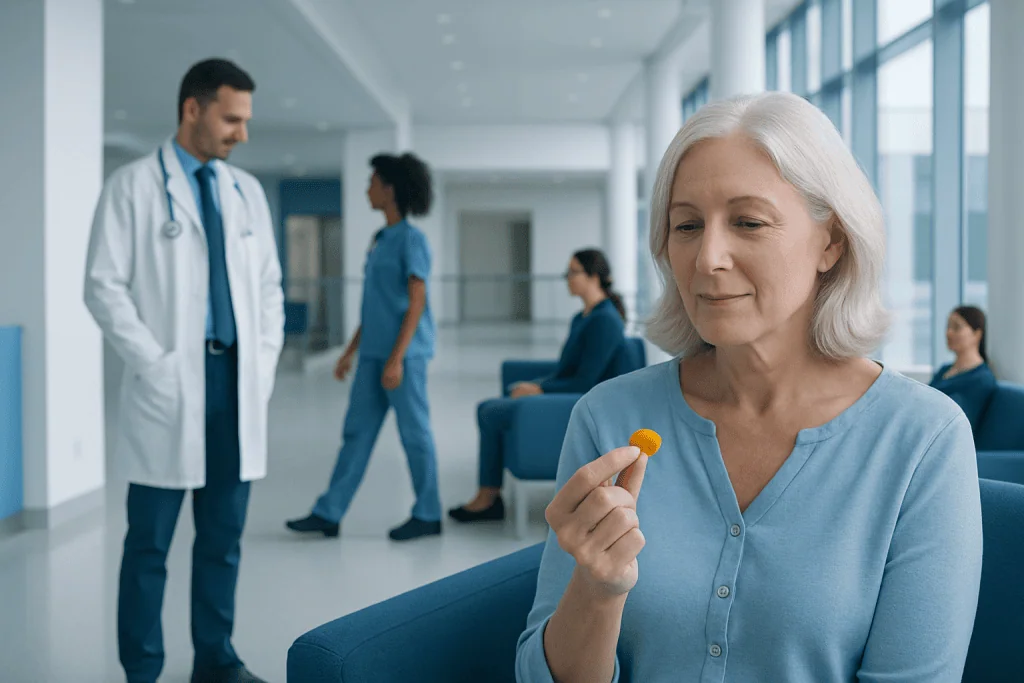
A clear, light-colored butterscotch hard candy may be acceptable during the clear-liquid diet, but red, purple and blue dyes should be avoided. Hard candy is not a substitute for the prescribed bowel-cleansing solution or for adequate clear-fluid intake.
Key Takeaways
- A clear, light-colored butterscotch hard candy may be acceptable during the clear-liquid diet, but red, purple and blue dyes should be avoided.
- Hard candy is not a substitute for the prescribed bowel-cleansing solution or for adequate clear-fluid intake.
- Pudding is not a clear liquid and is usually not permitted once the clear-liquid diet begins.
- Patients must stop all oral intake at the time specified by their endoscopy team, including candy, gum and mints.
- A clean bowel improves the accuracy of colonoscopy and reduces the chance that the test must be repeated.
Butterscotch hard candy before colonoscopy is often permitted during the clear-liquid phase if it is free of red, purple and blue coloring, contains no filling, and the endoscopy team has not given different instructions. Because preparation rules vary with the procedure time, medical conditions and sedation plan, the clinic’s written directions should always take priority.
Butterscotch hard candy before colonoscopy: the practical answer
Butterscotch hard candy before colonoscopy can often be included during the clear-liquid part of preparation, provided it is light colored, has no red, purple or blue dye, and does not contain a creamy or chocolate filling. It should be treated as a small comfort item rather than a meal, and the patient should follow the exact schedule supplied by the endoscopy unit.
Preparation instructions may differ between hospitals and according to the time of the examination, diabetes medicines, kidney or heart disease, constipation history, and the type of sedation planned. The clinic’s instructions take precedence over general online advice. Candy, mints and gum must be stopped when the patient is told to stop drinking or taking anything by mouth before sedation.
A colonoscopy is a procedure in which a gastroenterologist uses a thin flexible instrument with a camera to examine the lining of the rectum and colon. It can help investigate symptoms such as rectal bleeding, a change in bowel habits or unexplained anemia, and it is also used for screening and prevention because polyps can often be removed during the examination.
How colonoscopy preparation works and why it matters
The colon needs to be as empty as possible so the clinician can view its lining clearly. In the days before the test, patients may be asked to adjust foods that leave residue in the bowel, such as seeds, nuts, whole grains, or certain raw fruits and vegetables. The final day commonly involves a clear-liquid diet and a prescribed bowel-cleansing medicine.
Clear liquids are fluids that a person can see through at room temperature. Water, clear broth, plain tea or coffee without milk or cream, apple juice, white grape juice, some sports drinks and gelatin without prohibited coloring may be permitted. The exact list can vary, especially for people with diabetes or fluid restrictions.
The bowel preparation solution causes frequent, loose bowel movements to clear stool from the colon. Drinking the solution exactly as directed, including any split-dose schedule, is one of the most important parts of the process. Hard candy may help with a dry mouth or an unpleasant taste, but it does not cleanse the bowel and should not reduce the amount of prescribed preparation that is taken.
High-quality preparation supports a more complete examination, improves the ability to identify small polyps or inflammation, and may prevent an incomplete procedure or an earlier repeat colonoscopy. Patients who are unsure whether a food, drink or sweet is permitted should contact the endoscopy team before using it.
Can you have butterscotch hard candies before a colonoscopy?
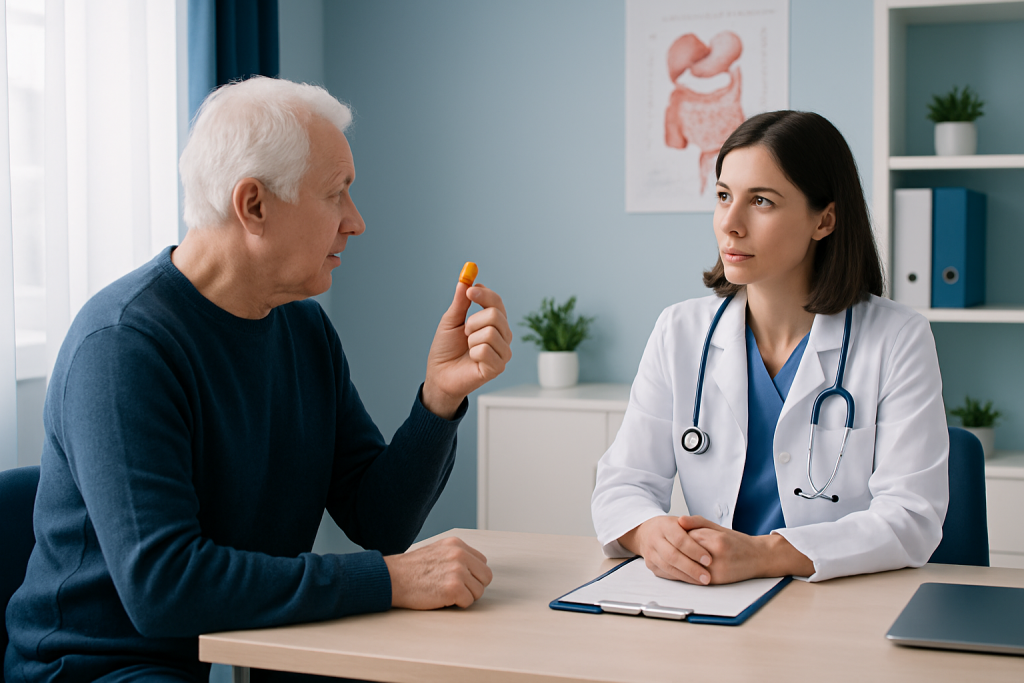
Many patients can have a plain butterscotch hard candy while they are still allowed clear liquids, but only if the specific candy is free from red, purple and blue artificial coloring. These colors may stain residual fluid in the colon and can be mistaken for blood or make interpretation more difficult. Reading the ingredient label is useful because products with similar names can have different colorings or fillings.
A suitable option is usually a small, opaque-to-translucent, golden or light brown hard candy that dissolves fully and has no chocolate center, dairy center, nuts, seeds, fruit pieces, chewing gum center or other solid ingredients. Sugar-free candy may cause bloating, gas or diarrhea in some people because of sugar alcohols, so it is not necessarily the best choice for every patient.
Timing is essential. Once the fasting period begins, the patient should not suck candy, chew gum, eat mints or drink fluids unless the care team has specifically allowed a small amount of water for essential medicines. This reduces the risk of stomach contents entering the lungs during sedation.
What is the best hard candy to eat before a colonoscopy?
The best hard candy is one that matches the endoscopy unit’s clear-liquid guidance: plain, light colored, fully dissolvable and without red, purple or blue coloring. A simple lemon, honey, ginger or butterscotch hard candy may be acceptable if its ingredients and color meet the instructions. The best choice is usually a small amount, used only while clear liquids are permitted.
Patients should avoid candies with dark dyes, colored centers, chocolate, caramel sauce, cream, milk, nuts, seeds, coconut, fruit pulp or gummy components. Although some sweets seem small, ingredients that are not clear liquids can leave residue or conflict with fasting rules. If a label is unclear, choosing a permitted clear beverage instead is the safer option.
People with diabetes should ask their clinician how to manage carbohydrate-containing clear liquids and candy during preparation. Blood glucose monitoring and medication changes may be needed, particularly when food intake is reduced. A personalized plan is safer than attempting to avoid low blood sugar without clinical advice.
Is butterscotch pudding ok before a colonoscopy?
Butterscotch pudding is generally not allowed once the clear-liquid diet begins. Pudding contains milk or other opaque ingredients and has a thick texture, so it is not considered a clear liquid. It can leave material in the digestive tract and may interfere with the bowel preparation or fasting requirements.
Some preparation plans include a low-fiber or low-residue diet earlier in the week, and permitted foods at that stage vary. Even then, patients should not assume that pudding is allowed without checking their individual instructions. The transition to clear liquids is often strict and should be followed carefully.
If a patient accidentally eats pudding after the clear-liquid phase has begun, there is no need for alarm, but they should contact the endoscopy team promptly. The team can advise whether the preparation can continue as planned, needs adjustment, or should be rescheduled. Honest reporting helps protect both safety and test quality.
Is caramel hard candy ok for colonoscopy prep?
Caramel hard candy may be acceptable during the allowed clear-liquid window if it is a true hard candy, is light brown or golden, and contains no prohibited dyes, chocolate, cream filling, dairy-based center, nuts or other solids. However, products described as caramel can differ substantially, so the label and the clinic’s list should guide the decision.
Soft caramel, chewy caramel, caramel chocolate, toffee with nuts, caramel-filled sweets and caramel sauces are not good choices for a clear-liquid diet. Their texture and ingredients are not consistent with clear-liquid preparation. When uncertain, patients should choose a clearly permitted liquid rather than relying on a candy that may not fit the plan.
For patients preparing for a colonoscopy, the final instructions from the gastroenterology and anesthesia teams are the most reliable source for fasting timing. This is particularly important for people taking medicines that affect stomach emptying, blood sugar or blood clotting.
What to expect: candidacy, procedure steps, recovery and results
Colonoscopy may be recommended for routine colorectal cancer screening, follow-up after previous polyps, surveillance in certain higher-risk conditions, or evaluation of symptoms. A clinician considers age, personal and family history, symptoms, other health conditions, medications and prior test results when deciding whether colonoscopy is suitable. Alternative tests may be appropriate in some circumstances.
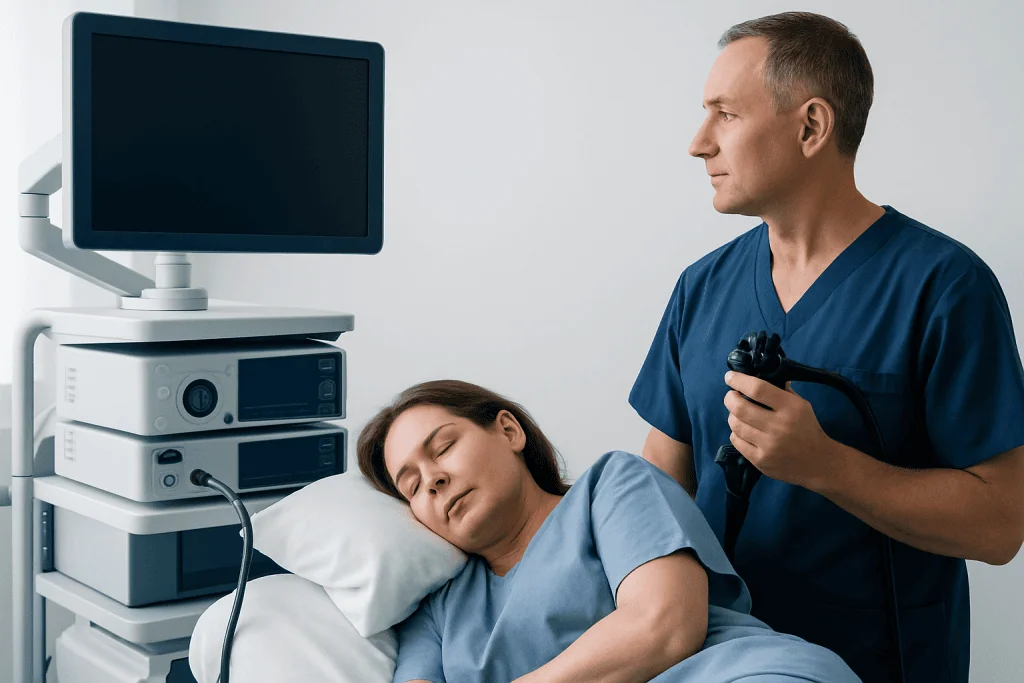
On the day of the procedure, the patient checks in, reviews medications and allergies, and meets the clinical team. Sedation is commonly used to support comfort. During the examination, the clinician gently advances the colonoscope through the rectum and colon, examines the lining and may take biopsies or remove polyps. Most people do not remember much of the procedure when sedation is used.
Afterward, patients recover in a monitored area until the sedation effects lessen. Temporary bloating, gas or mild cramping can occur because air or carbon dioxide is used to open the colon for viewing. A responsible adult usually needs to take the patient home, and driving, alcohol, operating machinery and important decisions should be avoided until the following day or for the period advised by the care team.
Results may be discussed immediately when the examination is uncomplicated, while biopsy results usually take longer. A normal colonoscopy, polyps, inflammation, diverticular changes or other findings each have different follow-up plans. The clinician will explain what was found and whether future testing is needed.
Benefits, possible risks and when to seek medical care
The key benefit of colonoscopy is direct visualization of the colon, with the option to obtain tissue samples and remove many polyps during the same procedure. Removing certain polyps can reduce the future risk of colorectal cancer. The test can also help identify causes of bleeding, anemia, persistent diarrhea or other bowel symptoms.
Colonoscopy is generally safe, but no procedure is risk-free. Possible complications include reactions to sedation, bleeding after a biopsy or polyp removal, infection, and a tear in the colon wall. These events are uncommon, and the team takes steps to reduce risk, but patients should understand the consent information and ask questions before the procedure.
After colonoscopy, urgent medical advice is appropriate for severe or worsening abdominal pain, a swollen or hard abdomen, fever, persistent vomiting, fainting, trouble breathing, black stools, or more than a small amount of rectal bleeding. Mild gas and brief cramping can be expected, but symptoms that feel severe or do not improve deserve prompt assessment.
Acibadem International’s multidisciplinary specialists and JCI-accredited hospitals diagnose and treat digestive conditions for international patients, including evaluation and follow-up related to colonoscopy findings. Patients should seek individualized guidance from a qualified gastroenterology team, particularly if preparation instructions are unclear or symptoms are present.
Frequently asked questions
Can butterscotch hard candy affect colonoscopy results?
A plain, permitted butterscotch hard candy is unlikely to affect results when used only during the approved clear-liquid period. Candy containing red, purple or blue dye, fillings, dairy, chocolate or solid ingredients may interfere with preparation and should be avoided. The bowel-cleansing medicine and fasting instructions remain more important than the choice of candy.
How long before a colonoscopy should hard candy be stopped?
Hard candy should be stopped at the same time the endoscopy team instructs the patient to stop all oral intake. This timing varies by procedure time, sedation plan and individual health needs. Patients should not assume that candy is allowed during the fasting period simply because it dissolves.
Can someone eat butterscotch candy while taking bowel prep?
It may be allowed while clear liquids are still permitted, but it should not replace the prescribed preparation solution or recommended fluids. Small amounts are generally more sensible than frequent candy intake, particularly if it causes nausea, bloating or diarrhea. The written preparation plan should be followed exactly.
What colors should be avoided before colonoscopy?
Most endoscopy centers advise avoiding red, purple and blue foods, drinks, gelatin and candies during the clear-liquid phase. These colors can discolor fluid in the bowel and may make it harder to distinguish normal findings from bleeding. Some centers also have additional color restrictions, so local instructions should be checked.
Can a person have sugar-free butterscotch candy before colonoscopy?
Sugar-free hard candy may be permitted if it meets the color and ingredient rules, but it can cause gas, cramping or loose stools in some people. This can make preparation less comfortable. People with diabetes should ask their care team which clear liquids and candies best fit their glucose-management plan.
What should a patient do if they accidentally eat a prohibited food before colonoscopy?
The patient should contact the endoscopy unit as soon as possible and explain what was eaten and when. The team can determine whether the preparation remains adequate or whether the procedure needs a change in timing. It is important not to cancel or continue with uncertainty without speaking to the clinical team.
References
- American Society for Gastrointestinal Endoscopy
- American College of Gastroenterology
- National Institute of Diabetes and Digestive and Kidney Diseases
- Centers for Disease Control and Prevention
- Mayo Clinic
This article is for general information only and is not a substitute for professional medical advice. Please consult a qualified doctor about your individual situation.
Persistent digestive symptoms? Get evaluated in Turkey
JCI-accredited · board-certified surgeons · reply within 24h
Add us as a Preferred Source to see more of our trusted health content across Google Search, AI Overviews and Discover.

More from the Health Library


Related Specialists

Assoc. Prof. Dr. Dilek Altun
Anesthesiology
Prof. Dr. Sibel Kahraman Aközer
Anesthesiology
Assoc. Prof. Dr. Serkan Sürücü
Orthopedic Surgery & Traumatology
Dr. Sabuha Kara
Emergency Service