Can Bladder Cancer Return after Bladder Removal: Procedure, Recovery and Results

Radical cystectomy removes the bladder and is commonly used for muscle-invasive or high-risk bladder cancer. Cancer recurrence is possible after bladder removal, but the location, timing and likelihood vary with the original cancer stage and pathology results.
Key Takeaways
- Radical cystectomy removes the bladder and is commonly used for muscle-invasive or high-risk bladder cancer.
- Cancer recurrence is possible after bladder removal, but the location, timing and likelihood vary with the original cancer stage and pathology results.
- Follow-up usually includes clinical examinations, blood tests and imaging, with additional testing tailored to the urinary diversion and individual risk.
- Recovery is gradual and often takes several months; learning to manage a urinary diversion is an important part of rehabilitation.
- Avoiding tobacco, attending surveillance visits and promptly reporting new symptoms can support long-term health.
Can bladder cancer return after bladder removal? Yes. Removing the bladder greatly reduces the chance of cancer returning in the bladder itself, but cancer can recur in nearby tissues, lymph nodes, the upper urinary tract, or distant organs, which is why regular follow-up remains important.
Overview: can bladder cancer return after bladder removal?
Yes, bladder cancer can return after bladder removal surgery, also called radical cystectomy. Because the bladder has been removed, cancer cannot recur in that organ; however, cancer cells may sometimes return in the tissues around the pelvis, lymph nodes, kidneys or ureters, or elsewhere in the body. The risk depends on the cancer’s stage, grade, lymph-node findings and response to treatment.
Bladder removal is an established treatment for many people with muscle-invasive bladder cancer and for selected people with high-risk cancer that has not responded to bladder-preserving treatment. The operation aims to remove all visible cancer and lower the risk of progression. It is usually part of a personalized plan that may also include chemotherapy, immunotherapy, radiation in selected situations, and structured long-term surveillance.
A recurrence can occur within the first few years after surgery, when monitoring is often most frequent, but it can occasionally happen later. Therefore, people may reasonably ask whether bladder cancer can return after 10 years. Long-term follow-up remains valuable, even when a person has been cancer-free for many years.
Why bladder removal is performed and who may be a candidate
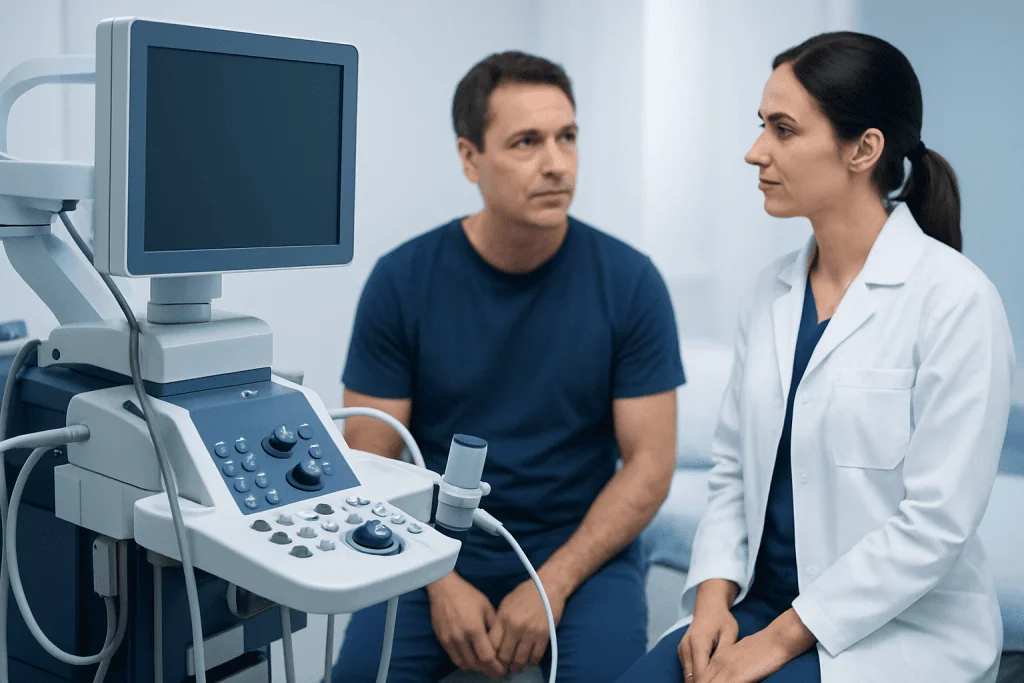
Radical cystectomy is most often considered for muscle-invasive bladder cancer, meaning cancer that has grown into the bladder muscle. It may also be recommended for some high-grade non-muscle-invasive cancers that repeatedly return, do not respond to intravesical treatment, or have features associated with a high likelihood of progression.
During a radical cystectomy, the surgeon removes the bladder and nearby tissues that may contain microscopic cancer. In men, this may include the prostate and seminal vesicles. In women, it may include the uterus, ovaries, fallopian tubes and part of the vagina, although organ-preserving approaches may be suitable in carefully selected cases. Pelvic lymph nodes are usually removed and examined because this helps stage the cancer and guide further treatment decisions.
Before surgery, the team assesses overall health, kidney function, heart and lung health, nutrition, mobility and support at home. They also discuss the available urinary diversion options, because urine needs a new route to leave the body after the bladder is removed. A urologic oncology team can explain whether bladder cancer treatment involving cystectomy is appropriate in an individual situation.
How bladder removal surgery works: procedure and urinary diversion

Bladder removal surgery may be performed through an open incision or with minimally invasive laparoscopic or robotic techniques, depending on the cancer, anatomy, prior surgery and surgical expertise. The method used is only one part of planning; complete cancer removal and a safe reconstruction are the central goals.
After removing the bladder and pelvic lymph nodes, the surgeon creates a urinary diversion using a short section of intestine. An ileal conduit directs urine through a small opening on the abdomen, called a stoma, into an external pouch. A continent cutaneous reservoir stores urine internally and is emptied using a catheter through a small abdominal opening. A neobladder is an internal reservoir connected to the urethra, allowing some people to pass urine in a more familiar way.
The best diversion depends on cancer location, kidney function, bowel health, manual dexterity, ability to catheterize when needed, personal preferences and expected quality of life. Before the operation, specialist nurses teach practical stoma or catheter care and help a person prepare for recovery. The procedure is major surgery, so discussions should include the expected benefits, alternatives and possible complications.
- Before surgery: imaging, laboratory tests, anesthesia review, bowel and nutrition planning, and education about the diversion.
- During surgery: bladder and relevant nearby tissues are removed, lymph nodes are assessed, and a new urine pathway is constructed.
- After surgery: the team monitors pain, bowel function, hydration, wound healing, blood-clot risk and urinary diversion function.
What should I expect after bladder cancer removal surgery?
Immediately after surgery, patients generally stay in hospital for monitoring, pain control and early rehabilitation. Tubes, drains or temporary stents may be present while the urinary diversion and surgical sites heal. The care team encourages safe movement, breathing exercises and gradual return to eating and drinking because these measures can support recovery after abdominal surgery.
Learning the routine for a stoma pouch, catheterization or neobladder care can take time. Stoma nurses and other trained professionals provide education on skin care, supplies, hydration, recognizing leakage and managing daily activities. Many people regain independence with their diversion, but adjustment is personal and may include emotional as well as physical changes.
The final pathology report is an important part of the results. It describes how deeply the cancer had grown, whether margins are clear and whether lymph nodes contained cancer. These findings help the oncology team decide whether additional treatment or closer monitoring is needed. Sexual function, fertility and body image can also be affected, and supportive care should be offered early.
Possible complications include infection, bleeding, blood clots, bowel slowing or blockage, wound problems, leakage or narrowing in the urinary diversion, and changes in kidney function or body salts. These complications do not happen to everyone, but knowing about them allows patients and caregivers to seek help promptly if concerns develop.
How long does it take to recover from bladder removal surgery?
Hospital recovery commonly lasts about one to two weeks, although this varies with the type of surgery, urinary diversion, overall health and whether complications occur. At home, fatigue, reduced appetite and changes in bowel habits are common during the first weeks. Energy and physical function usually return gradually rather than all at once.
Many people need roughly six to twelve weeks before resuming lighter everyday activities, while full recovery can take several months. Returning to work, driving, travel and more strenuous exercise should be discussed with the surgical team because timing differs by occupation, healing progress and the type of diversion created.
Hydration, nutrition, gentle walking and following instructions about wound care and lifting restrictions are important. People with an ileal conduit need time to become comfortable changing their pouch, while people with a neobladder may need pelvic-floor rehabilitation and a scheduled voiding routine. Follow-up appointments provide an opportunity to adjust care, discuss symptoms and review blood tests for kidney function and electrolyte balance.
What is the survival rate after bladder removal surgery?
There is no single survival rate that applies to everyone after bladder removal surgery. Outcomes are mainly influenced by the stage and grade of the cancer at surgery, whether cancer is found in lymph nodes, whether it has spread beyond the bladder, surgical margin results, general health and whether systemic treatment is needed before or after surgery.
In general, people whose cancer is confined to the bladder and completely removed tend to have more favorable outcomes than those with cancer in lymph nodes or distant organs. The operation can be curative for many people with localized disease, but it cannot guarantee that cancer will not return. An oncologist or urologic surgeon can interpret pathology findings and provide an individualized outlook.
Survival discussions should also consider long-term wellbeing. Kidney health, nutritional status, mobility, emotional health, sexual wellbeing and successful management of the urinary diversion all contribute to recovery and quality of life. Asking for a written copy of the pathology report and follow-up plan can help patients understand their next steps.
How to avoid bladder cancer recurrence
It is not always possible to prevent bladder cancer recurrence after surgery, because recurrence can reflect cancer biology that cannot be fully predicted. However, completing the recommended surveillance plan is one of the most practical ways to identify recurrence or treatment-related problems early. Follow-up commonly includes physical examinations, blood tests and imaging, with timing tailored to pathology results and individual risk.
Stopping smoking is especially important, as tobacco is a major risk factor for bladder cancer and is linked with poorer health outcomes. A balanced diet, regular activity as recovery allows, adequate hydration and management of conditions such as diabetes or heart disease can support general health before and after cancer treatment. These measures do not replace medical monitoring.
Depending on the pathology and previous treatments, some people may be offered chemotherapy or immunotherapy around the time of surgery. The oncology team considers potential benefits and side effects carefully. People who have had bladder cancer may also need monitoring of the upper urinary tract, because the lining of the kidneys and ureters is related to the lining of the bladder.
For international patients, Acibadem International’s multidisciplinary specialists and JCI-accredited hospitals can coordinate assessment, surgery, oncology care and follow-up planning for bladder cancer.
When to seek medical care
People should contact their surgical or oncology team promptly if they develop fever, worsening abdominal or flank pain, persistent vomiting, increasing redness or drainage from a wound, sudden reduction in urine output, new leakage around a stoma, or difficulty catheterizing a continent diversion. These symptoms may have many causes, but they should be assessed rather than managed alone.
Urgent medical care is appropriate for chest pain, shortness of breath, fainting, confusion, severe dehydration, heavy bleeding, or a painful swollen leg. These may signal complications that need immediate evaluation. A new persistent cough, unexplained weight loss, bone pain, fatigue or swelling should also be discussed at a follow-up visit, particularly in someone previously treated for cancer.
Regular appointments are important even when a person feels well. Surveillance is designed to look for recurrence, assess kidney and diversion health, and address practical or emotional concerns early. Patients should keep a clear list of medications, symptoms and questions to bring to visits.
Frequently asked questions
Can bladder cancer come back after the bladder is removed?
Yes. After the bladder is removed, cancer cannot return inside the bladder, but it can recur in the pelvis, lymph nodes, upper urinary tract or distant parts of the body. The likelihood depends on the original cancer stage, grade, lymph-node findings and other pathology results.
Can bladder cancer return after surgery?
It can. Surgery may remove all detectable cancer, but microscopic cancer cells can sometimes remain or later grow elsewhere. Regular surveillance helps clinicians identify recurrence and manage treatment-related issues as early as possible.
Can bladder cancer return after 10 years?
Late recurrence is less common than recurrence in the earlier years after treatment, but it can occur. This is why the follow-up schedule may continue long term, with the exact plan based on individual risk and the type of urinary diversion.
What is life like with an ileal conduit after bladder removal?
An ileal conduit directs urine into a pouch worn over a stoma on the abdomen. With education and practice, many people learn to empty and change the pouch independently and continue daily activities, travel and exercise. A stoma care nurse can help address fitting, skin care and leakage concerns.
Is a neobladder suitable for everyone?
No. A neobladder may be an option for selected people, but suitability depends on cancer location, urethral involvement, kidney and bowel function, overall health and the ability to follow training and catheterize if necessary. The surgeon will discuss the benefits and limitations of each urinary diversion.
What follow-up tests are needed after radical cystectomy?
Follow-up commonly includes a medical review, physical examination, blood tests to assess kidney function and body salts, and imaging tailored to recurrence risk. Additional testing may be needed depending on the urinary diversion, symptoms and pathology findings. The treating team provides an individualized schedule.
References
- National Cancer Institute
- American Cancer Society
- European Association of Urology
- American Urological Association
- National Comprehensive Cancer Network
This article is for general information only and is not a substitute for professional medical advice. Please consult a qualified doctor about your individual situation.
Bladder Cancer in Turkey — costs, top hospitals & a free quote
JCI-accredited · board-certified surgeons · reply within 24h
Add us as a Preferred Source to see more of our trusted health content across Google Search, AI Overviews and Discover.

Hematology Department
17 specialists in this unitMore from the Health Library


Related Specialists

Dyt. Ezgi Hazal Çelik
Nutrition & Diet
Prof. Dr. Şahin Şenay
Cardiovascular Surgery
Dr. Hüseyin Güney
General Surgery
Assoc. Prof. Dr. F. Arda Atar
Urology