

Can Gas Cause Back Pain? A Doctor-Reviewed Answer

Trapped gas can sometimes cause pain that radiates to the upper or lower back. Gas-related back pain is often temporary and occurs with bloating, belching, or changes in bowel habits.
Key Takeaways
- Trapped gas can sometimes cause pain that radiates to the upper or lower back.
- Gas-related back pain is often temporary and occurs with bloating, belching, or changes in bowel habits.
- Severe, persistent, or unexplained back pain may have causes other than gas and should be evaluated.
- Doctors look at symptoms, diet, bowel habits, and red flags to decide whether testing is needed.
- Self-care may help mild cases, but ongoing symptoms can point to digestive or non-digestive conditions.
Yes, gas can cause back pain. In many cases, trapped intestinal gas creates pressure, bloating, and cramping that can be felt in the abdomen and referred to the upper or lower back, but certain warning signs should be checked by a doctor.
Overview: Can gas cause back pain?
Yes, gas can cause back pain. This is usually harmless and happens when gas builds up in the stomach or intestines, creating pressure that is felt not only in the abdomen but also in the back. Many people notice this as a dull ache, pressure under the ribs, or discomfort in the mid or lower back that improves after passing gas or having a bowel movement.
The reason this can happen is that nerves in the digestive system and surrounding tissues may interpret pressure or stretching in ways that feel like pain in nearby areas. This is called referred pain. For example, bloating in the upper abdomen may feel as though it is spreading into the upper back, while gas in the colon may contribute to lower abdominal and lower back discomfort.
Even so, not all back pain is caused by gas. Muscle strain, spinal problems, kidney conditions, gallbladder disease, ulcers, pancreatitis, and some gynecologic conditions can also cause pain in similar areas. That is why symptom pattern matters: gas-related discomfort tends to come and go, often fluctuates through the day, and is commonly linked with bloating, belching, constipation, or changes in digestion.
How gas-related back pain feels
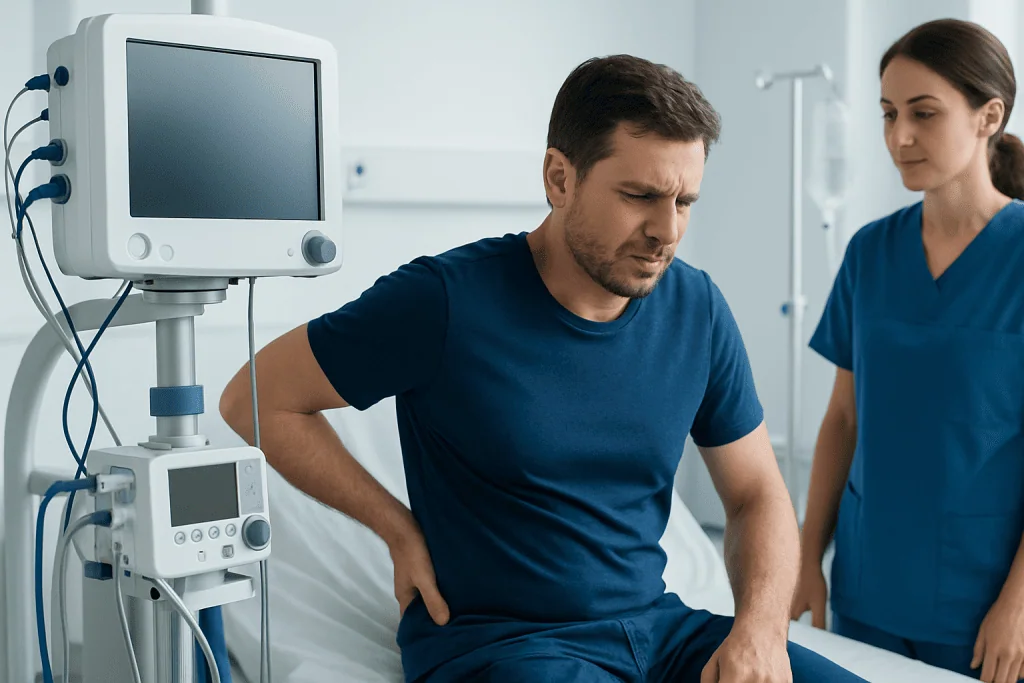
Back pain caused by gas is often described as pressure, fullness, tightness, cramping, or a shifting ache rather than a sharp injury-like pain. Some people feel it between the shoulder blades, especially if bloating affects the upper abdomen. Others feel it in the lower back when intestinal gas or constipation causes pressure lower down in the digestive tract.
Symptoms often occur together. In addition to back discomfort, a person may notice abdominal bloating, excessive belching, flatulence, rumbling, a swollen belly, or pain that improves after passing gas. The discomfort may increase after eating certain foods, eating too quickly, drinking carbonated beverages, or going several days without a bowel movement.
It can help to look at timing. Pain linked to gas often comes in waves, changes position, and may lessen with movement, gentle stretching, bowel activity, or time. If back pain is constant, wakes a person at night, steadily worsens, or happens without any digestive symptoms, it is less likely to be explained by gas alone.
- Common associated symptoms: bloating, belching, flatulence, constipation, abdominal cramping
- Typical pattern: temporary, fluctuating, related to meals or bowel habits
- Less typical for gas: severe one-sided pain, weakness, fever, vomiting, or blood in stool
Why gas can be felt in the back

Gas forms naturally during digestion. Swallowed air, carbonation, and fermentation of food by gut bacteria all contribute. When gas moves normally through the digestive tract, most people notice little or no discomfort. Problems arise when gas becomes trapped or when the intestines are especially sensitive to stretching.
The abdomen and back share nerve pathways, and organs in the upper abdomen sit close to the diaphragm, spine, and rib cage. Because of this, pressure in the stomach or intestines may be perceived as back pain. People with a sensitive gut may feel more discomfort from a relatively small amount of gas than others do.
Several digestive issues can make gas and back pain more likely. Constipation can slow the passage of stool and gas. Food intolerances, such as lactose intolerance, may trigger bloating after meals. Functional digestive disorders like irritable bowel syndrome can cause recurring gas, abdominal pain, and altered bowel habits. In some cases, upper abdominal pain radiating to the back may point to other conditions such as gallstones, which should not be assumed to be simple gas without proper assessment.
Common causes and risk factors
Everyday habits can contribute to gas-related discomfort. Eating quickly, chewing gum, using straws, smoking, or drinking fizzy beverages can increase swallowed air. Large meals and foods that ferment in the gut, such as beans, onions, some fruits, artificial sweeteners, and certain high-fiber foods, may also worsen bloating in sensitive individuals.
Digestive patterns matter as well. Constipation is a frequent reason gas lingers longer in the intestines, creating pressure that may be felt in the back. Some people develop symptoms after recent dietary changes, travel, lower activity levels, or medications that slow the bowels. Others may notice discomfort around times of stress, because the brain-gut connection can affect motility and pain sensitivity.
There are also medical causes of bloating and back discomfort that deserve attention when symptoms are ongoing. These can include acid-related problems, food intolerances, inflammation of the digestive tract, gallbladder disease, and pancreatic disorders. If a person has recurrent symptoms after meals, unexplained weight loss, ongoing nausea, or significant pain, a doctor may consider evaluation by a digestive specialist and tests such as endoscopy or colonoscopy depending on the symptom pattern.
How a doctor evaluates gas and back pain
Doctors usually start with a careful medical history. They ask where the pain is, when it started, whether it comes and goes, what makes it better or worse, and whether there are digestive symptoms like bloating, constipation, diarrhea, nausea, or heartburn. They also ask about diet, recent travel, medications, bowel habits, and any history of digestive, kidney, spine, or gynecologic conditions.
A physical examination helps narrow the cause. The doctor may check the abdomen for bloating, tenderness, bowel sounds, or signs of constipation. They may also assess the back for muscle tenderness, posture, range of motion, or nerve-related findings. This helps separate symptoms that likely come from the digestive tract from those more typical of a musculoskeletal or neurologic cause.
Testing is not always needed for mild, short-lived symptoms. However, if pain is persistent, recurrent, severe, or accompanied by warning signs, further evaluation may be recommended. Depending on the situation, this could include blood tests, stool tests, abdominal ultrasound, MRI for certain non-digestive causes of back pain, or referral to gastroenterology. The goal is to confirm whether symptoms fit a benign gas pattern or whether another condition needs treatment.
Treatment and self-care for mild cases
When gas is the likely cause, treatment focuses on relieving pressure and addressing the reason gas is building up. Gentle walking, light stretching, staying hydrated, and avoiding lying flat right after eating may help gas move through the digestive tract. Some people find relief by eating smaller meals, slowing down while eating, and limiting heavily carbonated drinks.
Food tracking can be useful, especially if symptoms happen after certain meals. Temporary reduction of obvious triggers such as beans, onions, fizzy drinks, or dairy products may help identify patterns. If constipation is contributing, increasing fluids, regular activity, and discussing a safe bowel plan with a doctor or pharmacist may improve both bloating and back discomfort.
Persistent symptoms should not be self-treated indefinitely. Ongoing gas, bloating, or back pain may reflect a condition that needs targeted care rather than simple lifestyle changes. If needed, digestive specialists can evaluate symptoms in more detail. Near the end of the care pathway, it may be helpful to know that Acibadem International’s multidisciplinary specialists in JCI-accredited hospitals diagnose and treat digestive and related conditions for international patients.
When to seek medical care
Gas-related discomfort is often short-lived, but some symptoms deserve prompt medical attention. A person should seek urgent care if back or abdominal pain is severe, sudden, or accompanied by chest pain, shortness of breath, fainting, fever, persistent vomiting, inability to pass stool or gas, or blood in the stool. These features can signal a problem other than ordinary gas.
Medical review is also important if symptoms keep returning, interfere with eating or sleep, or are associated with unexplained weight loss, jaundice, ongoing constipation or diarrhea, or pain that radiates in a concerning way. Women who are pregnant or who have pelvic symptoms should also seek individualized advice, since abdominal and back pain can have other causes in these settings.
If the pattern is unclear, it is safer not to assume that all back pain is digestive. A doctor can help determine whether symptoms fit a common, manageable gas problem or whether another digestive, kidney, gallbladder, spinal, or muscular issue is present. Early evaluation is especially helpful when symptoms change suddenly or do not improve as expected.
Frequently asked questions
Can trapped gas really cause upper back pain?
Yes, trapped gas can sometimes cause discomfort that is felt in the upper back, especially when bloating affects the upper abdomen. This may happen because pressure in the digestive system can be perceived in nearby areas through shared nerve pathways.
How can someone tell if back pain is from gas or from the spine?
Gas-related pain is more likely when it comes with bloating, belching, abdominal cramping, or relief after passing gas or having a bowel movement. Spine-related pain is more likely to worsen with certain movements, lifting, posture changes, or nerve symptoms such as numbness or tingling.
Can constipation cause gas and lower back pain at the same time?
Yes, constipation can slow the movement of stool and gas, creating pressure in the intestines that may be felt in the lower abdomen and lower back. Treating the constipation often helps reduce both bloating and the associated discomfort.
Is gas pain after eating usually serious?
Often it is not serious, especially if it is brief and linked to specific foods, large meals, or eating quickly. However, pain after eating that is repeated, severe, or associated with vomiting, fever, or weight loss should be assessed by a doctor.
When should a person worry about gas and back pain?
Concern is higher if the pain is severe, persistent, one-sided, or accompanied by red flags such as fever, vomiting, jaundice, blood in the stool, chest pain, or shortness of breath. Symptoms that keep returning or do not improve also deserve medical review.
What doctor should someone see for recurring gas and back pain?
A primary care doctor is often a good first step, especially if the cause is not clear. Depending on the symptoms, they may refer the person to a gastroenterologist, or to another specialist if a spinal, kidney, gallbladder, or pelvic cause is suspected.
References
- National Institute of Diabetes and Digestive and Kidney Diseases
- American College of Gastroenterology
- National Health Service
- Mayo Clinic
- Cleveland Clinic
This article is for general information only and is not a substitute for professional medical advice. Please consult a qualified doctor about your individual situation.
Persistent digestive symptoms? Get evaluated in Turkey
JCI-accredited · board-certified surgeons · reply within 24h

More from the Health Library



Related Specialists

Dr. Abdullah Yener İnce
Orthopedic Surgery & Traumatology
Dr. Feyza Arslan
Physical Medicine & Rehabilitation
Prof. Dr. Özlem Aydoğ
Pediatrics
Gülçin Selen Akgün
Physical Medicine & Rehabilitation