Cancer Staging: What Stage 1 to Stage 4 Means

Cancer staging helps doctors describe tumor size, lymph node involvement, and spread to distant organs. Stage 1 usually means cancer is small and localized, while stage 4 means cancer has spread to distant parts of the body.
Key Takeaways
- Cancer staging helps doctors describe tumor size, lymph node involvement, and spread to distant organs.
- Stage 1 usually means cancer is small and localized, while stage 4 means cancer has spread to distant parts of the body.
- The TNM system is commonly used to define the details behind a cancer stage.
- Staging is important for treatment planning, but prognosis also depends on cancer type, grade, biomarkers, general health, and response to treatment.
- Stage 4 cancer can often be treated, and many people receive therapies aimed at control, symptom relief, and quality of life.
- Patients should ask their oncology team what their stage means for their specific cancer, because staging rules differ by cancer type.
Cancer staging describes how much cancer is in the body and whether it has spread. Understanding stages 1 to 4 can help patients follow medical discussions, ask informed questions, and make treatment decisions with their care team.
Overview: What Is Cancer Staging?
Cancer staging is the process doctors use to describe the extent of cancer in the body. It answers several important questions: where the cancer started, how large it is, whether it has reached nearby lymph nodes, and whether it has spread to distant organs. Staging helps create a shared language among surgeons, medical oncologists, radiation oncologists, radiologists, pathologists, and other members of the care team.
Most people hear cancer described as stage 1, stage 2, stage 3, or stage 4. In general, lower stages mean the cancer is more limited to its original area, while higher stages mean it is larger, involves more nearby structures or lymph nodes, or has spread farther. Some cancers also have stage 0, often called carcinoma in situ, which means abnormal cells are present but have not invaded deeper tissues.
Staging is not meant to define a person or predict the future with certainty. It is a medical tool that supports treatment planning and helps estimate likely outcomes based on what is known about a specific cancer type. Two people with the same stage may still have different treatment options and different responses to therapy, because cancers vary in biology and behavior.
What Stages 1 to 4 Usually Mean
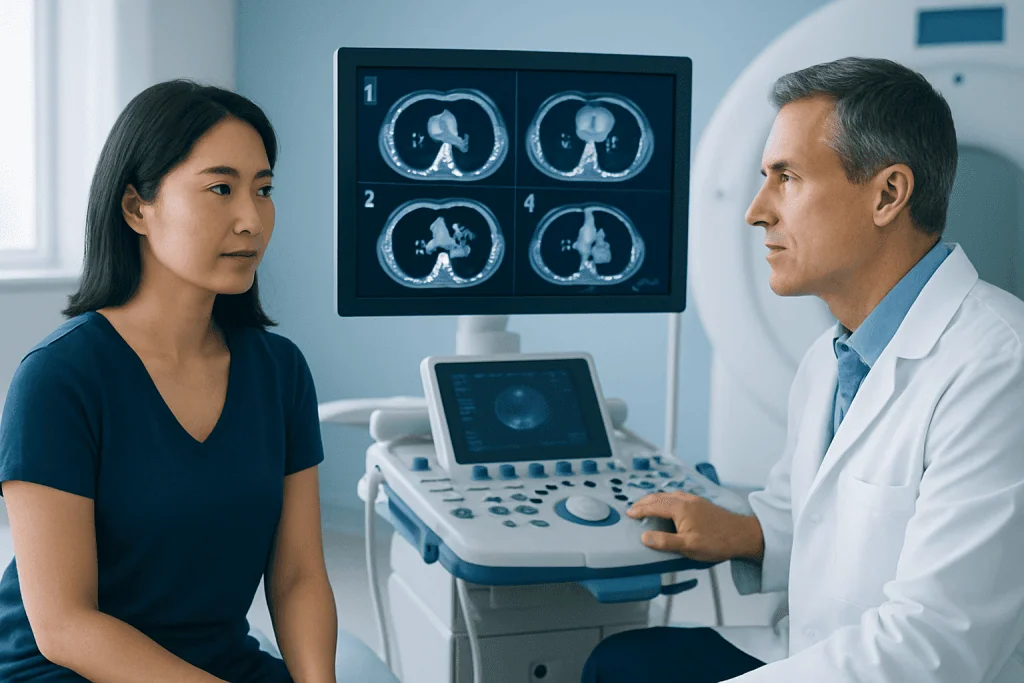
Stage 1 cancer usually means the cancer is relatively small and remains close to where it began. It often has not spread to nearby lymph nodes or distant organs. Depending on the cancer type, stage 1 disease may be treated with surgery, radiation therapy, medication, or a combination of approaches. Many stage 1 cancers have more treatment options because they are found earlier, but the exact plan depends on the organ involved and tumor biology.
Stage 2 cancer generally means the cancer is larger than stage 1 or has features suggesting a higher risk of spread, but it may still be in the original region. In some cancers, stage 2 can include limited involvement of nearby lymph nodes. Treatment may involve local therapy such as surgery or radiation, along with systemic treatments such as chemotherapy, immunotherapy, hormone therapy, or targeted therapy when appropriate.
Stage 3 cancer usually means the cancer is more advanced in the local or regional area. It may have grown into nearby tissues or spread to several nearby lymph nodes, but it has not spread to distant organs in many staging systems. Treatment often requires a coordinated plan using more than one method, such as surgery plus chemotherapy, radiation plus chemotherapy, or newer drug treatments selected according to cancer type and test results.
Stage 4 cancer means the cancer has spread to distant parts of the body, a process called metastasis. For example, a cancer that begins in the colon and spreads to the liver is still called colon cancer, not liver cancer, because treatment is based on the original cancer type. Stage 4 cancer is often managed with systemic treatments that travel through the body, and care may also include procedures or radiation to control symptoms or treat specific areas.
The TNM System: Tumor, Nodes, and Metastasis

Many solid tumors are staged using the TNM system. TNM stands for Tumor, Nodes, and Metastasis. The T category describes the size of the main tumor and whether it has grown into nearby tissues. The N category describes whether cancer has spread to nearby lymph nodes. The M category describes whether there is spread to distant organs or distant lymph nodes.
Each letter is usually followed by a number or additional detail. A higher T number often means a larger tumor or more local invasion. A higher N number may mean more lymph nodes are involved or that affected nodes are in specific locations. M0 usually means no distant metastasis has been found, while M1 means distant spread has been detected. These TNM details are then combined to assign an overall stage group, such as stage 1, 2, 3, or 4.
There are two important types of staging. Clinical staging is based on information available before treatment, such as physical examination, imaging, endoscopy, biopsies, and laboratory tests. Pathological staging is based on examination of tissue removed during surgery and can provide more detailed information. Sometimes the stage changes after surgery or further testing, which can be confusing but is a normal part of careful cancer assessment.
Not every cancer uses TNM in the same way. Blood cancers such as leukemia, lymphoma, and multiple myeloma use different classification and staging systems. Brain tumors and some childhood cancers also follow specialized systems. This is why patients should ask their doctor to explain how staging applies to their exact diagnosis.
How Doctors Determine Cancer Stage
Staging begins with a confirmed diagnosis, usually from a biopsy or examination of abnormal cells. A pathologist studies the tissue under a microscope to identify the cancer type and may report the grade, which describes how abnormal the cancer cells look. Grade is different from stage: stage describes where the cancer is in the body, while grade helps describe how the cancer cells may behave.
Doctors may use imaging tests to see the tumor and look for spread. These can include ultrasound, CT scan, MRI, PET scan, bone scan, mammography, or other specialized imaging depending on the cancer. Endoscopic procedures may be used for cancers of the digestive tract, airways, bladder, or reproductive organs. Blood tests can provide information about general health and, in some cancers, tumor markers that help guide assessment or follow-up.
In some cases, surgery provides the most accurate staging information. Lymph nodes may be sampled or removed to check for cancer cells. The surgeon and pathologist may measure the tumor, examine margins, and determine whether nearby tissues are involved. This information can affect whether additional treatment is recommended after surgery.
Modern cancer care increasingly includes molecular and biomarker testing. These tests do not replace staging, but they can be just as important for treatment decisions. Biomarkers may show whether a cancer is likely to respond to targeted therapy, immunotherapy, hormone therapy, or other specialized treatments.
Why Staging Matters for Treatment Planning
Staging helps doctors choose treatment with the best balance of benefit and risk for the individual patient. Early-stage cancers may be treated with local treatments aimed at removing or destroying cancer in one area. These treatments can include surgery, radiation therapy, or localized procedures. When the risk of microscopic spread is higher, doctors may recommend additional systemic treatment to reduce the chance of recurrence.
For stage 2 or stage 3 cancers, treatment is often more comprehensive. Some patients receive neoadjuvant therapy, which means treatment given before surgery to shrink the tumor or make surgery more effective. Others receive adjuvant therapy after surgery to address possible remaining cancer cells. The sequence depends on the cancer type, tumor location, stage, patient health, and treatment goals.
For stage 4 cancer, treatment usually focuses on the whole body because cancer cells have traveled beyond the original site. Options may include chemotherapy, immunotherapy, targeted therapy, hormone therapy, radiation therapy, surgery for selected situations, interventional radiology procedures, and supportive care. The aim may be to control cancer growth, relieve symptoms, extend life, and maintain daily function and comfort.
Staging also supports communication and research. It allows doctors to compare outcomes among similar groups of patients and helps clinical trials define who may be eligible. However, staging is only one part of decision-making. A careful treatment plan also considers the patient’s preferences, other medical conditions, organ function, emotional well-being, and practical needs.
Stage, Grade, Prognosis, and Survival: Understanding the Difference
Patients often ask whether the stage shows how serious the cancer is. Stage provides important information, but it is not the whole picture. Prognosis depends on many factors, including cancer type, stage, grade, molecular features, hormone receptor status when relevant, overall health, age, treatment response, and whether the cancer was newly diagnosed or has returned after treatment.
Survival statistics can be difficult to interpret. They are based on groups of people treated in the past and cannot predict exactly what will happen to one individual. They may not fully reflect newer treatments, advances in imaging, personalized medicine, or improvements in supportive care. For this reason, patients should discuss prognosis with their oncologist, who can interpret information in the context of the specific diagnosis.
It is also important to know that cancer staging may be described at different times. The stage at diagnosis is often recorded and usually remains part of the medical record, even if treatment shrinks the cancer or if it later returns. If cancer comes back, doctors may use terms such as recurrent, local recurrence, regional recurrence, or metastatic recurrence, and they may repeat tests to reassess the situation.
A diagnosis of advanced cancer does not mean that care stops. Many treatments can reduce symptoms, slow progression, and support quality of life. Palliative care, which focuses on symptom management and support, can be used at any stage of cancer alongside active treatment. It is not limited to end-of-life care.
Questions to Ask and When to Seek Specialist Care
Understanding staging can make appointments more productive. Patients may wish to bring a family member or trusted friend, take notes, and ask for copies of pathology and imaging reports. It is reasonable to ask the oncology team to explain the stage in simple language and to describe how confident they are based on current test results.
Helpful questions include: What is the exact cancer type and stage? What does the TNM information show? Is the stage clinical or pathological? Has the cancer spread to lymph nodes or distant organs? Are biomarker tests recommended? What are the goals of treatment? What are the main treatment options and possible side effects? Would a multidisciplinary tumor board review be useful?
Patients should seek prompt specialist care after a cancer diagnosis, if a new symptom develops during treatment, or if test results are unclear. A second opinion can also be appropriate, especially when several treatment options exist or when the cancer is rare or complex. Acibadem International’s multidisciplinary specialists and JCI-accredited hospitals diagnose and treat many types of cancer for international patients, with care plans developed according to the individual diagnosis and stage.
Reliable information can reduce uncertainty, but it should not replace medical advice. Anyone with a cancer diagnosis should discuss staging, treatment choices, expected benefits, risks, and follow-up with a qualified oncology team familiar with their complete medical history.
Frequently asked questions
Is stage 1 cancer always curable?
Stage 1 cancer is usually localized and often has a wider range of treatment options, but no stage can be described as always curable. Outcomes depend on the cancer type, tumor grade, biomarkers, treatment received, and the person’s overall health. The treating oncologist can explain the expected outlook for the specific diagnosis.
Does stage 4 cancer mean there is no treatment?
No. Stage 4 cancer means cancer has spread to distant parts of the body, but many treatments may still be available. Depending on the cancer type, treatment may help control growth, reduce symptoms, prolong life, and maintain quality of life. Some stage 4 cancers respond well for long periods to targeted therapy, immunotherapy, hormone therapy, or other treatments.
Can a cancer stage change after surgery?
Yes. A stage based on scans and examination before treatment is called a clinical stage. After surgery, the pathologist may find more precise information about tumor size, margins, or lymph nodes, which can lead to a pathological stage. This change helps doctors refine the treatment plan.
What is the difference between cancer stage and cancer grade?
Stage describes the extent of cancer in the body, including tumor size, lymph node involvement, and spread to distant organs. Grade describes how abnormal the cancer cells look under the microscope and how quickly they may be likely to grow. Both stage and grade can influence treatment decisions.
Do all cancers use stages 1 to 4?
No. Many solid tumors use stages 1 to 4, often based on the TNM system, but some cancers use different systems. Leukemia, lymphoma, multiple myeloma, brain tumors, and some childhood cancers may be classified in other ways. Patients should ask their doctor which staging system applies to their cancer.
What should a patient bring to an appointment about staging?
It can help to bring pathology reports, imaging reports, a medication list, previous medical records, and a written list of questions. Bringing a trusted person for support can also be useful. Patients may ask the doctor to explain the stage, treatment goals, and whether any additional tests are needed.
References
- American Joint Committee on Cancer
- National Cancer Institute
- American Cancer Society
- European Society for Medical Oncology
- Union for International Cancer Control
This article is for general information only and is not a substitute for professional medical advice. Please consult a qualified doctor about your individual situation.
Oncology care in Turkey — second opinion and treatment plan
JCI-accredited · board-certified surgeons · reply within 24h

More from the Health Library



Related Specialists

Prof. Dr. Can Küçük
General Surgery
Assoc. Prof. Dr. Lütfiye Uygur
Gynecology & Obstetrics
Dr. Burcu Duran Tak
Acibadem Life Clinical Service
Assoc. Prof. Dr. Recep Kurnaz
Orthopedic Surgery & Traumatology