Cardiac Amyloidosis Treatment: How It Works, Results and What to Expect

Cardiac amyloidosis occurs when abnormal amyloid proteins build up in the heart muscle, making it stiff and less able to fill normally. Treatment differs substantially between transthyretin (ATTR) amyloidosis and light-chain (AL) amyloidosis.
Key Takeaways
- Cardiac amyloidosis occurs when abnormal amyloid proteins build up in the heart muscle, making it stiff and less able to fill normally.
- Treatment differs substantially between transthyretin (ATTR) amyloidosis and light-chain (AL) amyloidosis.
- Diuretics are commonly used to control fluid retention, while disease-specific therapy targets the source of amyloid.
- Care usually involves cardiology, hematology and other specialists because amyloidosis may affect more than one organ.
- Cardiac amyloidosis is serious, but many people benefit from earlier diagnosis, regular follow-up and individualized treatment.
Cardiac amyloidosis treatment is tailored to the type of amyloid protein involved and combines disease-modifying medicines with careful treatment of heart failure symptoms. Early specialist assessment is important because treatment can slow progression, improve day-to-day wellbeing, and help prevent complications.
Cardiac amyloidosis treatment: how it works
Cardiac amyloidosis treatment aims to address two problems: the abnormal protein deposits affecting the heart and the symptoms caused by a stiff, weakened heart. The best plan depends on the amyloidosis type, how much the heart is affected, whether other organs are involved, and the person’s overall health. Treatment does not follow a single procedure; it is a coordinated, long-term care plan that may include medicines, monitoring and selected advanced therapies.
The two main forms are transthyretin amyloid cardiomyopathy (ATTR-CM) and light-chain amyloidosis (AL amyloidosis). In ATTR-CM, treatment may stabilize the transthyretin protein or reduce its production, limiting formation of further deposits. In AL amyloidosis, therapy targets the abnormal plasma cells in the bone marrow that produce harmful light chains. The priority is to lower light-chain levels promptly, since AL amyloidosis can progress rapidly.
Alongside disease-directed therapy, clinicians carefully manage congestion and heart failure symptoms. Diuretics can reduce fluid accumulation and ease breathlessness or leg swelling. However, some standard heart failure medicines may not be suitable or may need cautious use because people with cardiac amyloidosis can be sensitive to low blood pressure and changes in fluid balance.
Who may be a candidate for treatment?
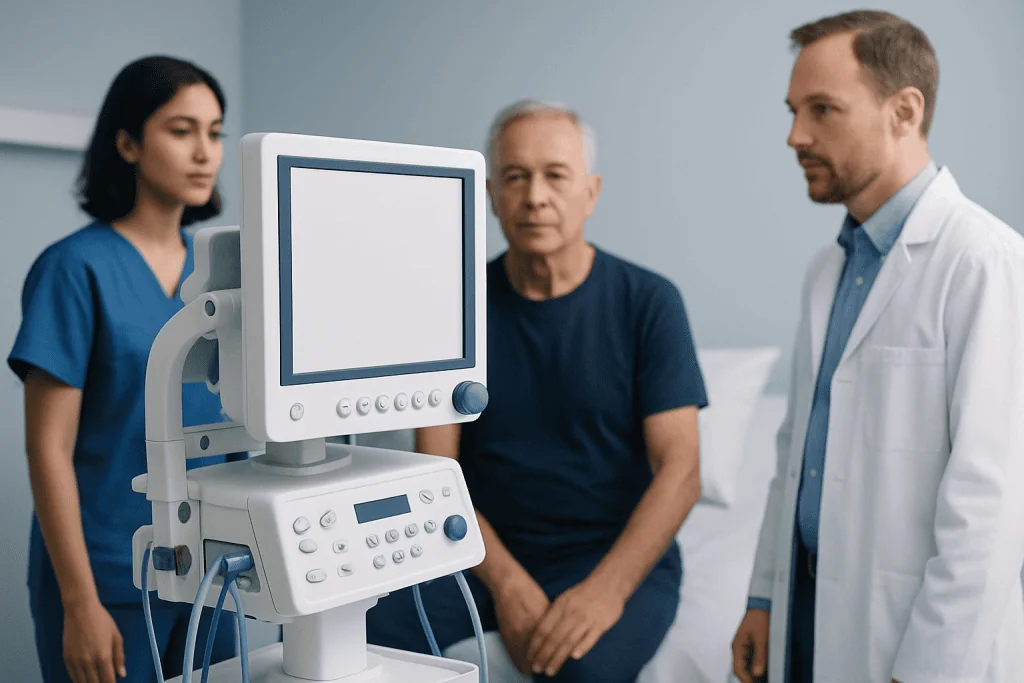
Anyone with confirmed or strongly suspected cardiac amyloidosis should be assessed by clinicians experienced in both heart disease and amyloidosis. Candidacy for specific therapies begins with determining the amyloid type. This may involve blood and urine tests, genetic testing in selected cases, heart imaging, nuclear scintigraphy, and sometimes a tissue biopsy.
For ATTR-CM, disease-modifying treatment may be considered for people with wild-type ATTR amyloidosis or hereditary ATTR amyloidosis affecting the heart. Genetic counselling can be helpful when a hereditary transthyretin variant is identified, since family members may have questions about their own risk and testing options.
For AL amyloidosis, care is commonly led jointly by hematology and cardiology. Eligibility for different plasma-cell-directed treatments depends on heart, kidney, nerve and liver function, the severity of disease, previous treatment, and whether intensive treatment such as stem cell transplantation is appropriate. The treatment team balances the need for a fast hematologic response with safety for a heart that may be vulnerable.
What happens during diagnosis and treatment planning?

Assessment usually starts with a detailed medical history, physical examination and tests that evaluate the heart’s structure and function. An electrocardiogram, echocardiogram and cardiac magnetic resonance imaging can identify patterns that raise suspicion for amyloid involvement. Blood tests may include markers of heart strain, kidney function, liver function and abnormal proteins.
A key step is accurately typing the amyloid. A blood and urine evaluation for monoclonal proteins helps assess for AL amyloidosis. Bone-avid tracer scintigraphy may support a diagnosis of ATTR-CM when AL amyloidosis has been excluded. If the diagnosis remains uncertain, or if protein typing is needed, doctors may recommend a biopsy of affected tissue or another suitable site.
Once the diagnosis is established, the team discusses treatment goals, likely benefits, possible adverse effects and follow-up needs. People often have regular blood tests, imaging and clinical assessments to check fluid status, blood pressure, heart rhythm and response to treatment. This structured approach helps adjust care as symptoms and test results change.
- ATTR-CM: medicines may stabilize transthyretin or reduce its production.
- AL amyloidosis: medicines target the plasma cells producing abnormal light chains.
- Symptom care: carefully tailored diuretics, rhythm management and support for other affected organs.
Treatment options, benefits and possible risks
Disease-modifying treatments for ATTR-CM are designed to slow the disease process by acting on transthyretin. Depending on the individual situation and local availability, this may include a transthyretin stabilizer or therapies that reduce transthyretin production. These treatments are not an immediate removal of existing deposits, but they can help reduce further amyloid accumulation and may support better long-term outcomes.
AL amyloidosis treatment usually combines medicines that suppress the abnormal plasma-cell clone. Regimens may include targeted medicines, steroids, chemotherapy-based agents and, for carefully selected individuals, high-dose treatment followed by autologous stem cell transplantation. Response is tracked by measuring involved free light chains and monitoring heart and other organ function.
Benefits may include less fluid overload, improved exercise tolerance, stabilization of heart function, and slower disease progression. Risks vary by treatment and may include low blood pressure, kidney-related changes, electrolyte imbalance, infection risk, fatigue, treatment-related nerve symptoms, or effects on blood counts. The treating team monitors closely and may modify therapy to improve tolerability.
Some people develop atrial fibrillation, conduction abnormalities or other rhythm disorders. Management can include anticoagulation when indicated, medications selected with care, and devices such as a pacemaker in appropriate circumstances. Advanced heart failure therapies, including transplantation, are considered only for selected people after comprehensive specialist evaluation.
Recovery timeline and living with cardiac amyloidosis
Cardiac amyloidosis is generally a chronic condition, so recovery is best understood as ongoing management rather than a short postoperative healing period. Relief from fluid-related symptoms may occur over days to weeks after diuretic adjustments, while the benefits of disease-modifying treatment are usually assessed over months. Follow-up frequency is higher early in treatment and becomes individualized once the plan is stable.
People are often advised to monitor their weight, swelling, breathlessness and dizziness, and to report meaningful changes to their care team. A sudden increase in weight over a short period can suggest fluid retention. Clinicians may provide personalized guidance on sodium intake, fluid intake, activity and home blood pressure monitoring based on heart and kidney status.
Gentle, regular activity can be valuable when it is safe and tolerated, but exercise plans should be discussed with the treating team. Avoiding dehydration is also important, particularly for people using diuretics. Medication lists should be reviewed before starting new prescriptions, over-the-counter remedies or supplements because blood pressure and kidney function can be sensitive.
Acibadem International’s multidisciplinary specialists and JCI-accredited hospitals support international patients with assessment and treatment planning for complex cardiac conditions, including cardiac amyloidosis.
How quickly does cardiac amyloidosis progress?
Progression varies widely and depends mainly on the amyloid type, the amount of heart involvement, and how early effective treatment begins. AL amyloidosis can worsen over weeks to months if the abnormal light-chain production is not controlled, which is why rapid evaluation is important when it is suspected. ATTR-CM often progresses more gradually, typically over years, although the rate differs between individuals.
Symptoms alone do not always show the full picture. Regular assessment of heart rhythm, fluid status, kidney function and cardiac biomarkers helps clinicians understand whether disease is stable or changing. A new increase in breathlessness, swelling, fatigue, fainting or palpitations should be reported promptly rather than waiting for the next routine visit.
Early diagnosis and treatment can alter the course of disease. Although no plan can predict progression perfectly for one person, targeted therapy and careful supportive care can reduce complications and help preserve function for as long as possible.
How bad is cardiac amyloidosis?
Cardiac amyloidosis is a serious but treatable cause of heart failure and heart rhythm problems. Amyloid deposits make the heart muscle less flexible, so the heart may struggle to fill with blood normally even when its pumping strength appears relatively preserved on some tests. Severity ranges from early disease with mild symptoms to advanced disease with significant fluid retention, low blood pressure, rhythm disturbances and reduced exercise capacity.
Outlook depends on the amyloidosis type, stage at diagnosis, response to therapy and involvement of organs such as the kidneys, nerves or digestive system. It is important not to judge severity only by how a person feels on one particular day. Specialist review and serial testing provide a more reliable picture.
With modern diagnostic approaches and targeted treatments, many people can have symptoms managed more effectively and may experience a slower disease course. Clear communication with the care team, timely monitoring and adherence to the treatment plan all have an important role.
What is the most common cause of death in amyloidosis patients?
The leading causes of death vary by amyloidosis type and which organs are affected. In people with substantial cardiac involvement, progressive heart failure and serious heart rhythm or conduction problems are major causes of illness and death. In AL amyloidosis, complications related to advanced heart involvement can be especially important, particularly before the abnormal light-chain production is brought under control.
Other potential complications can include kidney failure, infection related to treatment or advanced illness, and complications of involvement in other organs. This is why care is not limited to the heart alone. Monitoring and treating the underlying amyloid process, maintaining appropriate fluid balance, and addressing arrhythmias are central parts of reducing risk.
Individual risk is difficult to estimate without a full clinical evaluation. People should ask their specialist what their test results mean, which warning signs matter for them, and how their treatment response is being measured.
Can you recover from cardiac amyloidosis?
Cardiac amyloidosis cannot always be completely reversed, particularly when deposits have already caused significant changes in the heart. However, treatment can often control the source of amyloid, slow or stabilize further damage, reduce fluid-related symptoms and improve quality of life. Some people also show improvement in cardiac measures when the underlying disease responds well to treatment.
In AL amyloidosis, a deep and sustained reduction in abnormal light chains is an important treatment goal and can allow affected organs to recover to varying degrees over time. In ATTR-CM, therapies seek to limit additional transthyretin amyloid formation and support longer-term stability. The response differs from person to person and is assessed through symptoms, laboratory results and imaging.
Even when complete recovery is not possible, meaningful goals remain: staying active within safe limits, minimizing hospital admissions, managing symptoms and maintaining independence. Shared decisions with an experienced multidisciplinary team help ensure that care reflects both medical needs and personal priorities.
When to seek medical care
Medical assessment is important for new or worsening shortness of breath, leg or abdominal swelling, unexpected weight gain, persistent fatigue, dizziness, fainting, chest discomfort, or a fast or irregular heartbeat. These symptoms are not specific to amyloidosis, but they can indicate fluid overload, an arrhythmia or another heart problem that needs timely review.
Urgent medical care is needed for severe breathlessness at rest, fainting, new confusion, persistent chest pressure, blue or gray lips, or symptoms suggesting a severe rhythm disturbance. People already diagnosed with cardiac amyloidosis should follow the action plan provided by their heart team and contact them promptly if symptoms change.
Because amyloidosis may affect several systems, it is also worth discussing numbness or tingling, carpal tunnel symptoms, changes in bowel habits, foamy urine, unexplained bruising or unintentional weight loss with a clinician. These signs have many possible causes, but they may help guide a complete evaluation when considered together.
Frequently asked questions
What is the main goal of cardiac amyloidosis treatment?
The main goal is to slow or stop further amyloid protein production or deposition while managing heart-related symptoms. Treatment also aims to prevent complications such as fluid overload, low blood pressure and abnormal heart rhythms. The plan depends on whether the person has ATTR or AL amyloidosis.
Are heart failure medicines used for cardiac amyloidosis?
Diuretics are commonly used to reduce fluid retention and improve breathlessness or swelling. Other standard heart failure medicines may be used selectively, but some can cause low blood pressure or may be poorly tolerated. Treatment should therefore be individualized and monitored closely.
Does everyone with cardiac amyloidosis need chemotherapy?
No. Chemotherapy-based or plasma-cell-directed therapy is used for AL amyloidosis because this form arises from abnormal light-chain production. ATTR cardiac amyloidosis is treated differently, with therapies that stabilize transthyretin or reduce its production.
Can cardiac amyloidosis run in families?
Some forms of ATTR amyloidosis are hereditary and result from a variant in the transthyretin gene. Other cases, often called wild-type ATTR amyloidosis, are not inherited. Genetic testing and counselling may be recommended when hereditary ATTR is suspected.
What lifestyle changes help with cardiac amyloidosis?
A personalized approach to sodium, fluid intake, activity and daily weight monitoring can help manage symptoms. People should avoid making major dietary or exercise changes without speaking to their care team, especially if they take diuretics or have kidney impairment. Regular follow-up is as important as lifestyle measures.
Can a heart transplant treat cardiac amyloidosis?
Heart transplantation may be considered in a small number of carefully selected people with advanced heart failure. Suitability depends on the amyloidosis type, the degree of disease in other organs, ability to control the underlying protein disorder and overall health. It is assessed in specialist transplant centers.
References
- American Heart Association
- American College of Cardiology
- European Society of Cardiology
- Amyloidosis Research Consortium
- National Institutes of Health
This article is for general information only and is not a substitute for professional medical advice. Please consult a qualified doctor about your individual situation.
Cardiac Amyloidosis in Turkey — costs, top hospitals & a free quote
JCI-accredited · board-certified surgeons · reply within 24h
Check your numbers in seconds
BMI, calories, due date, blood pressure and 30+ more clinical calculators — free, instant, doctor-reviewed ranges.

Cardiology Department
Diagnosis and treatment of heart and vascular conditions, from prevention to advanced interventional procedures.
90 specialists in this unit