Chemo Diet: How It Works, Results and What to Expect

There is no single chemo diet that is right for every person or every treatment cycle. Adequate calories, protein and fluids are often more important than following strict food rules.
Key Takeaways
- There is no single chemo diet that is right for every person or every treatment cycle.
- Adequate calories, protein and fluids are often more important than following strict food rules.
- Food choices may need to change temporarily for nausea, mouth sores, diarrhea, constipation or taste changes.
- Supplements, herbal products and restrictive diets should be discussed with the oncology team before use.
- A registered dietitian with oncology experience can create practical chemotherapy diet recommendations.
A chemo diet is not a restrictive weight-loss plan. It is an individualized nutrition approach that helps a person maintain energy, muscle, hydration and food safety while managing the changing side effects of chemotherapy.
Chemo Diet Overview
A chemo diet describes eating and drinking strategies used before, during and after chemotherapy. Its main purpose is to support the body through treatment by helping maintain nutrition, hydration, strength and comfort. It is not a diet intended to cure cancer, replace medical treatment or require severe food restrictions.
Nutrition needs can differ greatly depending on the cancer type, treatment medicines, surgery, other health conditions, body weight and side effects. Some people can continue their usual balanced eating pattern, while others need short-term adjustments. The most useful chemo diet and nutrition plan is flexible, symptom-focused and agreed with the oncology team.
Online discussions, including searches for “chemo diet reddit,” may offer personal experiences but cannot account for an individual’s treatment plan, infection risk or nutritional status. Advice from an oncologist and a qualified chemo dietitian is safer when appetite is poor, weight is changing or symptoms interfere with eating.
How Nutrition Supports Chemotherapy
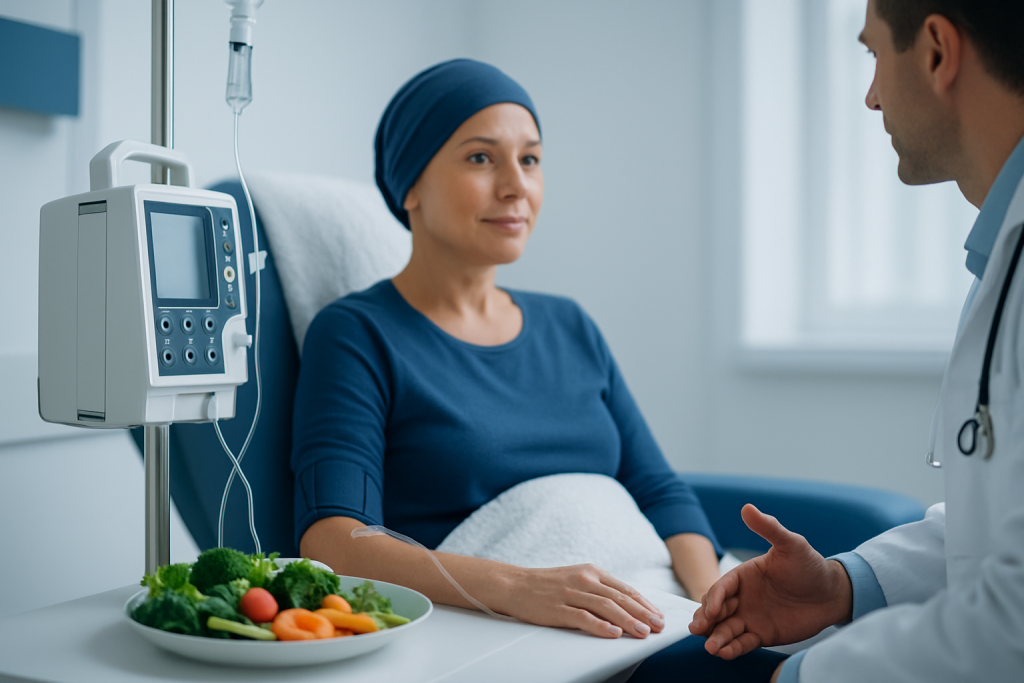
Chemotherapy targets rapidly dividing cancer cells, but it may also affect healthy cells in the digestive tract, mouth, bone marrow and hair follicles. This can lead to symptoms that make eating difficult, such as nausea, fatigue, altered taste, constipation, diarrhea or mouth discomfort. A chemo diet works by adapting food texture, timing and nutrient content to these effects.
Protein supports the maintenance and repair of body tissues. Energy from carbohydrates and fats helps prevent the body from using muscle for fuel when intake is low. Fluids help replace losses from vomiting or diarrhea and can support comfort when the mouth is dry. Fruits, vegetables and whole grains can remain part of the diet when tolerated, but they do not need to be forced during periods of significant symptoms.
Many people do better with small meals or snacks every two to three hours rather than large meals. Keeping easy-to-eat foods available, eating when appetite is strongest and choosing nutrient-dense options can be more manageable than trying to follow a perfect meal pattern.
Who May Need Individualized Nutrition Support

Most people receiving chemotherapy can benefit from basic nutrition guidance, but some need more individualized support. This includes people with unintended weight loss, poor appetite lasting several days, swallowing difficulties, persistent vomiting or diarrhea, diabetes, kidney disease, digestive disorders or previous surgery affecting the stomach or intestines.
People being treated for cancers of the head and neck, esophagus, stomach, pancreas or bowel may be especially likely to experience nutrition-related challenges. Treatment for a related condition such as gastric cancer may affect digestion, appetite or food tolerance, making early dietitian input particularly valuable.
A registered dietitian experienced in cancer care can assess food intake, weight changes, symptoms and laboratory results where relevant. The dietitian can then recommend realistic meal ideas, oral nutrition drinks when appropriate, strategies for hydration and, when necessary, discussion of other nutritional support options with the oncology team.
A Step-by-Step Chemo Diet Plan
There is no procedure involved in a chemo diet, but it is helpful to approach nutrition as a step-by-step care plan. Before treatment begins, the person can ask the oncology team about likely side effects, review current medicines and supplements, and identify foods that are easy to prepare and appealing. Recording usual weight and appetite can help identify changes early.
During each chemotherapy cycle, the person can adjust meals according to symptoms. On days with a good appetite, it may help to eat more substantial meals and prepare or freeze simple foods for more difficult days. On lower-appetite days, smaller portions of foods that provide both protein and energy, such as yogurt, eggs, cheese, nut butters, beans, fish or soft poultry dishes, may be easier to manage.
Keeping a brief food-and-symptom record can show patterns, such as nausea after particular smells or better appetite at a certain time of day. This information allows the care team to refine chemotherapy diet recommendations and may also help identify when symptom medicines need adjustment.
- Eat small, frequent meals and snacks rather than waiting to feel very hungry.
- Include a protein-containing food whenever possible.
- Drink fluids regularly in small amounts throughout the day.
- Choose convenient foods during fatigue, including prepared soups, yogurt, eggs or fortified drinks if recommended.
- Tell the oncology team promptly if eating or drinking becomes difficult.
Managing Common Treatment Side Effects
Nausea may improve with small meals, dry or bland foods, cool foods with less odor and avoiding lying flat immediately after eating. Sipping fluids between meals rather than drinking large amounts with food may also help some people. Antinausea medicines prescribed by the oncology team are often an important part of care.
For mouth sores or a sore throat, soft, moist foods such as oatmeal, scrambled eggs, soups, smoothies and yogurt may be more comfortable. Acidic, spicy, rough or very hot foods can irritate sensitive tissues. If swallowing becomes painful or difficult, the oncology team should be contacted rather than relying only on dietary changes.
Diarrhea may require extra fluids and electrolytes, while foods that are low in fiber and gentle on the stomach may be temporarily better tolerated. Constipation may respond to fluids, gradual fiber intake and activity if medically appropriate. For taste changes, trying plastic utensils, cold foods, tart flavors when the mouth is not sore, or alternative protein sources may be useful.
Practical chemo diet tips should always be adapted to the individual. A symptom that is severe, prolonged or accompanied by fever, dehydration or significant weakness needs medical assessment.
Food Safety, Supplements and Expected Recovery
Some chemotherapy treatments lower infection-fighting white blood cells. During these periods, careful food handling is important: wash hands and produce, keep raw and cooked foods separate, cook meat, poultry, eggs and seafood thoroughly, and refrigerate perishable foods promptly. The oncology team may give additional advice based on blood counts and local food safety guidance.
It is usually best to avoid raw or undercooked animal foods, unpasteurized milk or juice, and foods with uncertain storage or preparation when infection risk is increased. A person should ask their treatment team whether particular foods, restaurant meals or cultural food practices need temporary modification.
Vitamin, mineral and herbal supplements are not automatically safe during chemotherapy. Some may interact with medicines or affect treatment activity. The oncology team should review all supplements, teas, powders and complementary products before they are started, stopped or changed.
Recovery after a chemotherapy session varies. Appetite and taste often improve in the days or weeks after a cycle, although patterns can differ by medicine. Continuing adequate nutrition between cycles can support recovery, but ongoing poor intake or weight loss should be addressed early through the cancer care team and, where suitable, medical oncology care.
Benefits, Limits and When to Seek Medical Care
The potential benefits of a tailored chemo diet include better hydration, improved ability to meet energy and protein needs, less distress around meals and earlier recognition of nutrition problems. It may also help a person feel more prepared for predictable treatment effects. However, no food pattern has been proven to cure cancer or guarantee that chemotherapy side effects will be prevented.
Highly restrictive diets, fasting plans or detox programs can increase the risk of inadequate nutrition, especially when appetite is already reduced. Any major dietary change should be discussed with the oncology team. The priority during active treatment is usually to maintain strength and nutritional intake rather than pursue weight loss unless a clinician specifically advises otherwise.
A person should contact the oncology team urgently for inability to keep fluids down, repeated vomiting, severe diarrhea, signs of dehydration, a fever or chills, new confusion, severe weakness, or rapidly worsening mouth pain or swallowing problems. They should also report unintentional weight loss, poor intake lasting more than a few days, or symptoms that prevent them from taking prescribed medicines.
Acibadem International’s multidisciplinary specialists and JCI-accredited hospitals support international patients receiving cancer care, including individualized nutrition guidance alongside treatment planning.
Frequently asked questions
What is the best chemo diet?
There is no single best chemo diet for everyone. The most suitable plan provides enough calories, protein and fluids while being adapted to treatment side effects, medical conditions and personal food preferences. An oncology dietitian can help create an individualized plan.
What should a person eat before chemotherapy?
Before chemotherapy, a person may choose a balanced, familiar meal with protein, carbohydrates and fluids if they feel well. Very greasy, spicy or unusually large meals may be less comfortable for some people. The treatment team can advise if fasting or special preparation is required for a specific medicine or procedure.
Can a person eat normally during chemotherapy?
Many people can eat many of their usual foods during chemotherapy, especially when they have few side effects. Food choices may need temporary changes for nausea, mouth sores, bowel changes or food safety concerns. Eating enough is generally more important than following rigid food rules.
Should supplements be used during chemotherapy?
Supplements should only be used after discussion with the oncology team. Some vitamins, antioxidants, herbal products and concentrated extracts can interact with cancer medicines or may not be appropriate during treatment. A clinician or oncology dietitian can review specific products.
How can nausea be managed with food during chemotherapy?
Small, frequent meals, cooler foods, bland options and regular sips of fluid may help with nausea. Avoiding strong odors and eating when nausea is least intense can also be useful. Persistent nausea should be reported because prescribed medicines may provide additional relief.
When should someone ask for a chemo dietitian?
A chemo dietitian can be helpful at any point, particularly before treatment starts or when appetite, weight or digestion changes. Referral is especially important for unintended weight loss, difficulty swallowing, ongoing vomiting or diarrhea, or trouble meeting fluid and food needs. Early support may prevent nutrition problems from becoming more severe.
References
- American Cancer Society
- National Cancer Institute
- Academy of Nutrition and Dietetics
- World Cancer Research Fund International
- Centers for Disease Control and Prevention
This article is for general information only and is not a substitute for professional medical advice. Please consult a qualified doctor about your individual situation.
Hair transplant in Turkey — costs, graft counts & a free assessment
JCI-accredited · board-certified surgeons · reply within 24h
Add us as a Preferred Source to see more of our trusted health content across Google Search, AI Overviews and Discover.

More from the Health Library

Related Specialists
Prof. Dr. Nazan Bengüdeniz Erda
Ophthalmology
Assoc. Prof. Dr. Murat Urkan
General Surgery
Dr. Ersen Hürmüzlü
Infectious Diseases & Clinical Microbiology
Dr. Seyfettin Aslan
Ear Nose & Throat