Chemo Man: How It Works, Results and What to Expect

Chemotherapy may be used before or after surgery, with radiation, or as the main treatment for certain cancers. A person’s symptoms alone cannot reliably show whether chemotherapy is working; scans, examinations, blood tests, and tumor markers may be used.
Key Takeaways
- Chemotherapy may be used before or after surgery, with radiation, or as the main treatment for certain cancers.
- A person’s symptoms alone cannot reliably show whether chemotherapy is working; scans, examinations, blood tests, and tumor markers may be used.
- Side effects vary widely, but many can be prevented, monitored, or treated with supportive care.
- There is no single hardest day of chemotherapy; symptoms may occur during treatment, in the days afterward, or accumulate over several cycles.
- Men should promptly report fever, breathing difficulty, uncontrolled vomiting, severe diarrhea, unusual bleeding, or new confusion during chemotherapy.
Chemo man is an informal search term for what chemotherapy is like for men with cancer. Chemotherapy uses medicines that target rapidly dividing cells to cure some cancers, reduce the chance of recurrence, slow cancer growth, or relieve symptoms; the experience and results depend on the cancer type, treatment plan, and individual health.
Overview: What Does “Chemo Man” Mean?
“Chemo man” commonly refers to questions about chemotherapy from a man who has cancer, or from someone supporting him. Chemotherapy is a group of medicines that circulate through the body or are delivered into a specific area to destroy cancer cells, slow their growth, or reduce their ability to spread. It is used for many cancers that affect men, including prostate, testicular, bladder, colorectal, lung, and blood cancers.
Chemotherapy is not one single procedure or medicine. An oncology team selects a regimen based on the cancer’s type, stage, biology, treatment goal, previous therapies, and the person’s general health. Some people receive chemotherapy with surgery, radiation therapy, hormone therapy, immunotherapy, or targeted medicines.
For some cancers, chemotherapy is intended to cure disease. In other situations, it may shrink a tumor before treatment, lower the risk of cancer returning after surgery, control cancer for as long as possible, or ease cancer-related symptoms. The team should explain the goal of treatment clearly before it begins.
How Chemotherapy Works and Who May Be a Candidate
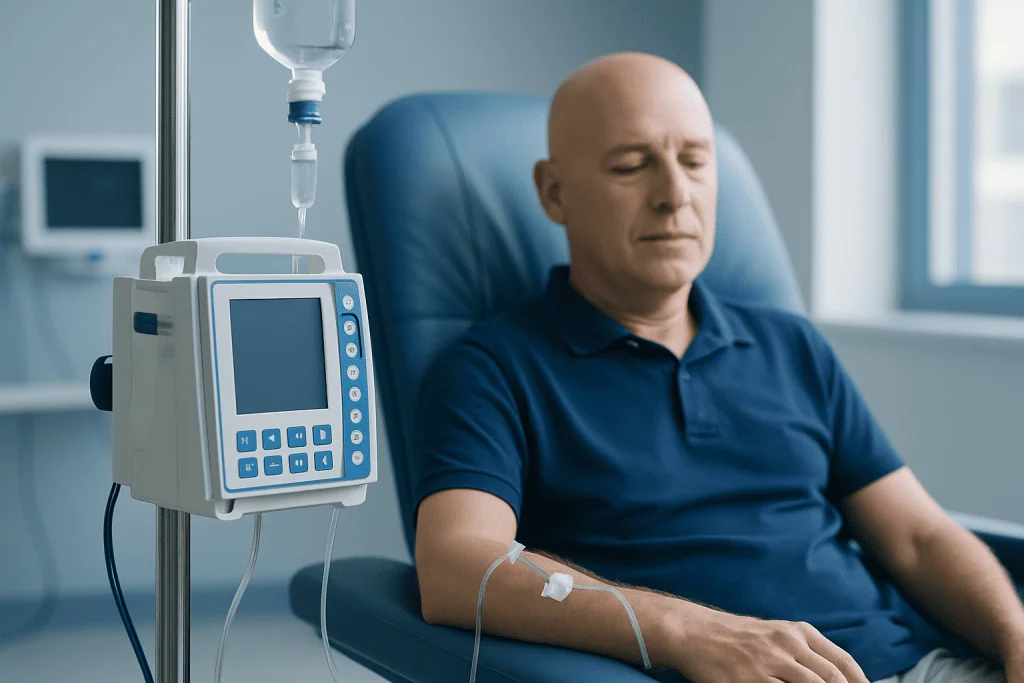
Cancer cells often divide more quickly than most healthy cells. Many chemotherapy medicines interfere with cell division or damage cancer-cell DNA, making it harder for the cells to survive and multiply. Because some normal tissues also renew quickly, particularly bone marrow, hair follicles, and the lining of the digestive tract, chemotherapy can cause side effects in these areas.
A man may be considered for chemotherapy when evidence shows that the expected benefit outweighs the possible risks. This decision is individual. The oncology team considers the cancer’s stage and behavior, pathology results, imaging, laboratory values, kidney and liver function, heart health, other medical conditions, current medicines, and personal priorities.
For example, chemotherapy can be central to treatment for some blood cancers and testicular cancers, while it may be used selectively in prostate cancer or after surgery for certain bowel cancers. It can also be part of care for lung cancer and other solid tumors. A comprehensive discussion helps a person understand why chemotherapy is recommended and what alternatives may be appropriate.
What Happens During Chemotherapy? Step by Step
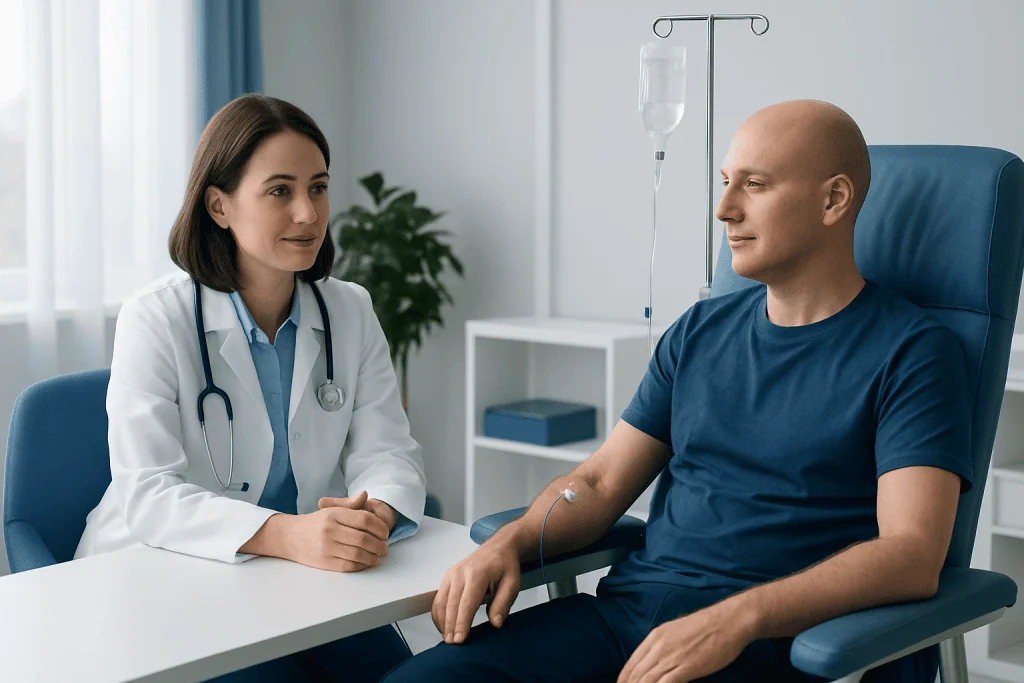
Before treatment, patients usually have a consultation with a medical oncologist and may undergo blood tests, imaging, and tests of organ function. The team reviews the planned medicines, likely side effects, signs that need urgent attention, fertility considerations, vaccination questions, and practical support needs. Depending on the regimen, a central venous access device may be recommended for repeated intravenous treatment.
Chemotherapy may be given by infusion into a vein, injection, tablets or capsules taken at home, or less commonly into a specific body space. Infusions are often provided in an outpatient treatment unit. A visit can include blood tests, a clinical review, medicines to prevent nausea or allergic reactions, and the chemotherapy infusion itself. Some regimens require a short hospital stay.
Treatment is usually organized in cycles. A cycle includes one or more treatment days followed by time for the body to recover. The exact schedule differs by drug combination and cancer type. Blood counts and symptoms are checked regularly, and treatment may be delayed or adjusted when side effects, infection risk, or test results make this safer.
Patients should take oral chemotherapy exactly as prescribed and avoid changing, stopping, or adding medicines or supplements without oncology advice. The oncology pharmacist and care team can explain safe handling, missed-dose instructions, food interactions, and how to store medicines at home.
What Are Good Signs That Chemo Is Working?
Good signs that chemotherapy is working are usually confirmed by the oncology team rather than judged by day-to-day feelings alone. Depending on the cancer, doctors may use physical examinations, CT, MRI, PET, or ultrasound scans, blood tests, tumor markers, and sometimes repeat biopsy results. These assessments compare the cancer’s size, activity, or related markers over time.
Some people notice that pain, cough, bleeding, swelling, urinary symptoms, fatigue related to cancer, or other cancer symptoms improve. While this can be encouraging, symptoms can change for many reasons and do not always match what scans show. Conversely, side effects such as tiredness or nausea do not indicate that chemotherapy is more effective.
Results are often assessed after several cycles rather than immediately after the first treatment. Possible outcomes include a complete response, partial response, stable disease, or progression. If the cancer does not respond as hoped, the team may discuss a different chemotherapy regimen or another approach, such as immunotherapy, targeted treatment, radiation, surgery, or supportive care.
What Is the Hardest Day of Chemo?
There is no universal hardest day of chemotherapy. Some men feel tired, flushed, sleepy, or mildly unwell during the infusion because of the treatment or premedication. Others feel relatively well on the treatment day and develop fatigue, nausea, bowel changes, muscle aches, or low appetite in the following days.
For certain regimens, the days when white blood cell counts fall are especially important. This often occurs around one to two weeks after treatment, although timing differs by medicine. A low white blood cell count can increase infection risk, so the care team may schedule blood tests and provide specific instructions about fever and other symptoms.
Side effects can also build across repeated cycles. Fatigue, numbness or tingling in the hands and feet, mouth soreness, sleep disruption, or emotional strain may become more noticeable later in treatment. Keeping a simple symptom diary can help the team identify patterns and adjust supportive care early.
What Does Chemo Feel Like for a Man?
Chemotherapy feels different for every person. Some men can continue many usual activities between treatments, while others need substantial rest and practical support. Common experiences include fatigue, nausea, appetite or taste changes, constipation or diarrhea, mouth sores, hair thinning or loss, and changes in concentration often described as “chemo brain.” Not every regimen causes every side effect.
Men may also have concerns that are particularly personal, including changes in sexual desire, erections, testosterone-related symptoms, fertility, body image, and their usual family or work roles. Cancer itself, emotional stress, surgery, hormone treatments, pain medicines, and chemotherapy can all contribute. Raising these concerns with the oncology team is appropriate and can lead to practical support or referral.
Fertility preservation should be discussed before chemotherapy starts when future biological children may be desired. Options may include sperm banking, but suitability and timing depend on the clinical situation. Emotional responses such as worry, frustration, low mood, or uncertainty are also common; counseling, support groups, and trusted family or friends may help.
What Organ Is Chemo Hard On? Risks, Monitoring and Recovery
Chemotherapy is not always hardest on one organ. Different medicines have different risks, and careful monitoring is designed to detect problems early. Some drugs can affect bone marrow and lower blood cell counts; others can affect the kidneys, liver, heart, lungs, nerves, bladder, hearing, or reproductive function. The risk depends on the specific medicines, total exposure, other treatments, and pre-existing health conditions.
Before and during treatment, clinicians may check blood counts, kidney and liver tests, heart function, nerve symptoms, hearing, or lung symptoms as needed. Tell the team about pre-existing kidney disease, heart disease, diabetes, liver disease, hearing problems, neuropathy, and all medicines or supplements. Drinking fluids as advised, attending monitoring appointments, and avoiding unapproved supplements can support safer treatment.
Recovery often follows a pattern within each cycle: some side effects improve in days, while fatigue may take longer. Blood counts commonly recover during the rest period, but timing is individual. Hair often regrows after treatment ends, although texture or color can temporarily change. Some effects, such as neuropathy or fertility changes, may persist and should be discussed promptly.
The benefits of chemotherapy can be substantial when it is appropriately matched to the cancer, including cure for certain cancers, lower recurrence risk, tumor shrinkage, and symptom relief. The oncology team weighs these potential benefits against short- and long-term risks and reviews whether treatment remains beneficial throughout the plan.
Prevention, Self-Care and When to Seek Medical Care
Not all chemotherapy side effects can be prevented, but preparation and early reporting can make treatment more manageable. Patients should follow the care team’s advice about anti-nausea medicines, hydration, food safety, oral care, activity, sleep, and infection prevention. Gentle activity when tolerated, frequent small meals, and asking for help with daily tasks may support energy and wellbeing.
Patients should contact their oncology team urgently for a fever at or above the temperature threshold they were given, chills, breathing difficulty, chest pain, uncontrolled vomiting, severe or persistent diarrhea, inability to drink fluids, new confusion, severe weakness, unusual bleeding or bruising, painful urination, or rapidly worsening pain. They should not wait for the next appointment if they feel acutely unwell.
Acibadem International’s multidisciplinary specialists and JCI-accredited hospitals support international patients undergoing cancer diagnosis and treatment, including individualized chemotherapy planning and symptom management. Regular communication with the oncology team remains an important part of safe care throughout treatment.
Frequently asked questions
Can chemotherapy cure cancer in men?
Chemotherapy can cure some cancers, particularly when used in the right setting and sometimes alongside surgery or radiation therapy. In other cancers, its role may be to reduce the risk of recurrence, control growth, or relieve symptoms. The likely goal depends on the exact diagnosis and stage.
How long does chemotherapy stay in the body?
Many chemotherapy medicines are cleared from the bloodstream within hours to days, but this varies greatly by drug and by kidney and liver function. Some effects on healthy tissues, such as low blood counts or fatigue, can last longer. The oncology team can explain precautions that apply to the specific regimen.
Does feeling very sick mean chemotherapy is working?
No. Severe side effects do not mean chemotherapy is working better, and having few side effects does not mean it is ineffective. Treatment response is assessed through examinations, scans, blood tests, and other cancer-specific measures.
Can a man work during chemotherapy?
Some men continue working full-time or with adjustments, while others need time away from work. The ability to work depends on the treatment schedule, side effects, infection exposure, job demands, and overall health. Discussing workplace needs early can help with planning.
Can chemotherapy affect male fertility?
Yes. Some chemotherapy medicines may temporarily or permanently reduce sperm production and fertility. Men who may want children in the future should ask about fertility preservation, including sperm banking, before treatment begins whenever possible.
When should someone call the chemotherapy team immediately?
The chemotherapy team should be contacted immediately for fever or chills, shortness of breath, chest pain, severe vomiting or diarrhea, dehydration, unusual bleeding, confusion, or any rapidly worsening symptom. Patients should follow the emergency instructions and temperature threshold provided by their own oncology team.
References
- American Cancer Society
- National Cancer Institute
- American Society of Clinical Oncology
- European Society for Medical Oncology
- National Health Service
This article is for general information only and is not a substitute for professional medical advice. Please consult a qualified doctor about your individual situation.
Oncology care in Turkey — second opinion and treatment plan
JCI-accredited · board-certified surgeons · reply within 24h

More from the Health Library

Related Specialists

Dr. Samih Müşfik Bilal
Emergency Service
Assoc. Prof. Dr. Tunay Erden
Orthopedic Surgery & Traumatology
Prof. Dr. Mehmet E. Erdil
Orthopedic Surgery & Traumatology
Dr. Hakan Özbay
Orthopedic Surgery & Traumatology