Childhood Obesity: Health Risks and Family-Based Management

Childhood obesity is diagnosed using age- and sex-specific BMI percentiles, not adult BMI cutoffs. Health risks may include high blood pressure, insulin resistance, fatty liver disease, sleep problems, joint pain and emotional distress.
Key Takeaways
- Childhood obesity is diagnosed using age- and sex-specific BMI percentiles, not adult BMI cutoffs.
- Health risks may include high blood pressure, insulin resistance, fatty liver disease, sleep problems, joint pain and emotional distress.
- Management works best when the whole family changes routines together rather than focusing blame on one child.
- Healthy meals, regular movement, adequate sleep and less recreational screen time are core parts of care.
- Medical evaluation is important to identify related conditions and, when needed, guide specialist treatment.
Childhood obesity is a common, complex health condition influenced by nutrition, activity, sleep, family routines, environment and genetics. Supportive, family-based care can help children build healthier habits while protecting growth, self-esteem and long-term well-being.
Overview
Childhood obesity means that a child has an amount of body fat that may affect health. Because children are still growing, doctors do not use the same body mass index, or BMI, categories used for adults. Instead, BMI is compared with children of the same age and sex using standardized growth charts. A child at or above the 95th BMI percentile is generally considered to have obesity, while a child between the 85th and 95th percentiles is usually described as having overweight.
Obesity in childhood is not a matter of willpower or appearance. It is a medical condition shaped by many factors, including biology, food environment, sleep, stress, physical activity, medications, family history and social conditions. Some children gain weight gradually over years, while others gain weight more quickly during periods of routine change, illness, emotional stress or reduced activity.
The goal of care is not simply to make a number on the scale lower. In pediatrics, safe management focuses on healthy growth, improving energy and fitness, preventing complications and supporting emotional well-being. For many children, especially younger children, the first goal may be slowing excess weight gain while height continues to increase. Any plan should be tailored to the child’s age, development, medical history and family circumstances.
Health Risks and Signs to Notice
Many children with obesity feel well and have no obvious symptoms. However, excess weight can place additional strain on the body over time. Possible health concerns include high blood pressure, abnormal cholesterol levels, insulin resistance, type 2 diabetes, fatty liver disease, reflux, asthma symptoms, sleep apnea, headaches, orthopedic problems such as knee or hip pain, and earlier puberty in some children. Not every child will develop these conditions, but screening helps identify risks early.
Families may notice practical signs such as shortness of breath with activity, snoring, restless sleep, daytime tiredness, frequent complaints of leg or back pain, skin darkening in body folds, or rapid weight gain that seems out of proportion to growth. Emotional signs are also important. Some children experience teasing, low self-confidence, body dissatisfaction, anxiety or avoidance of sports and social activities.
Language matters. Children benefit from calm, respectful conversations that focus on health, strength and habits rather than blame, shame or dieting. Parents and caregivers should avoid negative comments about body shape, including their own bodies. A supportive home environment can reduce stress and make behavior changes feel safe and achievable.
Causes and Risk Factors
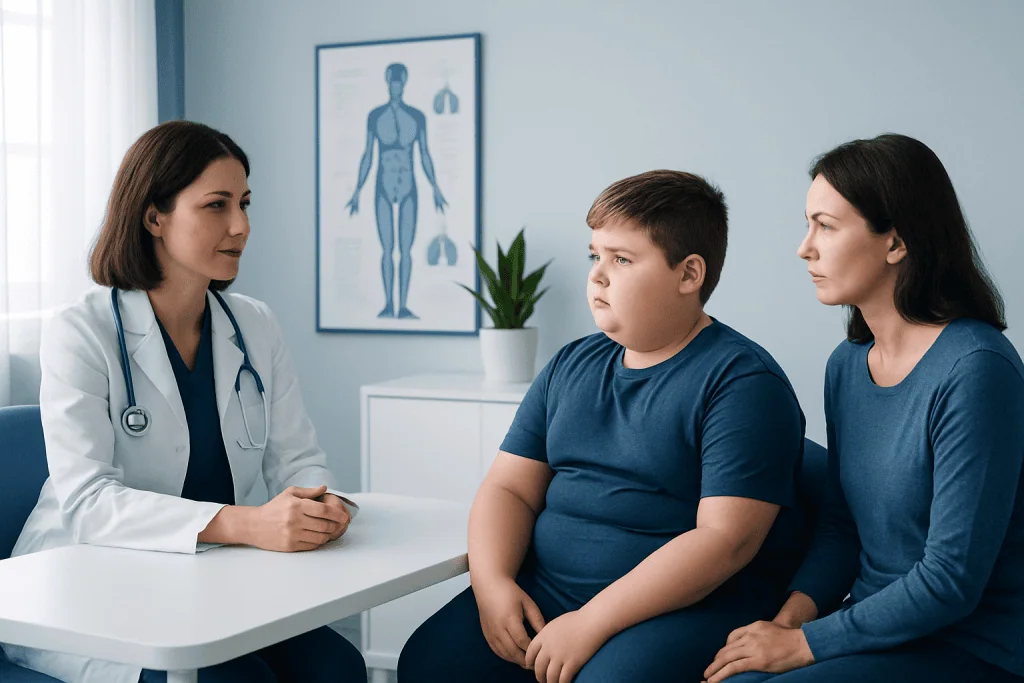
Childhood obesity usually develops when energy intake and energy use are out of balance over time, but the reasons are rarely simple. Genetics can influence appetite, metabolism and body size. Children with parents or siblings who have obesity are more likely to be affected, partly because of shared genes and partly because families share meals, routines, neighborhoods and activity patterns.
Daily habits play an important role. Frequent intake of sugar-sweetened drinks, large portions, highly processed snacks, irregular meals, eating while distracted, and limited access to fruits, vegetables and protein-rich foods can contribute to weight gain. Low physical activity, long periods of sitting, excessive recreational screen time and not getting enough sleep may also increase risk.
Medical and developmental factors should not be overlooked. Certain hormonal conditions, genetic syndromes and medications may contribute to weight gain, although these are less common causes. Children with mobility limitations, neurodevelopmental conditions, emotional eating patterns, depression or chronic stress may need a more individualized approach. Food insecurity can also increase risk, because families may rely on low-cost, energy-dense foods when healthier options are difficult to access.
Diagnosis and Medical Evaluation
Diagnosis begins with accurate measurement of height and weight, followed by BMI calculation and comparison with age- and sex-specific growth charts. Doctors also look at the child’s growth pattern over time. A sudden change in weight, slowed height growth, delayed development, or symptoms such as fatigue or excessive thirst may suggest the need for additional evaluation.
A pediatric assessment typically includes a medical history, family history, sleep history, eating patterns, physical activity level, emotional well-being and a review of medications. The doctor may measure blood pressure and examine the skin, thyroid area, abdomen, joints and signs of puberty. The aim is to understand the whole child, not just the BMI percentile.
Depending on the child’s age, BMI category and symptoms, blood tests may be recommended. These can include screening for blood sugar problems, cholesterol levels, liver enzymes and, in selected cases, thyroid or other endocrine tests. Testing is personalized; not every child needs every test. Regular follow-up helps track growth, discuss challenges and adjust goals in a way that is safe and realistic.
Family-Based Management
The most effective first-line approach for most children is family-based lifestyle treatment. This means parents and caregivers make changes with the child, rather than expecting the child to manage alone. Children are more likely to succeed when healthy food, regular movement, sleep routines and supportive communication become normal for the whole household.
Nutrition goals should be practical and sustainable. Families can start by offering regular meals, adding vegetables or fruit to meals, choosing water instead of sugary drinks, including protein and fiber for fullness, and keeping high-sugar snacks as occasional foods rather than daily staples. Strict diets, fasting, weight-loss supplements and meal skipping are not appropriate for most children and may interfere with growth or trigger unhealthy eating patterns.
Physical activity should be presented as play, movement and enjoyment. Children may benefit from walking, cycling, dancing, swimming, active games, martial arts, team sports or family outings. A gradual increase is often better than a sudden intense program. For children who feel self-conscious or have joint pain, non-competitive activities and supportive coaching can make movement more comfortable.
Helpful family strategies include:
- Keeping consistent meal and sleep times most days.
- Eating together at a table when possible, without screens.
- Planning snacks in advance instead of relying on impulse choices.
- Using smaller plates and allowing children to listen to fullness cues.
- Setting limits on recreational screen time and replacing it with enjoyable activities.
- Praising effort, energy, mood and new skills rather than weight changes.
Treatment Options and Specialist Care
Some children need a structured program with a pediatrician, dietitian, psychologist, physiotherapist or exercise specialist. Behavioral support can help families set goals, solve problems, manage emotional eating, improve sleep routines and reduce conflict around food. This type of care is especially helpful when weight gain is severe, complications are present, or previous attempts have felt discouraging.
In selected adolescents with obesity-related complications, doctors may discuss additional treatments such as prescription medications. These are not suitable for every child and should only be used under specialist supervision as part of a broader lifestyle and behavioral plan. The benefits, side effects and long-term monitoring needs should be carefully reviewed with the family.
Bariatric surgery may be considered only for some adolescents with severe obesity and significant health complications, after comprehensive evaluation by a specialized multidisciplinary team. It is not a quick solution and requires lifelong follow-up, nutrition monitoring and psychological readiness. Decisions about advanced treatments should always involve the adolescent, family and experienced pediatric specialists.
For international families seeking coordinated evaluation, Acibadem International’s multidisciplinary specialists and JCI-accredited hospitals diagnose and treat pediatric weight-related conditions using individualized care plans. Families should speak with a qualified healthcare professional to understand which options are appropriate for their child.
Prevention, Self-Care and When to See a Doctor
Prevention begins with family routines that support healthy growth from early childhood. Breastfeeding when possible, responsive feeding, exposure to a variety of foods, daily active play and consistent sleep can all help. As children grow, parents can encourage independence by involving them in grocery choices, cooking, lunch preparation and choosing active hobbies.
Self-care for families should be realistic. A useful starting point is choosing one or two small changes, such as replacing sugary drinks with water, adding a family walk after dinner, improving bedtime consistency, or increasing vegetables at one meal. Small steps repeated consistently are often more effective than dramatic changes that are difficult to maintain.
Parents should seek medical advice if a child has rapid weight gain, BMI in the obesity range, snoring or pauses in breathing during sleep, high blood pressure, excessive thirst or urination, persistent joint pain, severe fatigue, menstrual irregularities, or signs of low mood or bullying. A doctor can check for complications and guide care without judgment. Early support can help children feel better, move more comfortably and grow into healthier routines.
Frequently asked questions
How is childhood obesity diagnosed?
Childhood obesity is usually diagnosed using BMI percentiles for the child’s age and sex. A pediatrician also reviews growth patterns, family history, diet, activity, sleep, emotional health and possible medical causes. BMI is a screening tool, so it should be interpreted as part of a full medical assessment.
Should a child with obesity go on a diet?
Most children should not follow restrictive adult-style diets unless supervised by a healthcare professional. Because children are growing, the focus is usually on balanced meals, healthier routines and appropriate portion habits. For many children, slowing excess weight gain while height increases is a safe early goal.
What is the best exercise for a child with obesity?
The best activity is one the child enjoys and can do regularly. Walking, swimming, cycling, dancing, playground games and non-competitive sports can all be helpful. Children with joint pain, asthma symptoms or low confidence may need a gradual plan guided by a doctor or physiotherapist.
Can childhood obesity cause diabetes?
Childhood obesity can increase the risk of insulin resistance and type 2 diabetes, especially when there is a family history or other risk factors. Not every child with obesity will develop diabetes, but screening may be recommended. Early lifestyle changes and medical follow-up can reduce risk and identify problems sooner.
How can parents talk about weight without hurting confidence?
Parents can focus on health, energy, sleep, strength and family habits rather than appearance or blame. It is helpful to avoid negative body comments and avoid singling out one child. Supportive language, shared goals and praise for effort protect self-esteem while encouraging change.
When should specialist care be considered?
Specialist care may be useful if a child has severe obesity, rapid weight gain, obesity-related complications, emotional distress, disordered eating concerns or difficulty making progress with routine care. A multidisciplinary team can provide nutrition, behavior, medical and physical activity support. The plan should be individualized to the child’s age, health and family situation.
References
- World Health Organization
- Centers for Disease Control and Prevention
- American Academy of Pediatrics
- National Institute for Health and Care Excellence
- European Association for the Study of Obesity
This article is for general information only and is not a substitute for professional medical advice. Please consult a qualified doctor about your individual situation.
Obesity in Turkey — costs, top hospitals & a free quote
JCI-accredited · board-certified surgeons · reply within 24h
Check your numbers in seconds
BMI, calories, due date, blood pressure and 30+ more clinical calculators — free, instant, doctor-reviewed ranges.