Colonoscopy: Bowel Preparation, Procedure, and Polyp Removal

Colonoscopy helps diagnose bowel symptoms and is an important tool for colorectal cancer screening and prevention. Bowel preparation is essential because a clean colon allows the doctor to see the lining clearly and detect small polyps.
Key Takeaways
- Colonoscopy helps diagnose bowel symptoms and is an important tool for colorectal cancer screening and prevention.
- Bowel preparation is essential because a clean colon allows the doctor to see the lining clearly and detect small polyps.
- Most colonoscopies are performed with sedation or anesthesia support, so patients usually feel little or no discomfort during the procedure.
- Many polyps can be removed during colonoscopy and sent to a laboratory to determine their type and future screening needs.
- Patients should follow individual instructions about medicines, fasting, transport home, and when to seek medical advice after the procedure.
Colonoscopy is a commonly used procedure that allows doctors to examine the inside of the colon and rectum, investigate symptoms, screen for colorectal cancer, and remove many polyps during the same visit. Good bowel preparation and clear communication with the care team help make the procedure safer, more accurate, and more comfortable.
Overview: What Is a Colonoscopy?
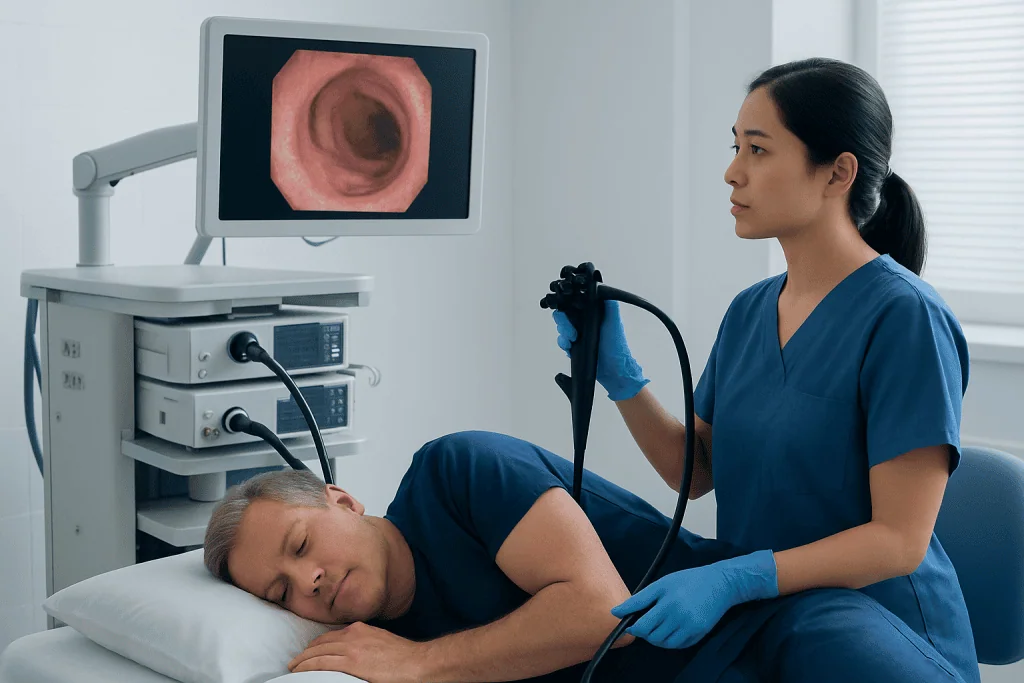
A colonoscopy is a medical procedure used to examine the inside of the large intestine, including the colon and rectum. A doctor inserts a long, thin, flexible tube called a colonoscope through the anus and gently advances it through the bowel. The colonoscope has a light and a camera, allowing the doctor to view the bowel lining on a monitor in real time.
Colonoscopy is both a diagnostic and a preventive procedure. It may be recommended to investigate symptoms such as rectal bleeding, persistent changes in bowel habits, unexplained iron deficiency anemia, chronic diarrhea, or abdominal pain. It is also widely used for colorectal cancer screening because it can detect precancerous growths known as polyps before they become cancer.
One important advantage of colonoscopy is that it can often combine diagnosis and treatment. If the doctor finds polyps, many can be removed immediately during the same procedure. Tissue samples, called biopsies, may also be taken from areas that look inflamed or abnormal; these samples are then examined by a pathologist under a microscope.
Why Colonoscopy May Be Recommended
A doctor may recommend colonoscopy for screening, diagnosis, follow-up, or treatment. In screening, the goal is to find colorectal cancer early or to remove polyps before cancer develops. The recommended starting age and screening interval depend on national guidelines, family history, previous findings, and personal risk factors, so patients should follow advice from their own physician.
Colonoscopy may also be used when symptoms suggest a possible bowel condition. These symptoms can include blood in the stool, black stools, ongoing diarrhea or constipation, unexplained weight loss, recurring abdominal discomfort, or abnormal results from stool tests or imaging. It can help diagnose conditions such as inflammatory bowel disease, diverticular disease, colorectal polyps, and tumors.
Some patients need surveillance colonoscopy after previous polyp removal, colorectal cancer treatment, or a diagnosis of inflammatory bowel disease. Surveillance means checking the bowel at planned intervals to monitor for changes. The timing is individualized according to findings such as the number, size, and microscopic type of previous polyps, as well as the patient’s overall risk profile.
Bowel Preparation: How to Get Ready
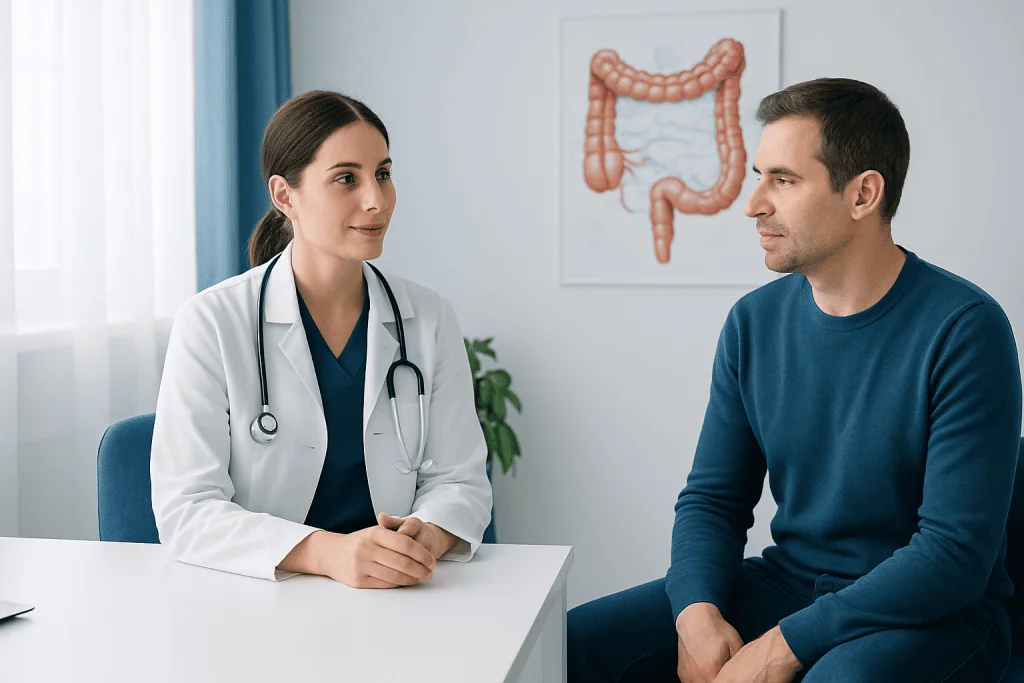
Bowel preparation, often called bowel prep, is the process of emptying the colon before the procedure. It is one of the most important parts of colonoscopy because stool left in the bowel can hide small polyps or make the examination incomplete. Patients receive specific written instructions from their healthcare team and should follow them closely, as preparation schedules vary.
Preparation usually includes dietary changes and a laxative solution or tablets. Many patients are asked to avoid high-fiber foods for a short period before the procedure and then switch to clear liquids the day before. Clear liquids may include water, clear broth, certain juices without pulp, tea or coffee without milk, and approved electrolyte drinks. Red or purple liquids are often avoided because they can resemble blood during the examination.
Common bowel preparation steps may include:
- Following a low-fiber or special diet as instructed before the procedure.
- Drinking only approved clear liquids during the required period.
- Taking the bowel-cleansing medicine exactly as prescribed, often in split doses.
- Staying near a bathroom, because frequent loose stools are expected.
- Informing the medical team about kidney disease, heart disease, diabetes, pregnancy, or previous reactions to laxatives.
Patients should also ask how to manage regular medicines. Blood thinners, diabetes medicines, iron supplements, and some anti-inflammatory medicines may need special instructions, but they should not be stopped without medical advice. Because sedation is usually used, patients are typically asked not to eat or drink for a specified number of hours before the procedure and to arrange for an adult to take them home afterward.
What Happens During the Procedure
On the day of the colonoscopy, the care team confirms the patient’s medical history, allergies, medicines, and consent. An intravenous line may be placed for fluids and sedation. Vital signs such as blood pressure, oxygen level, and pulse are monitored throughout the procedure. Most patients are asked to lie on their left side, although position may be adjusted during the examination.
Sedation or anesthesia support is commonly used to keep the patient relaxed and comfortable. The type of sedation depends on the hospital, the patient’s health status, and local practice. Many people have little or no memory of the procedure. The doctor gently inserts the colonoscope into the rectum and advances it through the colon, using air or carbon dioxide to expand the bowel so the lining can be seen clearly.
The doctor carefully examines the bowel lining while advancing and especially while withdrawing the scope. If a suspicious area is seen, a biopsy can be taken using small instruments passed through the colonoscope. If polyps are found, they may be removed, depending on their size, shape, location, and safety considerations. The procedure length varies, but patients should expect additional time for preparation, monitoring, and recovery.
Polyp Removal and Biopsy Results
Colon polyps are growths that arise from the inner lining of the colon or rectum. Many are benign, but some types can develop into cancer over time. Because it is not possible to know the exact type of a polyp by appearance alone, removed polyps are usually sent to a pathology laboratory for analysis.
Polyp removal during colonoscopy is called polypectomy. Small polyps may be removed with forceps or a wire loop called a snare. Larger or flatter polyps may require more advanced techniques, and in some cases a separate procedure may be planned with a specialist. The doctor may use gentle heat, clips, or other methods to reduce the chance of bleeding when needed.
Pathology results help determine the next steps. The report may describe whether a polyp is hyperplastic, adenomatous, serrated, or another type, and whether there are features that require closer follow-up. Patients should ask when and how they will receive their results, because future colonoscopy timing often depends on the pathology findings as well as the quality of the bowel preparation.
Recovery, Aftercare, and Possible Risks
After colonoscopy, patients are monitored in a recovery area until the sedative effects begin to wear off. Bloating, gas, mild cramping, or a feeling of pressure can occur because air or carbon dioxide was used during the procedure. These symptoms usually improve as the gas passes. Patients should follow the discharge instructions provided by their healthcare team.
Because sedation can affect judgment and coordination, patients should not drive, operate machinery, drink alcohol, or sign important documents for the rest of the day, unless their doctor gives different instructions. Eating can usually resume gradually after the procedure, but some patients may receive special advice if large polyps were removed or if biopsies were taken. Drinking fluids helps replace what was lost during bowel preparation.
Colonoscopy is generally safe when performed by trained professionals, but like all medical procedures it has possible risks. These may include bleeding, especially after polyp removal; a tear in the bowel wall, called perforation; reactions to sedation; infection; or an incomplete examination. Serious complications are uncommon, but patients should understand the warning signs and know whom to contact after discharge.
Prevention and Self-Care Before and After Colonoscopy
Patients can support a successful colonoscopy by preparing early. Reading the instructions several days in advance gives time to buy approved liquids, arrange transport, and ask questions about medicines. If bowel preparation causes nausea, difficulty drinking the solution, or incomplete bowel movements, the patient should contact the care team rather than guessing or skipping steps.
Long-term bowel health also matters. While colonoscopy can detect and remove many polyps, it works best as part of a broader prevention plan. A balanced diet rich in vegetables, fruits, whole grains, and fiber; regular physical activity; maintaining a healthy weight; limiting alcohol; and avoiding tobacco can all support general health. People with family history of colorectal cancer or inherited syndromes may need earlier or more frequent screening.
After the procedure, patients should keep a copy of the colonoscopy report and pathology results. These documents include important details such as how far the scope reached, the quality of bowel preparation, whether polyps were removed, and the recommended follow-up interval. Sharing this information with future healthcare providers helps avoid missed or unnecessary repeat procedures.
When to See a Doctor
Patients should seek medical advice promptly if they develop concerning symptoms after colonoscopy. These include heavy or persistent rectal bleeding, severe or worsening abdominal pain, fever, dizziness, fainting, repeated vomiting, a swollen firm abdomen, or inability to pass gas with increasing discomfort. A small amount of blood may occur after biopsy or polyp removal, but the care team should explain what is expected and what is not.
Before colonoscopy, patients should speak with their doctor if they have significant heart, lung, kidney, or liver disease; diabetes; bleeding disorders; pregnancy; implanted cardiac devices; sleep apnea; or allergies to medicines. They should also provide a complete list of prescription medicines, over-the-counter drugs, supplements, and herbal products. This helps the team plan sedation, bowel preparation, and medication adjustments safely.
International patients who need evaluation for bowel symptoms, colorectal cancer screening, or polyp management can consult qualified gastroenterology teams for individualized guidance. Acibadem International’s multidisciplinary specialists and JCI-accredited hospitals diagnose and treat gastrointestinal conditions for international patients, including colonoscopy-based evaluation and care planning. Decisions should always be made together with a qualified doctor who understands the patient’s medical history.
Frequently asked questions
Is colonoscopy painful?
Most patients receive sedation or anesthesia support, so they usually feel little or no pain during the procedure. Some people feel bloating, gas, or mild cramps afterward, which typically improves within hours. Patients should tell the care team about previous sedation problems or high anxiety so comfort can be planned appropriately.
Why is bowel preparation so important?
A clean colon allows the doctor to see the bowel lining clearly and find small or flat polyps that might otherwise be hidden. Poor preparation can make the examination longer, less accurate, or incomplete. In some cases, the colonoscopy may need to be repeated if the bowel is not clean enough.
Can polyps always be removed during colonoscopy?
Many polyps can be removed during the same colonoscopy, especially if they are small or have a simple shape. Larger, flatter, or more complex polyps may need advanced endoscopic removal or a planned second procedure. The doctor decides the safest approach based on the polyp’s features and the patient’s health.
How soon can normal activities resume after colonoscopy?
Many patients return to normal daily activities the next day, depending on the sedation used and whether any treatment was performed. On the day of the procedure, patients usually should not drive, work with machinery, drink alcohol, or make important decisions. If large polyps were removed, the doctor may recommend temporary activity or diet restrictions.
What happens to removed polyps or biopsy samples?
Removed tissue is usually sent to a pathology laboratory, where it is examined under a microscope. The results help identify the type of polyp or the cause of inflammation and guide follow-up recommendations. Patients should ask when results will be available and whether they need an appointment to discuss them.
How often does colonoscopy need to be repeated?
The interval depends on the reason for the procedure, the quality of bowel preparation, family history, and any findings such as polyps. Some people with normal results may not need another colonoscopy for several years, while others need earlier follow-up. The correct schedule should be confirmed with the treating physician.
References
- World Health Organization
- American College of Gastroenterology
- American Society for Gastrointestinal Endoscopy
- European Society of Gastrointestinal Endoscopy
- National Cancer Institute
This article is for general information only and is not a substitute for professional medical advice. Please consult a qualified doctor about your individual situation.
Persistent digestive symptoms? Get evaluated in Turkey
JCI-accredited · board-certified surgeons · reply within 24h
Check your numbers in seconds
BMI, calories, due date, blood pressure and 30+ more clinical calculators — free, instant, doctor-reviewed ranges.

More from the Health Library
Related Specialists

Prof. Dr. İbrahim Kaya
Orthopedic Surgery & Traumatology
Dr. Necdet Durhan
Emergency Service
Prof. Dr. Ferda Özdemir
Physical Medicine & Rehabilitation
Assoc. Prof. Dr. Müjgan Tek
Cardiology