Crohn’s Disease Treatment Guidelines: How It Works, Results and What to Expect

Crohn's disease is a long-term inflammatory bowel disease that usually requires ongoing specialist follow-up. Current care focuses on controlling inflammation, not only treating symptoms, and checking whether the bowel is healing.
Key Takeaways
- Crohn's disease is a long-term inflammatory bowel disease that usually requires ongoing specialist follow-up.
- Current care focuses on controlling inflammation, not only treating symptoms, and checking whether the bowel is healing.
- Medicines may include corticosteroids for short-term control, immune-modifying medicines, biologic therapies or targeted oral treatments.
- Nutrition, smoking cessation, vaccinations and mental health support are important parts of comprehensive care.
- Surgery may be needed for strictures, fistulas, abscesses or disease that does not respond adequately to medical treatment.
Crohn's disease treatment guidelines recommend an individual plan that aims to reduce intestinal inflammation, relieve symptoms, prevent complications and maintain remission. Treatment is selected according to disease location, severity, complications, previous treatments and the person's overall health and preferences.
Overview: How Crohn's Disease Treatment Guidelines Work
Crohn’s disease treatment guidelines support a personalised, stepwise approach to controlling inflammation in the digestive tract. The main goals are to induce remission when disease is active, maintain remission over time, improve daily functioning and reduce the likelihood of bowel damage, hospital admission or surgery. A gastroenterologist works with the individual to choose treatment based on how active the disease is, where it occurs, whether complications are present and what treatments have already been tried.
Crohn’s disease can affect any part of the gastrointestinal tract, although it commonly involves the small bowel and colon. Symptoms and inflammation do not always match: someone may feel relatively well while inflammation continues, or may have persistent symptoms for reasons other than active inflammation. For this reason, modern care uses symptoms together with blood tests, stool markers, imaging and endoscopy to guide decisions.
There is currently no cure for Crohn’s disease, but many people achieve long periods of remission with appropriate treatment and monitoring. Care may involve gastroenterologists, colorectal surgeons, dietitians, radiologists, specialist nurses and mental health professionals. The approach is designed to be proactive and adjusted as disease activity changes.
What Are the Current Treatment Guidelines for Crohn's Disease?
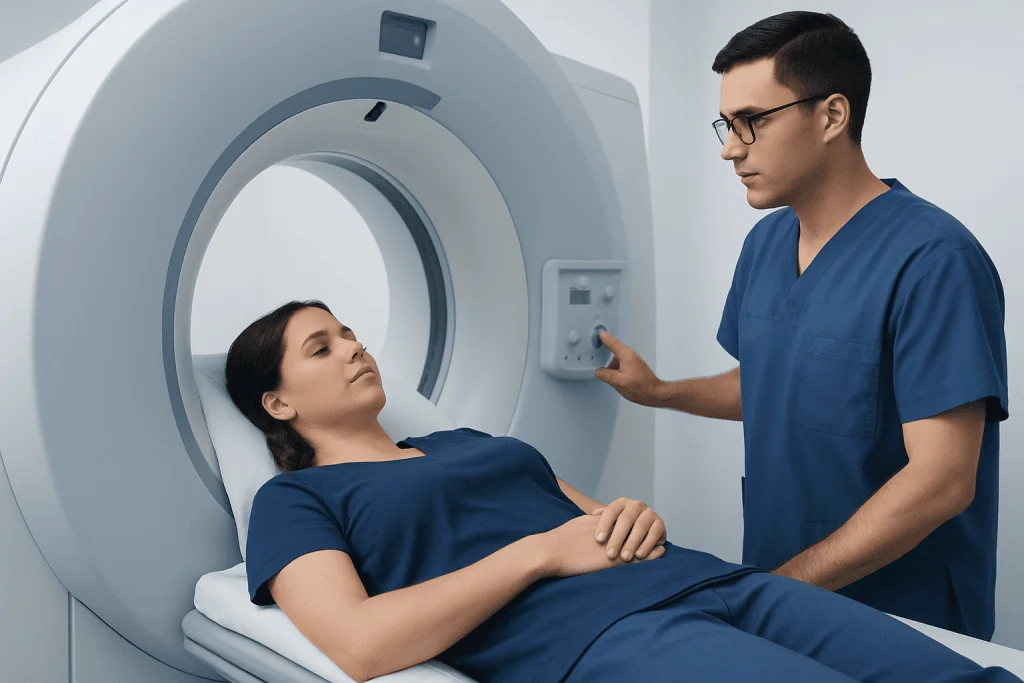
Current treatment guidelines for Crohn’s disease recommend confirming the diagnosis and assessing disease severity before treatment is selected. For mild, localised disease, clinicians may consider approaches that are appropriate to the affected bowel segment. For moderate to severe, extensive, fistulising or high-risk disease, advanced treatments may be recommended earlier rather than waiting for repeated disease flares or complications.
Corticosteroids can reduce inflammation quickly during a flare, but they are not intended for long-term maintenance because of important side effects. Depending on the situation, maintenance treatment may include immunomodulators, biologic medicines that target specific inflammatory pathways, or newer targeted oral medicines. The choice depends on the disease pattern, infection risk, other health conditions, pregnancy planning, treatment history and personal preferences.
A treat-to-target strategy is commonly used. This means the care team agrees on measurable goals, such as symptom improvement, normalisation of inflammatory markers and evidence of healing on endoscopy or imaging. Treatment may be adjusted if these targets are not being reached, even when symptoms have partly improved.
- Induce remission with an effective treatment for active inflammation.
- Use a suitable maintenance medicine to reduce relapse risk.
- Monitor symptoms, blood and stool tests, and bowel inflammation at planned intervals.
- Identify and manage complications, including narrowing, fistulas, abscesses and nutritional deficiencies.
- Support preventive care, including vaccination review, cancer surveillance when indicated and smoking cessation.
Candidacy and Treatment Planning After Diagnosis

Most people with confirmed Crohn’s disease are candidates for treatment and long-term monitoring, but the treatment plan differs substantially between individuals. Factors that can suggest a need for earlier, more intensive therapy include deep ulcers on endoscopy, extensive small-bowel disease, severe symptoms, weight loss, repeated steroid use, fistulas, abscesses, bowel narrowing or a previous bowel operation.
Before starting immune-suppressing or biologic treatment, clinicians usually review medical history, medicines, vaccination status and infection risk. Blood tests may assess blood count, liver and kidney function, inflammation and nutritional status. Screening for infections such as tuberculosis and hepatitis is often required before certain medicines, because immune-targeting treatments can alter how the body responds to infection.
A diagnostic assessment may include colonoscopy with biopsies, magnetic resonance enterography, CT enterography, ultrasound in some settings, and stool tests such as faecal calprotectin. These tests help distinguish active inflammation from scar tissue, infection, irritable bowel symptoms or other conditions. Related information on Crohn's disease may help patients understand the condition and its wider effects.
How Treatment Works: A Step-by-Step Care Pathway
After diagnosis, the first step is to determine whether symptoms reflect active inflammation and whether urgent complications are present. The care team then discusses the treatment goals and selects an induction treatment. For active disease, this may include a short course of corticosteroids in selected cases, nutritional therapy in some situations, or an advanced therapy when disease is moderate to severe or carries a higher risk of complications.
The next step is maintenance treatment. If a medicine is effective, it is usually continued according to the agreed plan while clinicians monitor response and safety. Some treatments are taken by mouth, some are self-injections and others are given by infusion. The route, monitoring needs and expected onset of action are practical considerations that can be discussed with the prescribing team.
Follow-up is not limited to symptom review. Blood tests and stool inflammation markers can provide early information about response. Endoscopy or imaging may be repeated after an appropriate period to assess bowel healing. If a medication is not working adequately, the clinician may optimise the dose or schedule where appropriate, check drug levels for some therapies, switch to another mechanism of action, or reconsider whether symptoms are caused by active Crohn’s disease.
Surgery is not a failure of medical treatment. It can be the most appropriate option for bowel obstruction from a stricture, an abscess, a fistula, perforation, significant bleeding or disease that remains uncontrolled despite suitable medication. Surgery removes or repairs the affected area, but Crohn’s disease can recur elsewhere, so medical follow-up remains important. When needed, Crohn's disease treatment should be coordinated between gastroenterology, surgery and supportive-care specialists.
How Long Does Crohn's Treatment Take to Work?
How quickly Crohn’s treatment works depends on the medicine, the severity of inflammation and the individual response. Corticosteroids may improve symptoms within days to a few weeks, while immune-modifying medicines may take several weeks or longer. Biologic and targeted therapies vary: some people notice improvement relatively early, while others require more time before the full effect can be assessed.
Symptom relief and bowel healing do not occur at exactly the same pace. A person may feel better before inflammation has fully settled, which is why planned monitoring is important. Conversely, persistent pain, diarrhoea or fatigue does not automatically mean treatment has failed; infection, bile acid diarrhoea, scar-related narrowing, nutritional deficiencies or functional bowel symptoms may also contribute.
The treating clinician should explain when a response is expected and when follow-up testing is planned. Patients should not stop, delay or alter prescribed treatment without medical advice, even if they feel well, because maintaining remission often depends on continued therapy.
What to Expect After Being Diagnosed With Crohn's
After being diagnosed with Crohn’s, people can expect a period of assessment, discussion and adjustment while the care team establishes a treatment plan. Early appointments often focus on understanding the disease location and severity, checking for anaemia or nutrient deficiencies, reviewing infection risks and explaining the benefits and possible side effects of treatment options.
Many people benefit from keeping a simple record of bowel symptoms, abdominal pain, food tolerance, weight changes, fever and fatigue. This can help identify changes between visits, but it should not replace medical testing. A dietitian may advise on meeting nutritional needs, particularly during a flare, after bowel surgery or when weight loss, iron deficiency or vitamin deficiencies are present.
Living with a long-term condition can also affect mood, relationships, work and travel. Psychological support, patient education and practical planning can be valuable. Smoking is strongly associated with worse Crohn’s disease outcomes, so stopping smoking is one of the most important lifestyle measures for people who smoke.
What Is a Crohn's Flare-Up Like?
A Crohn’s flare-up is a period when inflammation becomes more active and symptoms increase. It may involve frequent diarrhoea, abdominal cramping or pain, urgent bowel movements, blood or mucus in stool, reduced appetite, fatigue, fever, nausea or unintentional weight loss. Symptoms vary according to the part of the digestive tract affected, and some people also develop joint pain, mouth ulcers, skin changes or eye inflammation.
Not every increase in digestive symptoms is a flare-up. Gastrointestinal infections, medicine side effects, food intolerance and stress-related bowel symptoms can feel similar. Contacting the inflammatory bowel disease team can help determine whether testing is needed before changes are made to treatment.
During an active flare, clinicians may check blood tests, stool tests and sometimes imaging or endoscopy. They may recommend short-term treatment changes, fluid and nutrition support, or evaluation for complications. A person should seek urgent medical assessment for severe or worsening abdominal pain, persistent vomiting, a swollen abdomen, high fever, heavy rectal bleeding, fainting, dehydration or inability to pass stool or gas.
Benefits, Risks, Recovery and When to Seek Medical Care
The potential benefits of effective Crohn’s disease treatment include fewer symptoms, improved energy and nutrition, better quality of life, reduced inflammation and a lower risk of some complications. However, every treatment has possible risks. Corticosteroids can cause effects such as mood changes, raised blood sugar, bone thinning and infection risk when used repeatedly or for prolonged periods. Immune-modifying and biologic therapies may increase susceptibility to certain infections and require regular safety monitoring.
Recovery from a flare varies. Some people improve in days or weeks, while others need a longer period of treatment adjustment and nutritional recovery. After bowel surgery, recovery depends on the operation performed, general health and whether complications were present. The surgical team provides individual guidance on food, activity, wound care and return to work or travel.
Routine follow-up should continue even during remission. Patients should contact their doctor promptly for new or worsening symptoms, medication side effects, signs of infection, unexplained weight loss or difficulty maintaining food and fluids. Emergency care is appropriate for severe symptoms such as suspected bowel obstruction, serious bleeding, severe dehydration or intense abdominal pain with fever.
Acibadem International’s multidisciplinary specialists and JCI-accredited hospitals diagnose and treat Crohn’s disease for international patients, with care plans based on clinical assessment and ongoing follow-up needs.
Frequently asked questions
Can Crohn's disease be cured with treatment?
There is currently no cure for Crohn's disease, but treatment can control inflammation and help many people achieve remission. Ongoing monitoring and maintenance treatment are often needed to reduce the chance of relapse and complications.
Are corticosteroids used for long-term Crohn's disease treatment?
Corticosteroids may be used for short-term control of active inflammation in selected situations. They are generally not recommended as long-term maintenance treatment because repeated or prolonged use can cause significant side effects.
Will everyone with Crohn's disease need surgery?
No. Many people manage Crohn's disease with medication and monitoring, although some will need surgery at some stage. Surgery may be recommended for complications such as strictures, abscesses, fistulas or disease that does not respond adequately to medical treatment.
Can diet alone treat a Crohn's flare-up?
Diet can support nutrition and may help manage individual symptoms, but it does not usually replace medical treatment for active intestinal inflammation. A gastroenterologist and dietitian can provide advice that is appropriate for the person's disease activity and nutritional needs.
How is Crohn's disease monitored in remission?
Monitoring may include symptom review, blood tests, stool markers and, at intervals, endoscopy or imaging. These checks help detect inflammation that may be present before symptoms return and guide treatment decisions.
When should a person with Crohn's disease seek urgent help?
Urgent medical assessment is needed for severe abdominal pain, persistent vomiting, a swollen abdomen, high fever, heavy rectal bleeding, fainting, significant dehydration or inability to pass stool or gas. These symptoms can indicate a complication that requires prompt evaluation.
References
- American Gastroenterological Association
- European Crohn's and Colitis Organisation
- Crohn's & Colitis Foundation
- National Institute of Diabetes and Digestive and Kidney Diseases
- National Health Service
This article is for general information only and is not a substitute for professional medical advice. Please consult a qualified doctor about your individual situation.
Persistent digestive symptoms? Get evaluated in Turkey
JCI-accredited · board-certified surgeons · reply within 24h
Add us as a Preferred Source to see more of our trusted health content across Google Search, AI Overviews and Discover.