Removal of Precancerous Cells From Cervix: Procedure, Recovery and Results

Precancerous cervical cells are not cancer, but some high-grade changes may progress without monitoring or treatment. LEEP is one of the most common outpatient procedures for removing abnormal cervical tissue.
Key Takeaways
- Precancerous cervical cells are not cancer, but some high-grade changes may progress without monitoring or treatment.
- LEEP is one of the most common outpatient procedures for removing abnormal cervical tissue.
- The procedure itself often takes only minutes, although the full appointment may take longer.
- Most people have mild cramping and discharge during recovery and can return to many usual activities within a few days.
- Follow-up HPV testing, Pap testing, and sometimes colposcopy remain important after treatment.
Removal of precancerous cells from cervix is a preventive treatment used when cervical screening and biopsy show abnormal cells that could become cancer over time. Procedures such as LEEP, laser treatment, cryotherapy, or cone biopsy remove or destroy the affected tissue while preserving as much healthy cervix as possible.
Overview: Removal of Precancerous Cells From Cervix
Removal of precancerous cells from cervix is performed to lower the chance that certain abnormal cervical cells will develop into cervical cancer. These changes are usually found through HPV testing, a Pap test, colposcopy, and biopsy. They are commonly described as cervical dysplasia, cervical intraepithelial neoplasia (CIN), or high-grade squamous intraepithelial lesions (HSIL).
Not all abnormal cervical cells need immediate removal. Mild changes often resolve naturally, particularly in younger people, and may be monitored with repeat testing. Treatment is more commonly advised for persistent or high-grade abnormalities because these have a greater likelihood of progressing if left untreated.
The choice of treatment depends on the biopsy result, the location and size of the affected area, pregnancy status, age, future pregnancy plans, medical history, and whether the healthcare team needs a tissue sample for further examination. The goal is to treat abnormal cells effectively while protecting cervical function whenever possible.
How Precancerous Cervical Cells Are Assessed
Abnormal screening results do not confirm cancer. A positive high-risk human papillomavirus (HPV) test or an abnormal Pap test indicates that further assessment may be needed. HPV is common, and many infections clear without causing lasting cell changes.
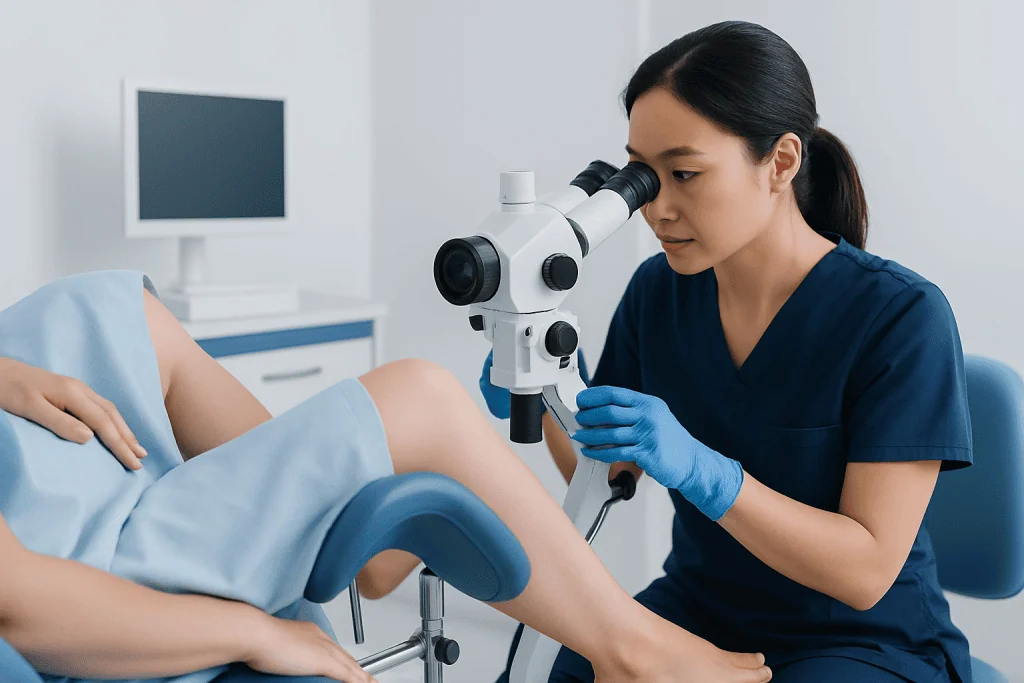
Colposcopy is an examination in which a clinician uses a magnifying instrument to inspect the cervix after applying special solutions. If an area looks abnormal, a small biopsy may be taken. The laboratory result helps identify whether the changes are low grade, high grade, glandular, or potentially more serious.
High-grade changes, such as CIN 2 or CIN 3, are often treated or carefully evaluated because they are more likely to persist or progress. Glandular abnormalities may require particular attention because they can occur higher in the cervical canal. A gynecologist will discuss the findings and recommend an individualized plan.
Related screening and assessment may also help clarify risks associated with cervical cancer and the role of ongoing surveillance after treatment.
How It Works: Options for Removing Abnormal Cells
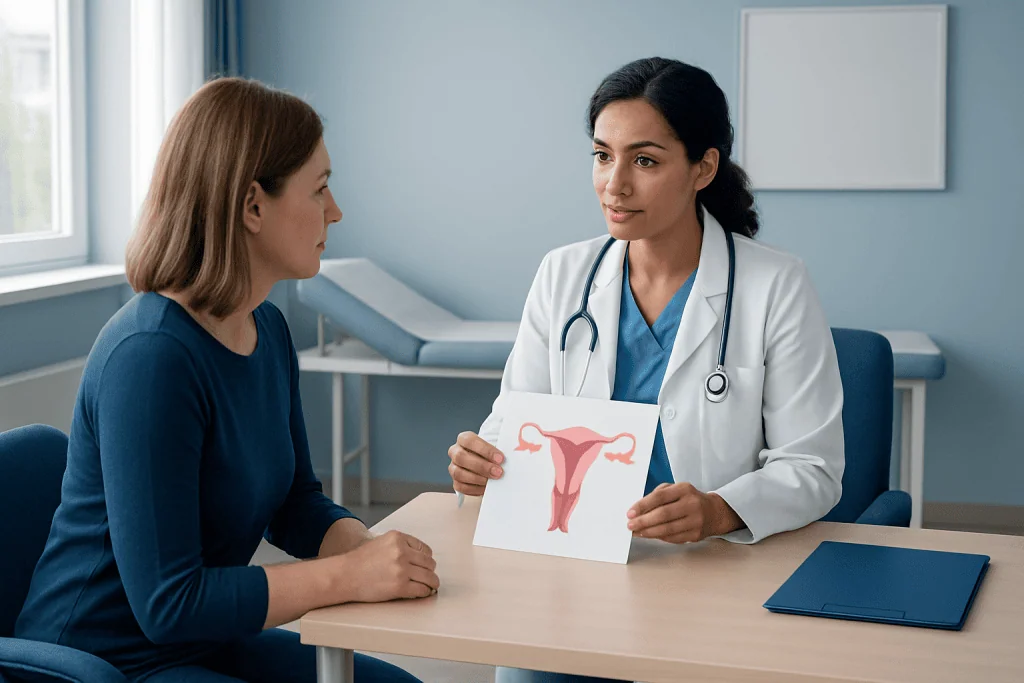
There are two main approaches: excisional treatment, which removes a piece of cervical tissue, and ablative treatment, which destroys the abnormal area without producing a tissue specimen. Excisional procedures are often preferred for high-grade abnormalities because the removed tissue can be examined by a pathologist.
Loop electrosurgical excision procedure (LEEP), also called large loop excision of the transformation zone, uses a thin wire loop carrying electrical current to remove abnormal tissue. It is commonly completed with local anesthesia in an outpatient setting. A cone biopsy, or conization, removes a deeper cone-shaped section of the cervix and may be recommended when abnormal cells extend into the cervical canal, results are uncertain, or a more complete specimen is needed.
Ablative options may include cryotherapy, which freezes tissue, thermal ablation, or laser treatment. These options are appropriate only in selected cases, usually when the entire abnormal area can be seen and invasive cancer has been excluded. The clinician will explain why one method is more suitable than another.
For people advised to have excisional management, LEEP procedure treatment may offer both removal of abnormal cells and information about the tissue margins.
Candidacy and Step-by-Step Procedure
A person may be a candidate for treatment when biopsy confirms high-grade cervical changes, when a lower-grade abnormality persists, or when test results suggest an area that needs a more complete assessment. Pregnancy, active infection, bleeding concerns, and plans for future pregnancies are considered carefully before scheduling treatment.
Before the procedure, the clinician reviews medications, allergies, pregnancy possibility, prior cervical procedures, and recent test results. Some people may be advised to avoid scheduling treatment during heavy menstrual bleeding. A pregnancy test may be performed when relevant.
During LEEP, the person lies in an examination position similar to that used for a Pap test. A speculum gently holds the vagina open, local anesthetic is injected into the cervix, and a fine wire loop removes the targeted tissue. A medicated paste or electrical cautery may be used to control bleeding. The sample is sent to a laboratory for analysis.
For cone biopsy, anesthesia and the setting may vary. The clinician removes a larger or deeper sample with a scalpel, laser, or loop technique. Following either procedure, the pathology report helps determine whether the abnormal area was fully removed and what follow-up is needed.
How Long Does It Take to Remove Precancerous Cells From the Cervix?
The active part of a LEEP procedure often takes about 10 to 20 minutes, although the complete appointment may last longer to allow for preparation, explanation, local anesthesia, and recovery before going home. Cone biopsy can take longer and may be performed in a procedure room or operating theater, depending on the technique and anesthesia used.
Most people having LEEP return home on the same day. They may feel brief cramping during or shortly after treatment. The pathology report is usually available after the tissue has been examined, and the timing varies by laboratory and healthcare setting.
Recovery of the cervix takes several weeks. Even when a person feels well within a few days, it is important to follow the clinician’s instructions regarding intercourse, tampons, swimming, baths, strenuous exercise, and vaginal medications while the cervix heals.
Recovery Timeline, Benefits and Possible Risks
In the first few days after a LEEP or cone biopsy, mild cramping, light bleeding, and a dark or watery discharge can occur. This is commonly related to healing and to products used to control bleeding. Many people resume desk work and gentle daily activities quickly, but individual advice may differ after a larger cone biopsy.
Over the next two to four weeks, discharge or spotting may continue and can sometimes increase briefly as the treated surface heals. The clinician may recommend avoiding vaginal intercourse, tampons, douching, and swimming until healing is confirmed or for a specified period. A follow-up visit or repeat testing is used to assess recovery and treatment results.
The main benefit is a substantial reduction in the likelihood that high-grade abnormalities will remain or progress. However, treatment does not eliminate HPV in every case, and new or persistent abnormalities can occur. Continued surveillance is therefore essential.
Possible risks include bleeding, infection, narrowing of the cervical opening, and incomplete removal of abnormal cells. Excisional procedures can also be associated with a small increase in the risk of preterm birth in a future pregnancy, especially after deeper or repeated excisions. Anyone planning pregnancy should discuss this balance with a gynecologist.
How Serious Are Precancerous Cells in the Cervix?
Precancerous cervical cells are important to address, but they are not the same as cervical cancer. Their presence means that cells have changed in a way that may, in some cases, progress over time. The seriousness depends largely on the grade of the abnormality, whether high-risk HPV persists, and the findings from colposcopy and biopsy.
Low-grade changes frequently return to normal without treatment and can often be safely monitored. High-grade changes are more significant because they are less likely to resolve and have a higher long-term potential to progress. This is why clinicians may recommend removal, particularly for confirmed CIN 3 or persistent CIN 2.
Regular cervical screening and timely follow-up make cervical precancer highly manageable. Most people treated for high-grade abnormalities do not develop cervical cancer, particularly when they attend recommended follow-up appointments.
How Long Does It Take for Precancerous Cervical Cells to Turn to Cancer?
When progression occurs, it typically takes years rather than weeks or months for precancerous cervical changes to develop into cancer. The timeline is variable and cannot be predicted precisely for one person. Many low-grade abnormalities resolve, while some high-grade abnormalities can persist or progress if they are not monitored or treated.
Persistent infection with a high-risk HPV type is the main factor behind most cervical precancers and cancers. Smoking, a weakened immune system, and lack of regular screening can also increase the chance that abnormal changes will persist or progress.
Because progression is usually slow, screening programs are effective at identifying changes before cancer develops. However, a recommended colposcopy, biopsy, or treatment should not be delayed without discussing the reason with a qualified clinician.
How Successful Is LEEP for Precancerous Cells?
LEEP is an established and effective treatment for many high-grade precancerous cervical changes. It removes the area of concern and provides tissue for laboratory examination, which can show the type of abnormality and whether abnormal cells extend to the edge of the specimen.
No procedure can guarantee that abnormal cells or HPV will never return. The chance of persistent or recurrent changes is influenced by the original diagnosis, HPV status, margin findings, immune health, and whether follow-up testing is completed. A clear treatment margin is reassuring, but ongoing surveillance remains necessary even when margins are clear.
Follow-up often includes HPV-based testing, Pap testing, and sometimes colposcopy at intervals recommended by the treating clinician. Attending these visits is one of the most important parts of achieving a good long-term outcome.
Prevention, Follow-Up and When to Seek Medical Care
HPV vaccination can prevent infection with HPV types responsible for many cervical cancers and precancers. It may still be beneficial for some adults who have already been exposed to HPV, depending on age and health history. Routine cervical screening remains important even after vaccination and after successful treatment for precancer.
People can also support cervical health by avoiding smoking, using barrier protection to reduce the risk of sexually transmitted infections, and attending all recommended screening and follow-up appointments. There is no proven home remedy that removes precancerous cervical cells, so medical assessment should not be replaced by self-treatment.
Medical advice should be sought promptly after a cervical procedure for heavy bleeding, severe or worsening pelvic pain, fever, foul-smelling discharge, dizziness, or symptoms that feel concerning. Before treatment, urgent assessment is also appropriate for unusual bleeding after sex, bleeding between periods, persistent pelvic pain, or a new unexplained vaginal discharge.
Acibadem International’s multidisciplinary specialists and JCI-accredited hospitals diagnose and treat cervical abnormalities for international patients, with individualized evaluation and follow-up planning.
Frequently asked questions
Is removal of precancerous cells from cervix painful?
Most people feel pressure and brief cramping during a LEEP procedure. Local anesthesia is commonly used to numb the cervix. Mild cramps or discomfort may continue for a short time afterward, and the healthcare team can advise on suitable pain relief.
Can precancerous cervical cells come back after LEEP?
Yes, abnormal cells can persist or recur after LEEP, especially if high-risk HPV remains present. This does not mean the procedure failed, but it is why follow-up HPV and cervical screening tests are important. Regular surveillance can identify recurrent changes early.
Can a person get pregnant after LEEP?
Many people have healthy pregnancies after LEEP. However, removal of cervical tissue may slightly increase the chance of pregnancy-related cervical shortening or preterm birth, particularly after a deeper or repeated procedure. A person planning pregnancy should tell their obstetrician about any prior cervical treatment.
How long should sex be avoided after LEEP?
The recommended period varies, but clinicians often advise avoiding vaginal intercourse until the cervix has healed, commonly for several weeks. Tampons, douching, and swimming may also be restricted during this time. The treating clinician's specific instructions should be followed.
Do precancerous cervical cells always need treatment?
No. Some low-grade abnormalities can resolve without treatment and may be monitored with repeat screening or colposcopy. High-grade or persistent abnormalities are more likely to require treatment because of their higher potential to progress over time.
What happens if the LEEP pathology margins are positive?
Positive margins mean abnormal cells were found at the edge of the removed tissue, suggesting that some changes may remain. The next step may be closer surveillance, repeat testing, or occasionally additional treatment. The decision depends on the pathology result, HPV testing, age, fertility plans, and other clinical factors.
References
- World Health Organization
- American College of Obstetricians and Gynecologists
- Centers for Disease Control and Prevention
- National Cancer Institute
- American Society for Colposcopy and Cervical Pathology
This article is for general information only and is not a substitute for professional medical advice. Please consult a qualified doctor about your individual situation.
Oncology care in Turkey — second opinion and treatment plan
JCI-accredited · board-certified surgeons · reply within 24h
Add us as a Preferred Source to see more of our trusted health content across Google Search, AI Overviews and Discover.

More from the Health Library


Related Specialists

Asst. Prof. Dr. Kemal Ünal
Gastrointestinal Oncology Unit Clinical Service
Prof. Dr. Zeynep Yezdan Fırat
Otorhinolaryngology
Assoc. Prof. Dr. Yasemin Koyuncu
Dermatology
Dr. Yusuf Hakan Abacı
Orthopedic Surgery & Traumatology