Dystonia Treatment Options: Medicines, Injections, and Neuromodulation

Dystonia is a movement disorder that causes involuntary muscle contractions and abnormal postures. Treatment depends on the type of dystonia, the body area affected, symptom severity, and the underlying cause.
Key Takeaways
- Dystonia is a movement disorder that causes involuntary muscle contractions and abnormal postures.
- Treatment depends on the type of dystonia, the body area affected, symptom severity, and the underlying cause.
- Botulinum toxin injections are a common and effective treatment for many focal dystonias.
- Oral medicines, physical therapy, and occupational or speech therapy can play an important supportive role.
- Deep brain stimulation may help some people with generalized or difficult-to-control dystonia.
- Accurate diagnosis by a movement disorders specialist helps guide the most appropriate treatment plan.
Dystonia treatment options are designed to reduce involuntary muscle contractions, improve comfort, and support daily function. Care is individualized and may include medicines, botulinum toxin injections, rehabilitation, and selected neuromodulation procedures.
Overview of Dystonia and Its Treatment
Dystonia is a neurological movement disorder that causes muscles to contract involuntarily. These contractions can lead to twisting movements, repetitive motions, tremor-like activity, or unusual postures. Dystonia may affect one body part, such as the neck, eyelids, hand, or voice box, or it may involve several regions of the body.
Dystonia treatment options aim to reduce symptoms, improve daily function, and support quality of life. While treatment does not always cure the condition, many people achieve meaningful relief with the right combination of therapies. Care is often tailored over time because symptoms can vary from person to person and may change in intensity.
Doctors usually choose treatment based on the type of dystonia, the muscles involved, the person’s age, and whether there is an identifiable underlying cause. In some cases, addressing the cause—such as a medication trigger or another neurological condition—can improve symptoms. In others, long-term symptom management is the main goal.
Dystonia is one of several movement disorders, so assessment by a clinician with expertise in this area can be especially helpful. A structured treatment plan may include medicines, injections, rehabilitation therapies, and, for selected patients, neuromodulation procedures.
Symptoms and How Dystonia Affects Daily Life
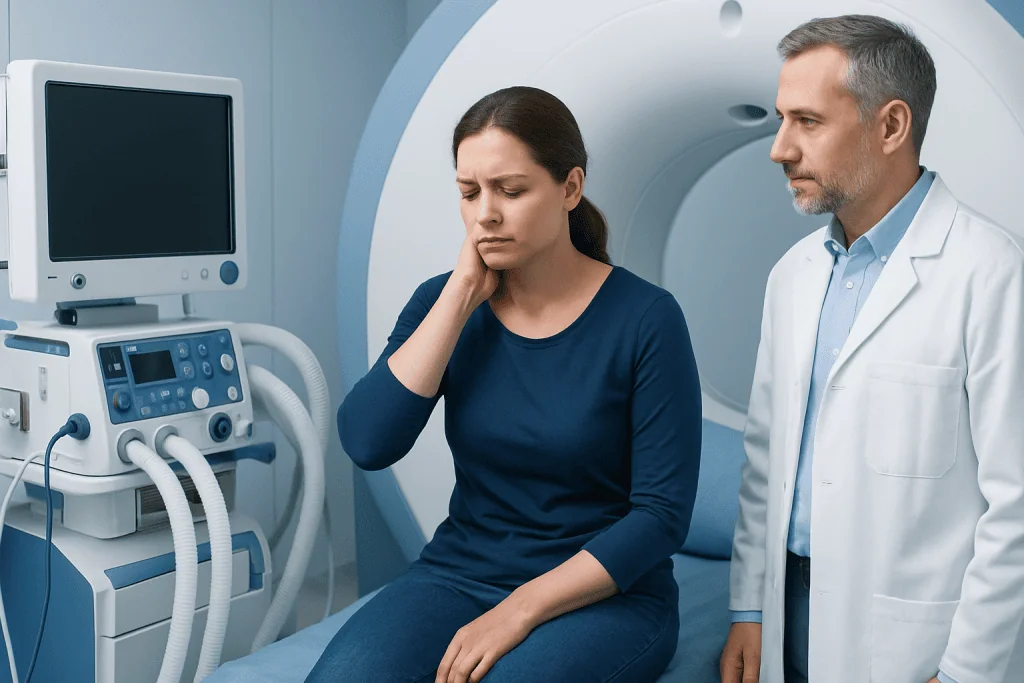
The symptoms of dystonia depend on which muscles are affected. Some people notice intermittent cramping, pulling, blinking, or twisting at first. Others develop sustained abnormal postures or repetitive movements that become more noticeable with stress, fatigue, speaking, writing, or walking.
Common forms include cervical dystonia, which affects the neck; blepharospasm, which causes involuntary eyelid closure; hand dystonia, which may interfere with writing or skilled tasks; and oromandibular or laryngeal dystonia, which can affect chewing, speaking, or the voice. Generalized dystonia can involve the trunk and limbs and may have a broader impact on mobility and independence.
Symptoms may be painful, especially when strong muscle contractions are prolonged. They can also cause embarrassment, frustration, sleep disruption, or difficulty with work and social activities. Some people have sensory tricks, also called gestes antagonistes, such as lightly touching the face or chin, that briefly reduce the abnormal movement.
Because symptoms can resemble other neurological problems, proper evaluation is important. Dystonia may occur on its own or alongside other conditions, and it can sometimes overlap with Parkinson’s disease or other disorders that affect movement.
Causes and Risk Factors

Dystonia can be classified in several ways. It may be primary, meaning it occurs without another clear neurological disease, or secondary, meaning it is linked to another condition or trigger. Secondary causes can include stroke, traumatic brain injury, certain medications, infections, metabolic disorders, or neurodegenerative disease.
Genetics can play a role in some forms of dystonia, especially when symptoms begin in childhood or run in families. Adult-onset focal dystonia is often not linked to a single clear cause, although inherited susceptibility may still contribute. Repetitive, highly skilled movements may be associated with task-specific dystonias in some people, such as musician’s dystonia or writer’s cramp.
Medication-related dystonia may occur as an acute reaction or as part of a longer-term movement disorder pattern, depending on the drug involved. This is one reason it is important for patients to share a full list of prescription medicines, over-the-counter drugs, and supplements during evaluation.
Risk factors vary by type of dystonia. Age at onset, family history, prior neurological injury, and exposure to dopamine-blocking medications may all matter. Even when no single cause is found, this does not mean symptoms are not real or treatable; it simply means treatment focuses primarily on careful symptom control and functional improvement.
How Dystonia Is Diagnosed
Dystonia is diagnosed mainly through a detailed medical history and neurological examination. A doctor will ask when symptoms began, whether they are task-specific, what makes them better or worse, and whether there is pain, tremor, or other neurological symptoms. Video recordings of symptoms during daily activities can sometimes help clarify the pattern.
The examination looks at posture, muscle activity, coordination, gait, and the distribution of abnormal movements. Identifying the exact muscles involved is important because it helps guide treatment, especially if injections are being considered. In many cases, a movement disorders specialist provides the most precise assessment.
There is no single test that confirms all forms of dystonia. However, blood tests, brain imaging, or genetic tests may be recommended when doctors suspect an underlying cause, especially in younger patients or when symptoms are widespread or rapidly changing. These tests help rule out conditions that may require specific treatment.
If speech, swallowing, or walking are affected, additional evaluation by rehabilitation specialists may be useful. The diagnostic process also helps distinguish dystonia from conditions such as spasticity, tics, functional movement disorders, and tremor. This step matters because the best treatment strategy depends on an accurate diagnosis.
Medicines and Injection-Based Treatment Options
Medicines for dystonia are chosen according to symptom pattern, severity, and side-effect tolerance. Oral treatment may include anticholinergic medicines, muscle relaxants, benzodiazepines, or other drugs that influence brain signaling involved in muscle control. These medicines can help some patients, but benefit is often partial, and side effects such as drowsiness, dry mouth, or cognitive slowing may limit use.
For many focal dystonias, botulinum toxin injections are considered a main treatment. The medication is injected into selected overactive muscles to reduce excessive contraction. This approach is commonly used for cervical dystonia, blepharospasm, hand dystonia, and some facial or voice-related dystonias. The effect is temporary, so injections are usually repeated at regular intervals determined by the treating doctor.
Successful injection treatment depends on identifying the correct muscles and dosing them carefully. Some specialists use electromyography or ultrasound guidance to improve accuracy in deeper or smaller muscles. Patients are usually monitored for benefit and any unwanted weakness so the treatment plan can be adjusted over time. This type of care may be part of a broader botulinum toxin treatment plan for movement disorders.
Not every patient responds the same way to oral medicines or injections, and sometimes a combination works best. If dystonia is linked to another neurological condition, treatment may also include therapies for that disorder. In selected people whose symptoms remain disabling despite medication and injections, doctors may discuss more advanced options such as deep brain stimulation.
Neuromodulation, Surgery, and Rehabilitation
Neuromodulation refers to treatments that alter abnormal brain signaling involved in movement disorders. In dystonia, the best-known option is deep brain stimulation, or DBS. This procedure involves placing electrodes in specific brain regions connected to a device that delivers controlled electrical stimulation. DBS does not cure dystonia, but it can significantly reduce symptoms in carefully selected patients.
DBS is generally considered for people with generalized dystonia, certain inherited dystonias, or severe focal or segmental dystonia that has not responded well to other treatments. Benefits often develop gradually over weeks to months, which is different from some other movement disorders. Careful patient selection, brain imaging, surgical planning, and device programming are all important to the final result. More broadly, this approach falls under neuromodulation therapies used in complex neurological conditions.
Rehabilitation is also a key part of treatment. Physical therapy may help posture, range of motion, balance, and strategies to reduce muscle overuse. Occupational therapy can support hand function, work adaptations, and daily tasks. Speech and language therapy may help when the voice, swallowing, or facial muscles are affected.
In some cases, pain management, psychological support, and stress-reduction strategies are valuable additions. Living with a chronic movement disorder can be exhausting, and emotional well-being influences symptom perception and coping. A multidisciplinary approach often helps patients manage both the physical and practical effects of dystonia more effectively.
Self-care, Long-Term Management, and Follow-up
Self-care does not replace medical treatment, but it can help patients manage symptoms more consistently. Adequate sleep, stress management, regular movement, and avoiding activities that worsen strain may reduce day-to-day symptom burden for some people. Keeping a symptom diary can also help identify patterns, triggers, and the timing of treatment benefit.
Because dystonia often changes over time, regular follow-up is important. Medicines may need dose adjustments, injection patterns may need refinement, and rehabilitation goals may shift as daily needs change. Patients should tell their doctor if they notice new symptoms, spreading to other body regions, increasing pain, or side effects from treatment.
Supportive devices or workplace adjustments can also be useful in selected cases. Examples include ergonomic tools, writing adaptations, voice conservation strategies, or positioning changes to reduce muscle strain. These practical steps can make a meaningful difference in comfort and independence.
Near the end of the care pathway, some people benefit from review at a center with multidisciplinary expertise. Acibadem International’s multidisciplinary specialists and JCI-accredited hospitals diagnose and treat dystonia for international patients, including evaluation for advanced therapies when appropriate.
When to See a Doctor
A person should see a doctor if they develop unexplained muscle spasms, twisting movements, repeated blinking, abnormal neck posture, hand cramping during specific tasks, or changes in voice that suggest involuntary muscle activity. Early assessment can improve comfort and may make treatment planning easier, especially if symptoms are interfering with work, mobility, reading, driving, or sleep.
Urgent medical attention is needed if abnormal muscle contractions begin suddenly after starting a new medication, especially if they affect the jaw, tongue, throat, or breathing. Sudden new neurological symptoms such as weakness, numbness, severe headache, confusion, or loss of balance also need prompt evaluation because they may point to another condition rather than dystonia alone.
People already diagnosed with dystonia should contact their doctor if current treatment is no longer helping, if pain increases, or if side effects become bothersome. Follow-up is also important when symptoms spread to new muscle groups or begin affecting swallowing, speech, or safety during walking.
A movement disorders specialist can help clarify the diagnosis and discuss the full range of dystonia treatment options. Even when symptoms have been present for a long time, reassessment may uncover additional ways to improve function and quality of life.
Frequently asked questions
What is the most effective treatment for dystonia?
The most effective treatment depends on the type of dystonia and the muscles involved. For many focal dystonias, botulinum toxin injections are often very helpful. Other people benefit from oral medicines, therapy, or deep brain stimulation if symptoms are severe or widespread.
Can dystonia be cured?
Some cases of dystonia improve if the underlying cause can be identified and treated, such as a medication reaction. However, many forms are managed rather than permanently cured. Even so, treatment can often reduce symptoms and improve daily functioning significantly.
How long do botulinum toxin injections last for dystonia?
The effects are temporary and usually wear off over time, so repeat treatment is commonly needed. The exact interval varies from person to person and depends on the muscles treated, the dose used, and the individual's response. A specialist adjusts future treatments based on benefit and side effects.
Who may be a candidate for deep brain stimulation?
Deep brain stimulation may be considered for some people with generalized dystonia or severe focal or segmental dystonia that does not improve enough with medicines and injections. Suitability depends on the dystonia type, overall health, brain imaging findings, and specialist evaluation. It is usually discussed in experienced centers with movement disorder and neurosurgery teams.
Does physical therapy help dystonia?
Physical therapy can be a useful part of treatment, especially for posture, flexibility, balance, and reducing secondary strain. It may not stop involuntary contractions by itself, but it can improve comfort and movement patterns. Occupational or speech therapy may also help depending on the body area affected.
Can stress make dystonia worse?
Yes, many people notice that stress, fatigue, or anxiety can make symptoms more noticeable. This does not mean dystonia is psychological; it is a neurological condition, but symptom intensity can be influenced by everyday stressors. Stress-management strategies can be a helpful addition to medical care.
References
- National Institute of Neurological Disorders and Stroke
- National Organization for Rare Disorders
- American Academy of Neurology
- Dystonia Medical Research Foundation
- Mayo Clinic
This article is for general information only and is not a substitute for professional medical advice. Please consult a qualified doctor about your individual situation.
Neuromodulation in Turkey — costs, top hospitals & a free quote
JCI-accredited · board-certified surgeons · reply within 24h
Add us as a Preferred Source to see more of our trusted health content across Google Search, AI Overviews and Discover.

Neurology
Diagnosis and treatment of disorders of the brain, spinal cord, nerves and muscles.
51 specialists in this unit