Ebv Treatment: How It Works, Results and What to Expect

Most acute Epstein-Barr virus infections improve with supportive care rather than a specific antiviral medicine. Rest, hydration and symptom relief are central to EBV treatment, particularly when EBV causes infectious mononucleosis.
Key Takeaways
- Most acute Epstein-Barr virus infections improve with supportive care rather than a specific antiviral medicine.
- Rest, hydration and symptom relief are central to EBV treatment, particularly when EBV causes infectious mononucleosis.
- Recovery commonly takes several weeks, but tiredness can persist for weeks or occasionally longer.
- Avoid contact sports and heavy lifting if an enlarged spleen is suspected or confirmed.
- Urgent medical care is needed for breathing or swallowing difficulty, severe abdominal pain, fainting, dehydration or jaundice.
EBV treatment is usually supportive because there is no routine antiviral treatment that reliably clears Epstein-Barr virus infection. Rest, fluids, nutrition and appropriate symptom relief help most people recover, while medical assessment is important for severe symptoms, possible complications or prolonged illness.
EBV Treatment: How It Works
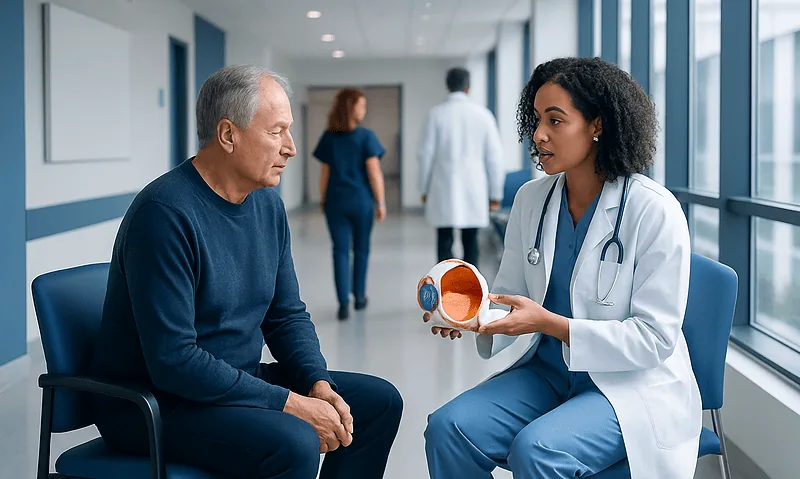
EBV treatment focuses on helping the body recover from Epstein-Barr virus (EBV) infection and managing symptoms safely. There is no standard medicine that eliminates EBV from the body during uncomplicated infection. Most people receive supportive care, which means adequate rest, fluids, nourishing food and medicines recommended by a clinician for fever, sore throat or discomfort.
EBV is a very common virus and a leading cause of infectious mononucleosis, often called mono. Illness can range from mild to more noticeable, with fatigue, fever, sore throat and swollen lymph nodes. The immune system usually controls the active infection over time, although EBV remains inactive in the body afterward.
An EBV treatment protocol is therefore individualized rather than a fixed procedure. A clinician considers the person’s symptoms, hydration, breathing and swallowing ability, activity level, medical history and signs of complications. Antibiotics do not treat EBV itself, but may occasionally be used if testing confirms a separate bacterial infection.
Who May Need Assessment and How EBV Is Diagnosed
Many people with mild symptoms can recover at home with medical guidance. A clinical assessment is especially useful when symptoms are significant, persist longer than expected, affect work or school, or resemble another illness. Children, older adults, pregnant people and people with weakened immune systems may need more individualized evaluation.
To understand how to diagnose EBV, a clinician begins with symptoms and an examination. They may check the throat, lymph nodes, liver and spleen. Blood tests can look for changes in blood cells and antibodies associated with EBV; however, antibody results must be interpreted in context because they can indicate a current, recent or past infection.
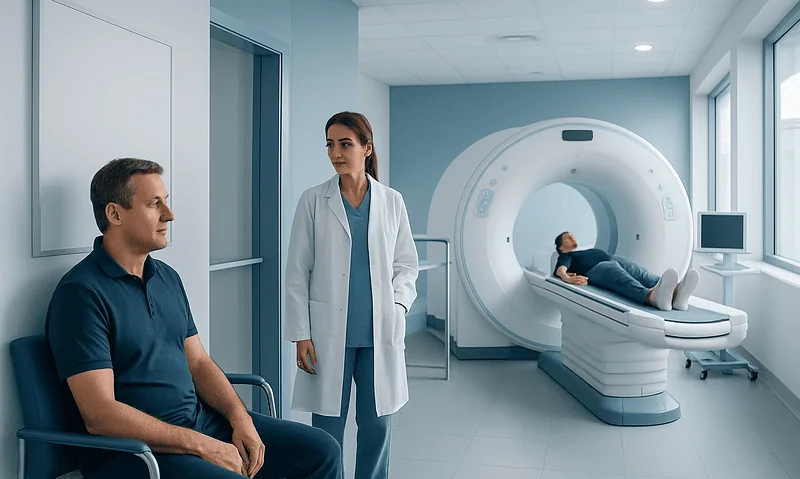
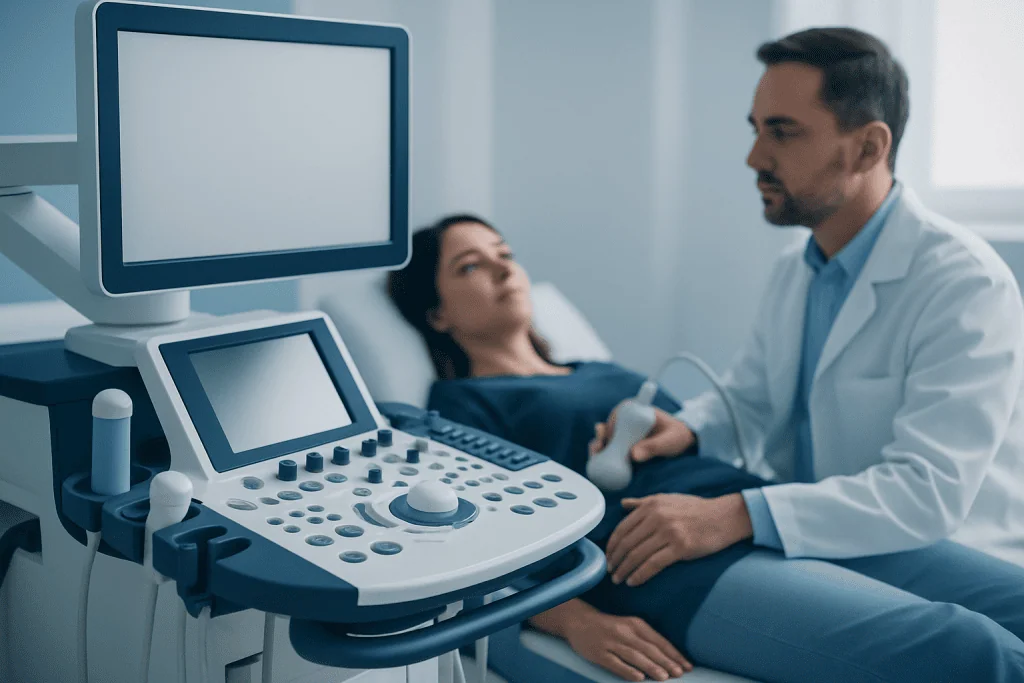
Further testing may be appropriate when the diagnosis is uncertain or complications are a concern. For example, tests for strep throat, other viral infections, liver function or blood counts may be considered. Imaging is not routinely necessary, but may be used when abdominal symptoms raise concern about spleen enlargement or another cause.
What EBV Care Looks Like Step by Step

There is no invasive EBV procedure for most people. Care usually starts with a consultation, symptom review and examination. If testing is needed, it may be arranged at the same visit or shortly afterward. The clinician then explains a practical home-care plan and gives guidance about activity, medicines and follow-up.
Supportive measures commonly include drinking enough fluids, resting more than usual and choosing soft foods if swallowing is painful. Over-the-counter pain and fever medicines may help when they are appropriate for the individual. A pharmacist or doctor can advise which options are safe, particularly for people with liver disease, kidney disease, stomach ulcers, blood-thinning medicines or other health conditions.
Corticosteroids are not routinely used for uncomplicated EBV infection. They may be considered by specialists in selected serious situations, such as substantial airway swelling or certain blood-related complications. Antiviral medicines are also not standard treatment for typical mono because they have not been shown to meaningfully improve the usual course of uncomplicated illness.
EBV treatment research continues to explore the virus’s role in different conditions and possible targeted therapies. This research does not mean that most people with acute EBV need specialized drug treatment. For typical infection, careful symptom management and monitoring remain the evidence-based approach.
Recovery Timeline, Benefits and Possible Risks
The main benefit of supportive EBV treatment is improved comfort while the immune system controls the infection. Fever and throat discomfort often begin to ease within one to several weeks. Energy may return more gradually, so pacing activities and allowing time for recovery can reduce the chance of feeling overwhelmed by fatigue.
EBV treatment duration varies. Many people feel substantially better within two to four weeks, although fatigue may continue for several weeks and, in some cases, longer. Returning to work, school, exercise or travel should be gradual and guided by symptoms and a clinician’s advice rather than a fixed calendar date.
A key safety issue is possible spleen enlargement during mono. Because an enlarged spleen can be vulnerable to injury, clinicians commonly recommend avoiding contact sports, vigorous exercise and heavy lifting until recovery is well established and it is safe to resume activity. The exact restriction period should be individualized.
Complications are uncommon but can include dehydration, severe throat swelling, liver inflammation, low blood cell counts or spleen injury. Risks from treatment are generally related to unsuitable medication use, such as taking products that are not appropriate for a person’s medical history. Medical advice helps keep symptom relief safe and targeted.
What Foods Should You Avoid With EBV?
There is no special diet proven to cure EBV. During an acute illness, it is helpful to avoid alcohol because EBV can temporarily affect the liver, and alcohol may add strain while recovery is underway. A clinician may advise avoiding alcohol until symptoms have resolved and any abnormal liver tests have returned to normal.
People with a painful throat may find it easier to avoid foods that are sharp, highly acidic, very spicy or difficult to swallow. Choosing fluids, soups, yogurt, soft fruits, cooked vegetables and other gentle foods can make eating more comfortable. Frequent small meals may be easier when appetite is low.
Very high-dose supplements, restrictive diets and unproven “detox” products are not established EBV treatments and may cause harm or interact with medicines. A balanced intake of fluids, protein, fruits, vegetables and carbohydrate-rich foods supports general recovery. Anyone with ongoing nausea, poor intake or signs of dehydration should seek medical advice.
How Long Is a Person Contagious With EBV?
EBV spreads mainly through saliva, including kissing and sharing drinks, eating utensils, toothbrushes or lip products. A person may be contagious before they recognize they are ill and can continue to shed virus in saliva for months after an acute infection. EBV may also reactivate without symptoms and be shed intermittently later in life.
Because the period of viral shedding is variable, there is no precise day when every person is no longer contagious. During illness and recovery, it is sensible to avoid kissing and sharing objects that contact the mouth. Hand hygiene and covering coughs or sneezes can also reduce the spread of respiratory secretions.
Complete isolation is usually not required for otherwise well people, but following local school, workplace or healthcare guidance is sensible if fever or significant symptoms are present. The most practical prevention is avoiding saliva-sharing behaviors, especially around infants, people with weakened immune systems and others who may be more vulnerable to infection.
Do 95% of People Have Epstein-Barr?
Yes. More than 90% of adults worldwide have been infected with Epstein-Barr virus, and estimates are often described as around 95% in many populations. Many infections happen in childhood and cause no symptoms or only a mild, nonspecific illness.
When first infection occurs during adolescence or young adulthood, it is more likely to cause the recognizable symptoms of infectious mononucleosis. Having EBV antibodies usually means a person was infected at some point in the past; it does not by itself mean they have an active illness or need treatment.
Because EBV is so widespread, a positive test should always be interpreted by a qualified clinician alongside symptoms and the timing of illness. This helps distinguish recent infection from past exposure and avoids unnecessary concern or treatment.
When to Seek Medical Care
Medical care should be sought promptly for trouble breathing, inability to swallow saliva, severe weakness, signs of dehydration, confusion, persistent high fever, yellowing of the eyes or skin, or a severe headache with neck stiffness. Sudden or worsening pain in the upper left abdomen, left shoulder pain, dizziness or fainting requires urgent assessment because it can rarely signal a spleen problem.
A doctor should also review symptoms that are not improving, prolonged fatigue that disrupts daily life, new rash, worsening throat pain or concerns about returning to exercise. People who are immunocompromised or have significant chronic conditions should contact their healthcare team early if EBV is suspected.
Acibadem International’s multidisciplinary specialists and JCI-accredited hospitals assess and treat EBV-related illness for international patients when evaluation is needed. Care plans are based on symptoms, test results and the person’s overall health, with appropriate follow-up when recovery is prolonged or complications are suspected.
Frequently asked questions
How long does it take to feel better from EBV?
Many people notice improvement in fever and sore throat within one to several weeks. Fatigue often takes longer to resolve and may last several weeks or occasionally longer. Recovery is individual, so a doctor should assess symptoms that worsen or do not improve as expected.
Is there a cure for EBV?
There is no routine treatment that removes EBV from the body. Most acute infections improve with rest, hydration and treatment aimed at relieving symptoms. EBV remains inactive in the body after infection in most people.
What foods should you avoid with EBV?
Alcohol should be avoided during acute illness because EBV may temporarily affect the liver. If the throat is painful, it can also help to avoid sharp, acidic or spicy foods that make swallowing uncomfortable. A balanced diet and adequate fluids are more useful than restrictive diets or unproven supplements.
How long is a person contagious with EBV?
People can spread EBV through saliva before symptoms start and for months after an acute infection. Viral shedding can also occur intermittently later without symptoms. Avoiding kissing and sharing drinks, utensils or toothbrushes helps reduce spread.
Do 95% of people have Epstein-Barr?
More than 90% of adults worldwide have evidence of past EBV infection, and around 95% is often cited in many populations. Most people are infected during childhood and do not develop obvious illness. A positive antibody test does not necessarily mean there is an active infection.
Can someone exercise during EBV recovery?
Light activity may be possible once fever and significant symptoms have improved, but recovery should be gradual. Contact sports, heavy lifting and vigorous exercise may need to be avoided because EBV can enlarge the spleen. A clinician should advise when it is safe to return to full activity.
References
- Centers for Disease Control and Prevention
- World Health Organization
- National Institute of Allergy and Infectious Diseases
- Mayo Clinic
This article is for general information only and is not a substitute for professional medical advice. Please consult a qualified doctor about your individual situation.
Explore treatments in Turkey — costs, top hospitals & a free quote
JCI-accredited · board-certified surgeons · reply within 24h
Add us as a Preferred Source to see more of our trusted health content across Google Search, AI Overviews and Discover.