Emphysematous — Explained by Medical Evidence, Not Myths

Emphysematous usually means changes consistent with emphysema or trapped air in the lungs. The most common cause is long-term smoking, but air pollution, occupational exposure, and genetic factors can also contribute.
Key Takeaways
- Emphysematous usually means changes consistent with emphysema or trapped air in the lungs.
- The most common cause is long-term smoking, but air pollution, occupational exposure, and genetic factors can also contribute.
- Symptoms often develop gradually and may include shortness of breath, chronic cough, wheezing, and reduced exercise tolerance.
- Diagnosis may involve a physical exam, lung function tests, imaging, and oxygen assessment.
- Treatment focuses on symptom control, slowing progression, smoking cessation, pulmonary rehabilitation, and selected procedures when appropriate.
- Prompt medical review is important if breathing suddenly worsens, chest pain occurs, or oxygen levels seem low.
Emphysematous is a medical term that usually describes changes related to emphysema, a chronic lung condition in which the air sacs are damaged and breathing becomes less efficient. It is a descriptive term rather than a diagnosis by itself, and proper evaluation helps clarify the cause, severity, and treatment needs.
Overview: what “emphysematous” means
Emphysematous is a descriptive medical term, not a complete diagnosis on its own. In most everyday clinical use, it refers to changes seen in the lungs that are typical of emphysema, a form of chronic obstructive pulmonary disease (COPD). These changes involve damage to the tiny air sacs in the lungs, called alveoli, which makes it harder for the lungs to exchange oxygen efficiently.
When a scan or report mentions “emphysematous changes” or “emphysematous lungs,” it generally means the lungs show areas of overexpansion, air trapping, or loss of normal elastic support. This can explain symptoms such as breathlessness, reduced stamina, or a chronic cough. The term may appear on chest X-rays, CT scans, or in a clinician’s examination notes.
Although emphysema is the most common meaning, the word emphysematous can occasionally be used in other medical contexts to describe the presence of air in tissues. For most patients, however, the question is about the lungs. A doctor interprets the term together with symptoms, smoking history, breathing tests, and imaging findings to decide what it means for that individual person.
Symptoms and how it may feel
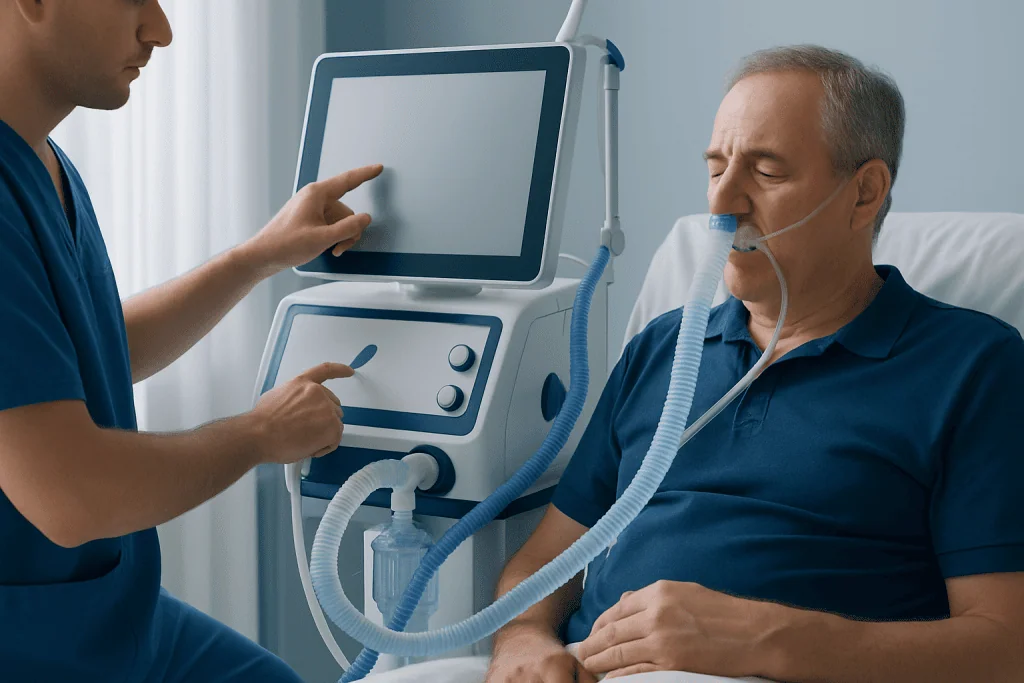
Emphysematous lung disease often develops slowly. Many people first notice becoming short of breath during activities that used to feel manageable, such as climbing stairs, walking uphill, or carrying groceries. Over time, even everyday tasks may require more effort.
A chronic cough may be present, with or without mucus. Some people also experience wheezing, chest tightness, or a feeling that they cannot fully exhale. Fatigue is common because breathing takes more work, and poor oxygen exchange can lower exercise tolerance. In later stages, weight loss, reduced muscle strength, or frequent flare-ups may occur.
Common symptoms can include:
- Shortness of breath, especially with exertion
- Chronic cough
- Wheezing or noisy breathing
- Chest tightness
- Reduced ability to exercise
- Frequent respiratory infections
Some people have significant emphysematous changes on imaging before symptoms become severe. Others may feel unwell despite only modest findings on a scan. Because symptoms can overlap with asthma, heart disease, infections, and other lung conditions, a structured medical assessment is important.
Causes and risk factors
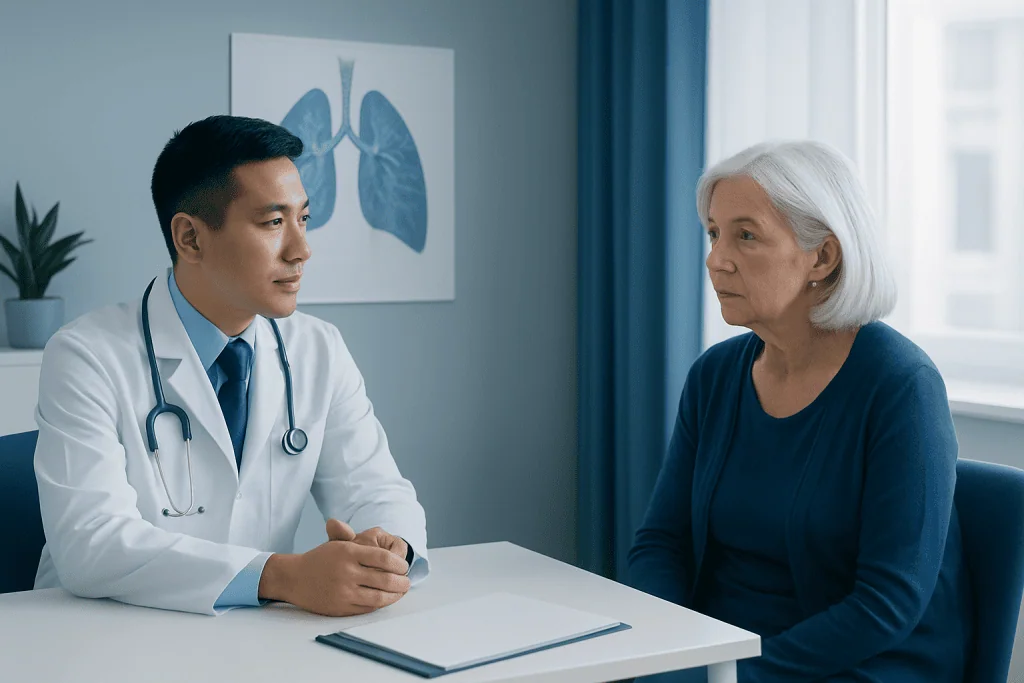
The leading cause of emphysematous lung damage is long-term exposure to cigarette smoke. Tobacco smoke triggers inflammation and gradually destroys the walls of the air sacs, reducing the surface area available for oxygen exchange. This also makes the lungs less elastic, so air becomes trapped during exhalation.
Not everyone with emphysematous changes has a smoking history. Other risk factors include secondhand smoke, long-term exposure to air pollution, chemical fumes, dust, and biomass fuel smoke. Occupational exposure in mining, construction, manufacturing, or agricultural settings may also increase risk when respiratory protection is limited.
A less common but important cause is alpha-1 antitrypsin deficiency, an inherited condition that can lead to emphysema at a younger age, sometimes even in people who have never smoked. A doctor may consider this possibility if symptoms begin early, if there is a family history, or if emphysema seems disproportionate to smoking exposure.
Emphysematous changes are closely related to COPD, though not every person with COPD has the same pattern of lung injury. Some have more emphysema, while others have more chronic bronchitis or airway inflammation. Identifying the dominant pattern helps guide management.
How doctors diagnose emphysematous changes
Diagnosis begins with a conversation about symptoms, smoking or exposure history, past lung infections, family history, and exercise tolerance. During a physical examination, a doctor may listen for reduced breath sounds, wheezing, or signs that breathing is taking extra effort. The exam alone is not enough to confirm the condition, but it helps direct the next steps.
Lung function testing, especially spirometry, is central to evaluation. This test measures how much air a person can breathe out and how quickly. It helps detect airflow limitation and assess severity. Depending on the situation, doctors may also measure total lung volumes, diffusion capacity, and blood oxygen levels using pulse oximetry or arterial blood gas testing.
Imaging adds useful detail. A chest X-ray can suggest hyperinflation, but a CT scan often shows emphysematous changes more clearly and can map which parts of the lungs are most affected. This is especially helpful when symptoms are significant, the diagnosis is uncertain, or advanced treatment options are being considered.
If symptoms overlap with other conditions, doctors may assess for asthma, heart disease, sleep-related breathing disorders, or infection. In some cases, care may involve both diagnostic imaging and specialized evaluation by a pulmonology team to build a complete picture.
Treatment options and long-term management
Treatment does not reverse existing emphysematous damage, but it can reduce symptoms, improve daily function, lower flare-up risk, and slow further decline. The most important step for people who smoke is smoking cessation. Stopping smoking at any stage can provide meaningful benefit and remains the single most effective action for protecting lung function.
Medications may include inhaled bronchodilators to open the airways and, in selected cases, inhaled corticosteroids. Doctors choose treatment based on symptoms, flare-up history, and the overall pattern of COPD or emphysema. Vaccinations against influenza and pneumococcal disease are also important because respiratory infections can cause major setbacks.
Pulmonary rehabilitation is often one of the most effective non-drug treatments. These structured programs combine exercise training, breathing techniques, education, and energy-conservation strategies. Many people find that rehabilitation improves confidence and helps them stay active more safely.
Some patients need oxygen therapy if blood oxygen levels remain low. In carefully selected cases with severe emphysema, advanced options such as lung volume reduction approaches or surgery may be discussed. If symptoms are severe or the diagnosis is complex, a specialist may also evaluate whether thoracic surgery has a role within a broader care plan.
Prevention and self-care
Prevention focuses on reducing exposure to anything that damages the lungs. Not smoking is the most powerful preventive step, and people who currently smoke should be supported in quitting without judgment. Avoiding secondhand smoke, improving indoor air quality, and using protective equipment in dusty or chemical-heavy workplaces can also help protect lung health.
Daily self-care matters after diagnosis. Staying physically active within safe limits helps preserve endurance and muscle strength. Many patients benefit from learning paced breathing, such as pursed-lip breathing, which can make exhalation easier during activity. Eating balanced meals, maintaining a healthy weight, and getting enough sleep also support breathing efficiency.
Respiratory infections can worsen symptoms quickly, so hand hygiene, seasonal vaccination, and early attention to colds or flu-like illness are sensible precautions. People with chronic lung disease should follow their inhaler plan carefully and ask a clinician to review inhaler technique regularly, since correct use affects how well treatment works.
For people with advanced symptoms or repeated flare-ups, a coordinated plan is useful. This may include regular follow-up, rehabilitation, home oxygen review if prescribed, and education on when to seek urgent help. At specialized centers, international patients may be evaluated by multidisciplinary specialists; Acibadem International’s JCI-accredited hospitals provide diagnosis and treatment for lung conditions, including emphysema, when clinically appropriate.
When to seek medical care
Medical review is important if a person develops ongoing breathlessness, a chronic cough, wheezing, or a decline in exercise tolerance, especially with a smoking history or long-term exposure to dust, fumes, or pollution. Early assessment can help confirm whether emphysematous changes are present and identify treatable factors before symptoms become more limiting.
Urgent care is needed if shortness of breath suddenly becomes worse, breathing is difficult at rest, lips or fingertips look bluish, chest pain develops, confusion appears, or a person cannot speak comfortably because of breathlessness. These symptoms may indicate a serious flare-up, low oxygen, infection, or another emergency requiring prompt attention.
People already diagnosed with emphysema or COPD should contact a doctor if cough or mucus changes noticeably, fever develops, rescue inhalers are needed more often, or usual activities become much harder. Having a clear action plan from a clinician can make it easier to respond early and safely.
Frequently asked questions
Is emphysematous the same as emphysema?
Not exactly. Emphysematous is a descriptive term that usually means there are changes typical of emphysema, often seen on an exam or imaging report. A doctor uses this term along with symptoms and test results to decide whether the person has emphysema or another related lung problem.
Can emphysematous changes be reversed?
The structural lung damage from emphysema is generally not reversible. However, treatment can improve symptoms, reduce flare-ups, and help slow further decline. Stopping smoking is especially important because it can prevent additional injury.
Does emphysematous mean someone has COPD?
Often, but not always. Emphysema is one of the main forms of COPD, so emphysematous changes frequently occur within COPD. A full diagnosis depends on lung function tests, symptoms, and medical history.
What test best shows emphysematous lungs?
A CT scan usually shows emphysematous changes more clearly than a standard chest X-ray. Still, spirometry is also very important because it measures how the lungs are functioning. Doctors often use both imaging and breathing tests to make decisions.
Can a person have emphysematous changes without symptoms?
Yes. Some people have mild or moderate changes on imaging before they notice obvious breathing problems. Even when symptoms are minimal, medical follow-up can help identify risk factors and support lung-protective habits.
Is emphysematous lung disease caused only by smoking?
No. Smoking is the most common cause, but long-term exposure to air pollution, workplace dust or fumes, and secondhand smoke can also contribute. Inherited alpha-1 antitrypsin deficiency is another recognized cause in some patients.
References
- World Health Organization
- National Heart, Lung, and Blood Institute
- American Lung Association
- Global Initiative for Chronic Obstructive Lung Disease
- Centers for Disease Control and Prevention
This article is for general information only and is not a substitute for professional medical advice. Please consult a qualified doctor about your individual situation.
Emphysema in Turkey — costs, top hospitals & a free quote
JCI-accredited · board-certified surgeons · reply within 24h
Add us as a Preferred Source to see more of our trusted health content across Google Search, AI Overviews and Discover.

More from the Health Library



Related Specialists

Assoc. Prof. Dr. Sevgi Topal
Pediatric Intensive Care Unit
Dr. Serdar Değer
Cardiology
Assoc. Prof. Dr. Muharrem Koçyiğit
Anesthesiology
Prof. Dr. Süleyman Çetinkünar
General Surgery