Endo Surgery Position: Procedure, Recovery and Results

Most endometriosis surgery is performed by laparoscopy under general anaesthesia. Patients are commonly placed on their back with legs supported, often with a gentle head-down tilt during part of surgery.
Key Takeaways
- Most endometriosis surgery is performed by laparoscopy under general anaesthesia.
- Patients are commonly placed on their back with legs supported, often with a gentle head-down tilt during part of surgery.
- Recovery varies with the extent of surgery, but early gentle movement is usually encouraged rather than prolonged bed rest.
- Many people return to desk-based work within one to two weeks after uncomplicated laparoscopy, while extensive surgery may require longer.
- Urgent medical advice is needed for worsening pain, fever, heavy bleeding, breathing difficulty or signs of a blood clot after surgery.
Endo surgery position usually refers to the way a patient is positioned for laparoscopic surgery to diagnose or treat endometriosis. The position, anaesthesia and safety supports are carefully planned so the surgical team can access the pelvis while protecting comfort, circulation and breathing.
Overview: What Does Endo Surgery Position Mean?
Endo surgery position usually means the body position used during surgery for endometriosis. Endometriosis is a condition in which tissue similar to the lining of the uterus grows outside the uterus, often affecting the ovaries, pelvic lining, bowel, bladder or tissues around the uterus. Surgery may be used to confirm the diagnosis, remove visible endometriosis, treat ovarian endometriomas, release adhesions or address complications affecting nearby organs.
Most procedures are performed using laparoscopy, also called keyhole surgery. The patient is asleep under general anaesthesia and is usually positioned on the back with the legs supported in padded stirrups. For part of the operation, the operating table may be tilted slightly head-down, known as the Trendelenburg position. This lets the bowel move gently away from the pelvis, helping the surgeon see the uterus, ovaries and other pelvic structures more clearly.
Positioning is an important safety step rather than a treatment itself. The team uses padding, secure supports and regular checks to reduce pressure on nerves, muscles and skin while maintaining safe access for anaesthesia and surgery. The exact position can differ when bowel, bladder or chest involvement is suspected, or when a combined operation with other specialists is planned.
How Endometriosis Surgery Works and Who May Benefit
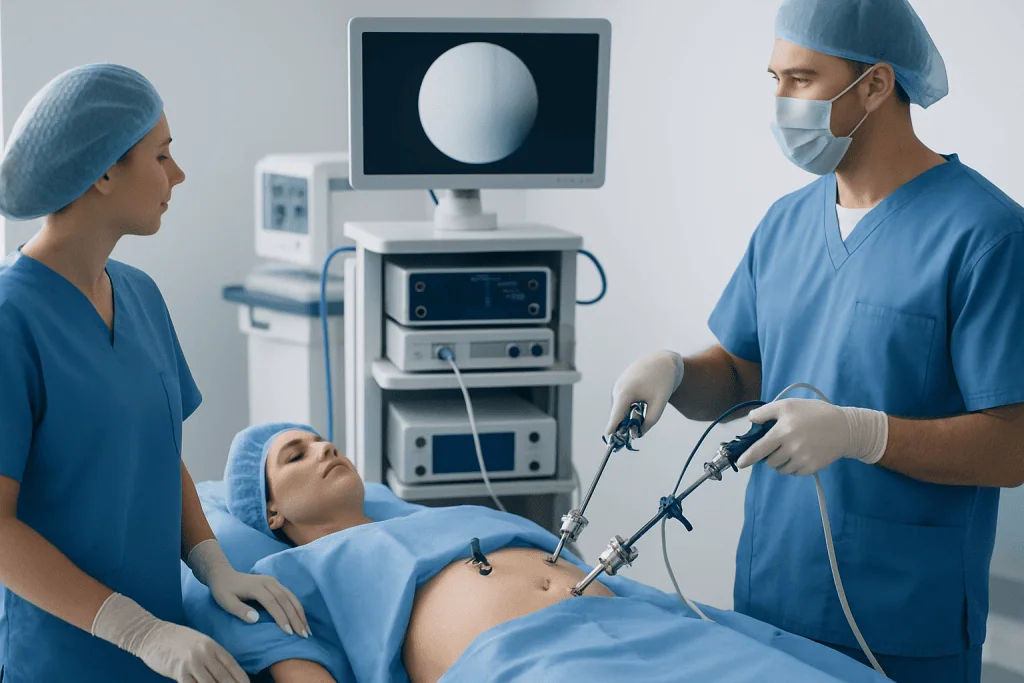
Endometriosis surgery is not required for everyone. Symptoms can often be managed with pain relief, hormonal treatment or both, depending on a person’s goals and medical history. Surgery may be considered when pain remains significant despite treatment, imaging suggests an ovarian endometrioma or deep endometriosis, fertility concerns need assessment, or there is concern that endometriosis is affecting the bowel, bladder, ureters or other organs.
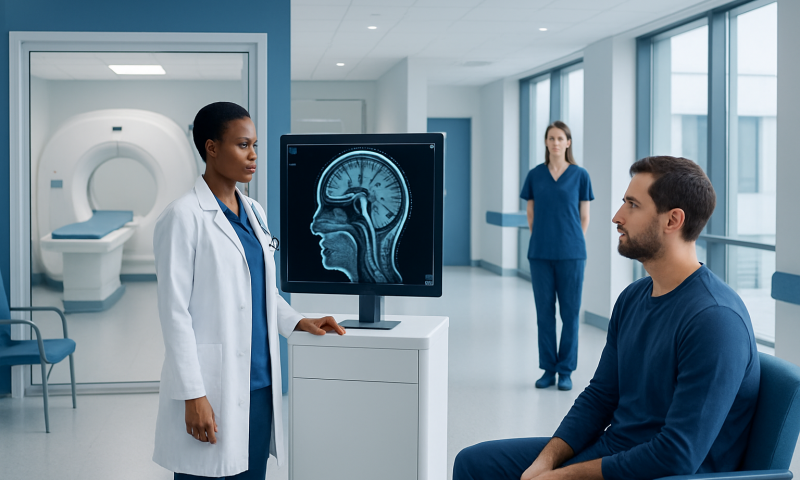
A gynecologist will consider symptoms, examination findings, ultrasound or magnetic resonance imaging results, previous surgery, pregnancy plans and personal preferences. Imaging can help map suspected disease, although a normal scan does not always rule out endometriosis. Laparoscopy may allow diagnosis and treatment during the same operation, but the decision should be individualized.
The planned approach may include removing endometriosis lesions, dividing scar tissue called adhesions, removing an endometrioma from an ovary, or excising deeper disease. Excision means cutting out visible disease where it is safe to do so; the appropriate technique depends on the location and extent of disease. Patients can learn more about endometriosis and discuss whether surgery is likely to support their priorities, such as pain management, fertility or preservation of organ function.
Step by Step: What Happens During Endo Surgery?
Before surgery, patients usually have a preoperative assessment that reviews medicines, allergies, past operations, anaesthetic history and medical conditions. They receive instructions about fasting, and may be advised to adjust certain medicines. Depending on the planned procedure, bowel preparation or input from colorectal or urology specialists may be needed.
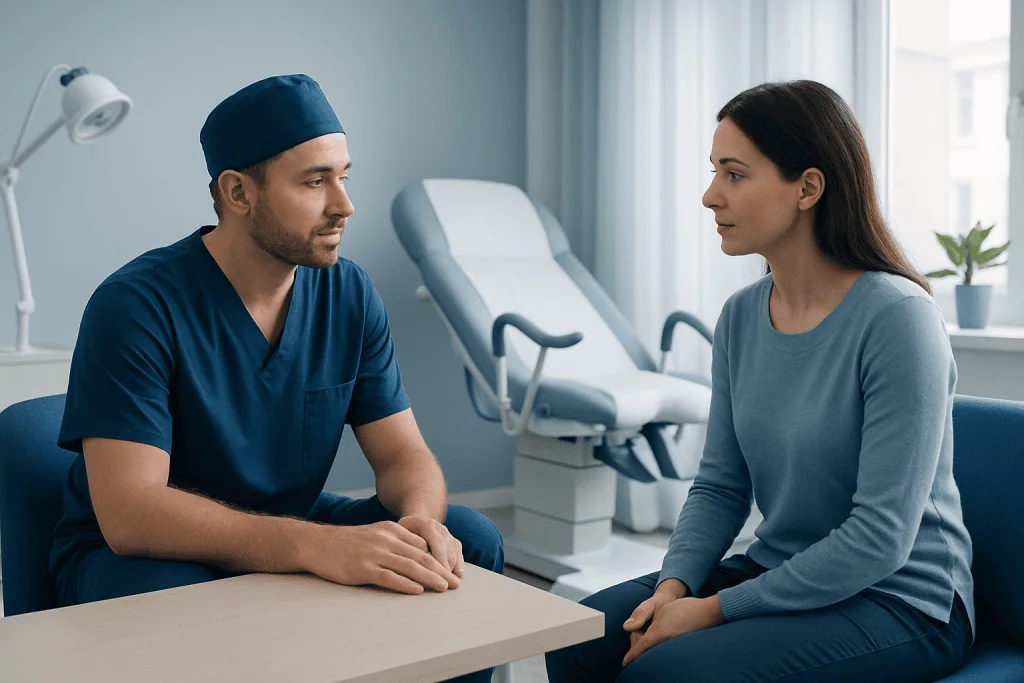
In the operating room, the patient receives general anaesthesia and is placed in the planned endo surgery position. The legs are supported and padded, the arms are positioned safely, and compression devices may be used on the legs to help reduce clot risk. A urinary catheter may be placed for longer or more complex operations and is commonly removed soon after surgery.
The surgeon makes a small incision, often near the navel, to introduce a laparoscope: a slim camera that displays images from inside the abdomen. Carbon dioxide gas is used to create working space, and a few additional small incisions may be made for surgical instruments. The surgeon inspects the pelvis and abdomen, treats planned areas of disease and may send tissue for laboratory examination when appropriate.
At the end of the procedure, the gas is released, incisions are closed and dressings are applied. Many patients go home the same day or after one night. More extensive surgery, especially surgery involving the bowel, bladder, diaphragm or multiple organs, may involve a longer hospital stay and a coordinated care plan. Endometriosis surgery should be discussed with a gynecologic surgeon experienced in the suspected pattern of disease.
Benefits, Limits and Possible Risks
Surgery may reduce endometriosis-related pain, improve mobility or daily functioning, remove an endometrioma, clarify the diagnosis and address distortion of pelvic anatomy caused by adhesions. For some people trying to conceive, surgery may be part of a broader fertility plan. However, outcomes vary, and surgery does not guarantee pain relief, pregnancy or permanent control of endometriosis.
Endometriosis can recur, and pain can have more than one cause. Ongoing hormonal treatment may be recommended after surgery for patients who do not wish to become pregnant immediately, as it can help reduce the chance of symptoms returning. Follow-up decisions should account for symptom response, surgical findings and reproductive goals.
All surgery carries risks. These include bleeding, infection, reactions to anaesthesia, wound problems, blood clots and injury to nearby structures such as the bowel, bladder, ureters, nerves or blood vessels. The likelihood depends in part on the complexity and location of disease, prior surgery and the procedures required. More complex deep endometriosis may need care from a multidisciplinary team that includes gynecology, colorectal surgery, urology, pain specialists and fertility professionals.
A surgeon should explain expected benefits, alternatives, possible complications and the chance of needing a larger incision or additional procedures before consent is given. Asking about the planned surgical goals and what will happen if unexpected disease is found can help patients prepare with confidence.
What Does Endo Surgery Recovery Look Like?
Recovery after endo surgery often begins with tiredness, abdominal soreness, light vaginal bleeding or spotting, and discomfort around the small incisions. Shoulder-tip pain or bloating can occur for a few days because of the gas used during laparoscopy. Pain relief prescribed or recommended by the clinical team, fluids, regular small meals and gentle walking can make this early period more manageable.
Most people are encouraged to get up and move carefully on the day of surgery or soon afterwards. Gentle movement supports circulation, bowel function and recovery, but strenuous exercise, heavy lifting and penetrative sex should wait until the surgeon says it is safe. Showering and wound-care instructions vary, so patients should follow the specific advice given at discharge.
During the first one to two weeks, energy can fluctuate. Some patients feel substantially better within days after uncomplicated laparoscopy, while others need more time. Recovery may be longer after extensive excision, ovarian surgery, bowel or bladder surgery, or a laparotomy, which uses a larger abdominal incision. A planned follow-up appointment is an opportunity to review pathology results, symptoms and longer-term treatment options.
Keeping a brief record of pain, bowel and bladder changes, bleeding and medication effects can be useful at follow-up. If fertility is a concern, a gynecologist may also discuss IVF treatment or other reproductive options in the context of age, ovarian reserve, fallopian tube function, sperm factors and the surgical findings.
How Long Should You Rest After Endometriosis Surgery?
After uncomplicated laparoscopic endometriosis surgery, most people need several days of reduced activity and may benefit from planning roughly one to two weeks for a gradual return to usual routines. Rest is important, particularly in the first few days, but recovery is generally supported by alternating rest with short, gentle walks and simple daily activities as tolerated.
The required recovery period can be longer when surgery has been extensive or has involved the bowel, bladder, ureters or a larger abdominal incision. In these situations, the surgeon may advise several weeks before a return to unrestricted activity. Pain, fatigue, wound healing, bowel function and the nature of a person’s work all affect the timeline.
Patients should not judge recovery against another person’s experience. Increasing activity gradually and following the surgical team’s restrictions is safer than rushing or remaining inactive for too long. Persistent or worsening symptoms should be discussed with the treating clinician.
How Long Should I Be Off Work After Endo Surgery?
After a straightforward laparoscopy, some people with sedentary or flexible jobs return to work after about one to two weeks. A longer absence may be needed for roles that involve lifting, prolonged standing, driving, demanding physical activity or limited access to breaks. Fatigue and concentration can also be affected briefly after anaesthesia and surgery.
Following more complex endometriosis surgery, recovery from a laparotomy, or surgery involving bowel or bladder repair, time away from work is often longer and should be guided by the surgeon. A medical certificate or individualized work plan may help arrange a phased return, temporary changes in duties or remote work where appropriate.
Driving should not resume until the person is no longer taking sedating pain medicines and can comfortably perform an emergency stop. A clinician can provide advice based on the procedure performed and the individual recovery progress.
How Much Bed Rest Is Required After a Laparoscopy? When to Seek Medical Care
Prolonged bed rest is usually not required after laparoscopy. Patients generally rest at home and avoid overexertion, while getting up regularly for short walks as advised. Early, gentle movement helps lower the risk of blood clots and may ease gas discomfort and constipation. The treating team may give different instructions if there were complications or additional procedures.
Patients should contact their surgical team promptly if they develop a fever, worsening rather than improving abdominal pain, persistent vomiting, increasing redness, swelling or discharge from a wound, heavy vaginal bleeding, difficulty passing urine, or severe constipation with increasing abdominal swelling. New calf pain or swelling, chest pain, fainting or shortness of breath requires urgent medical assessment.
Acibadem International’s multidisciplinary specialists and JCI-accredited hospitals diagnose and treat endometriosis for international patients, including cases that may require coordinated gynecologic, colorectal, urologic, fertility or pain care. Individual advice from the operating team remains the most reliable guide for recovery, activity and follow-up after surgery.
Frequently asked questions
What is the usual endo surgery position?
For laparoscopic endometriosis surgery, patients are commonly positioned on their back with their legs supported in padded stirrups. The operating table may be gently tilted head-down for part of the procedure so the surgeon can see the pelvic organs more clearly. The patient is under general anaesthesia and does not feel or remember the positioning.
How long should you rest after endometriosis surgery?
After uncomplicated laparoscopy, many people need several days of substantial rest and one to two weeks to build back toward usual daily activities. More extensive surgery can require several weeks of recovery. The surgical team’s instructions should take priority because the appropriate timeline depends on what was done during surgery.
How long should I be off work after endo surgery?
Desk-based work may be possible after around one to two weeks following uncomplicated laparoscopic surgery, depending on pain and energy levels. Physically demanding work often requires more time, and complex surgery may require a longer leave period. A surgeon can provide an individualized estimate and documentation for work if needed.
What does endo surgery recovery look like?
Early recovery can include tiredness, abdominal discomfort, incision soreness, mild spotting, bloating and shoulder-tip pain from surgical gas. These symptoms usually improve gradually over days to weeks. Gentle walking, adequate fluids, wound care and prescribed pain management are commonly part of recovery.
How much bed rest is required after a laparoscopy?
Extended bed rest is generally not advised after laparoscopy unless a clinician specifically recommends it. Rest periods should be balanced with short, gentle walks and regular movement while awake. This supports circulation, bowel function and a gradual return to normal activity.
Can endometriosis return after surgery?
Yes, symptoms and endometriosis can return after surgery, even when visible disease has been removed. The likelihood varies and can be influenced by disease extent, treatment goals and whether hormonal suppression is used after surgery. Follow-up care helps patients decide on symptom monitoring and longer-term management.
References
- American College of Obstetricians and Gynecologists
- European Society of Human Reproduction and Embryology
- National Institute for Health and Care Excellence
- World Health Organization
- Royal College of Obstetricians and Gynaecologists
This article is for general information only and is not a substitute for professional medical advice. Please consult a qualified doctor about your individual situation.
Persistent digestive symptoms? Get evaluated in Turkey
JCI-accredited · board-certified surgeons · reply within 24h