Endometriosis Surgery Recovery: A Week-by-Week Timeline

Laparoscopic endometriosis surgery commonly involves a recovery period of about 2–6 weeks, although complex surgery may require longer. Short, frequent walks and adequate rest are generally preferred to prolonged bed rest after laparoscopy.
Key Takeaways
- Laparoscopic endometriosis surgery commonly involves a recovery period of about 2–6 weeks, although complex surgery may require longer.
- Short, frequent walks and adequate rest are generally preferred to prolonged bed rest after laparoscopy.
- Pain, fatigue, bloating, shoulder-tip discomfort and light vaginal bleeding can occur early in recovery and should steadily improve.
- Surgery can reduce symptoms and remove visible endometriosis, but endometriosis can recur or symptoms can persist over time.
- Urgent medical assessment is important for fever, worsening pain, heavy bleeding, breathing difficulty, persistent vomiting or wound concerns.
Endometriosis surgery recovery is usually gradual: most people begin gentle walking the day of or after laparoscopic surgery, feel noticeably better within 1–2 weeks, and return to many usual activities within 2–6 weeks. Recovery varies with the extent of endometriosis, the type of procedure performed, whether bowel or bladder surgery was needed, and each person's overall health.
Overview: What to Expect From Endometriosis Surgery Recovery
Endometriosis surgery recovery depends on the operation performed and the areas affected. Most procedures are done by laparoscopy, also called keyhole surgery, using a camera and small abdominal incisions. This approach usually allows a faster recovery than open surgery, but healing still takes time and energy.
During surgery, a gynecologic surgeon may inspect the pelvis, remove or destroy visible endometriosis lesions, release scar tissue (adhesions), remove an endometrioma ovarian cyst, or treat disease affecting structures such as the bowel, bladder or diaphragm. The aim may be pain relief, improved fertility in selected situations, diagnosis, treatment of complications, or a combination of these goals.
It is helpful to plan recovery in stages rather than expecting an immediate return to normal. The first few days focus on pain control, hydration, gentle movement and wound care. Over the following weeks, stamina and comfort generally improve, while follow-up helps the care team review findings, pathology results when relevant, and longer-term symptom management.
How the Procedure Works and Who May Be Considered
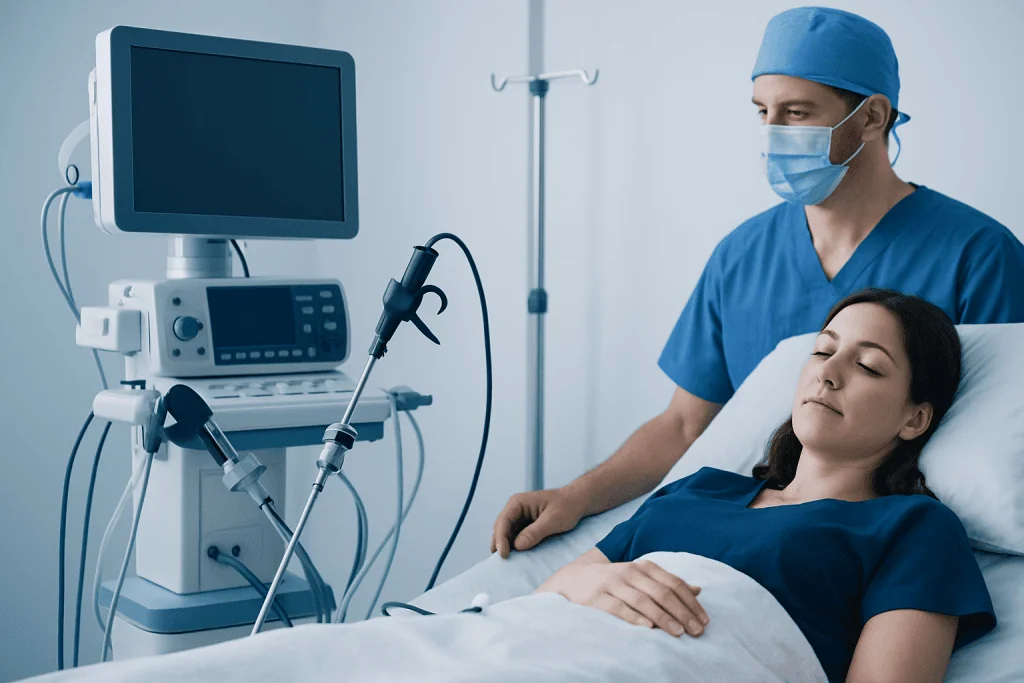
Endometriosis is a long-term condition in which tissue similar to the lining of the uterus grows outside the uterus. It can cause pelvic pain, painful periods, pain during sex, bowel or urinary symptoms around menstruation, fatigue and fertility difficulties. Surgery is not needed for everyone; treatment decisions should be individualized according to symptoms, treatment goals, imaging findings and response to medical therapies.
A clinician may discuss surgery when symptoms remain difficult to manage despite appropriate non-surgical treatment, when an ovarian endometrioma or significant adhesions are suspected, when deep endometriosis may affect organs, or when diagnosis and treatment are both needed. It may also be considered as part of fertility care in selected circumstances, although surgery does not guarantee pregnancy and can affect ovarian reserve in some situations.
Preoperative planning often includes a pelvic examination, ultrasound and sometimes MRI to assess the likely extent of disease. People taking blood thinners, those with chronic medical conditions, and anyone who may be pregnant should discuss this with the surgical team. For suspected deep disease, care may involve gynecology alongside colorectal, urology, pain-management or fertility specialists.
What Happens During Endometriosis Surgery
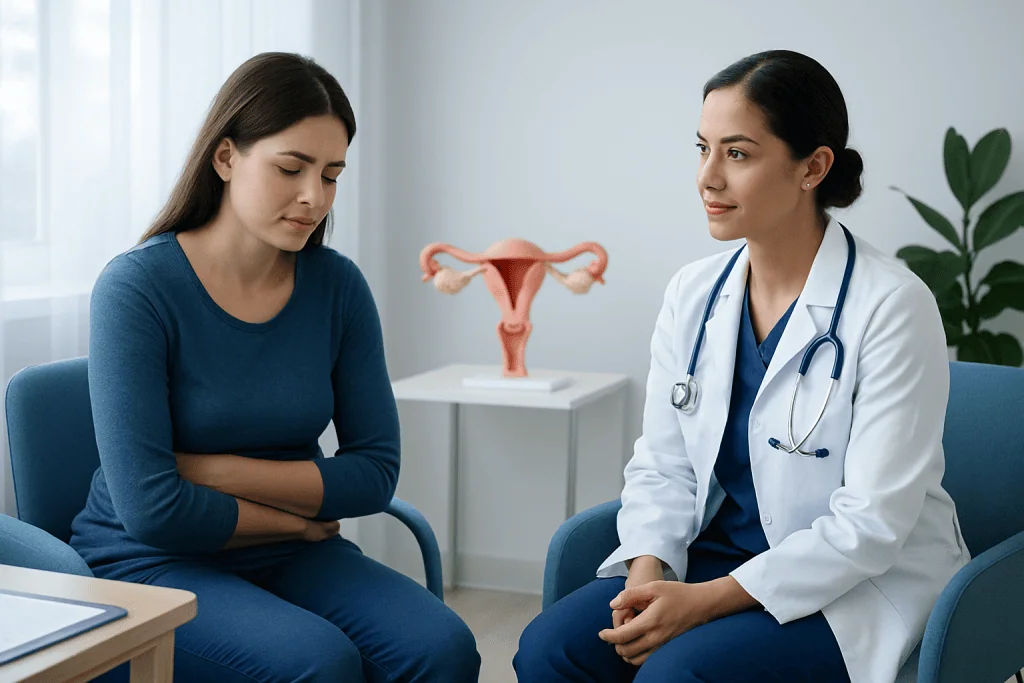
Laparoscopic surgery is performed under general anesthesia. The surgeon makes a small incision, usually near the navel, to introduce a camera. Carbon dioxide gas is used to gently expand the abdomen so the pelvic organs can be seen more clearly. Additional small incisions may be made for surgical instruments.
The surgeon carefully examines the pelvis and may remove lesions by excision, use energy techniques in selected areas, divide adhesions, drain or remove ovarian cysts, and repair affected tissue when needed. Excision means cutting out endometriosis tissue and can provide samples for laboratory examination. The safest technique depends on the location and depth of disease as well as the need to protect the ovaries, bowel, bladder, ureters and nerves.
More extensive surgery may be needed when endometriosis affects organs outside the reproductive system. These procedures can take longer and may involve a hospital stay. Before surgery, the team should explain the planned approach, possible additional procedures, expected recovery, alternatives and any situation in which the plan may need to change for safety.
For people seeking specialist assessment and surgical planning, endometriosis care can involve coordinated input from gynecology and other relevant specialties.
Endometriosis Surgery Recovery: A Week-by-Week Timeline
Days 0–3: It is common to feel sleepy, tired or nauseated after anesthesia. Abdominal soreness, incision discomfort, cramping, bloating and shoulder-tip pain can occur because of the gas used during laparoscopy. Light vaginal spotting may also happen. The care team usually encourages getting up with assistance and taking short walks as soon as it is safe, while following instructions about food, fluids and prescribed medicines.
Week 1: Pain and fatigue are often still present but should gradually become more manageable. Gentle walking around the home and brief outdoor walks can support circulation, bowel function and comfort. Constipation is common after anesthesia, pain medicines and reduced activity, so fluids, fiber if tolerated and any clinician-recommended bowel regimen may help. Incisions should be kept clean and monitored according to discharge instructions.
Week 2: Many people can move more easily and require less pain medicine. Desk-based tasks and light household activities may be possible if they do not increase pain or fatigue. However, recovery is not linear; doing too much on a better day can lead to a temporary flare in discomfort. Heavy lifting, vigorous exercise, swimming and sexual activity should wait until the surgeon confirms that they are appropriate.
Weeks 3–6: Many patients gradually return to work, driving, exercise and ordinary routines during this period. Complex surgery involving the bowel, bladder, multiple adhesions or an open abdominal incision may require a substantially longer recovery. Follow-up is an important opportunity to discuss symptom changes, results, future fertility plans and whether hormonal treatment may help reduce the chance of symptom recurrence.
- Follow the individual discharge plan, as it takes priority over a general timeline.
- Increase activity gradually rather than trying to “push through” significant pain or exhaustion.
- Ask the surgical team when it is safe to resume driving, intercourse, exercise and lifting.
How Long Does It Take to Feel Better After Endometriosis Surgery?
After uncomplicated laparoscopic surgery, many people feel a meaningful improvement in mobility and day-to-day comfort within 1–2 weeks. Full physical recovery commonly takes about 2–6 weeks, while recovery after extensive surgery can take several weeks longer. Fatigue may persist even after incision pain has improved because the body is healing internally as well.
The effect on endometriosis symptoms can take longer to judge. Surgical tenderness and healing-related pelvic discomfort can overlap with the symptoms that led to surgery. Some people notice improvement after the first recovery weeks, while others need several menstrual cycles and follow-up treatment before their longer-term symptom pattern is clear.
Ongoing or new pain does not automatically mean that surgery was unsuccessful. Pain can have more than one cause, and endometriosis may coexist with pelvic floor muscle tension, bowel conditions, bladder pain or other gynecologic concerns. Persistent symptoms deserve a calm, structured discussion with the treating clinician.
How Much Bed Rest Is Required After a Laparoscopy?
Complete bed rest is usually not required after laparoscopy unless the surgeon gives specific instructions for a medical reason. Rest is important on the day of surgery and during the early recovery period, but brief, regular walking is generally encouraged once the patient is awake and safe to mobilize. Movement helps reduce stiffness and may support circulation and bowel activity.
A practical approach is to alternate rest with short walks, increasing activity in small steps as comfort allows. The person should avoid strenuous activity, heavy lifting and anything that pulls on the abdominal muscles until cleared by the surgical team. They should also avoid driving while taking sedating pain medication or until they can comfortably perform an emergency stop.
Severe dizziness, fainting, marked weakness or pain that prevents walking should be reported to a healthcare professional. Individual restrictions may be different after open surgery or surgery involving the bowel, bladder or other organs.
Can Endometriosis Get Worse After Laparoscopy?
Laparoscopy can remove visible endometriosis and may improve symptoms, but it is not considered a permanent cure. Endometriosis can recur after surgery, and symptoms may return or continue even when surgery has been technically successful. This can occur because microscopic disease may remain, new lesions can develop, or pain may have contributors beyond visible endometriosis.
Recurrence risk and the best next steps differ from person to person. When pregnancy is not currently being pursued and there is no reason to avoid it, hormonal therapy may be recommended after surgery to suppress menstruation and help reduce the likelihood of symptom recurrence. The most appropriate option depends on medical history, side effects, fertility plans and personal preferences.
New, worsening or persistent symptoms should be assessed rather than assumed to be recurrence. A clinician may review the surgical findings, symptoms over time, examination results and imaging if needed. Repeat surgery is not always the best answer, particularly when there are other effective medical, pelvic-floor or pain-management options to consider.
How Long Should I Take Off Work After Endometriosis Surgery?
After a straightforward laparoscopy, some people return to desk-based work after 1–2 weeks, while others need 2–4 weeks. Work that involves lifting, prolonged standing, frequent travel or physically demanding duties often requires more time away or a phased return. Open surgery and complex procedures may require 4–8 weeks or longer, depending on the procedure and recovery progress.
Before returning, it is sensible to consider pain control, fatigue, the ability to move comfortably, concentration, commuting demands and whether breaks are available. A gradual return, reduced hours or temporary adjustments can be useful where possible. The surgical team can provide individualized documentation and guidance based on the actual procedure performed.
Recovery should not be measured only by whether a person can return to work. Persistent fatigue or increasing pain after resuming responsibilities can be a sign that the pace needs adjusting. Clear communication with the care team can help set safe and realistic expectations.
Benefits, Risks and When to Seek Medical Care
Potential benefits of surgery include confirmation of the diagnosis, removal of visible lesions, treatment of adhesions or ovarian endometriomas, relief of symptoms for some patients, and improved access to organs affected by scar tissue. The degree and duration of benefit vary. Surgery also carries general risks, including bleeding, infection, blood clots, injury to nearby organs, anesthesia-related complications, adhesions, persistent pain and the possible need for further treatment.
When to seek medical care: The surgical team should be contacted promptly for worsening rather than improving abdominal pain, fever or chills, increasing redness, swelling or discharge from a wound, heavy vaginal bleeding, persistent vomiting, inability to pass urine, or marked abdominal swelling. Emergency assessment is needed for chest pain, shortness of breath, coughing blood, fainting, severe weakness, or a swollen and painful leg.
For routine recovery concerns, patients should use their discharge contact number or arrange follow-up with their gynecologist. Acibadem International’s multidisciplinary specialists and JCI-accredited hospitals diagnose and treat endometriosis for international patients, including coordinated care when complex disease involves more than one organ system.
Long-term care may include hormonal treatment, pain management, physiotherapy for pelvic floor symptoms, fertility support or monitoring based on individual goals. A personalized plan can help patients balance symptom control, recovery, quality of life and future reproductive plans.
Frequently asked questions
What is normal pain after endometriosis laparoscopy?
Mild to moderate abdominal soreness, cramping, bloating and shoulder-tip discomfort are common in the first days after laparoscopy. The overall trend should be gradual improvement. Pain that is severe, suddenly worse, or not controlled by the prescribed plan should be discussed with the surgical team.
When can someone shower after endometriosis surgery?
Many people can shower within a day or two after laparoscopic surgery, but the exact advice depends on the wound closure and surgeon's instructions. Baths, swimming pools and hot tubs are often delayed until incisions have healed and the care team says they are safe. Incisions should be patted dry rather than rubbed.
When can exercise resume after endometriosis surgery?
Gentle walking is usually encouraged early in recovery, provided the person feels stable and follows discharge guidance. Higher-impact exercise, core training and heavy lifting should be resumed gradually after surgical clearance. More extensive procedures often require longer restrictions.
Is bleeding after endometriosis surgery normal?
Light vaginal spotting or bleeding can occur for a short time after surgery, particularly if the uterus or cervix was manipulated during the procedure. Heavy bleeding, passing large clots, or bleeding that is increasing rather than settling should be reported promptly. Any bleeding accompanied by dizziness, fainting or severe pain needs urgent assessment.
Can endometriosis surgery improve fertility?
Surgery may improve fertility for some people, especially when endometriosis, adhesions or ovarian cysts are affecting pelvic anatomy. However, results depend on age, ovarian reserve, the severity and location of disease, partner factors and other fertility considerations. A gynecologist or fertility specialist can explain whether surgery is likely to help in an individual situation.
Will hormonal treatment be needed after surgery?
Hormonal treatment is commonly discussed after surgery for people who are not trying to conceive, because it may help control symptoms and reduce recurrence risk. It is not suitable for everyone, and the decision depends on medical history, side effects and reproductive plans. The treating clinician can discuss the available options and alternatives.
References
- American College of Obstetricians and Gynecologists
- European Society of Human Reproduction and Embryology
- National Institute for Health and Care Excellence
- Mayo Clinic
- World Health Organization
This article is for general information only and is not a substitute for professional medical advice. Please consult a qualified doctor about your individual situation.
Endometriosis in Turkey — costs, top hospitals & a free quote
JCI-accredited · board-certified surgeons · reply within 24h

Perinatology (High-Risk Pregnancy) Department
1 specialists in this unitMore from the Health Library


Related Specialists

Assoc. Prof. Dr. Abdullah Okan
Gastroenterology
Dr. Ulambadrakh Khenchbish
Orthopedic Surgery & Traumatology
Dr. Asiye Merve Erdoğan
Otorhinolaryngology
Dr. Hasan Hüseyin Özgökçe
Emergency Service