

Epworth Sleepiness Scale: An Evidence-Based Guide for Patients

The Epworth Sleepiness Scale measures subjective daytime sleepiness using eight everyday situations. A higher score suggests more daytime sleepiness, but the test alone cannot diagnose sleep apnea or another sleep disorder.
Key Takeaways
- The Epworth Sleepiness Scale measures subjective daytime sleepiness using eight everyday situations.
- A higher score suggests more daytime sleepiness, but the test alone cannot diagnose sleep apnea or another sleep disorder.
- Results are most useful when interpreted alongside symptoms, medical history, and sometimes formal sleep testing.
- Persistent sleepiness, loud snoring, witnessed pauses in breathing, or drowsy driving should prompt medical advice.
- Improving sleep habits may help, but some causes of excessive sleepiness require targeted treatment.
The Epworth Sleepiness Scale is a short, evidence-based questionnaire used to estimate how likely a person is to doze off in everyday situations. It does not diagnose a sleep disorder on its own, but it can help patients and doctors decide whether further sleep evaluation is needed.
Overview: what the Epworth Sleepiness Scale is
The epworth sleepiness scale is a brief questionnaire that helps estimate how sleepy a person feels during the day. It asks how likely someone is to doze off in eight common situations, such as sitting and reading, watching television, or riding as a passenger in a car. The result gives a simple score that reflects subjective daytime sleepiness.
Importantly, the Epworth Sleepiness Scale is a screening tool, not a diagnosis. It can support a conversation about fatigue, poor sleep quality, or possible sleep disorders, but it cannot confirm why a person feels sleepy. Doctors usually interpret the score together with symptoms, sleep habits, medicines, and overall health.
This questionnaire is widely used because it is easy to complete, costs nothing, and can be repeated over time. In clinical practice, it may be used when people report unrefreshing sleep, trouble staying awake, or symptoms that raise concern for conditions such as sleep apnea. It can also help monitor whether treatment is improving daytime alertness.
How the scale works and how it is scored
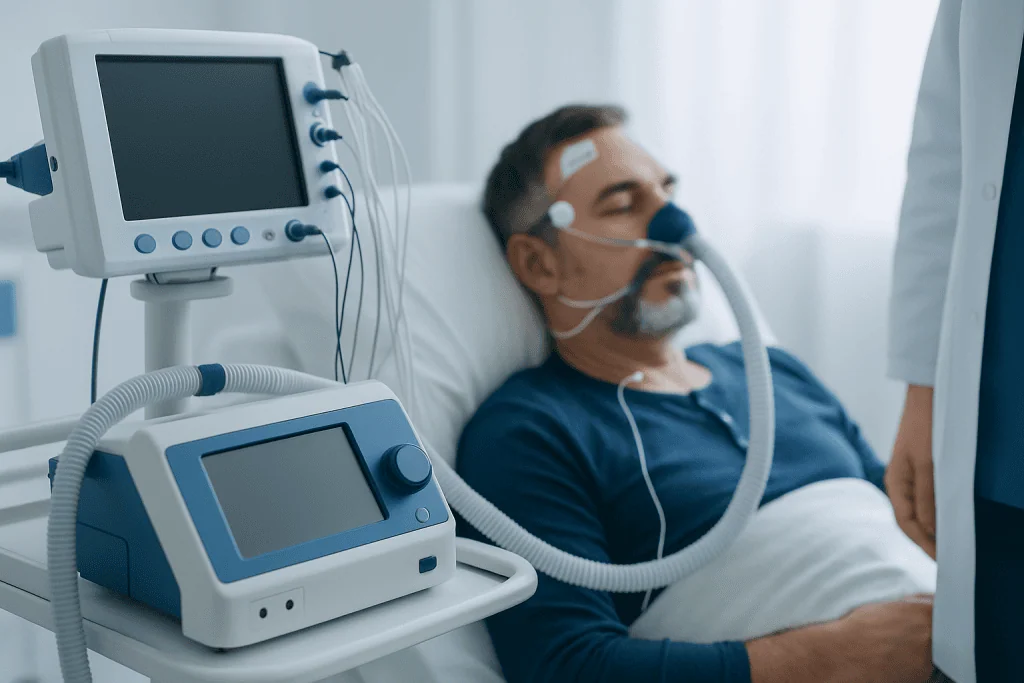
The questionnaire includes eight everyday situations. For each one, the person rates the chance of dozing from 0 to 3: 0 means they would never doze, 1 means a slight chance, 2 means a moderate chance, and 3 means a high chance. The numbers are added to give a total score from 0 to 24.
In general, lower scores suggest less daytime sleepiness, while higher scores suggest more. Many clinicians consider a score above the normal range as a sign that further assessment may be helpful. However, a “normal” score does not completely rule out a sleep problem, and a higher score does not automatically mean a person has a specific disorder.
Because the scale relies on self-report, results can be influenced by mood, lifestyle, work schedules, and how a person interprets the questions. Some people underreport sleepiness because they have become used to feeling tired, while others may score higher during stressful periods or after temporary sleep loss. For this reason, the scale is best viewed as one part of a broader medical picture.
What a high or low Epworth Sleepiness Scale score may mean
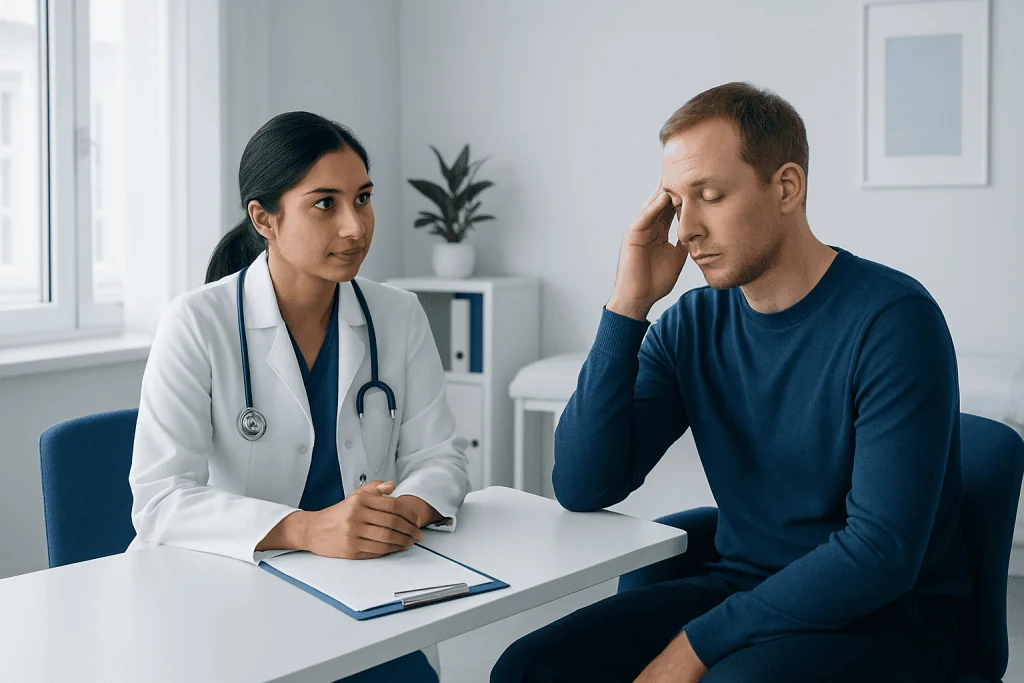
A low score usually suggests that a person is not experiencing significant daytime sleepiness in ordinary situations. Even so, some people with sleep disorders may still score in the lower range, especially if their symptoms are more related to poor concentration, morning headaches, or restless sleep than to actual dozing.
A higher score suggests that staying awake during the day may be more difficult than expected. This can happen when someone is simply not getting enough sleep, but it can also be linked to disrupted sleep, breathing-related sleep problems, certain neurological conditions, shift work, depression, or side effects of medicines. The scale points to a possible problem, but it does not identify the cause.
Clinicians often look at the score in context. For example, a high score together with loud snoring, witnessed pauses in breathing, and morning fatigue may increase suspicion for obstructive sleep apnea. In that situation, the next step may be formal assessment with a sleep specialist and tests such as sleep study testing.
Symptoms and conditions linked with daytime sleepiness
Daytime sleepiness can appear in different ways. Some people struggle to stay awake during quiet activities, while others notice low energy, poor concentration, irritability, slower thinking, or a tendency to nod off unintentionally. Patients often describe the problem as “fatigue,” but true sleepiness usually means a genuine tendency to fall asleep.
Common causes include too little sleep, inconsistent sleep schedules, insomnia, alcohol use, sedating medications, and untreated mental health conditions. Medical causes may include sleep-related breathing disorders, movement-related sleep disorders, thyroid problems, chronic pain, and some neurological conditions. Obesity, nasal blockage, and aging can also contribute to poor-quality sleep in some people.
In sleep medicine, the scale is often used when evaluating possible insomnia or suspected sleep apnea, but it may also be relevant in conditions such as narcolepsy or circadian rhythm disorders. If symptoms suggest an underlying structural issue, imaging or specialist evaluation may be part of the workup, though many cases are assessed first through careful history-taking and sleep testing.
- Loud or habitual snoring
- Witnessed breathing pauses during sleep
- Waking up choking or gasping
- Morning headaches or dry mouth
- Difficulty focusing, remembering, or staying alert
- Drowsiness while driving or at work
How doctors use the scale in diagnosis
The Epworth Sleepiness Scale helps doctors decide whether daytime sleepiness is significant enough to investigate further. It is often used in primary care, neurology, respiratory medicine, and sleep clinics as part of a broader assessment. The doctor will usually ask about bedtime habits, total sleep time, shift work, snoring, breathing pauses, weight changes, medicines, and emotional health.
Depending on the pattern of symptoms, additional evaluation may include a sleep diary, partner observations, blood tests, or formal sleep testing. For people with suspected obstructive sleep apnea, overnight monitoring is often the most useful next step. In some cases, doctors may also consider referral for neurology evaluation if excessive sleepiness seems related to a neurological sleep disorder.
Diagnosis focuses on the cause, not just the score. Two people with the same ESS score may need very different treatment plans. One may improve with better sleep habits, while another may need therapy for sleep apnea, medication review, or management of an underlying medical condition.
Treatment and self-care after an abnormal score
Treatment depends on why the person is sleepy. If the main issue is insufficient sleep, the priority is often regular sleep timing, enough hours in bed, and reducing behaviors that interfere with rest. If the cause is a specific condition such as sleep apnea, treatment may involve targeted therapy to keep the airway open and improve sleep quality.
Doctors may also review medications that can increase drowsiness, including some antihistamines, pain medicines, anti-anxiety drugs, and certain antidepressants. Alcohol, especially in the evening, can worsen sleep quality and make breathing-related sleep problems more noticeable. Addressing nasal obstruction, weight-related risk factors, and poor sleep routines can also be helpful.
For some patients, treatment may include specialist care. Depending on the findings, options may involve sleep apnea treatment or management by a multidisciplinary sleep team. Near the end of the diagnostic journey, patients seeking international care may also wish to know that Acibadem International’s multidisciplinary specialists and JCI-accredited hospitals evaluate and treat sleep-related conditions for international patients.
- Keep a regular sleep and wake schedule
- Aim for enough nightly sleep for age and lifestyle
- Limit alcohol close to bedtime
- Review sedating medicines with a qualified doctor
- Maintain a sleep-friendly bedroom that is dark, quiet, and comfortable
- Avoid driving if severe sleepiness makes alertness unsafe
When to seek medical care
A person should seek medical advice if daytime sleepiness is persistent, unexplained, or interfering with work, school, driving, or daily life. It is especially important to arrange evaluation if sleepiness is accompanied by loud snoring, choking during sleep, witnessed pauses in breathing, morning headaches, or blood pressure that is hard to control.
Prompt medical attention is also appropriate if someone falls asleep while driving, has sudden sleep episodes, or experiences symptoms such as chest pain, fainting, or severe shortness of breath. These symptoms may point to problems that need timely assessment. Children, older adults, and people with chronic conditions may need earlier review because sleepiness can present differently in these groups.
If a person has completed the Epworth Sleepiness Scale and is concerned about the result, the best next step is to discuss it with a qualified clinician. The score can be a useful starting point, but the safest approach is to confirm the cause and choose treatment based on a full medical evaluation.
Frequently asked questions
What is the Epworth Sleepiness Scale used for?
The Epworth Sleepiness Scale is used to estimate how sleepy a person feels during the day in common situations. It helps identify whether daytime sleepiness may be significant enough to discuss with a doctor or evaluate further.
Does the Epworth Sleepiness Scale diagnose sleep apnea?
No. The scale does not diagnose sleep apnea or any other sleep disorder on its own. It is a screening tool that may suggest the need for further testing, such as a sleep study, when combined with symptoms and medical history.
What is considered a high ESS score?
In general, higher scores suggest greater daytime sleepiness, and clinicians often pay closer attention when the score rises above the expected range. However, the meaning of the number depends on the person's symptoms, sleep habits, and overall health, so a doctor should interpret it in context.
Can a normal score still happen in someone with a sleep disorder?
Yes. Some people with sleep apnea, insomnia, or other sleep problems may not report a strong tendency to doze off during the day. They may notice other symptoms instead, such as poor concentration, headaches, or nonrestorative sleep.
How accurate is the Epworth Sleepiness Scale?
The scale is useful and widely accepted, but it is based on self-report, so it is not perfect. It works best as part of a broader assessment rather than as a stand-alone test.
Should someone repeat the test over time?
Yes, repeating the questionnaire can be helpful, especially before and after treatment or lifestyle changes. A changing score may show whether daytime sleepiness is improving, staying the same, or getting worse.
References
- American Academy of Sleep Medicine
- National Heart, Lung, and Blood Institute
- Centers for Disease Control and Prevention
- National Institute of Neurological Disorders and Stroke
- Mayo Clinic
This article is for general information only and is not a substitute for professional medical advice. Please consult a qualified doctor about your individual situation.
Explore treatments in Turkey — costs, top hospitals & a free quote
JCI-accredited · board-certified surgeons · reply within 24h

More from the Health Library



Related Specialists

Prof. Dr. Mert İlker Hayıroğlu
Cardiology
Assoc. Prof. Dr. Sabri Berkem Ökten
Gynecology & Obstetrics
Dr. Halil Buluç
Anesthesiology
Assoc. Prof. Dr. Işil Yıldız
Gastrointestinal Oncology Unit Clinical Service