Excessive Sweating at Night Postpartum: An Evidence-Based Guide for Patients

Night sweating after childbirth is often a temporary response to falling estrogen levels and extra fluid loss. Most postpartum night sweats improve gradually within the first several weeks after delivery.
Key Takeaways
- Night sweating after childbirth is often a temporary response to falling estrogen levels and extra fluid loss.
- Most postpartum night sweats improve gradually within the first several weeks after delivery.
- Red-flag symptoms such as fever, shortness of breath, heavy bleeding, or severe pain need prompt medical attention.
- Simple steps like light sleepwear, hydration, and a cool bedroom can help manage symptoms.
- A doctor may look for infection, thyroid problems, medication effects, or other causes if sweating is severe or prolonged.
Excessive sweating at night postpartum is common and is usually linked to normal hormone changes and the body's adjustment after pregnancy. In most cases it improves within weeks, but persistent sweating or symptoms such as fever, chest pain, or unexplained weight loss should be checked by a doctor.
Overview: why night sweating happens after childbirth
Excessive sweating at night postpartum usually means heavy sweating that begins after delivery and is most noticeable during sleep. For many new mothers, this is a normal short-term part of recovery. The body is shifting away from pregnancy hormones, getting rid of extra fluid built up during pregnancy, and adjusting to a new sleep pattern and feeding schedule.
Night sweats can feel dramatic. Clothes, sheets, or hair may become damp or soaked, even when the room is not especially warm. Although this can be uncomfortable and disruptive, it often improves on its own as hormone levels stabilize and the body reaches a new balance.
It is also important to remember that not every episode of postpartum sweating has the same cause. While hormone changes are the most common explanation, sweating can also be linked to infection, anxiety, certain medicines, an overactive thyroid, low blood sugar, or other medical issues. Looking at the whole picture, including other symptoms, helps determine whether reassurance or medical evaluation is needed.
What postpartum night sweats feel like
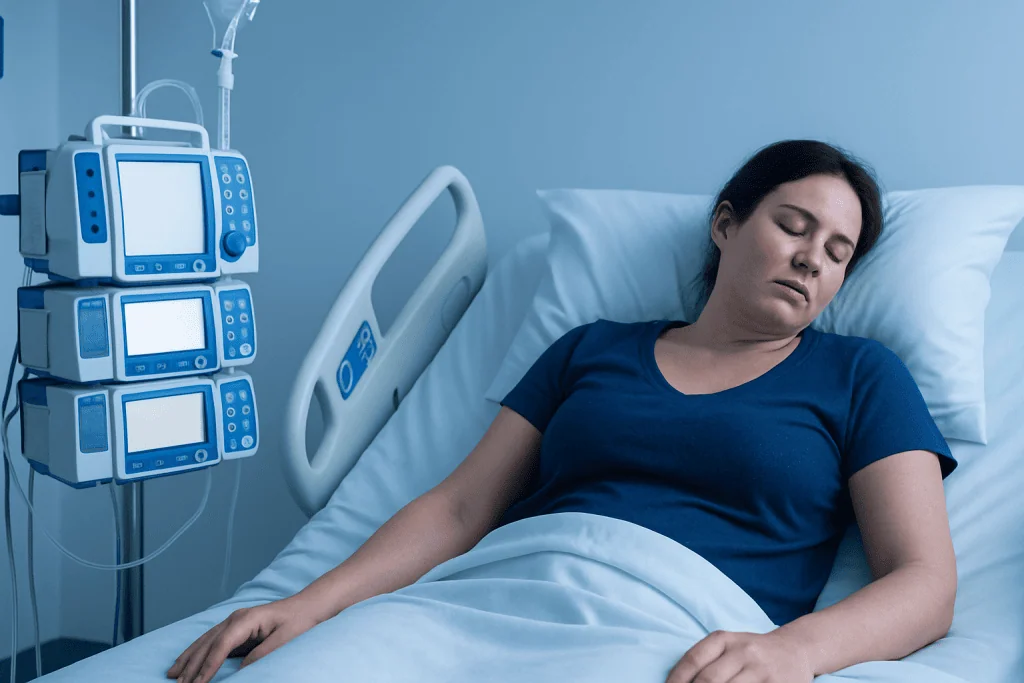
Postpartum night sweats can vary from mild warmth to drenching sweating. Some people wake once or twice feeling hot and clammy, while others need to change sleepwear or bedding. Sweating may affect the neck, chest, back, or the entire body, and it may be worse in the first days or weeks after birth.
These symptoms often happen alongside other normal postpartum experiences, such as fatigue, breast fullness, mood changes, and interrupted sleep. Because the newborn period already brings frequent waking, sweating may seem even more intense or harder to cope with than it would at another time.
Features that can still fit a normal postpartum pattern include:
- More sweating at night than during the day
- Hot flashes or feeling suddenly warm
- Symptoms beginning soon after delivery
- Gradual improvement over days to weeks
- No concerning symptoms such as fever or severe pain
If sweating is accompanied by feeling unwell, chills, a racing heart, or new pain, it should not automatically be assumed to be hormonal. In those cases, a healthcare professional can help check for another cause.
Common causes and risk factors

The most common reason for excessive sweating at night postpartum is a rapid hormonal change, especially the drop in estrogen after the placenta is delivered. Estrogen influences temperature regulation, so this sudden shift can trigger hot flashes and sweating. At the same time, the body is losing some of the extra fluid that supported pregnancy, and sweating is one way it does this.
Breastfeeding may also play a role. Hormones involved in milk production can suppress estrogen further, which may make hot flashes or night sweats more noticeable in some women. This does not mean breastfeeding is harmful; it simply reflects another normal hormone influence during recovery.
Other possible causes should be considered when symptoms are marked, prolonged, or paired with other complaints. These include postpartum infections, thyroid inflammation or overactivity after pregnancy, medication side effects, anxiety or panic symptoms, and less commonly conditions such as hyperthyroidism. In some situations, severe snoring or disturbed breathing during sleep may overlap with sweating and poor rest, and a doctor may assess for related issues such as sleep apnea.
Risk factors for more noticeable sweating may include a warm sleep environment, dehydration, stress, poor sleep, recent fever, certain antidepressants or pain medicines, and a personal history of hot flashes or thyroid disease. A difficult labor or cesarean birth does not directly cause night sweats, but recovery stress and medication changes can make them feel more intense.
How long it lasts and what is considered normal
For many patients, postpartum night sweats are strongest in the first one to two weeks after birth and then ease gradually. Some continue to notice episodes for several weeks, especially if they are breastfeeding. The exact timeline varies because hormone recovery, fluid balance, and sleep disruption differ from person to person.
A practical way to think about what is typical is to look for a steady trend toward improvement. If sweating is becoming less frequent, less severe, or easier to manage, that usually supports a normal postpartum adjustment. On the other hand, sweating that begins later, becomes more intense after initially improving, or continues beyond the early postpartum period may deserve more attention.
There is no single cutoff that fits everyone, but symptoms that remain severe after several weeks, or continue for months without improvement, should be discussed with a clinician. The same is true if there are signs of illness, thyroid symptoms, or emotional distress. Postpartum recovery can overlap with conditions that need care, including postpartum depression when sleep disturbance, anxiety, and mood symptoms occur together.
Diagnosis: when doctors look beyond normal hormone changes
Doctors usually begin with the pattern of symptoms. They may ask when the sweating started, how often it happens, whether it is soaking, and whether there are associated symptoms such as fever, breast pain, abdominal pain, shortness of breath, cough, palpitations, weight loss, or tremor. Information about delivery, breastfeeding, medications, and mental health is also important.
A physical exam may include temperature, heart rate, blood pressure, breast and abdominal assessment, and a review of any surgical wound if there was a cesarean birth. Depending on the history, the clinician may suggest tests to look for infection, anemia, thyroid dysfunction, or other causes. This step is especially helpful when sweating is new, persistent, or paired with symptoms outside the usual postpartum pattern.
Possible tests may include blood work, urine testing, or imaging if a specific concern is suspected. If thyroid disease is possible, the evaluation may include thyroid hormone testing and, when needed, thyroid ultrasound. If another condition seems more likely than routine postpartum sweating, the doctor will explain the next steps and treatment options.
Treatment options and ways to feel more comfortable
Treatment depends on the cause. When excessive sweating at night postpartum is due to normal hormonal adjustment, the main approach is symptom relief and patience while the body recovers. Many patients improve without medical treatment as the weeks pass.
Helpful self-care measures include wearing lightweight cotton sleepwear, keeping an extra set of pajamas or bedding nearby, using breathable sheets, lowering room temperature, and drinking enough fluids during the day. Limiting very spicy meals, heavy blankets, and overheated rooms may also help. If breastfeeding, staying hydrated can be especially important.
If a doctor finds a different cause, treatment will focus on that problem. Infections may need medicines, thyroid-related symptoms may need endocrine evaluation, and medication side effects may improve after a safe review of the drug plan. Patients should not stop prescribed medicines on their own. If sweating is linked to severe sleep disruption, broader assessment may sometimes include a sleep study or other targeted testing based on symptoms.
Near the end of recovery planning, some patients benefit from multidisciplinary support, especially when sweating overlaps with thyroid symptoms, sleep problems, or mood concerns. Acibadem International’s multidisciplinary specialists in JCI-accredited hospitals diagnose and treat postpartum-related concerns for international patients when further evaluation is needed.
When to seek medical care
Postpartum night sweating should be medically reviewed urgently if it happens with fever, shaking chills, chest pain, shortness of breath, fainting, confusion, heavy vaginal bleeding, severe abdominal pain, calf swelling, or worsening headache. These symptoms are not explained by simple hormone changes alone and need prompt assessment.
Medical advice is also important if sweating is severe enough to interfere with recovery, continues without improvement, starts well after delivery, or is accompanied by weight loss, persistent diarrhea, tremor, marked anxiety, or a fast heartbeat. These symptoms can point to thyroid disease, infection, medication effects, or another condition that deserves treatment.
It is reasonable to contact a doctor sooner rather than later if something feels different from the expected postpartum course. New mothers should never feel that they need to ignore symptoms because they are busy caring for a baby. Timely review can offer reassurance when the cause is normal, and it can identify problems early when care is needed.
Frequently asked questions
Is excessive sweating at night postpartum normal?
Yes, it is often a normal part of recovery after childbirth. Falling estrogen levels and the body's effort to remove extra pregnancy fluid commonly cause night sweats, especially in the first days and weeks after delivery.
How long do postpartum night sweats usually last?
Many people notice the strongest symptoms in the first one to two weeks after birth. Mild episodes can continue longer, especially during breastfeeding, but they should generally trend toward improvement over time.
Can breastfeeding make night sweats worse?
It can in some people. Breastfeeding-related hormonal changes may keep estrogen lower for longer, which can make hot flashes or sweating more noticeable, but this is not usually harmful.
What can help reduce postpartum night sweats at home?
Simple steps such as sleeping in lightweight clothing, using breathable bedding, keeping the bedroom cool, and staying well hydrated can help. Having a spare set of sleepwear nearby may also make nighttime episodes easier to manage.
When should postpartum sweating be checked by a doctor?
A doctor should be contacted if sweating comes with fever, chest pain, shortness of breath, severe pain, heavy bleeding, or if the person feels generally unwell. Review is also wise if sweating is very severe, lasts longer than expected, or is associated with tremor, weight loss, or a fast heartbeat.
Could postpartum night sweats mean an infection or thyroid problem?
Sometimes, yes. While hormone changes are the most common cause, persistent or intense sweating can occasionally be linked to infection, postpartum thyroiditis, medication effects, or anxiety, which is why the overall symptom pattern matters.
References
- American College of Obstetricians and Gynecologists
- National Health Service
- Mayo Clinic
- Office on Women's Health
- Cleveland Clinic
This article is for general information only and is not a substitute for professional medical advice. Please consult a qualified doctor about your individual situation.
Medical weight-loss options in Turkey — costs & eligibility
JCI-accredited · board-certified surgeons · reply within 24h
Add us as a Preferred Source to see more of our trusted health content across Google Search, AI Overviews and Discover.