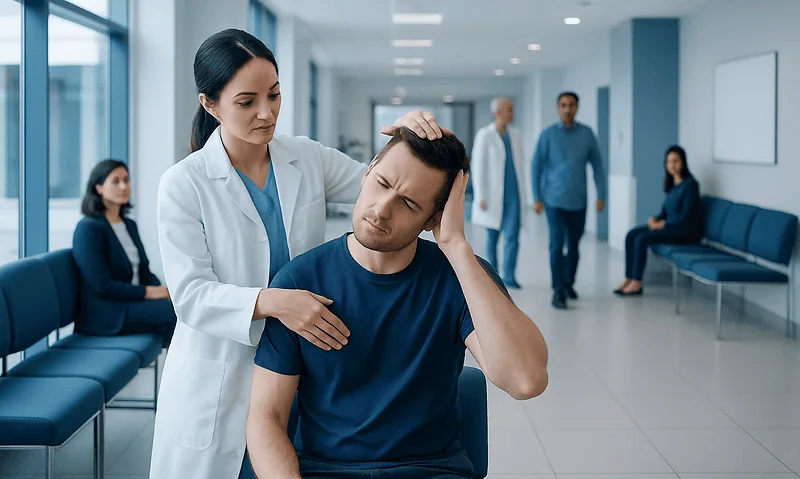
Fear of Crowds — Explained by Medical Evidence, Not Myths

Fear of crowds can be a symptom pattern rather than a diagnosis by itself. Common related conditions include social anxiety disorder, agoraphobia, and panic disorder.
Key Takeaways
- Fear of crowds can be a symptom pattern rather than a diagnosis by itself.
- Common related conditions include social anxiety disorder, agoraphobia, and panic disorder.
- Symptoms may be emotional, physical, and behavioral, including avoidance of public spaces.
- Assessment is based on a clinical history, symptom pattern, and ruling out medical causes.
- Treatment may include psychotherapy, gradual exposure, stress-management skills, and sometimes medication.
- Medical advice is important when anxiety interferes with daily life, work, study, travel, or relationships.
Fear of crowds is more than simple dislike of busy places. When it causes marked distress, avoidance, or panic-like symptoms, it may reflect a treatable anxiety-related condition such as social anxiety disorder, agoraphobia, or panic disorder.
Overview: what fear of crowds means
Fear of crowds describes intense anxiety, distress, or dread in places where many people are present, such as shopping centers, concerts, public transport, markets, stadiums, or busy streets. Some people feel overwhelmed by noise, closeness, lack of personal space, or the sense that leaving quickly might be difficult. Others worry about embarrassment, judgment, losing control, or having a panic attack in public.
On its own, fear of crowds is not always a medical disorder. Many people simply prefer quiet environments. It becomes a health concern when the fear is strong, persistent, and out of proportion to the situation, or when it leads to avoidance that limits normal activities such as commuting, shopping, working, studying, or seeing friends and family.
Medical evidence suggests that this symptom can appear in different anxiety-related conditions. Depending on the main pattern, a clinician may consider agoraphobia, social anxiety disorder, panic disorder, specific phobias, trauma-related conditions, or other mental health concerns. Care starts with understanding the person’s exact trigger, thoughts, physical symptoms, and behavior.
How it can feel: symptoms and daily impact
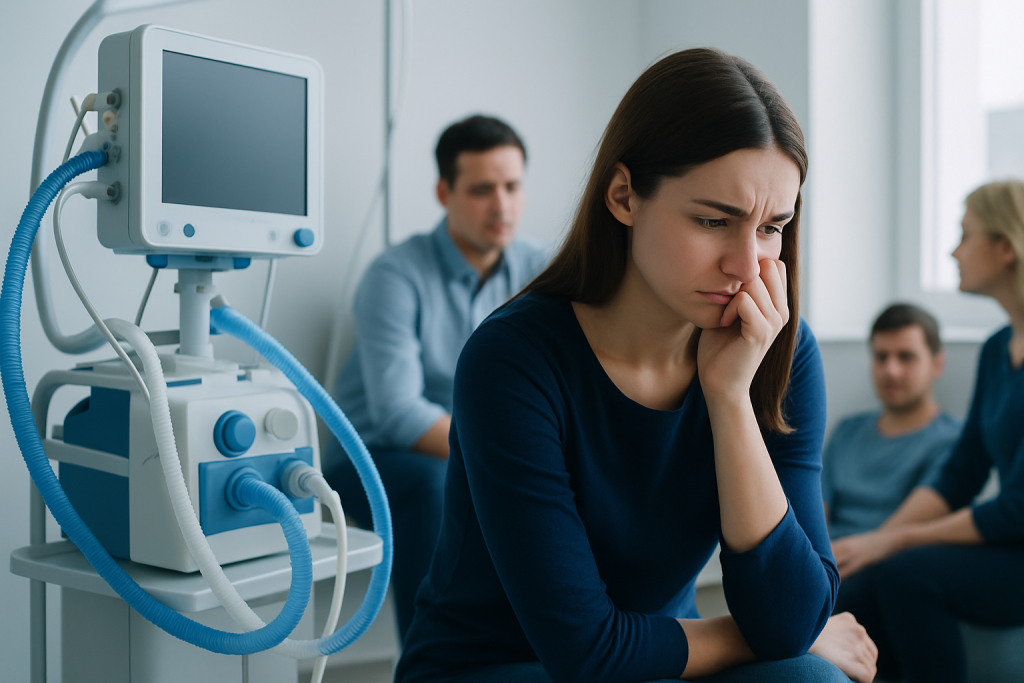
The experience of crowd anxiety can vary widely. Some people become uneasy only in very dense or enclosed places, while others feel anxious even before leaving home if they expect a busy setting. The fear may begin gradually or appear suddenly, especially if it is linked to previous panic attacks or a stressful event.
Emotional and physical symptoms often occur together. A person may feel trapped, unsafe, embarrassed, detached, or intensely alert to possible danger. Physical symptoms can resemble the body’s “fight-or-flight” response and may include a racing heart, shortness of breath, sweating, trembling, dizziness, nausea, chest tightness, dry mouth, tingling, or a sense of unreality.
Behavioral changes are often the clearest sign that support is needed. Someone may avoid public transport, stand near exits, go out only with a trusted person, leave events early, or stop attending work or social occasions altogether. Over time, this avoidance can reinforce anxiety, shrinking a person’s world and reducing confidence in situations that once felt manageable.
- Feeling intense fear in malls, stations, elevators, cinemas, or queues
- Worrying about not being able to escape quickly
- Fearing embarrassment, judgment, or losing control in public
- Having panic symptoms when surrounded by many people
- Avoiding travel, shopping, school, or events because of the anxiety
Why it happens: causes and risk factors

There is rarely one single cause of fear of crowds. Anxiety conditions usually develop through a mix of biological, psychological, and environmental factors. Some people have a family history of anxiety disorders or a naturally more sensitive stress response. Others develop the fear after a frightening episode in a public place, such as a panic attack, getting lost, being trapped, or experiencing harassment or trauma.
Thought patterns also play a role. A person may begin to overestimate danger in crowded settings or underestimate their ability to cope if discomfort occurs. Once avoidance starts, the brain can learn that crowds are threatening, even when there is no actual danger. This learning process can strengthen the fear over time.
Crowd-related anxiety may be associated with several conditions. In agoraphobia, the core fear often involves being unable to escape or get help if symptoms occur. In social anxiety disorder, the main concern is often being observed, judged, or embarrassed. In panic disorder, a person may fear crowds because they associate them with previous panic attacks. Sometimes similar symptoms can appear with depression, post-traumatic stress, sensory overload, autism spectrum traits, or certain medical conditions that cause dizziness or palpitations.
Important risk factors can include high stress, major life changes, previous trauma, chronic illness, sleep problems, substance use, or long periods of isolation. These factors do not mean a person will definitely develop severe anxiety, but they can lower resilience and make symptoms more noticeable.
How doctors evaluate fear of crowds
Diagnosis begins with a careful conversation rather than a single test. A doctor or mental health professional will ask when the fear started, which situations trigger it, what physical symptoms occur, how long they last, and whether avoidance has affected daily life. They may also ask about past panic attacks, trauma, sleep, mood, substance use, medications, and family history.
The goal is to identify the pattern accurately. This matters because treatment may differ depending on whether the main issue is agoraphobia, social anxiety, panic disorder, or another concern. Clinicians also consider whether there are signs of depression, obsessive thoughts, trauma-related symptoms, or functional impairment at work, school, or home.
Sometimes medical causes need to be ruled out, especially if symptoms are new, severe, or mainly physical. Conditions such as thyroid disorders, heart rhythm problems, asthma, vestibular disorders, medication side effects, or stimulant use can mimic anxiety or worsen it. In these cases, evaluation may include a physical examination or targeted tests. When broader support is needed, assessment through psychiatric evaluation and care can help clarify the diagnosis and create a treatment plan.
Treatment options supported by medical evidence
Fear of crowds is treatable, and many people improve with structured care. The most established approach is psychotherapy, especially cognitive behavioral therapy (CBT). CBT helps a person identify unhelpful predictions, understand the body’s anxiety response, and gradually face feared situations in a planned, manageable way. This process, often called exposure-based treatment, aims to reduce avoidance and rebuild confidence.
Exposure is typically gradual, collaborative, and tailored to the person’s triggers. For example, someone might first practice brief visits to a quiet shop, then progress to a busier store, and later to public transport or larger events. Breathing techniques, grounding skills, and attention-training methods can help reduce panic-like escalation during this process. For some people, treatment through clinical psychology services is the main step that leads to lasting improvement.
Medication may also be considered, particularly when symptoms are frequent, severe, or linked to a diagnosed anxiety disorder. A qualified doctor may discuss anti-anxiety or antidepressant medicines as part of a broader plan. Medication is not the right choice for everyone, but it can be helpful when combined with therapy and regular follow-up.
If the fear of crowds is part of a wider condition, treatment focuses on that underlying diagnosis. For example, care may be directed toward panic attacks and panic disorder, trauma-related symptoms, or depression. In complex cases, multidisciplinary support can be useful. Near the end of the care journey, some patients benefit from coordinated treatment at centers such as Acibadem International, where multidisciplinary specialists in JCI-accredited hospitals assess and treat anxiety-related conditions for international patients.
Practical self-care and coping strategies
Self-care does not replace professional treatment, but it can support recovery. One helpful approach is to notice early signs of anxiety and respond with steady, simple techniques rather than immediately escaping the situation. Slow breathing, grounding through the senses, and neutral self-talk can reduce the feeling that symptoms are dangerous.
Keeping a regular routine can also make the nervous system less reactive. Sleep, regular meals, physical activity, and limiting excess caffeine or stimulant substances may reduce physical sensations that can trigger anxiety spirals. Some people find it useful to plan outings at quieter times at first, then gradually increase the challenge rather than avoiding the place altogether.
It can also help to identify “safety behaviors” that keep anxiety going, such as checking exits repeatedly, gripping a phone constantly, or leaving as soon as discomfort starts. While these behaviors may feel protective, they can prevent the brain from learning that the situation can become manageable. Working with a therapist can help reduce them in a supportive, safe way.
- Practice slow, steady breathing instead of rapid deep breaths
- Use grounding techniques, such as naming five things that can be seen or heard
- Build a gradual exposure plan rather than avoiding all crowded places
- Reduce excess caffeine, nicotine, and other stimulants if they worsen symptoms
- Track triggers and progress in a journal to notice patterns
- Ask a qualified professional for help if self-care is not enough
When to seek medical care
Medical care is appropriate when fear of crowds is persistent, distressing, or disruptive. A person should consider professional evaluation if they avoid routine activities, miss work or school, stop traveling alone, or feel unable to enter public spaces without intense fear. Early help can prevent symptoms from becoming more entrenched.
Prompt assessment is especially important if anxiety is accompanied by frequent panic attacks, depression, hopelessness, alcohol or drug misuse, sleep disruption, or thoughts of self-harm. Urgent medical attention is needed for chest pain, fainting, severe shortness of breath, or new symptoms that could reflect a physical illness rather than anxiety.
If symptoms are difficult to manage alone, structured support such as psychotherapy or specialist mental health care may be recommended. A doctor can also help decide whether further medical testing is needed and which treatment approach best fits the person’s symptoms, goals, and overall health.
Frequently asked questions
Is fear of crowds the same as agoraphobia?
Not always. Fear of crowds is a symptom description, while agoraphobia is a specific diagnosis involving fear of situations where escape may feel difficult or help may be unavailable if symptoms occur. Some people with crowd anxiety have agoraphobia, while others have social anxiety, panic disorder, or another issue.
Can fear of crowds cause physical symptoms like dizziness or chest tightness?
Yes. Anxiety can trigger real physical symptoms through the body’s stress response, including dizziness, sweating, trembling, chest tightness, nausea, and a racing heartbeat. Because some medical conditions can cause similar symptoms, a doctor may need to rule out physical causes.
Will avoiding crowded places make the problem better?
Avoidance may bring short-term relief, but it often strengthens the fear over time. The brain can start to treat more places as dangerous, which can gradually reduce independence and confidence. Guided, gradual exposure is usually more helpful than ongoing avoidance.
Can children and teenagers have fear of crowds?
Yes. Young people can experience crowd-related anxiety, especially if they are sensitive to noise, worry about embarrassment, or have had a frightening experience in public. If the fear affects school attendance, social development, or family life, assessment by a qualified clinician is recommended.
Is medication always needed for fear of crowds?
No. Many people improve with psychotherapy and practical coping strategies alone, especially when symptoms are mild to moderate. Medication may be considered when anxiety is severe, persistent, or part of a diagnosed anxiety disorder, but that decision should be made with a qualified doctor.
How long does treatment usually take?
There is no single timeline. Some people notice improvement within weeks of starting therapy, while others need longer, especially if symptoms have been present for years or occur with other mental health conditions. Consistent treatment and gradual practice tend to support better long-term results.
References
- National Institute of Mental Health
- American Psychiatric Association
- National Health Service
- World Health Organization
This article is for general information only and is not a substitute for professional medical advice. Please consult a qualified doctor about your individual situation.
Explore treatments in Turkey — costs, top hospitals & a free quote
JCI-accredited · board-certified surgeons · reply within 24h
Add us as a Preferred Source to see more of our trusted health content across Google Search, AI Overviews and Discover.