Falling Asleep: An Evidence-Based Guide for Patients

Falling asleep depends on both healthy sleep routines and the body’s internal sleep-wake rhythm. Stress, irregular schedules, caffeine, screens, pain, and some medical conditions can delay sleep onset.
Key Takeaways
- Falling asleep depends on both healthy sleep routines and the body’s internal sleep-wake rhythm.
- Stress, irregular schedules, caffeine, screens, pain, and some medical conditions can delay sleep onset.
- Persistent difficulty falling asleep may be a sign of insomnia or another sleep disorder.
- Treatment may include behavior changes, sleep-focused therapy, and care for underlying health conditions.
- A doctor should assess sleep problems that last for weeks, affect daytime function, or occur with snoring, breathing pauses, or mood symptoms.
Falling asleep usually becomes easier when sleep habits are consistent, the bedroom supports rest, and medical causes such as insomnia, anxiety, pain, or sleep apnea are identified and treated. Occasional difficulty is common, but persistent trouble falling asleep deserves medical attention.
Understanding Falling Asleep
Falling asleep is the process of moving from wakefulness into sleep. For most people, this happens naturally when the body’s internal clock, sleep pressure, and environment are aligned. Sleep pressure builds the longer a person stays awake, while the circadian rhythm helps signal when it is time to be alert and when it is time to rest.
When someone has difficulty falling asleep, the problem is not always simply “not being tired.” In many cases, several factors interact at once. Stress, an irregular bedtime, late caffeine use, pain, medications, and underlying sleep disorders can all delay sleep onset. This is why improving sleep often requires looking beyond one single cause.
Occasional trouble falling asleep is common and may happen during periods of travel, life stress, illness, or schedule changes. However, if the problem happens repeatedly and affects daytime mood, concentration, energy, or performance, it may suggest insomnia or another sleep-related condition such as sleep apnea.
What Is Normal Sleep Onset and When Is It a Problem?
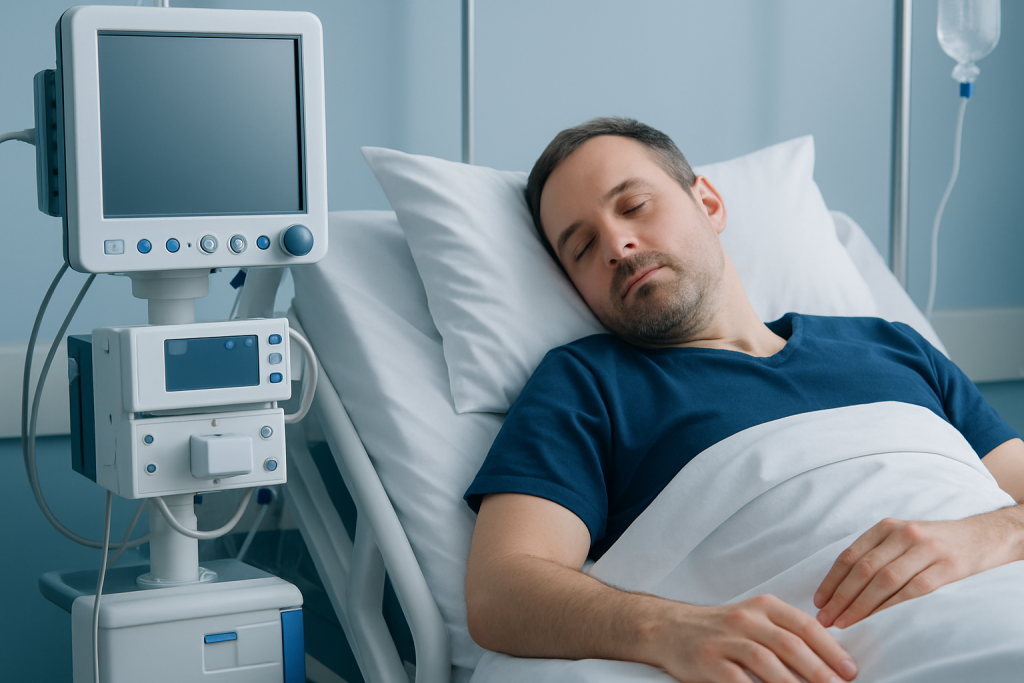
There is no exact number of minutes that everyone should take to fall asleep. Many healthy adults drift off within about 10 to 20 minutes after settling into bed. Falling asleep instantly every night can sometimes reflect significant sleep deprivation, while taking much longer on a regular basis may indicate a sleep problem.
Doctors usually become more concerned when trouble falling asleep happens at least several times a week, lasts for weeks or longer, or leads to daytime impairment. Daytime effects can include fatigue, irritability, poor attention, lower productivity, headaches, and increased reliance on caffeine or naps.
Sleep difficulties are also more likely to need evaluation if they occur with other symptoms, such as loud snoring, choking or gasping during sleep, uncomfortable leg sensations at night, depressed mood, panic symptoms, or chronic pain. In these situations, the goal is not only to help a person fall asleep, but also to identify the reason sleep is being disrupted.
Common Reasons for Trouble Falling Asleep

Difficulty falling asleep often has more than one cause. One of the most common is short-term stress. Worry about work, family, finances, health, or major life events can increase mental alertness at night. Some people describe feeling physically tired but mentally unable to “switch off.” This pattern is common in insomnia.
Lifestyle habits can also interfere. Examples include late caffeine intake, nicotine use, alcohol close to bedtime, heavy evening meals, limited physical activity, daytime naps, and screen exposure before bed. Phones, tablets, and televisions may delay sleep by stimulating the brain and by exposing the eyes to light that can suppress melatonin release.
Medical conditions may play an important role. These include anxiety disorders, depression, chronic pain, reflux, asthma, thyroid problems, menopause-related symptoms, and neurological conditions. Some people struggle to fall asleep because of fragmented breathing in sleep or repeated awakening from snoring, a pattern that may point to obstructive sleep apnea. Others may have a circadian rhythm issue, such as a delayed sleep phase, in which the body naturally becomes sleepy much later than desired.
Medications and substances can contribute as well. Decongestants, stimulants, some antidepressants, corticosteroids, and excess caffeine can delay sleep onset. Because causes differ from person to person, treatment is most effective when it is tailored to the individual rather than based on a single general tip.
How Doctors Evaluate Sleep-Onset Problems
Assessment usually begins with a detailed history. A doctor may ask how long the problem has been present, what time the person goes to bed, how long it takes to fall asleep, how often awakenings occur, what time they wake up, and how they function during the day. Questions about snoring, breathing pauses, leg discomfort, stress, mood, alcohol, caffeine, medications, and shift work are also important.
A sleep diary can be very helpful. Keeping a record for one to two weeks may show patterns that are easy to miss, such as inconsistent bedtimes, long naps, or later sleep on weekends. In some cases, wearable activity trackers offer additional information, although they do not replace medical assessment.
Not everyone needs specialized testing. If a sleep disorder is suspected, a clinician may recommend a sleep medicine assessment or a formal sleep test. Testing is especially useful when symptoms suggest sleep apnea, significant nighttime movement disorders, or unusual behaviors during sleep. Evaluation may also include checking for related conditions such as depression, anxiety, or hormone imbalance.
Evidence-Based Ways to Make Falling Asleep Easier
For many patients, the most effective first step is improving sleep habits in a structured way. This includes keeping a consistent wake time every day, including weekends, and going to bed only when sleepy rather than simply because the clock says it is bedtime. A quiet, dark, cool bedroom and a comfortable mattress and pillow can also support sleep.
Behavior changes work best when they are specific and consistent. Helpful measures include limiting caffeine later in the day, avoiding nicotine near bedtime, reducing alcohol in the evening, finishing large meals several hours before sleep, and stopping screen use shortly before bed. Gentle wind-down activities such as reading, stretching, breathing exercises, or a warm shower may help the body shift toward sleep.
If a person lies awake for a long time, it may help to get out of bed and do a calm, low-light activity until drowsy, then return to bed. This approach can reduce the frustration and mental association between the bed and wakefulness. For persistent insomnia, doctors often recommend insomnia treatment centered on cognitive behavioral therapy for insomnia, which has strong evidence and may be more effective long term than relying only on sleeping medication.
When another health issue is contributing, that condition should also be treated. For example, addressing anxiety, managing chronic pain, treating reflux, or evaluating suspected sleep apnea treatment can improve both sleep onset and overall sleep quality. Medicines may be considered in selected cases, but they should be chosen carefully and used under medical supervision.
Prevention and Self-Care for Better Sleep
Preventing trouble falling asleep often means protecting the body’s natural rhythm. A regular daily schedule, morning light exposure, and physical activity during the day can strengthen the sleep-wake cycle. Exercise is helpful for many people, although vigorous workouts close to bedtime may be too stimulating for some.
Good self-care also includes managing stress before it reaches bedtime. Many patients benefit from setting aside a specific “worry time” earlier in the evening to write down concerns, plans, or to-do lists. Relaxation strategies such as mindfulness, paced breathing, or progressive muscle relaxation may lower arousal and make sleep come more naturally.
Some sleep strategies are less helpful than they seem. Trying too hard to force sleep, watching the clock, sleeping in late after a poor night, or taking long daytime naps can make the cycle worse. A doctor can help if self-care steps do not improve symptoms after a few weeks. Near the end of the care pathway, some patients choose evaluation in centers such as Acibadem International, where multidisciplinary specialists in JCI-accredited hospitals assess sleep complaints for international patients.
- Keep the same wake-up time daily
- Use the bedroom mainly for sleep
- Limit caffeine later in the day
- Reduce evening screen exposure
- Avoid long or late naps
- Seek help if symptoms persist or worsen
When to Seek Medical Care
Medical care is appropriate if trouble falling asleep continues for several weeks, becomes frequent, or begins to affect work, school, driving, concentration, or mood. People should also seek care if they feel exhausted despite spending enough time in bed, or if they are increasingly relying on alcohol, over-the-counter sleep aids, or sedating medications to sleep.
Prompt evaluation is especially important when sleep problems occur with loud snoring, witnessed breathing pauses, choking during sleep, chest discomfort, severe anxiety, depression, panic symptoms, or thoughts of self-harm. Children, older adults, and people with complex medical conditions may need earlier assessment because sleep issues can present differently in these groups.
A doctor can help determine whether the problem is insomnia, a circadian rhythm issue, a breathing-related sleep disorder, medication-related sleep disturbance, or another condition. Early evaluation often shortens the time to effective treatment and may improve both sleep and overall health.
Frequently asked questions
How long should it normally take to fall asleep?
Many adults fall asleep within about 10 to 20 minutes after going to bed. There is no single ideal number for everyone, but regularly taking much longer and feeling impaired during the day may suggest a sleep problem.
Why am I tired but still not falling asleep?
A person can feel physically tired while the brain remains alert because of stress, anxiety, irregular sleep timing, caffeine, pain, or certain medications. This mismatch between tiredness and mental arousal is common in insomnia.
Can screen time really affect falling asleep?
Yes. Phones, tablets, and televisions can delay sleep by increasing mental stimulation and exposing the eyes to light that may interfere with the body’s normal evening sleep signals. Reducing screen use before bed helps many people fall asleep more easily.
Is melatonin always the best option for trouble falling asleep?
Not always. Melatonin may help in some situations, especially when the sleep schedule is shifted, but it is not the right solution for every cause of sleep difficulty. A doctor can help determine whether it is appropriate and whether another issue needs treatment.
When is trouble falling asleep considered insomnia?
Insomnia is usually considered when difficulty falling asleep, staying asleep, or waking too early happens repeatedly and causes daytime problems. It is more concerning when it persists for weeks or longer rather than occurring only occasionally.
Could sleep apnea make it hard to fall asleep?
Sleep apnea is more often linked to disrupted sleep, snoring, and daytime sleepiness, but some people with sleep apnea also report difficulty settling into sleep. If there is loud snoring, gasping, or witnessed pauses in breathing, medical evaluation is important.
References
- American Academy of Sleep Medicine
- National Heart, Lung, and Blood Institute
- National Institute of Mental Health
- Centers for Disease Control and Prevention
- World Health Organization
This article is for general information only and is not a substitute for professional medical advice. Please consult a qualified doctor about your individual situation.
Explore treatments in Turkey — costs, top hospitals & a free quote
JCI-accredited · board-certified surgeons · reply within 24h