

Foot Pressure Points — Explained by Medical Evidence, Not Myths

Foot pressure points are part of reflexology traditions, not a medically proven map of the body’s organs. Pressing or massaging the feet may promote relaxation and short-term comfort, but it does not treat underlying disease.
Key Takeaways
- Foot pressure points are part of reflexology traditions, not a medically proven map of the body’s organs.
- Pressing or massaging the feet may promote relaxation and short-term comfort, but it does not treat underlying disease.
- Persistent foot pain, numbness, swelling, skin changes, or wounds need proper medical assessment.
- Common causes of foot symptoms include strain, poor footwear, nerve problems, arthritis, and circulation issues.
- People with diabetes, neuropathy, or poor circulation should be especially careful with foot self-care.
Foot pressure points are commonly discussed in reflexology and self-care, but medical evidence does not support the idea that specific spots on the feet map to organs or diagnose illness. Gentle foot pressure or massage may still help some people relax or temporarily ease discomfort, especially when used as supportive care rather than a replacement for medical treatment.
Overview: what foot pressure points are, and what they are not
Foot pressure points usually refer to areas on the sole, heel, toes, or arch that are stimulated during reflexology or acupressure. In these systems, different parts of the foot are said to correspond to other parts of the body. This idea is widely shared online and in wellness settings, but it is important to separate traditional belief from what medical research has clearly shown.
From an evidence-based medical perspective, there is no accepted anatomical map proving that pressing a specific spot on the foot directly affects a specific internal organ. Doctors do recognize that the feet contain many nerves, muscles, ligaments, joints, and blood vessels, so pressure, massage, and stretching can change how the feet feel. This may explain why some people experience temporary relief, relaxation, or a sense of well-being after foot massage.
That does not mean foot pressure points are meaningless. Gentle pressure on the feet can be part of comfort care, stress reduction, or symptom management for some people. However, it should not be used to diagnose disease or delay evaluation of symptoms such as ongoing pain, numbness, weakness, swelling, or ulcers.
What medical evidence says about reflexology and acupressure
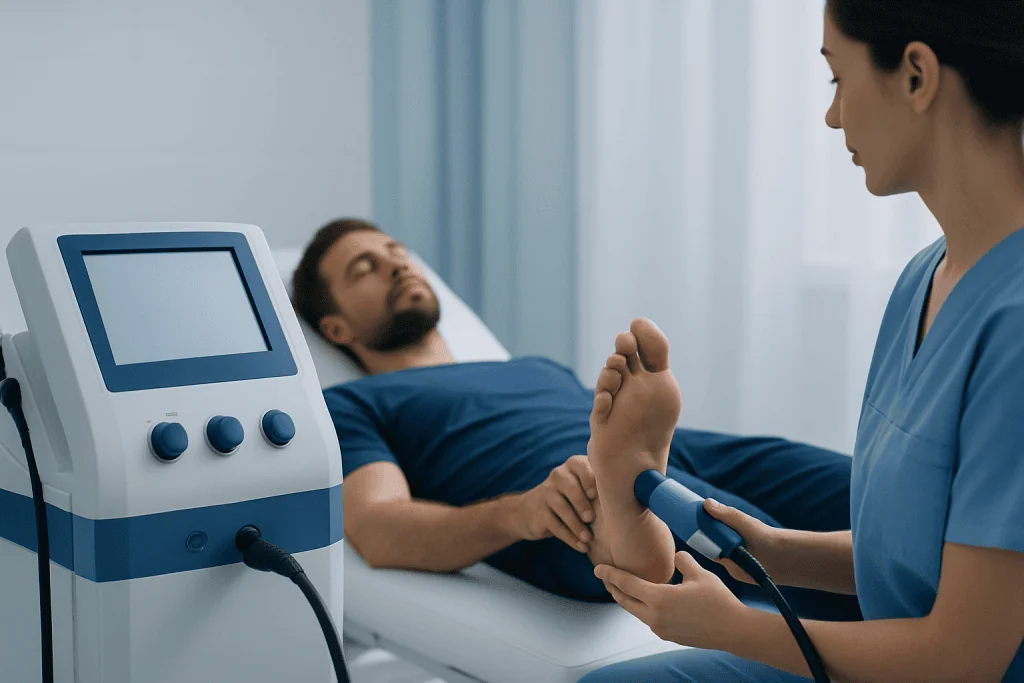
Medical studies on reflexology and foot acupressure suggest that some people may feel more relaxed and may notice short-term improvement in symptoms such as stress, tension, or general discomfort. These effects are most often understood as supportive, similar to the benefits of massage, focused touch, and relaxation. Research has not shown reliable evidence that foot pressure points can cure disease, remove toxins, or correct internal organ problems.
One reason the topic can be confusing is that symptom relief and disease treatment are not the same thing. A person may feel calmer or less tense after foot massage, which can be meaningful and helpful, especially in supportive care. But that benefit does not confirm that a pressure point is linked to the liver, heart, stomach, or another organ in a direct biological way.
Clinical care relies on diagnosis, examination, and, when needed, tests such as imaging, blood work, or nerve studies. If a person has heel pain, burning feet, tingling, swelling, or changes in walking, the cause is more likely to be related to foot structure, overuse, inflammation, nerves, joints, skin, or blood flow than to a blocked pressure point.
For people who enjoy reflexology, the safest approach is to view it as a complementary wellness practice. It may be reasonable for relaxation alongside standard care, but it should not replace treatment for conditions such as plantar fasciitis, neuropathy, infection, fractures, or vascular disease.
Why certain spots on the feet can feel tender
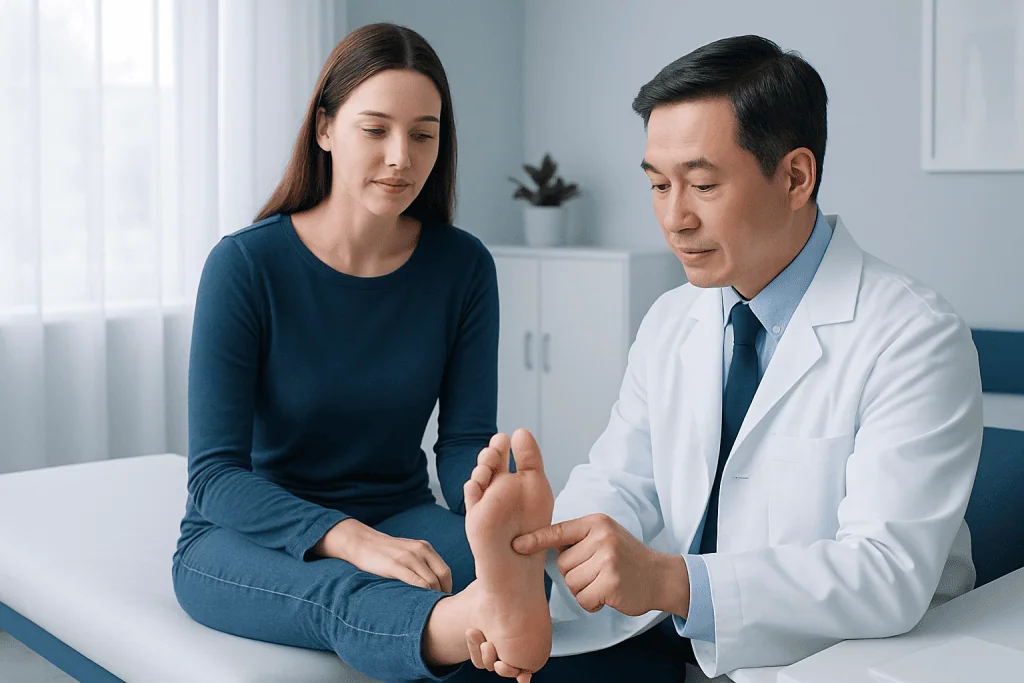
Tenderness in a so-called foot pressure point is usually explained by ordinary foot anatomy rather than a problem in a distant organ. The feet carry body weight and absorb repeated impact, so they are prone to soreness. Areas such as the heel, ball of the foot, arch, and base of the toes often become sensitive because of pressure, overuse, tight muscles, or irritated soft tissues.
Common reasons for tenderness include poorly fitting shoes, long periods of standing, high-impact exercise, flat feet, high arches, bunions, calluses, corns, and muscle strain. Heel tenderness may be associated with plantar fascia irritation, while burning, tingling, or sharp pain may point more toward nerve irritation or compression. Joint stiffness or swelling can suggest arthritis or inflammation.
The location of symptoms can still be useful medically, but in a different way than pressure point charts suggest. For example, pain under the heel may indicate strain of the plantar fascia, while numbness in the toes may raise concern about nerve problems or circulation. In this sense, the foot can provide important clues, but the interpretation depends on anatomy and clinical evaluation rather than reflex maps.
Sometimes pain in the feet is linked to issues elsewhere in the body, such as the lower back, knees, or blood sugar control. Conditions affecting nerves and blood vessels may cause symptoms in the feet first. That is why persistent or unexplained tenderness deserves attention if it does not improve with simple self-care.
Common medical causes of foot symptoms
When someone searches for foot pressure points, they are often trying to understand pain, sensitivity, cramps, or numbness. Many medically recognized conditions can cause these symptoms. These include overuse injuries, tendon inflammation, ligament strain, arthritis, stress fractures, nerve compression, skin disorders, and circulation problems.
One of the most common causes of heel and arch pain is plantar fasciitis, especially in people who stand for long periods, wear unsupportive shoes, or increase activity suddenly. Burning, tingling, or reduced sensation may suggest peripheral nerve irritation or damage, including peripheral neuropathy. Swelling, warmth, redness, or sudden pain may indicate inflammation, injury, or infection and should not be ignored.
Foot symptoms are also more common in people with diabetes, obesity, inflammatory joint disease, flat feet, high arches, and poor circulation. In these groups, even a small skin injury can become more serious if healing is slow or sensation is reduced. Regular foot checks and early assessment are especially important.
Because foot symptoms can overlap, self-diagnosis has limits. A sore spot on the arch may be muscle strain in one person, a tendon issue in another, and a nerve problem in someone else. A clinician can assess pain patterns, walking mechanics, sensation, blood flow, and skin health to identify the true cause.
Diagnosis: how doctors evaluate foot pain or unusual sensitivity
Evaluation starts with a medical history and physical examination. A doctor may ask when the symptoms began, where they are located, what makes them better or worse, what shoes are worn most often, and whether there are related symptoms such as numbness, weakness, swelling, fever, or changes in skin color. Information about diabetes, arthritis, past injuries, and activity level is also important.
The physical exam may include checking the skin, nails, pulses, swelling, tenderness, flexibility, and walking pattern. A clinician may press on different areas of the foot, but this is done to identify structures that are inflamed or injured, not to assess organ function. Sensation and reflexes may also be tested if a nerve problem is suspected.
Depending on the findings, further tests may be recommended. X-rays can help assess fractures, arthritis, or alignment problems. Ultrasound or MRI may be used to evaluate soft tissues such as tendons, fascia, or ligaments. When numbness or burning is present, nerve testing or blood tests may be considered to look for underlying causes.
Targeted treatment depends on an accurate diagnosis. In some cases, care may include physical therapy and rehabilitation to improve flexibility, strength, balance, and walking mechanics. If symptoms are severe or unusual, a specialist in orthopedics, neurology, endocrinology, or vascular care may be involved.
Treatment and self-care: where foot pressure techniques may fit
Treatment depends on the cause of symptoms, not on a pressure point chart. For mild muscle tension or temporary soreness, sensible self-care may include rest, supportive shoes, activity modification, gentle stretching, and simple foot massage. Some people also find that warm water soaks or use of a massage ball under the arch provides short-term comfort.
Foot pressure or reflexology can be considered a comfort measure if it feels pleasant and does not worsen symptoms. It may help with relaxation, stress reduction, and body awareness. However, strong pressure should be avoided over areas that are very painful, inflamed, bruised, infected, or injured. People with neuropathy, fragile skin, foot ulcers, or poor circulation should be especially cautious and seek professional guidance before using vigorous massage tools.
Medical treatment may include shoe changes, orthotics, stretching programs, anti-inflammatory approaches recommended by a clinician, and supervised exercise. Some conditions benefit from orthopedic rehabilitation to restore function and reduce strain on the foot and ankle. If symptoms relate to nerves, systemic illness, or structural problems, treatment should address that underlying issue directly.
When surgery or procedural treatment is needed, this is based on a specific diagnosis rather than on tender pressure points. At the end of the care pathway, the goal is improved function, pain control, and prevention of recurrence. In selected cases, doctors may also request MRI to clarify a soft-tissue or nerve-related problem that is not obvious on examination.
Prevention and daily foot care
Healthy daily habits are more effective than pressure point charts for preventing many foot problems. Supportive, well-fitting footwear is one of the most important factors. Shoes should match the person’s activity, provide enough room for the toes, and offer cushioning and stability. Replacing worn-out shoes can also reduce strain on the heel and arch.
Stretching the calves and feet, building lower-leg strength, and increasing activity gradually can all help reduce overuse injuries. People who stand for long periods may benefit from taking regular movement breaks, changing footwear when appropriate, and using insoles if recommended by a clinician. Maintaining a healthy weight can also reduce repetitive stress on the feet.
Daily foot checks are especially important for people with diabetes, numbness, or circulation problems. Looking for cuts, redness, blisters, cracks, swelling, or nail changes can help catch problems early. Skin should be kept clean and moisturized, but moisture should not be trapped between the toes.
For international patients needing evaluation of persistent foot pain, nerve symptoms, or mobility problems, Acibadem International’s multidisciplinary specialists in JCI-accredited hospitals diagnose and treat a wide range of musculoskeletal and nerve-related conditions. Professional assessment is especially helpful when symptoms keep returning or interfere with normal walking and exercise.
When to seek medical care
Medical care is recommended if foot pain lasts more than a few days, keeps coming back, or makes walking difficult. An assessment is also important for numbness, tingling, burning pain, weakness, or tenderness that does not improve with rest and footwear changes. These symptoms may reflect a nerve, joint, tendon, or circulation problem rather than a harmless pressure point.
Prompt care is needed for swelling, redness, warmth, fever, an open wound, pus, sudden severe pain, or inability to bear weight. People with diabetes should seek help early for any blister, cut, color change, or ulcer, even if it seems minor. Reduced sensation can hide the severity of a problem.
Emergency evaluation may be necessary if there is sudden coldness or paleness of the foot, severe trauma, rapidly spreading infection, or signs of a blood clot or major circulation problem. It is always safer to have ongoing or unexplained symptoms checked by a qualified doctor than to rely on self-treatment alone.
Frequently asked questions
Do foot pressure points really connect to organs?
Reflexology charts describe these connections, but modern medical evidence does not confirm a direct anatomical link between specific spots on the foot and specific internal organs. Tender areas on the feet are more often explained by normal anatomy, pressure, overuse, or local irritation.
Can pressing foot pressure points help with pain?
Gentle foot massage or pressure may help some people feel more relaxed and may reduce temporary soreness or tension. However, it does not treat the underlying cause of conditions such as nerve problems, fractures, arthritis, or inflammation.
Why does one area of my foot hurt when I press it?
Pain in one area may come from strained tissues, a callus, a bunion, irritated nerves, or shoe pressure. The exact location can help guide diagnosis, but it does not usually mean there is a problem in a matching internal organ.
Is reflexology safe for everyone?
It is not ideal for everyone. People with foot ulcers, broken skin, infections, severe swelling, fractures, poor circulation, or significant neuropathy should be cautious and ask a clinician before trying strong foot pressure or massage.
Can foot pressure points diagnose illness?
No. Foot tenderness alone cannot reliably diagnose disease. Persistent symptoms should be assessed through a medical history, examination, and, when appropriate, tests such as imaging or nerve studies.
When should foot symptoms be checked by a doctor?
A doctor should assess symptoms that persist, worsen, recur, or affect walking and daily activities. Prompt review is especially important for swelling, redness, wounds, numbness, weakness, fever, or any foot problem in a person with diabetes.
References
- National Institutes of Health
- American Academy of Orthopaedic Surgeons
- American Podiatric Medical Association
- National Institute of Arthritis and Musculoskeletal and Skin Diseases
- National Institute of Neurological Disorders and Stroke
This article is for general information only and is not a substitute for professional medical advice. Please consult a qualified doctor about your individual situation.
Explore treatments in Turkey — costs, top hospitals & a free quote
JCI-accredited · board-certified surgeons · reply within 24h

More from the Health Library

Related Specialists

Dt. Elif Ceren Güzeler
Oral & Dental Health
Dr. Esra Karakaş
Endocrinology
Dr. Begüm Uzsezer Güler
Gynecology & Obstetrics
Gizem Erbil
Pediatric Rehabilitation