Gallbladder removal in Turkey: Hospitals, Safety & What to Expect

Gallbladder removal, also called cholecystectomy, is most often recommended for symptomatic gallstones or gallbladder inflammation. Laparoscopic surgery uses several small incisions and typically allows a shorter recovery than open surgery.
Key Takeaways
- Gallbladder removal, also called cholecystectomy, is most often recommended for symptomatic gallstones or gallbladder inflammation.
- Laparoscopic surgery uses several small incisions and typically allows a shorter recovery than open surgery.
- Safe international care relies on medical suitability, hospital standards, transparent communication and a plan for recovery after travel.
- Most people can live normally without a gallbladder, although temporary digestive changes can occur.
- Urgent assessment is important for severe or persistent abdominal pain, fever, jaundice or vomiting.
Gallbladder removal in Turkey may be an appropriate option for international patients when surgery is clinically indicated and delivered by an experienced surgical team in an appropriately accredited hospital. Most procedures use minimally invasive laparoscopic techniques, with pre-travel assessment, clear aftercare plans and follow-up arrangements being central to safe care.
Gallbladder Removal in Turkey: An Overview
Gallbladder removal in Turkey can be considered by people who need treatment for painful gallstones, repeated gallbladder inflammation or related complications. The operation is called a cholecystectomy. It is commonly performed using laparoscopic, or keyhole, surgery, but the most suitable approach depends on the individual’s symptoms, imaging findings, general health and surgical history.
The gallbladder is a small organ beneath the liver that stores bile, a fluid that helps digest fats. A person can live without it because the liver continues to produce bile, which then flows directly into the intestine. Surgery is generally recommended when gallbladder disease causes symptoms or complications rather than simply because gallstones are found incidentally.
For people travelling for care, the process should start with a clinical review rather than travel arrangements alone. Medical records, imaging reports, current medicines, allergies and relevant health conditions should be reviewed in advance. A hospital should also explain the anticipated admission, discharge criteria, local accommodation needs and the plan for care once the patient returns home.
Patients seeking a detailed overview of the operation can review gallbladder removal treatment information before discussing whether surgery is appropriate with a qualified surgeon.
Why Gallbladder Surgery May Be Recommended
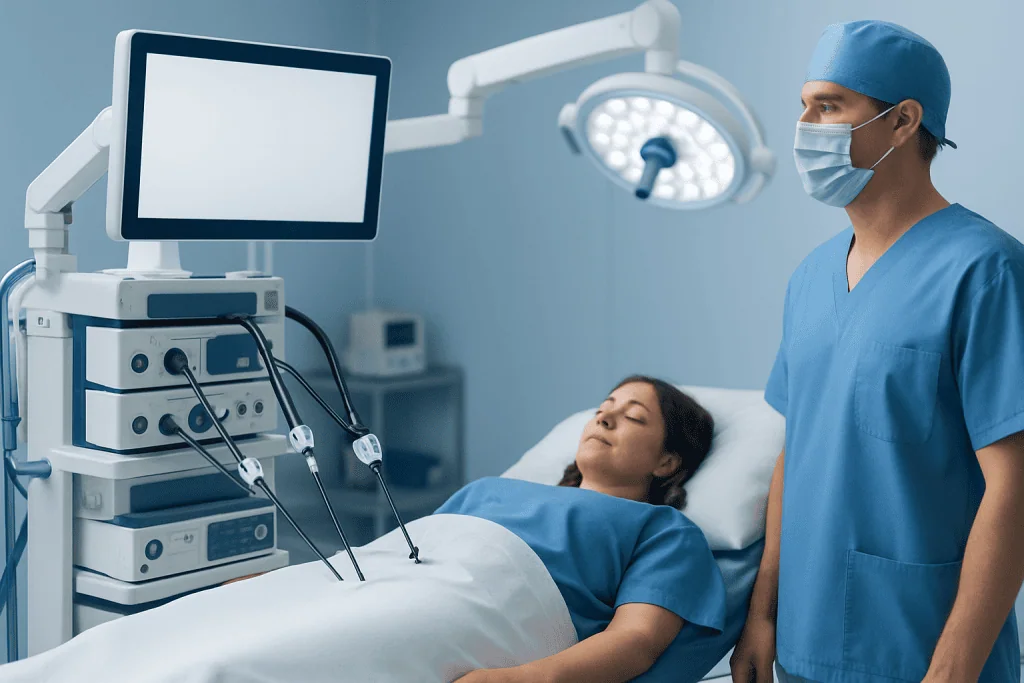
The most common reason for cholecystectomy is symptomatic gallstones. Gallstones can block the flow of bile and cause biliary colic: episodes of steady pain in the upper right or central abdomen, often after eating. Pain may spread to the back or right shoulder and may be accompanied by nausea or vomiting.
Surgery may also be advised after acute cholecystitis, which is inflammation of the gallbladder, or when gallstones contribute to blockage in the bile ducts or pancreatitis. The timing of surgery varies. Some people need urgent treatment during an acute illness, while others can have a planned procedure after assessment and symptom control.
Not everyone with gallstones needs their gallbladder removed. Many people have gallstones that cause no symptoms and do not require treatment. The decision should be based on the pattern of symptoms, examination findings, blood tests, ultrasound or other imaging, and the likelihood that surgery will improve the problem.
Symptoms linked with stones are discussed further in gallstones information. A surgeon may also consider other causes of abdominal pain before recommending an operation.
How Laparoscopic Gallbladder Removal Works
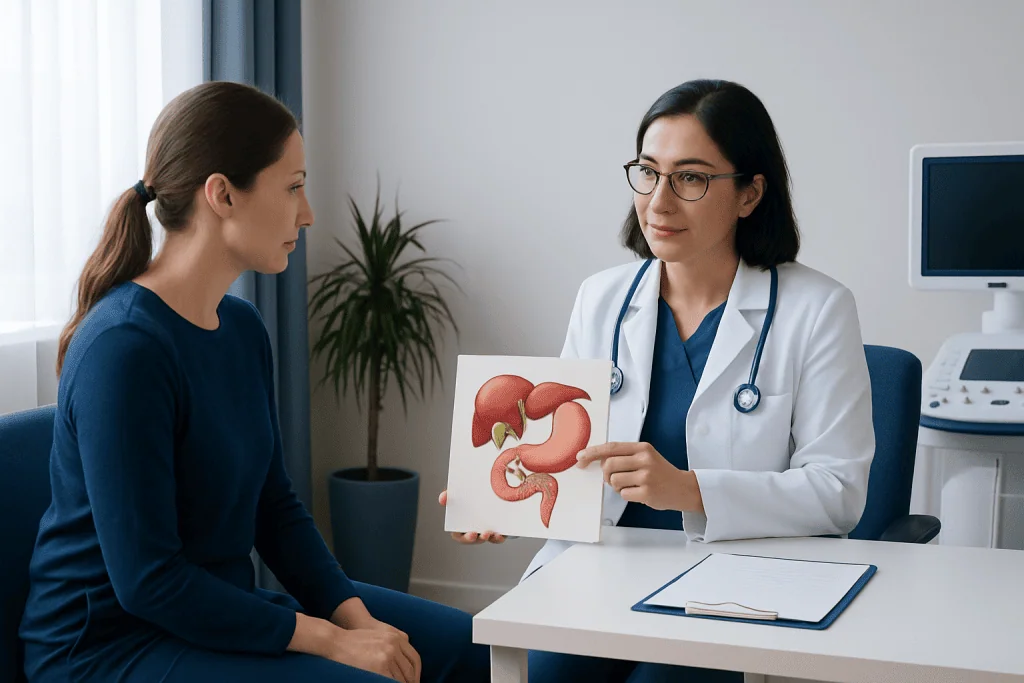
Laparoscopic cholecystectomy is the standard surgical approach for many patients. It is performed under general anaesthesia, meaning the patient is asleep and does not feel the operation. The surgeon makes small incisions in the abdomen and inserts a camera and fine instruments to view and remove the gallbladder.
Carbon dioxide gas is used temporarily to create working space inside the abdomen. The surgeon carefully identifies the cystic duct and cystic artery, which connect to the gallbladder, before sealing and dividing them. The gallbladder is then removed through one of the small incisions. The operation commonly takes around one to two hours, although the duration can vary.
Open surgery uses a larger incision beneath the ribs on the right side. It may be planned when a laparoscopic approach is not suitable, or it may be necessary if severe inflammation, scarring, bleeding or unclear anatomy makes keyhole surgery less safe. Conversion to open surgery is a safety decision, not a failure of treatment.
Before surgery, the anaesthesia and surgical teams review medical history, medications and test results. Patients should tell their team about blood-thinning medicines, diabetes medicines, prior abdominal surgery, pregnancy, sleep apnoea, heart or lung conditions, and any previous anaesthetic concerns.
Preparing for Care and the Patient Journey in Turkey
International patients should have a pre-arrival consultation or records review whenever possible. Relevant documents may include ultrasound, CT or MRI reports, blood test results, a medication list and discharge papers from any recent emergency admission. The surgical team may request updated testing after arrival, especially if symptoms have changed or prior results are incomplete.
A safe plan includes confirmation of the diagnosis, an anaesthetic assessment, discussion of expected benefits and possible complications, and informed consent in a language the patient understands. Patients should ask how urgent symptoms will be managed, who will provide care during the hospital stay, how discharge decisions are made and how postoperative questions will be handled after travel.
Accommodation planning matters because patients generally need time near the hospital after surgery before taking a longer journey. The care team can advise on individual fitness to fly, based on the type of operation, pain control, mobility, wound healing and any complications. Travel insurers should be informed of planned medical treatment, and patients should carry copies of their clinical records home.
JCI accreditation is one indicator that a hospital has been assessed against international quality and patient-safety standards, but it should be considered alongside the qualifications of the surgical and anaesthesia teams, infection-prevention practices, emergency capability, communication and continuity of care. Acibadem International’s multidisciplinary specialists and JCI-accredited hospitals diagnose and treat gallbladder conditions for international patients.
Recovery Timeline and Expected Changes
After uncomplicated laparoscopic surgery, patients usually begin drinking fluids and walking on the day of surgery or soon afterwards. Some may go home the same day, while others stay overnight depending on their health, the complexity of surgery, pain control and travel circumstances. Open surgery usually requires a longer hospital stay and recovery period.
For the first several days, tiredness, mild abdominal discomfort, nausea and shoulder-tip pain from the surgical gas can occur. Small incisions may feel sore, and a gradual return to light activity is often encouraged. The surgical team will provide individual guidance about showering, wound care, driving, lifting, work and exercise.
Many people return to desk-based activities within one to two weeks after laparoscopic surgery, though recovery is individual. Heavy physical work and strenuous exercise may require more time. Recovery after open surgery is typically longer, often several weeks, because of the larger incision.
Most people can return to a regular diet gradually. Some notice loose stools, bloating or discomfort after fatty meals in the early weeks. Smaller meals and a temporary reduction in high-fat foods may help. Persistent digestive symptoms should be discussed with a doctor, as they are not always caused by gallbladder removal itself.
Benefits, Risks and Safety Considerations
For appropriate candidates, gallbladder removal can prevent repeated gallstone attacks and reduce the risk of recurrent gallbladder inflammation or other stone-related complications. It is a common operation, but no surgery is risk-free. The expected benefits should be weighed against the person’s symptoms, overall health and alternatives.
Possible complications include bleeding, wound infection, blood clots, reactions to anaesthesia, bile leakage and injury to nearby structures such as the bile ducts, liver or bowel. Rarely, a retained or newly identified stone in the bile duct may require an endoscopic procedure. The surgeon will explain risks that are especially relevant to the individual patient.
Safety is supported by careful diagnosis, appropriate imaging, trained surgical and anaesthesia teams, sterile operating practices, monitoring after surgery and prompt recognition of complications. Patients can support safe recovery by following fasting instructions, taking medicines only as directed, walking regularly when advised, keeping wounds clean and attending recommended follow-up.
People should not assume that every episode of abdominal pain is caused by the gallbladder. Conditions affecting the stomach, liver, pancreas, bowel, heart or lungs can sometimes cause similar symptoms. A full assessment helps ensure that surgery addresses the likely source of symptoms.
When to Seek Medical Care
Urgent medical assessment is needed for severe or persistent upper abdominal pain, especially when it lasts several hours or is accompanied by fever, chills, repeated vomiting, yellowing of the skin or eyes, dark urine, pale stools, fainting or marked weakness. These symptoms can indicate gallbladder inflammation, a blocked bile duct, pancreatitis or another condition requiring prompt care.
After gallbladder surgery, patients should contact their surgical team promptly if they develop worsening rather than improving pain, fever, increasing redness or drainage from a wound, persistent vomiting, abdominal swelling, jaundice, shortness of breath, chest pain or one-sided leg swelling. Emergency services should be used for severe symptoms or if rapid medical review is unavailable.
For planned international care, it is sensible to remain within practical reach of the hospital until the team confirms recovery is progressing appropriately. Before travelling home, patients should receive a discharge summary, operative details, medication information, wound-care instructions and guidance on who to contact if concerns arise.
A follow-up appointment with the patient’s usual doctor after returning home can help review recovery, ongoing symptoms and any relevant test results. This is particularly helpful for people with other long-term health conditions or an unexpectedly complex recovery.
Frequently asked questions
Is gallbladder removal in Turkey safe?
Gallbladder removal can be performed safely when a patient is appropriately assessed and surgery is provided by qualified teams in a hospital with robust safety systems. Patients should review the hospital’s standards, surgeon and anaesthesia expertise, emergency support, communication arrangements and postoperative follow-up plan before travelling.
How long should a patient stay in Turkey after gallbladder surgery?
The appropriate length of stay depends on whether surgery is laparoscopic or open, how recovery progresses and the distance and type of onward travel. The surgical team should confirm when the patient is medically fit to travel and should provide individualized advice before flights or other long journeys.
Can a person live normally without a gallbladder?
Yes. The liver continues to make bile after the gallbladder is removed, and bile flows directly into the intestine. Most people have no long-term dietary restriction, although some experience temporary changes in bowel habits or tolerance of fatty foods.
Is laparoscopic gallbladder removal always possible?
No. Laparoscopic surgery is suitable for many people, but extensive inflammation, scarring, altered anatomy or certain health concerns may make open surgery safer. In some cases, surgeons begin laparoscopically and switch to an open operation to protect patient safety.
What tests are needed before gallbladder removal?
Assessment commonly includes a medical history, physical examination, blood tests and an ultrasound scan. Additional imaging or tests may be needed if bile duct stones, pancreatitis, jaundice or another cause of symptoms is suspected.
What food should be eaten after gallbladder removal?
Patients can usually reintroduce food gradually, starting with fluids and lighter meals as advised by their care team. Smaller portions and avoiding very fatty foods temporarily may reduce bloating or loose stools, while a balanced diet can be resumed as tolerated.
References
- World Health Organization
- National Institute for Health and Care Excellence
- National Health Service
- Society of American Gastrointestinal and Endoscopic Surgeons
- American College of Surgeons
This article is for general information only and is not a substitute for professional medical advice. Please consult a qualified doctor about your individual situation.
Persistent digestive symptoms? Get evaluated in Turkey
JCI-accredited · board-certified surgeons · reply within 24h

More from the Health Library


Related Specialists
Mehmet Akif Aracı
Physical Medicine & Rehabilitation
Prof. Dr. Gökhan Demir
Medical Oncology
Dt. Ferhan Ertuğral
Dentistry
Dr. Ayşen Yücetürk
Vitro Fertilization and Reproductive Medicine Center