Varicose veins Symptoms: Early Signs You Should Not Ignore
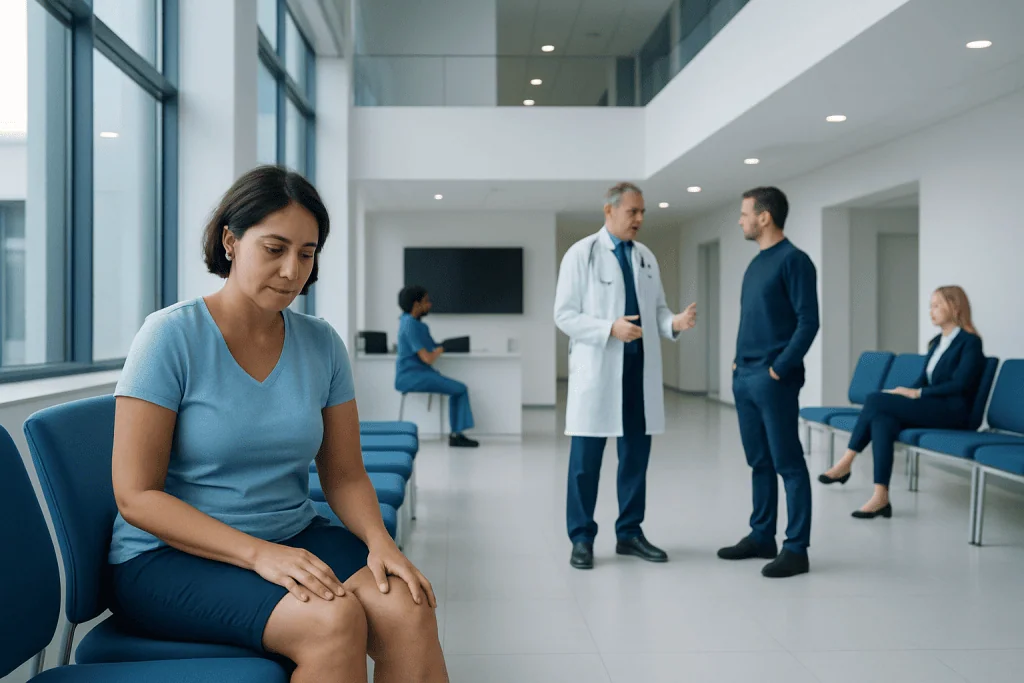
Varicose veins are enlarged, twisted superficial veins, most often affecting the legs. Early symptoms may include aching, heaviness, tiredness, itching, cramping and swelling that worsen after prolonged standing.
Key Takeaways
- Varicose veins are enlarged, twisted superficial veins, most often affecting the legs.
- Early symptoms may include aching, heaviness, tiredness, itching, cramping and swelling that worsen after prolonged standing.
- Not all visible leg veins require treatment, but pain, swelling, skin changes, bleeding or a new leg ulcer need medical assessment.
- A vascular examination and duplex ultrasound can identify faulty vein valves and guide treatment choices.
- Lifestyle measures may ease symptoms, while minimally invasive procedures can close or remove problematic veins when appropriate.
Varicose veins symptoms can begin with leg heaviness, aching, itching or mild ankle swelling before enlarged blue or purple veins become obvious. Recognising persistent symptoms and skin changes can help a person seek assessment before complications develop.
Overview: What Do Varicose Veins Symptoms Feel Like?
Varicose veins symptoms commonly include aching or throbbing legs, a feeling of heaviness or tiredness, itching around a vein, ankle swelling and visible blue, purple or bulging veins. Symptoms often become more noticeable after long periods of standing or sitting and may improve with walking, leg elevation or rest.
Varicose veins develop when valves inside leg veins do not close effectively. Instead of moving steadily back toward the heart, some blood can flow backward and pool in the vein. This increases pressure within the vein and may cause it to stretch, twist and become visible beneath the skin.
For some people, varicose veins are mainly a cosmetic concern. For others, they are associated with ongoing discomfort or signs of chronic venous disease. An assessment can distinguish varicose veins from other causes of leg pain or swelling and help identify people who may benefit from treatment.
Early Signs and Common Symptoms
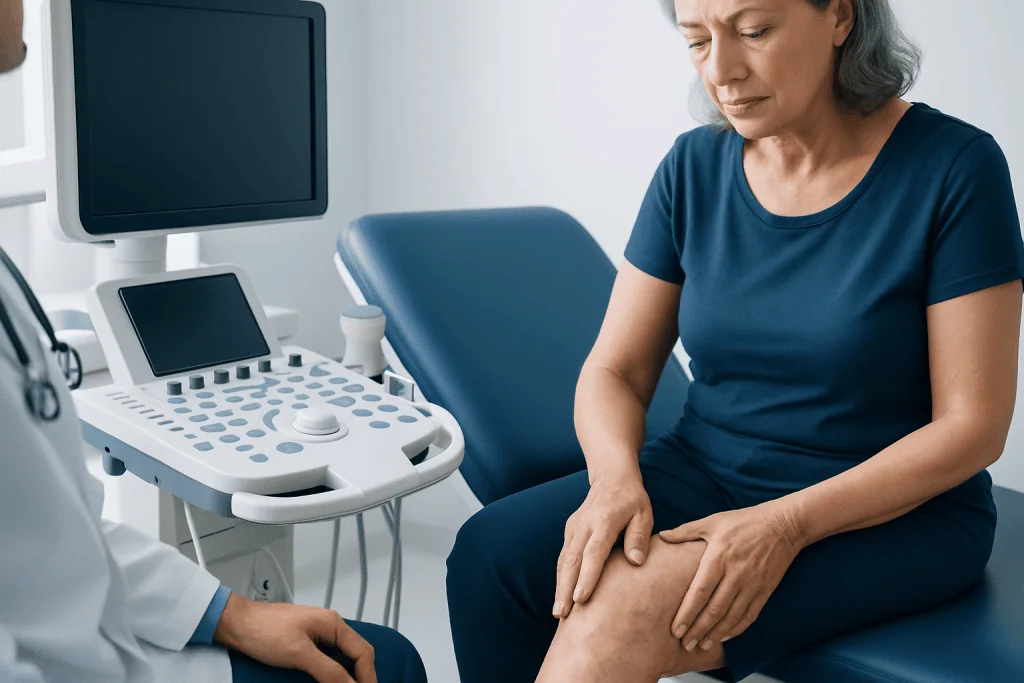
Early varicose vein symptoms can occur before large surface veins are visible. A person may notice that their lower legs feel heavy, tired, restless or uncomfortable by the end of the day. These sensations can be more apparent in warm weather, during pregnancy, after travel or when work involves long periods of standing.
- Aching, burning, throbbing or a dull discomfort in the legs
- Heaviness, fatigue or a feeling of pressure in the calves
- Visible blue, purple, raised or twisted veins
- Itching, tingling or irritation over or around a vein
- Mild swelling of the ankles, feet or lower legs, especially later in the day
- Night-time leg cramps or an urge to move the legs
- Small red, blue or purple thread veins, sometimes called spider veins
Symptoms are not always proportional to the size of the visible veins. Some people have prominent veins with little discomfort, while others have bothersome symptoms despite subtle visible changes. New, one-sided swelling, sudden pain or redness should not automatically be attributed to varicose veins and requires prompt clinical advice.
Why Varicose Veins Develop: Causes and Risk Factors
The main underlying issue is weakened or damaged valves in the superficial leg veins. Healthy valves help blood travel upward against gravity. When they become less effective, backward flow, known as venous reflux, can increase pressure and contribute to vein enlargement.
Ageing, a family history of varicose veins, pregnancy and hormonal changes can all increase likelihood. Pregnancy raises blood volume and places extra pressure on pelvic and leg veins; symptoms often improve after delivery, although some veins may remain enlarged. Women are diagnosed more often, but varicose veins also affect men.
Other factors include excess body weight, limited regular movement, previous leg injury, a history of blood clots and occupations that involve prolonged standing or sitting. These factors do not mean a person will definitely develop varicose veins, but they can contribute to venous pressure or reduced blood return from the legs.
Diagnosis and What a Vein Assessment Involves
A clinician usually begins by discussing symptoms, medical history, family history, pregnancies, medications and any previous clots or vein procedures. They examine the legs while the person is standing and look for enlarged veins, swelling, skin colour changes, rashes and areas of tenderness.
Duplex ultrasound is the main test used to assess varicose veins. It combines images of the veins with information about blood flow, allowing the clinician to identify reflux, map affected veins and exclude or investigate other vein problems. It is non-invasive and does not use radiation.
Assessment is particularly important when symptoms affect daily activities or there are signs of more advanced venous disease, such as brown skin discolouration near the ankles, hardened skin, eczema, bleeding from a vein or a slow-healing wound. These changes may indicate longstanding raised pressure in the leg veins and should be reviewed rather than managed alone at home.
Treatment Options and Varicose Vein Procedures
Treatment depends on symptoms, ultrasound findings, general health and personal goals. Conservative care may be appropriate for mild symptoms. This can include regular walking, calf-muscle activity, avoiding long uninterrupted periods of sitting or standing, elevating the legs when resting and discussing weight management where relevant. Compression stockings may help selected people, but should be chosen with clinical guidance, especially if arterial circulation is reduced.
When refluxing veins are causing persistent symptoms or skin complications, minimally invasive treatment may be considered. Modern approaches commonly use heat-based closure, medical adhesive, foam injection or small-incision removal of selected veins. The goal is to close or remove the diseased vein so blood is redirected through healthier veins. More detailed information about varicose veins treatment can help patients understand available approaches.
For an endovenous procedure, ultrasound first maps the target vein. After local anaesthetic is given, a thin catheter is placed into the vein under ultrasound guidance. Energy or another closure method is applied along the vein, and the catheter is removed. Small visible branches may be treated at the same time or at a later visit. The procedure plan should be individualised by a qualified vascular specialist.
Most minimally invasive procedures are performed as day treatments. Walking is usually encouraged soon afterward, and many people resume light daily activities within a short period, although recovery varies by procedure and work demands. Bruising, tenderness, tightness along the treated vein and temporary skin discolouration can occur. Less common risks include skin burns with heat-based techniques, inflammation of a treated vein, nerve irritation, infection, recurrence and blood clotting; the treating team explains individual risks and follow-up needs.
Prevention and Everyday Self-Care
Varicose veins cannot always be prevented, particularly when there is a strong family tendency or pregnancy-related change. However, supporting circulation and calf-muscle function may reduce discomfort and help limit prolonged pressure in the leg veins.
Regular walking, cycling, swimming and ankle movements activate the calf muscles, which help pump blood upward from the legs. During desk work, travel or standing shifts, it can help to change position regularly, take short walking breaks and avoid sitting with legs crossed for long periods. Raising the legs for short periods while resting may relieve end-of-day heaviness and swelling.
A balanced diet, attention to body weight when appropriate, comfortable footwear and skin moisturising can support general leg health. People should avoid relying on supplements or unproven topical products to treat underlying vein reflux. Compression garments may be useful for some people but are best discussed with a clinician to ensure correct type and fit.
When to Seek Medical Care
A person should arrange a routine medical review if varicose veins cause ongoing pain, heaviness, itching, swelling, recurrent cramps or symptoms that interfere with work, sleep, exercise or daily life. Medical assessment is also advisable when skin near the ankles becomes brown, red, dry, scaly, thickened or unusually tender.
Urgent medical advice is needed for sudden one-sided leg swelling, new severe calf pain, warmth or redness, because these symptoms can have causes other than varicose veins, including a blood clot. Immediate emergency care is appropriate for chest pain, shortness of breath, coughing blood, fainting, or bleeding from a varicose vein that does not stop with firm direct pressure and leg elevation.
Acibadem International’s multidisciplinary specialists and JCI-accredited hospitals assess and treat vein conditions for international patients. A vascular consultation can clarify whether symptoms are due to varicose veins and whether monitoring, conservative care or a procedure is most suitable.
Frequently asked questions
What are the first symptoms of varicose veins?
Early symptoms may include leg heaviness, aching, tiredness, itching around a vein, night cramps and mild ankle swelling. These often worsen after sitting or standing for a long time and may ease with walking or resting with the legs raised.
Can varicose veins cause leg swelling?
Yes. Raised pressure in affected leg veins can contribute to swelling, usually around the ankles and lower legs later in the day. However, new or sudden swelling, particularly in one leg, should be assessed promptly because it may have another cause.
Are varicose veins dangerous?
Many varicose veins do not cause serious health problems. Still, persistent symptoms, skin changes, bleeding, inflammation or leg ulcers can occur, so these signs should be medically reviewed.
Do varicose veins go away with exercise?
Exercise improves calf-muscle pumping and may reduce discomfort, but it does not usually remove veins with damaged valves. Walking and other regular activity remain helpful parts of symptom management and overall circulation health.
How are varicose veins diagnosed?
A clinician examines the legs and asks about symptoms and medical history. Duplex ultrasound is often used to evaluate blood flow, identify faulty valves and plan treatment if needed.
When should a person worry about varicose vein pain?
Persistent pain, worsening swelling, skin colour changes, a rash near the ankles, a wound that does not heal or bleeding from a vein should be assessed. Sudden severe pain, redness or swelling in one leg needs urgent medical advice.
References
- National Institute for Health and Care Excellence
- NHS
- Society for Vascular Surgery
- American Heart Association
This article is for general information only and is not a substitute for professional medical advice. Please consult a qualified doctor about your individual situation.
Explore treatments in Turkey — costs, top hospitals & a free quote
JCI-accredited · board-certified surgeons · reply within 24h