Private health check vs Nhs health check: Which Is Right for You?

The NHS Health Check is designed to identify risk of heart disease, stroke, type 2 diabetes, kidney disease and some forms of dementia. In England, eligible adults aged 40 to 74 without certain pre-existing conditions are usually invited every five years.
Key Takeaways
- The NHS Health Check is designed to identify risk of heart disease, stroke, type 2 diabetes, kidney disease and some forms of dementia.
- In England, eligible adults aged 40 to 74 without certain pre-existing conditions are usually invited every five years.
- Private health checks may provide wider or more flexible testing, but the tests included and follow-up arrangements differ between providers.
- More tests do not always mean better care; screening can sometimes lead to false-positive results, anxiety or further investigations.
- New, persistent or concerning symptoms should be assessed clinically rather than waiting for a routine health check.
Choosing between a private health check and an NHS Health Check depends mainly on age, eligibility, health concerns and the type of assessment needed. The NHS Health Check is a structured programme focused on cardiovascular risk, while private health checks can vary widely in scope and should be chosen carefully to avoid unnecessary testing.
Private Health Check vs NHS Health Check: the main difference
A private health check and an NHS Health Check can both support preventive care, but they are not identical services. The NHS Health Check is a standardised assessment offered in England to eligible adults, primarily to estimate their future risk of cardiovascular disease and related conditions. A private health check is arranged independently and may range from a simple review of blood pressure and blood tests to a more extensive assessment with imaging or specialist consultations.
For someone who is eligible and has no symptoms, the NHS Health Check is often an appropriate starting point because it uses evidence-based measures to identify common, modifiable health risks. A private assessment may suit a person who wants a different appointment schedule, has specific family-history concerns, needs a broader review after discussion with a clinician, or is seeking care outside the NHS pathway.
The most useful check is not necessarily the largest package. It is one that considers the person’s age, sex, medical history, medicines, lifestyle, family history and symptoms, and that provides clear follow-up for abnormal results. For an overview of what a broader assessment can involve, see private health check services.
How the NHS Health Check works
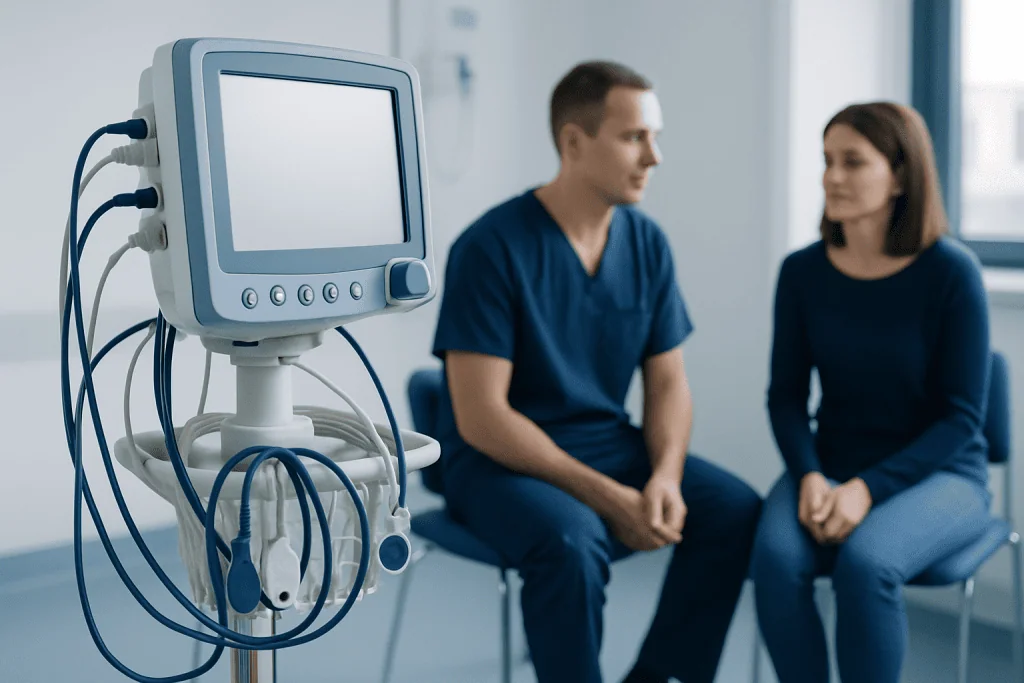
The NHS Health Check is available in England for many adults aged 40 to 74 who do not already have certain long-term conditions. Those who are eligible are generally invited every five years, although local arrangements can differ. It is intended for prevention and risk reduction, not for diagnosing unexplained symptoms or replacing regular care for an existing medical condition.
During the appointment, a healthcare professional usually asks about medical and family history, smoking, alcohol use, diet and physical activity. They commonly measure height, weight, blood pressure and cholesterol, and may assess blood sugar or diabetes risk. The information is used to estimate the likelihood of developing heart disease, stroke, type 2 diabetes, kidney disease and, where relevant, dementia risk later in life.
The clinician explains the results and may discuss practical next steps, such as stopping smoking, becoming more active, improving diet, managing weight, or arranging further tests. If a person has raised blood pressure, elevated cholesterol, or another concern, they may be offered monitoring, treatment or referral through their GP practice. The programme applies specifically to England; preventive health assessments may be organised differently in Scotland, Wales and Northern Ireland.
How a private health check works

A private health check begins with booking an appointment directly with a healthcare provider. Before testing, the provider should explain what the assessment includes, what it cannot detect, whether fasting is required, how results will be shared and what happens if an abnormality is found. Some programmes are led by doctors, while others may include nurses, laboratory staff and relevant specialists.
Common components can include a medical history, physical examination, blood pressure measurement, body composition or body mass index assessment, and blood tests such as cholesterol or glucose. Depending on the individual and the provider, a check may also include an ECG, urine testing, ultrasound or other investigations. However, tests should be selected because they are clinically appropriate, not simply because they are available.
A well-planned private assessment should include interpretation in context and a written plan for follow-up. Results may need to be shared with the person’s GP, especially if ongoing monitoring, prescriptions or NHS referral is needed. A personalised medical check-up can help organise appropriate screening and consultation, but it should not replace prompt evaluation of active symptoms.
Who may benefit from each option
The NHS Health Check may be particularly suitable for an eligible adult who feels generally well and wants to understand their risk of common vascular and metabolic conditions. It can be especially valuable for people who smoke, have a less active lifestyle, have high blood pressure in the family, or have close relatives with early heart disease, stroke or type 2 diabetes.
A private health check may be considered by adults who are not eligible for the NHS programme, cannot attend at the available times, or want a clinician to consider specific risks in more detail. People with a strong family history of a condition may benefit more from a targeted clinical consultation than from a standard package. The clinician can decide whether screening tests, genetic counselling, imaging or regular follow-up are appropriate.
Neither type of health check is the right route for everyone. People already diagnosed with diabetes, high blood pressure, heart disease, kidney disease, high cholesterol or another long-term illness generally need condition-specific follow-up rather than a routine screening appointment. Likewise, anyone with new symptoms should seek an assessment tailored to those symptoms.
- Choose an NHS Health Check when eligible and seeking a structured review of common cardiovascular risk factors.
- Consider a private check when access, timing or a clinically justified personalised assessment is important.
- Ask how results will be interpreted, documented and followed up before agreeing to any testing.
What happens during and after the appointment
Most routine health checks are straightforward and do not require a recovery period. The appointment may take from a short consultation to a more detailed half-day assessment, depending on the tests arranged. Some blood tests require fasting, while others do not, so it is important to follow the provider’s instructions in advance and to continue regular medicines unless advised otherwise.
Step by step, the assessment usually involves registration, a review of health history and goals, basic measurements, any agreed blood or urine tests, and a discussion with a clinician. Some results, such as blood pressure, may be available immediately. Laboratory results can take longer, and imaging or specialist tests may require a separate appointment or report.
After the check, most people return to normal activities immediately. If a blood sample is taken, mild bruising or short-lived tenderness at the site can occur. The more important part of the process is follow-up: results should be explained clearly, including whether they are normal, borderline, uncertain or require further investigation. A result outside the usual range does not automatically mean a person has a disease.
Benefits, limitations and possible risks of screening
Health checks can identify risk factors before they cause symptoms. Finding high blood pressure, raised cholesterol, increased diabetes risk or smoking-related risk early may create an opportunity to make lifestyle changes or start treatment where clinically appropriate. A check can also help people understand which aspects of health are already going well.
However, screening has limitations. A normal result cannot guarantee that a person will remain healthy or that every condition has been excluded. Conversely, an unexpected result may be a false positive, meaning it appears abnormal but is not caused by disease. This can lead to repeat blood tests, scans, referrals or understandable worry before the result is clarified.
Broad testing may occasionally find incidental changes that would never have caused harm but still require assessment. For this reason, it is sensible to ask whether each test is recommended for the person’s age, sex, health history and risk profile. Decisions about screening should be shared with a qualified clinician, balancing possible benefits against potential downsides.
Healthy steps between health checks
A health check is most useful when it supports ongoing healthy habits rather than becoming the only focus of preventive care. Regular physical activity, a balanced eating pattern, sufficient sleep, avoiding tobacco, limiting alcohol and maintaining social and emotional wellbeing can all contribute to long-term health. Small, sustainable changes are often more realistic than major short-term plans.
People with a family history of high blood pressure, diabetes, high cholesterol, heart disease or stroke should mention this to their doctor. They may need earlier or more frequent assessment than someone without these risk factors. Routine vaccinations, recommended cancer screening and dental and eye care also remain important parts of preventive health.
Acibadem International’s multidisciplinary specialists and JCI-accredited hospitals can assess preventive health concerns and arrange appropriate investigations for international patients. The aim should always be an individualised plan based on clinical need, rather than testing for its own sake.
When to seek medical care
A routine health check is not designed to assess urgent or potentially serious symptoms. A person should contact a doctor promptly if they develop persistent chest discomfort, unexplained breathlessness, palpitations, fainting, new weakness or numbness, unexpected weight loss, blood in urine or stool, ongoing severe fatigue, or a new lump. These symptoms have many possible causes and need a focused clinical assessment.
Emergency help is needed for symptoms that may suggest a heart attack or stroke, including severe chest pain or pressure, sudden facial drooping, weakness on one side of the body, difficulty speaking, sudden confusion, or sudden severe shortness of breath. In these situations, a person should use their local emergency number rather than booking a screening appointment.
People with persistently raised blood pressure, cholesterol or blood sugar should arrange follow-up with a qualified clinician. Early review can clarify the findings, assess overall risk and help create a safe, practical management plan.
Frequently asked questions
Is a private health check better than an NHS Health Check?
Neither is automatically better. The NHS Health Check is a structured, evidence-based option for eligible adults in England, while a private check may offer greater flexibility or a more personalised scope. The best choice depends on eligibility, health risks, symptoms and the quality of follow-up available.
What age is the NHS Health Check for?
In England, the NHS Health Check is generally offered to adults aged 40 to 74 who do not already have certain diagnosed long-term conditions. Eligible people are usually invited every five years. Local services may have slightly different arrangements, so a GP practice or local authority can confirm eligibility.
Can a private health check diagnose cancer or heart disease?
A health check can identify some risk factors or findings that need further assessment, but it cannot reliably rule out every cancer, heart condition or other disease. Screening tests are not a substitute for investigating symptoms. A clinician should select tests based on individual risk and clinical need.
Do people need to fast before a health check?
Some blood tests may require fasting, but many do not. The provider should give clear instructions before the appointment, including advice about food, drinks and usual medicines. If instructions are unclear, it is sensible to ask before attending.
What should someone bring to a health check?
It is helpful to bring details of current medicines, allergies, previous diagnoses, relevant test results and family medical history. A person may also wish to prepare questions about symptoms, lifestyle concerns or health goals. This information helps the clinician interpret results more accurately.
Can normal health check results provide complete reassurance?
Normal results are reassuring for the issues that were assessed, but they do not exclude every condition or guarantee future health. Health can change over time, and new symptoms should always be discussed with a doctor. Continuing healthy habits and attending recommended screening remain important.
References
- NHS England
- National Institute for Health and Care Excellence
- UK Health Security Agency
- British Heart Foundation
- World Health Organization
This article is for general information only and is not a substitute for professional medical advice. Please consult a qualified doctor about your individual situation.
Heart care in Turkey — expert evaluation and treatment
JCI-accredited · board-certified surgeons · reply within 24h
Check your numbers in seconds
BMI, calories, due date, blood pressure and 30+ more clinical calculators — free, instant, doctor-reviewed ranges.