Hazards of Gamma Radiation: How It Works, Results and What to Expect
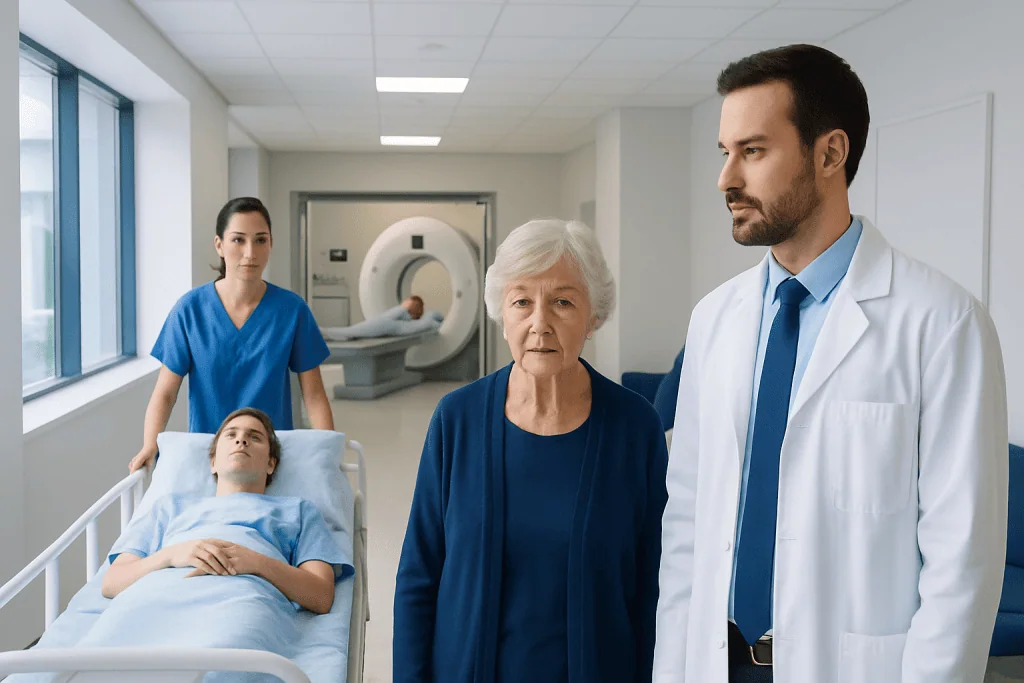
Gamma rays can pass deeply into the body and may damage cells and DNA when exposure is high enough. Health effects depend on radiation dose, dose rate, body area exposed, and whether radioactive material is inside the body.
Key Takeaways
- Gamma rays can pass deeply into the body and may damage cells and DNA when exposure is high enough.
- Health effects depend on radiation dose, dose rate, body area exposed, and whether radioactive material is inside the body.
- Medical radiation treatments use precise planning to focus the dose on a target while protecting surrounding healthy tissue.
- External gamma-ray treatment does not make a person radioactive after the session.
- Possible radiation effects range from temporary skin or digestive symptoms to delayed tissue injury and a small increased future cancer risk, depending on exposure.
- Anyone with a suspected significant radiation exposure should contact emergency or public-health authorities promptly.
Gamma radiation is a highly penetrating form of ionizing radiation that can damage living cells at sufficient doses. Although uncontrolled exposure can be harmful, gamma radiation is also used safely in medicine when specialists carefully plan, target and monitor treatment.
Overview: hazards of gamma radiation
The hazards of gamma radiation arise because gamma rays are ionizing radiation: they carry enough energy to remove electrons from atoms and molecules. In human tissue, this process can injure cells and damage DNA. The degree of harm is not fixed; it depends mainly on the dose received, how quickly it is delivered, the part of the body exposed, and whether the exposure is external or from radioactive material taken into the body.
Gamma rays are released by certain radioactive substances and can also be produced by specialized medical equipment. They are very penetrating, so shielding and distance are important in occupational, emergency and medical settings. Yet gamma radiation is not automatically dangerous in every context. Carefully controlled doses are used for imaging, sterilization and highly targeted cancer treatment because they can reach tissue deep inside the body.
In healthcare, radiation specialists weigh expected benefit against possible harm for every person. Treatments are designed with imaging, computer-based planning and quality checks to deliver radiation accurately. This article explains both unintended exposure and the expected effects of planned gamma-radiation procedures.
How gamma radiation works in the body
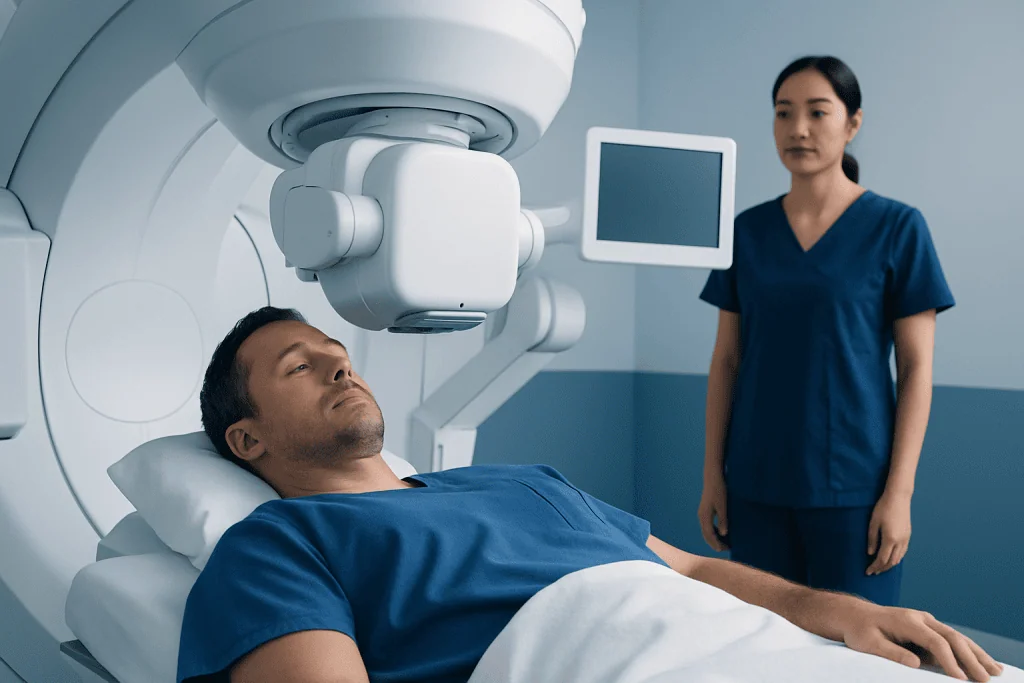
When gamma rays pass through the body, they transfer energy to cells. This may directly break chemical bonds in DNA or create reactive molecules that damage DNA indirectly. Cells can often repair limited damage. However, when damage is extensive or incorrectly repaired, cells may stop dividing, die, or develop changes that contribute to illness later in life.
Rapidly dividing tissues tend to be more sensitive to radiation. These include bone marrow, the lining of the digestive tract, reproductive cells and developing fetal tissues. Sensitivity also differs by organ, age and individual health. Effects may occur soon after a high exposure, while other effects, such as some cancers, may take years to develop.
Gamma radiation may be external or internal. External exposure occurs when a source is outside the body, such as a medical treatment machine or an industrial source. Internal exposure occurs if radioactive material is inhaled, swallowed, enters a wound or is administered as a medical radiopharmaceutical. Internal sources can continue exposing nearby tissue until the material decays or leaves the body.
What are the hazards of gamma radiation?

The main hazard is cell and tissue damage from ionization. A large dose delivered over a short time can cause acute radiation injury, while lower or more gradual exposures may not cause immediate symptoms but can slightly increase the long-term risk of cancer. There is no single symptom pattern because effects depend greatly on the amount and location of radiation received.
Very high whole-body exposure can affect the bone marrow and immune system, gastrointestinal tract, skin and blood vessels. A localized high dose may cause injury mainly in the exposed area, such as skin redness, hair loss, delayed wound healing or tissue scarring. These effects are generally associated with accidental, occupational or therapeutic exposures rather than ordinary daily background radiation.
Gamma rays cannot be seen, smelled or felt during exposure. This is why radiation safety relies on trained personnel, appropriate shielding, controlled access, dose monitoring and reliable equipment. Anyone concerned about a workplace, environmental or medical exposure should seek advice from the responsible radiation-safety team or a qualified clinician rather than relying on symptoms alone.
What are 5 harmful effects of radiation to humans?
Five possible harmful effects of ionizing radiation are: damage to DNA; skin injury such as redness, burns or hair loss after a high localized dose; reduced bone marrow function, which can lower blood-cell counts; gastrointestinal symptoms such as nausea, vomiting or diarrhea after substantial whole-body exposure; and an increased lifetime risk of certain cancers. The presence, severity and timing of these effects depend on dose and the tissue involved.
Radiation can also affect fertility when reproductive organs receive sufficiently high doses, and exposure during pregnancy may pose risks to fetal development. These situations require individualized assessment by specialists. Medical teams take particular care to avoid or minimize exposure to reproductive organs and to evaluate pregnancy status before procedures that may involve radiation.
It is important to put these risks in context. Diagnostic and therapeutic procedures are performed only when there is a clinical reason, and radiation teams follow established principles to keep exposure as low as reasonably achievable while still obtaining useful images or effective treatment. A patient should discuss the purpose, alternatives and likely side effects of any recommended procedure with the treating team.
Medical gamma radiation: candidacy and step-by-step treatment
Gamma radiation may be used in external-beam radiotherapy or in stereotactic radiosurgery, often called Gamma Knife treatment when a dedicated cobalt-based system is used. Despite its name, radiosurgery does not involve an incision. It delivers many focused beams of gamma radiation to a precisely defined target, commonly in the brain, while reducing dose to nearby tissue.
Candidacy depends on the diagnosis, target size and location, previous treatments, overall health and treatment goals. It may be considered for selected brain tumors, metastases, arteriovenous malformations, trigeminal neuralgia and other conditions evaluated by a multidisciplinary team. A specialist review of imaging and medical history is essential; it is not the appropriate approach for every condition or every person.
The process usually begins with consultation, imaging and treatment planning. On treatment day, the team positions the patient using an immobilization frame or fitted mask, then confirms alignment with imaging. The patient lies on a treatment couch while radiation is delivered; the procedure itself is painless. Detailed information about Gamma Knife radiosurgery should be discussed with a radiation oncologist and neurosurgical team, including expected goals and possible alternatives.
For cancer care more broadly, radiation may be delivered in a series of sessions rather than a single radiosurgery procedure. Planning scans, contouring of the treatment area and repeated verification steps help reduce radiation to healthy tissue. The balance between benefit and risk is individualized, and the patient can ask how normal organs will be protected.
What happens if gamma radiation gets into your body?
Gamma radiation itself does not usually “get into” the body in the way a chemical does. Gamma rays are energy waves that pass through tissue. A person can be exposed externally when a gamma source is nearby, or internally if radioactive material enters the body and emits gamma rays from within.
If radioactive material enters the body, the health effect depends on the substance, how much entered, where it concentrates and how quickly it is eliminated. Some materials may leave naturally through urine, stool, sweat or exhaled air; others may be taken up by certain organs. Medical and public-health teams can measure contamination and determine whether monitoring, decontamination or a specific treatment is needed.
External gamma exposure does not make a person radioactive. In contrast, a person who has received certain radioactive medicines may temporarily emit small amounts of radiation and receive specific safety instructions. These instructions vary by medicine and dose, so they should always be followed carefully.
How long does radiation stay in your body?
Radiation from an external gamma-ray source does not remain in the body after the source is switched off or the person leaves the area. For example, after external-beam radiotherapy or Gamma Knife radiosurgery, a patient is not radioactive and does not expose family members through normal contact.
When radioactive material is inside the body, the answer is different. It remains until it physically decays, is cleared by the body, or both. This is described by physical half-life, biological clearance and effective half-life. The timing varies widely among radiopharmaceuticals and individuals.
A nuclear medicine or radiation-safety professional provides personalized instructions after internal radioactive treatments or tests. These may include hydration, toilet hygiene, limiting close contact for a period, or other precautions. Patients should not change these instructions based on general information online.
Recovery, benefits, risks and when to seek medical care
Recovery after a planned gamma-radiation procedure is usually brief, although the treatment effect may develop gradually over weeks or months. Some people return to usual activities within a day or two, while others need more time because of their underlying condition, sedation, frame-related discomfort or treatment-related swelling. Follow-up imaging and specialist appointments are an important part of care.
The benefit of targeted treatment is the ability to treat a defined area without open surgery and with less exposure to surrounding tissue than less-focused approaches. Risks vary according to the target and may include fatigue, temporary headache, nausea, swelling, hair loss in a treated area, neurological symptoms or delayed tissue changes. The treating team may prescribe medicines or arrange follow-up tests to manage and monitor these risks.
Urgent medical evaluation is appropriate after a suspected significant accidental exposure, especially if there are burns, persistent vomiting, severe weakness, confusion, fever, unusual bleeding or a known exposure involving radioactive material. A person should also seek prompt medical advice after treatment if they develop worsening headache, seizures, new weakness, changes in speech or vision, persistent vomiting, or any symptom their care team has identified as urgent.
Acibadem International’s multidisciplinary specialists and JCI-accredited hospitals evaluate and treat eligible international patients using individualized radiation-oncology and neurosurgical care. A clinician can explain whether a targeted radiation procedure is appropriate and what follow-up is needed for the person’s diagnosis.
Frequently asked questions
Can gamma radiation cause cancer?
Ionizing radiation, including gamma radiation, can increase cancer risk because it may damage DNA. The size of that risk depends on the dose, the exposed tissue, age at exposure and other factors. In medical care, radiation is used only when the expected benefit is considered to outweigh the potential risk.
Is gamma radiation more dangerous than X-rays?
Both gamma rays and X-rays are forms of ionizing electromagnetic radiation and can damage tissue at sufficient doses. Their biological risk is determined mainly by dose, energy, exposure conditions and the body area exposed, rather than the name alone. Gamma rays often originate from radioactive decay, while X-rays are commonly produced by machines.
Can a person feel gamma radiation exposure?
No. Gamma radiation cannot be felt, seen, smelled or tasted while it is occurring. High exposures may cause symptoms later, but symptoms are not a reliable way to measure dose. Radiation detectors and professional assessment are needed to evaluate a suspected exposure.
Does Gamma Knife treatment make someone radioactive?
No. Gamma Knife radiosurgery uses external radiation beams, so the patient does not retain radiation afterward and is not radioactive. Usual contact with family and friends is generally safe unless the healthcare team gives separate instructions for another reason.
What should someone do after a possible radiation exposure?
They should move away from the suspected source if it is safe to do so and follow instructions from emergency services or site safety personnel. If radioactive material may be on clothing or skin, removing outer clothing and washing gently with soap and water can reduce contamination. Medical or public-health professionals should assess significant or uncertain exposures.
Can gamma radiation be used safely in medicine?
Yes. Gamma radiation can be used safely when qualified teams use appropriate equipment, planning, monitoring and safety standards. The aim is to deliver the necessary dose to a medical target while minimizing exposure to healthy tissues. Patients should ask their care team about expected benefits, side effects and follow-up.
References
- World Health Organization
- International Atomic Energy Agency
- United States Environmental Protection Agency
- National Cancer Institute
- International Commission on Radiological Protection
This article is for general information only and is not a substitute for professional medical advice. Please consult a qualified doctor about your individual situation.
Oncology care in Turkey — second opinion and treatment plan
JCI-accredited · board-certified surgeons · reply within 24h
Add us as a Preferred Source to see more of our trusted health content across Google Search, AI Overviews and Discover.

More from the Health Library



Related Specialists

Prof. Dr. Bülent Özçelik
Gynecology & Obstetrics
Dyt. Bilgesu Pekcan
Nutrition and Diet
Dt. Alen Palancıoğlu
Oral Dental & Maxillofacial Surgery
Defne Sürek
Physical Medicine & Rehabilitation