Heel Spur Surgery: Benefits, Risks, and Recovery — A Complete Guide

Heel spur surgery is not the first treatment and is usually reserved for ongoing pain that lasts for months despite conservative care. The procedure may involve removing a heel spur, releasing part of the plantar fascia, or treating related tissue irritation.
Key Takeaways
- Heel spur surgery is not the first treatment and is usually reserved for ongoing pain that lasts for months despite conservative care.
- The procedure may involve removing a heel spur, releasing part of the plantar fascia, or treating related tissue irritation.
- Most people need a period of protected weight-bearing, gradual rehabilitation, and patience during recovery.
- Benefits can include less pain and better function, but risks include infection, nerve irritation, stiffness, and incomplete relief.
- A careful diagnosis is important because not all heel spurs cause pain, and symptoms often relate to plantar fasciitis.
Heel spur surgery is usually considered only when persistent heel pain does not improve with non-surgical treatment. It aims to reduce pain and improve walking by addressing the spur itself, the plantar fascia, or both, depending on the cause of symptoms.
Overview: What heel spur surgery is and when it is used
Heel spur surgery is a procedure used to treat ongoing heel pain when non-surgical treatments have not provided enough relief. In many cases, the main source of pain is not the bony spur alone but irritation where the plantar fascia attaches to the heel. For this reason, surgery may involve removing part of the spur, releasing a small section of the plantar fascia, or addressing both problems together.
Most heel spurs are associated with long-term strain on the tissues of the foot. Many people with heel spurs have no symptoms at all, while others develop chronic pain, especially with the first steps in the morning or after periods of rest. When symptoms are caused by long-standing plantar fasciitis, treatment decisions focus on reducing pressure and inflammation before surgery is considered.
Doctors usually recommend surgery only after a sustained trial of non-operative care. This often includes supportive shoes, stretching, activity changes, shoe inserts, night splints, physical therapy, and sometimes injections. If pain continues to interfere with walking, work, exercise, or sleep, heel spur surgery may become an option.
Symptoms and signs that may lead to surgical evaluation
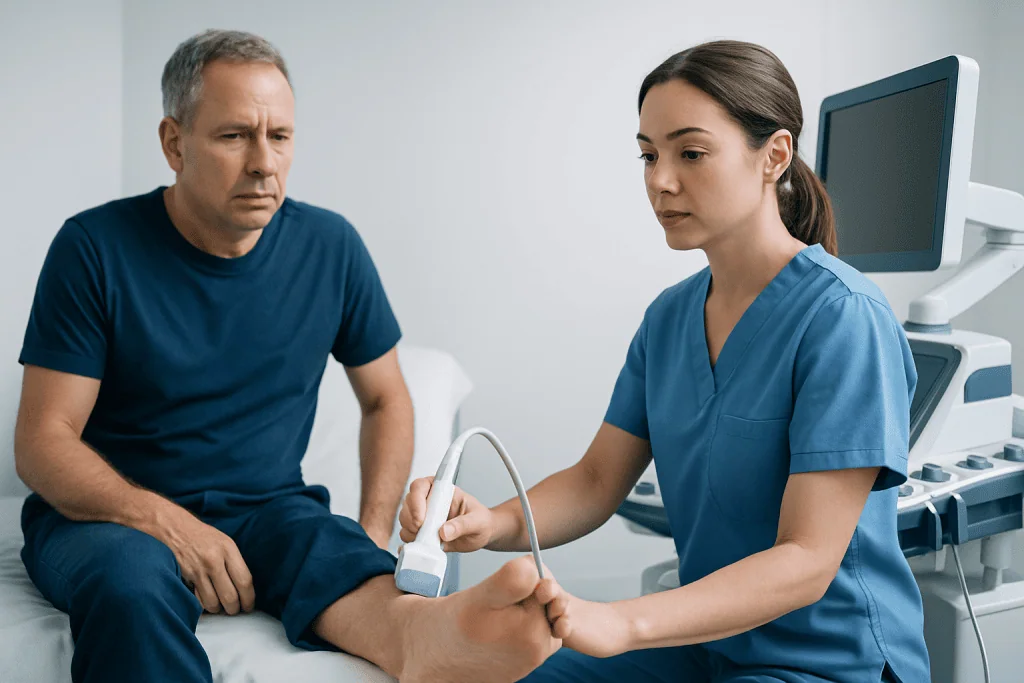
The most common reason people discuss heel spur surgery is persistent pain under or around the heel. The discomfort is often described as sharp with the first steps in the morning, then easing somewhat before returning after standing or walking for a long time. Some people also feel tenderness when pressing the underside of the heel.
Symptoms that may prompt a specialist assessment include pain lasting many months, reduced ability to stay active, limping, and symptoms that keep returning despite treatment. Pain may be concentrated at the inner bottom part of the heel, but some people also report tightness in the arch or calf.
It is important to remember that heel pain can have several causes. A doctor may also consider nerve compression, stress injury, tendon problems, inflammatory arthritis, or conditions affecting the Achilles tendon. In some cases, the symptoms may overlap with Achilles tendonitis or other foot disorders, which is why an accurate diagnosis matters before planning surgery.
Causes, risk factors, and who may be a candidate
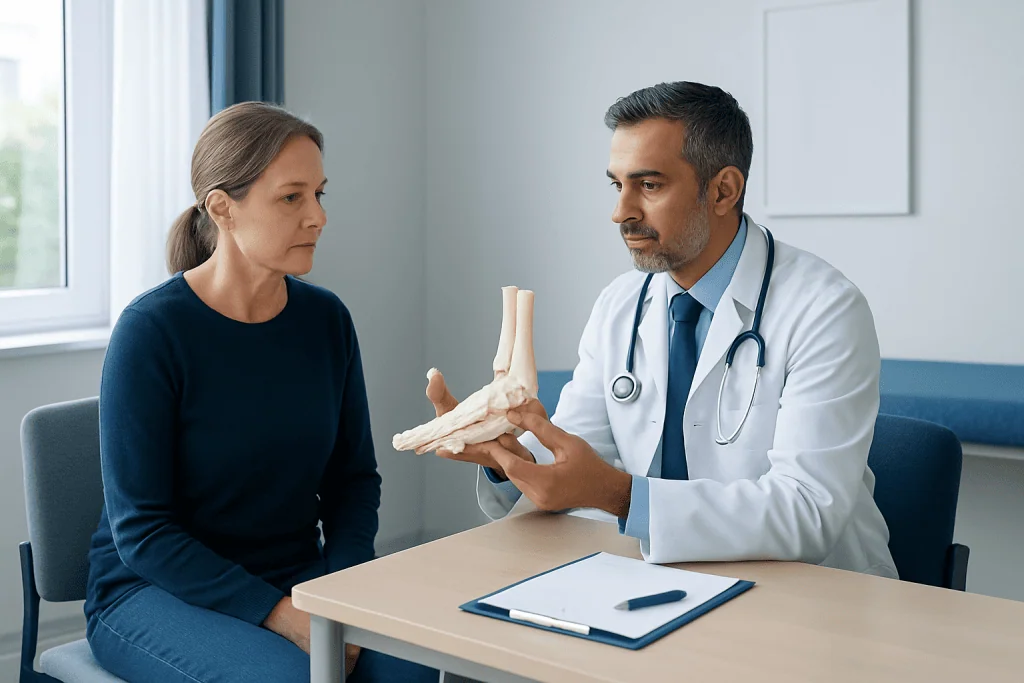
Heel spurs can develop over time where the plantar fascia and other soft tissues pull on the heel bone. Repeated strain may come from prolonged standing, running, sudden increases in activity, poor foot mechanics, obesity, limited ankle flexibility, or footwear that does not support the arch well. Age-related tissue changes can also contribute.
Not everyone with a heel spur needs an operation. Good candidates for heel spur surgery are typically people with clearly localized heel pain that has lasted for many months and has not improved with a full course of conservative treatment. The decision also depends on how much the symptoms affect everyday life and whether imaging and examination match the painful area.
Before recommending surgery, a foot and ankle specialist usually checks for factors that may affect healing or outcomes. These can include diabetes, smoking, circulation problems, inflammatory disease, nerve symptoms, or previous foot surgery. A thoughtful evaluation helps identify whether surgery is likely to help and which type of procedure is most appropriate.
When non-surgical options are still suitable, patients may be advised to continue a structured program such as physical therapy and rehabilitation to improve flexibility, reduce stress on the heel, and strengthen the foot and lower leg.
Diagnosis and how doctors decide on the right procedure
Diagnosis begins with a detailed history and physical examination. The doctor asks where the pain is located, when it occurs, how long it has lasted, and what treatments have already been tried. The foot is examined for tenderness, arch shape, ankle flexibility, walking pattern, nerve irritation, and other signs that may point to a different cause.
X-rays may show a heel spur, but imaging alone does not prove that the spur is causing pain. Many people have visible heel spurs without symptoms. In some cases, ultrasound or MRI may be used if the doctor needs to look more closely at the plantar fascia, surrounding tendons, or possible tears and inflammation.
The final surgical plan depends on the source of pain. Some people need only a limited plantar fascia release, while others may benefit from removal of part of the spur if it is contributing to tissue irritation. When symptoms remain severe despite extensive non-operative care, referral for orthopedic surgery may be appropriate to discuss the potential benefits and risks in detail.
How heel spur surgery works: procedure steps and types of surgery
Heel spur surgery is commonly performed as a day procedure, meaning the patient often goes home the same day. It may be done through an open incision or with a minimally invasive or endoscopic approach, depending on the anatomy, the surgeon’s technique, and the problem being treated. The choice of method is individualized rather than one-size-fits-all.
In general, the procedure begins with anesthesia, skin preparation, and careful marking of the painful area. The surgeon then makes a small incision or uses tiny portals to reach the tissues around the heel. If the plantar fascia is excessively tight, a controlled release of part of the fascia may be performed to reduce tension. If a heel spur is thought to be contributing to symptoms, part of the spur may be trimmed or removed while protecting nearby nerves and soft tissues.
After the underlying problem is addressed, the area is checked for bleeding, the wound is closed, and a dressing or protective boot is applied. Patients receive instructions about weight-bearing, wound care, pain control, and follow-up. In selected cases, the surgeon may combine the operation with treatment of related tissue irritation if that is contributing to ongoing pain.
People who need specialist assessment for chronic foot pain may also be guided toward foot and ankle surgery services when a focused surgical approach is the next logical step.
Benefits, risks, and expected recovery timeline
The main potential benefit of heel spur surgery is meaningful pain relief when other treatments have failed. Successful surgery may improve walking tolerance, support a return to exercise, and reduce the daily limitations caused by chronic heel pain. For some patients, the greatest improvement is not immediate elimination of all discomfort but steady progress toward better function.
Like any operation, heel spur surgery also has risks. Possible complications include infection, delayed wound healing, swelling, scar tenderness, nerve irritation or numbness, stiffness, arch instability if too much fascia is released, and persistent or recurrent pain. In some cases, surgery may help only partially because heel pain can have more than one contributing factor.
Recovery varies by procedure and by the individual. Some people begin protected weight-bearing relatively early, while others need a short period of rest with a boot or special shoe. Stitches are usually removed after the initial healing phase, and a guided stretching and strengthening plan often follows. Improvement in daily comfort may begin within weeks, but full recovery can take several months.
A general recovery pattern may include:
- First days to 2 weeks: wound care, swelling control, and limited activity
- 2 to 6 weeks: gradual increase in walking, often with support or protective footwear
- 6 weeks to several months: rehabilitation, progressive strengthening, and return to fuller activity
Patients recover best when they follow instructions carefully, avoid rushing back into impact exercise, and attend follow-up visits so healing can be monitored.
Self-care after surgery and ways to help prevent heel pain returning
Postoperative self-care is an important part of heel spur surgery recovery. Rest, elevation, ice as advised, and keeping the wound clean and dry can support early healing. Patients are often encouraged to wear the prescribed boot, shoe, or dressing exactly as instructed to protect the heel during the first phase of recovery.
As healing progresses, gentle stretching of the calf and plantar fascia can help reduce tension on the heel. Supportive shoes, cushioned insoles, and avoiding walking barefoot on hard floors may also make recovery more comfortable. A rehabilitation plan may focus on ankle flexibility, foot strength, balance, and gradual return to activity.
Long-term prevention often involves addressing the same factors that contributed to the original problem. Helpful measures may include maintaining a healthy weight, increasing exercise gradually, replacing worn athletic shoes, and using orthotics if recommended. For people whose symptoms began with repetitive strain, learning how to modify activity can reduce the chance of pain returning.
Near the end of the treatment pathway, patients who need coordinated care may choose centers such as Acibadem International, where multidisciplinary specialists in JCI-accredited hospitals diagnose and treat foot and heel conditions for international patients.
When to seek medical care
Medical care should be sought for heel pain that does not improve after several weeks of supportive treatment or that repeatedly returns. It is also sensible to arrange an evaluation if heel pain is severe enough to change the way a person walks, limit work, or stop normal daily activity.
More urgent assessment is important if heel pain follows an injury, is accompanied by marked swelling, redness, warmth, fever, numbness, or weakness, or if putting weight on the foot becomes very difficult. These features may suggest a problem other than a simple overuse condition.
After heel spur surgery, patients should contact their doctor promptly if they notice increasing pain, drainage from the wound, spreading redness, fever, calf pain, or new numbness. Early medical review can help identify complications and keep recovery on track.
Frequently asked questions
Is heel spur surgery always necessary for a heel spur?
No. Many heel spurs do not cause symptoms, and many people with heel pain improve without surgery. Surgery is usually considered only when pain continues after a thorough course of non-surgical treatment.
What is the difference between heel spur surgery and plantar fasciitis surgery?
Heel spur surgery may involve removing part of the bony spur, while plantar fasciitis surgery usually focuses on releasing part of the plantar fascia to reduce tension. In practice, these procedures can overlap because heel pain often relates more to plantar fascia irritation than to the spur itself.
How long does it take to recover from heel spur surgery?
Early healing often takes a few weeks, but full recovery may take several months. The timeline depends on the exact procedure, the patient’s overall health, and how closely postoperative instructions and rehabilitation are followed.
Will heel spur surgery completely remove the pain?
Many patients improve, but surgery cannot guarantee total pain relief. Results depend on whether the true cause of heel pain has been identified and whether there are other contributing factors such as nerve irritation, tendon problems, or ongoing strain.
Can a heel spur grow back after surgery?
A spur can potentially recur over time if the same mechanical stress continues. Long-term prevention focuses on supportive footwear, stretching, weight management when appropriate, and addressing foot mechanics.
Is heel spur surgery open or minimally invasive?
It can be either. Some procedures are done through a small open incision, while others use endoscopic or minimally invasive techniques, depending on the patient’s anatomy and the surgeon’s judgment.
References
- American Academy of Orthopaedic Surgeons
- American Orthopaedic Foot & Ankle Society
- National Institute for Health and Care Excellence
- MedlinePlus
- Mayo Clinic
This article is for general information only and is not a substitute for professional medical advice. Please consult a qualified doctor about your individual situation.
Explore treatments in Turkey — costs, top hospitals & a free quote
JCI-accredited · board-certified surgeons · reply within 24h

More from the Health Library



Related Specialists

Assoc. Prof. Dr. Mehmet Altiparmak
Aesthetic Plastic & Reconstructive Surgery
Ody. Ece Atac Geris
Audiology
Dr. Süleyman Büber
Clinical Laboratory
Assoc. Prof. Dr. Nilgün Güldoğan
Radiology