How Long after Mastectomy Can You Lift Your Arms: An Evidence-Based Patient Guide

Gentle arm movement usually begins early after mastectomy, but exercises should follow the surgeon’s specific instructions. Many patients regain comfortable overhead arm movement over several weeks; reconstruction or lymph node surgery can extend this timeline.
Key Takeaways
- Gentle arm movement usually begins early after mastectomy, but exercises should follow the surgeon’s specific instructions.
- Many patients regain comfortable overhead arm movement over several weeks; reconstruction or lymph node surgery can extend this timeline.
- Heavy lifting, repetitive overhead work and strenuous exercise should wait until the surgical team confirms healing is progressing well.
- Persistent shoulder stiffness, worsening swelling, fever, wound changes or sudden breathlessness require prompt medical advice.
- A mastectomy treats or reduces risk from breast disease, but life expectancy depends mainly on the underlying diagnosis and its stage, not the operation alone.
After mastectomy, many people can begin gentle hand, wrist and elbow movement soon after surgery and may gradually raise their arms as comfort and their surgical team allow. Reaching fully overhead and lifting heavier objects commonly takes about 4–6 weeks, but recovery varies depending on the type of surgery, drains, reconstruction and lymph node procedures.
Overview: How Long After Mastectomy Can You Lift Your Arms?
How long after mastectomy can you lift your arms? Gentle arm movement is commonly encouraged within the first few days after surgery, while raising the arm fully overhead often returns gradually over about 4–6 weeks. Some people need longer, particularly after breast reconstruction, lymph node removal, radiation treatment, a complication or pre-existing shoulder problems.
There is no single timetable that is right for everyone. The surgeon, breast-care nurse and physiotherapist can advise when it is appropriate to progress from simple movements to shoulder-level reaching, overhead activities, driving, household tasks and exercise. Their guidance takes priority because wound healing, surgical drains and reconstruction techniques affect what is safe.
Mastectomy is an operation that removes breast tissue. It may be recommended to treat breast cancer, reduce the risk of cancer in people at very high risk, or address other breast conditions in selected circumstances. Some patients have a simple or total mastectomy, while others have lymph node surgery and/or immediate reconstruction at the same time.
How Mastectomy Is Performed and Who May Need It
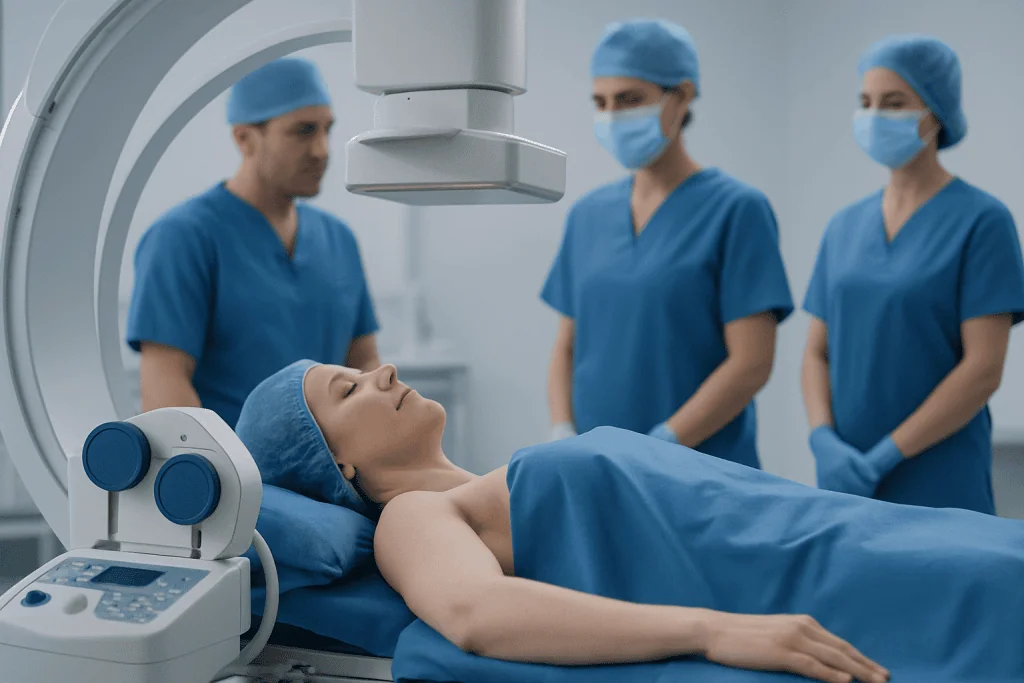
Before surgery, the care team reviews imaging, biopsy findings, medical history and personal preferences. Mastectomy may be considered when cancer is extensive within the breast, when breast-conserving surgery is unsuitable, when radiation therapy cannot be given, or when a person chooses mastectomy after informed discussion. Preventive mastectomy may be an option for selected people with a substantially increased inherited risk.
During the procedure, the surgeon removes breast tissue through an incision designed for the planned operation. Depending on the diagnosis, they may also perform sentinel lymph node biopsy or remove additional underarm lymph nodes. Skin-sparing or nipple-sparing techniques may be suitable for some people, but eligibility depends on cancer characteristics, breast anatomy and surgical safety.
Reconstruction can be performed immediately or delayed until later. It may use an implant, tissue from another area of the body, or no reconstruction at all. Reconstruction decisions are personal and may change the pace of recovery, including when it is comfortable and safe to lift the arms overhead.
For people considering surgical care, mastectomy treatment and surgical planning should include a discussion of expected recovery, lymph node procedures, reconstruction choices and rehabilitation needs.
When Can I Raise My Arms After a Mastectomy?
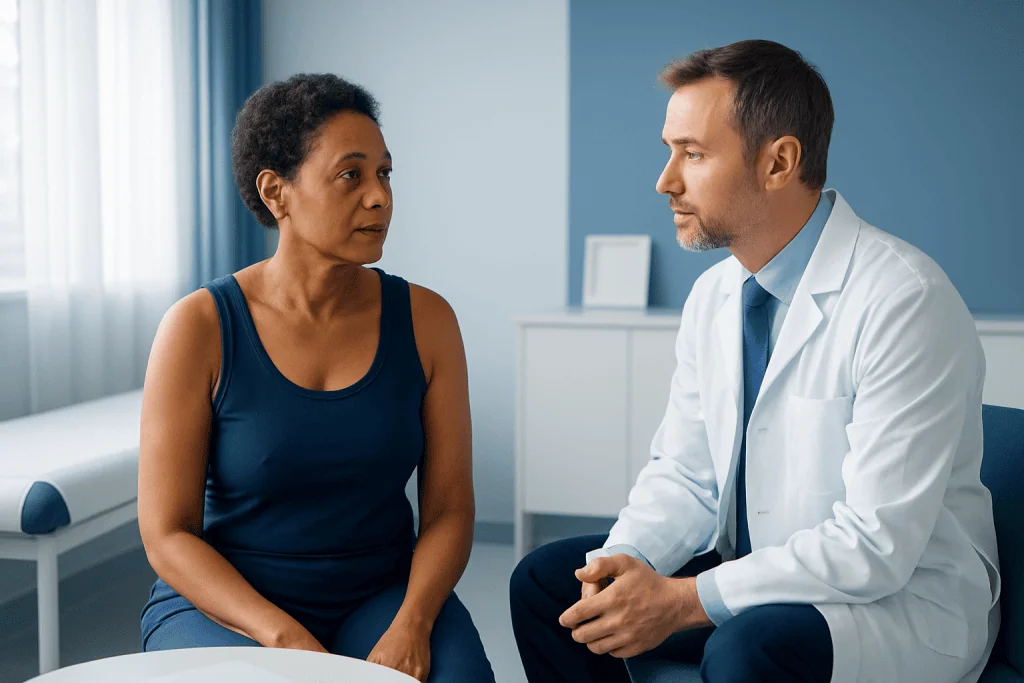
In many cases, patients can start gentle movements of the fingers, wrist and elbow shortly after surgery. If the surgical team agrees, light shoulder exercises may begin within days. These early movements can support circulation and help reduce stiffness, but they should be slow, controlled and limited by discomfort rather than pushed through pain.
Reaching the arm to shoulder height and then overhead is usually reintroduced gradually. Many people are working toward full range of motion by 4–6 weeks, although this may take longer after reconstruction or underarm lymph node surgery. Surgical drains can make movement awkward, but they do not always prevent gentle prescribed exercises.
Heavier lifting is different from simply raising the arms. Patients are often advised to avoid lifting, pulling or pushing heavy objects for several weeks, especially on the operated side. The exact limit and timing vary; this is particularly important after flap reconstruction, implant-based reconstruction, complications or additional procedures.
A physiotherapist may provide a staged program that includes posture work, shoulder mobility and later strengthening. Regular, comfortable practice is generally more helpful than forceful stretching. If an exercise causes sharp pain, new swelling, pulling at the incision or a feeling that something is wrong, it should be stopped and discussed with the care team.
Recovery Timeline: Movement, Daily Activities and Healing
During the first week, tiredness, chest tightness, numbness and discomfort around the incision are common. Prescribed pain relief, rest, short walks and carefully instructed arm movements can support early recovery. Some people return home the same day or after a short hospital stay, while the length of stay depends on the surgery and individual needs.
Over the next 2–3 weeks, many patients find that dressing, washing and light daily tasks become easier. Drain management, wound checks and follow-up appointments remain important. The team may remove drains when the output is low enough, but the timing differs between individuals and procedures.
By around 4–6 weeks, many people can gradually resume a broader range of activities if wounds are healing well and their clinician approves. However, fatigue may continue, and numbness or a pulling sensation can persist for months. Recovery can be slower following bilateral surgery, lymph node dissection, chemotherapy, radiation therapy or reconstruction.
Scar care, compression garments, massage and exercise should only be used when recommended by the surgical team. Returning to work, driving, swimming, gym exercise or sport should be individualized. It is reasonable to ask for a written recovery plan that explains activity restrictions and the signs that warrant a call to the clinic.
Benefits, Risks and the Most Common Complication of Mastectomy
The main benefit of mastectomy is removal of breast tissue affected by cancer or, in selected high-risk patients, a substantial reduction in future breast cancer risk. For cancer treatment, it may be one part of a broader plan that can also include systemic therapies, radiation therapy or follow-up surveillance, depending on the diagnosis.
The most common early issues after mastectomy are pain or discomfort, temporary numbness, fluid collection under the skin (seroma), bruising and limited shoulder movement. Seroma is a recognized postoperative complication and may sometimes need drainage. The likelihood of individual complications depends on the extent of surgery, reconstruction, smoking status, diabetes, body weight and other health factors.
Other possible complications include bleeding, infection, delayed wound healing, scarring, changes in chest appearance, persistent nerve-related pain and lymphedema after lymph node procedures. Lymphedema is swelling caused by impaired lymph drainage and may occur in the arm, hand, breast or chest wall. Early assessment is useful if new or persistent swelling develops.
Careful follow-up, wound care, gradual exercise and attention to symptoms can help identify problems early. The surgical team can also arrange rehabilitation and specialist support for shoulder stiffness, lymphedema concerns or persistent pain.
How Painful Is a Double Mastectomy?
A double, or bilateral, mastectomy can cause moderate postoperative pain and tightness, but pain experiences vary widely. Discomfort is usually most noticeable in the first days after surgery and generally improves as the tissues heal. Having both breasts operated on may make everyday movements and sleeping positions more challenging initially, but pain is actively managed with an individualized plan.
People often describe pressure, soreness, pulling, numbness or altered sensations across the chest and underarms. If reconstruction is performed at the same time, discomfort and activity restrictions may be greater or last longer. Numbness can be long-lasting because small sensory nerves are affected during breast surgery.
The care team may use a combination of pain-control approaches, such as anesthetic techniques used during surgery, prescribed medicines and non-drug measures including positioning, gentle mobility and rest. Patients should take medicines only as directed and tell their clinicians if pain is not controlled, is worsening, or suddenly changes character.
Persistent pain is not something a person has to manage alone. A surgeon, pain specialist or physiotherapist can assess possible causes such as scar tightness, nerve pain, shoulder dysfunction or swelling and recommend appropriate treatment.
What Is the Average Life Expectancy After a Mastectomy?
There is no single average life expectancy after mastectomy. Life expectancy depends primarily on why the mastectomy was performed, including whether cancer was present, the type and stage of cancer, tumor biology, lymph node involvement, response to treatment and a person’s overall health.
For people with breast cancer, mastectomy is a local treatment that removes breast tissue; it does not by itself determine prognosis. Some people have early-stage disease and do very well after treatment, while others require more extensive treatment and monitoring. The oncology team can explain prognosis using the individual pathology report and treatment plan rather than a general estimate.
For those who have risk-reducing mastectomy and do not have cancer, the purpose is to lower the chance of developing breast cancer in the future. It does not remove all breast cancer risk because a small amount of breast tissue may remain. Continued medical follow-up remains important.
Questions about outlook can be emotionally difficult. It may help to bring a family member or trusted person to appointments and ask the clinician to explain what the diagnosis, pathology findings and recommended treatments mean in clear terms.
When to Seek Medical Care
Patients should contact their surgical team promptly if they develop a fever, chills, increasing redness or warmth around the incision, foul-smelling drainage, worsening pain, a rapidly enlarging swelling, persistent bleeding or an incision that opens. These symptoms may indicate infection, bleeding or a fluid collection and should be assessed without delay.
New arm, hand, breast or chest-wall swelling; increasing heaviness; tightness; or reduced arm movement should also be reported. These symptoms can have several causes, including fluid buildup, scar tightness or lymphedema, and early assessment can guide treatment.
Urgent medical attention is needed for symptoms such as sudden shortness of breath, chest pain, coughing up blood, fainting or one-sided leg swelling, as these can indicate a serious medical problem. Patients should seek emergency care according to local services rather than waiting for a routine surgical appointment.
Acibadem International’s multidisciplinary specialists at JCI-accredited hospitals support international patients requiring breast surgery, reconstruction, oncology care and rehabilitation. Ongoing follow-up with the treating surgeon and oncology team remains an essential part of safe recovery.
Frequently asked questions
How long after mastectomy can you lift your arms fully overhead?
Many people gradually regain overhead arm movement within about 4–6 weeks, but the timing varies. Reconstruction, lymph node surgery, drains, wound healing and shoulder stiffness can all affect recovery. The treating surgeon or physiotherapist should confirm when it is appropriate to progress.
When can I raise my arms after a mastectomy?
Gentle hand, wrist, elbow and sometimes shoulder movements are often started within the first days after surgery, following the care team’s instructions. Arm elevation is increased gradually rather than forced. Sharp pain, increased swelling or pulling at the incision are reasons to stop and seek advice.
What is the average life expectancy after a mastectomy?
There is no single life-expectancy figure after mastectomy. For people treated for breast cancer, outlook depends mainly on the cancer’s stage, biology, lymph node status, response to treatment and overall health. A cancer specialist can provide individualized information based on pathology results.
What is the most common complication of mastectomy?
Common early problems include pain, numbness, restricted shoulder movement and fluid collection called seroma. Seroma may settle naturally or occasionally need drainage by a clinician. Infection, bleeding, wound-healing problems and lymphedema are less common but important possible complications.
How painful is a double mastectomy?
A double mastectomy commonly causes moderate pain, tightness and chest-wall soreness in the early recovery period. Symptoms generally improve over days to weeks with an appropriate pain-management plan, rest and gentle movement. Reconstruction can increase the amount or duration of discomfort for some patients.
When can I lift heavy objects after mastectomy?
Heavy lifting is usually restricted for several weeks, often until around the 4–6 week review, but individual instructions differ. People who have reconstruction or experience complications may need a longer restriction period. The surgeon should provide the specific lifting guidance for each patient.
References
- American Cancer Society
- National Cancer Institute
- American Society of Clinical Oncology
- National Health Service
- Breast Cancer Now
This article is for general information only and is not a substitute for professional medical advice. Please consult a qualified doctor about your individual situation.
Explore treatments in Turkey — costs, top hospitals & a free quote
JCI-accredited · board-certified surgeons · reply within 24h

More from the Health Library



Related Specialists
Dr. Serkan Cici
Emergency Service
Prof. Dr. Ahmet Oytun Baykan
Cardiology
Dr. Ümit Ege Canyurt
Acibadem Life Clinical Service
Prof. Dr. Mehmet Cıncık
Vitro Fertilization and Reproductive Medicine Center