How Long Does Immunotherapy Take: How It Works, Results and What to Expect

Immunotherapy schedules vary widely, from regular infusions every few weeks to daily tablets or other treatment formats. Many people have treatment for months; some cancer immunotherapies are planned for up to two years when they remain beneficial and safe.
Key Takeaways
- Immunotherapy schedules vary widely, from regular infusions every few weeks to daily tablets or other treatment formats.
- Many people have treatment for months; some cancer immunotherapies are planned for up to two years when they remain beneficial and safe.
- Response is assessed over time with appointments, blood tests, scans and symptom reviews rather than how a person feels after one treatment.
- Immunotherapy side effects differ from chemotherapy and can occur early, late or even after treatment ends.
- New or worsening symptoms should be reported promptly because immune-related side effects are often more manageable when recognized early.
How long immunotherapy takes depends on the type of immunotherapy, the cancer being treated, the medicine and the person’s response. Individual infusions often take 30 minutes to several hours, while a complete treatment course may continue for a few months, up to two years, or longer in selected situations.
Overview: How Long Does Immunotherapy Take?
How long does immunotherapy take? A single appointment may last from about 30 minutes to several hours, depending on the medicine and whether observation is needed. However, the overall course is usually much longer: many people receive treatment every 2, 3, 4 or 6 weeks for months, and some continue for up to two years or longer if their cancer is controlled and side effects are manageable.
Immunotherapy is a broad term for treatments that help the immune system recognize, target or respond to cancer cells. In cancer care, the term often refers to immune checkpoint inhibitors given through a vein, but it can also include targeted antibodies, cellular therapies, cancer vaccines and other approaches. The exact schedule is individualized by the oncology team.
The time needed is not a measure of whether treatment is “working.” Some cancers respond within the first few months, while others need longer assessment. Doctors use scans, laboratory tests, physical examinations and a person’s overall wellbeing to decide whether immunotherapy should continue, change or stop.
How Immunotherapy Works and Who May Be a Candidate
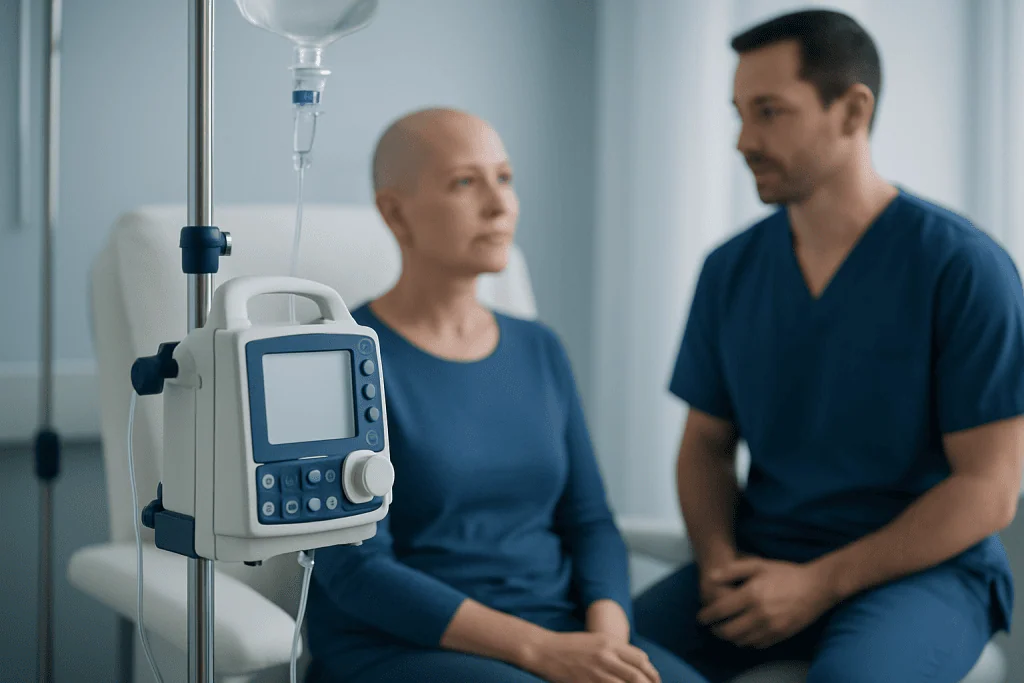
The immune system normally detects and removes abnormal cells. Some cancer cells can avoid immune attack by using signals that reduce immune activity. Checkpoint inhibitor medicines block selected signals, allowing immune cells to recognize and attack cancer more effectively. Other forms of immunotherapy may strengthen immune responses, direct immune cells toward a cancer target or modify immune cells in a laboratory before giving them back to the patient.
Immunotherapy is used for many cancer types, including some lung, skin, kidney, bladder, head and neck, liver, colorectal and blood cancers. It may be used alone, combined with chemotherapy, targeted therapy or radiation treatment, or given before or after surgery. Its role depends on the cancer type, stage, previous therapies and treatment goal.
Candidacy is assessed by a multidisciplinary cancer team. They consider pathology results, imaging, general health, organ function, medications and autoimmune or inflammatory conditions. Tumor testing may help identify whether a particular treatment is likely to be useful, although results are not always required and do not guarantee a response. Related decisions about lung cancer and other cancers are made according to current clinical guidance and the individual’s circumstances.
- Some people may need additional evaluation if they have an autoimmune disease, organ transplant or chronic infection.
- Pregnancy, breastfeeding and plans for fertility should be discussed before treatment begins.
- Immunotherapy may not be suitable for every cancer or every person, even when it is an approved option.
What Happens During Immunotherapy? A Step-by-Step Timeline

Before the first treatment, patients usually meet the oncology team to review the diagnosis, expected benefits, potential risks and practical schedule. Baseline blood tests are commonly performed to check blood counts and organ function. Depending on the cancer, imaging studies may provide a starting point for comparing future treatment response.
For intravenous immunotherapy, the patient checks in at an infusion unit, has vital signs reviewed and may have blood tests or a clinical assessment. A nurse places an intravenous line or accesses an existing port. The medicine is infused slowly according to its prescribed schedule, followed by a period of observation when appropriate. The first infusion can sometimes take longer than later visits.
Afterward, most people can go home the same day. The team provides contact information and explains symptoms that require a call. Subsequent sessions usually follow a predictable schedule, but treatment may be delayed or adjusted if blood tests are abnormal, side effects occur or other medical issues arise. Immunotherapy treatment planning includes regular review rather than a fixed timetable for everyone.
Scans are commonly performed after several treatment cycles, although timing differs by cancer type and treatment plan. Occasionally, immune cells entering a tumor can make it appear temporarily larger or more inflamed on a scan before later improvement. For this reason, scan findings are interpreted alongside symptoms, examination findings and follow-up imaging when needed.
How Many Rounds of Immunotherapy?
There is no universal number of rounds of immunotherapy. A “round” may mean one infusion, one treatment cycle or a set period of therapy, and these terms are not used identically by every clinic. Many checkpoint inhibitor regimens are delivered every few weeks, with reassessment after a number of cycles.
For some cancers treated after surgery, immunotherapy may have a planned duration such as several months to one year. For advanced cancers, treatment can continue as long as it is helping and side effects remain acceptable; for certain medicines, a two-year course is often considered in appropriate patients. Some people stop earlier because they have completed a planned course, achieved a durable response, experience significant side effects or need a different treatment approach.
The oncology team should explain the expected schedule at the start and revisit it at each stage. A treatment plan may change over time as more is learned about how the cancer and the body are responding. Regular monitoring is an essential part of cancer treatment, not a sign that something is necessarily wrong.
Recovery Timeline, Benefits and Possible Risks
There is usually no surgical-style recovery period after an infusion. Many people return to everyday activities the same day or the next day, depending on how they feel, their travel needs and other treatments they are receiving. Fatigue can occur and may build gradually over several cycles, so rest, hydration, balanced meals and practical support can be helpful.
The potential benefit of immunotherapy is that it can produce meaningful and sometimes long-lasting cancer control in some people. Not everyone responds, and the degree and duration of benefit cannot be predicted with certainty. In some settings, immunotherapy can lower the risk of cancer returning after local treatment; in others, it may shrink or control cancer that has spread.
Unlike chemotherapy, which directly affects rapidly dividing cells, immunotherapy activates or redirects immune activity. This can lead to immune-related inflammation in healthy organs. Possible symptoms include skin rash or itching, diarrhea, cough or breathlessness, tiredness, joint aches, changes in thyroid function, liver inflammation and, less commonly, inflammation of the lungs, bowel, kidneys, heart, nerves or hormone-producing glands.
Side effects can begin during treatment, weeks later or occasionally after treatment has stopped. They should not be managed with over-the-counter remedies alone without informing the oncology team. Prompt reporting allows clinicians to assess the cause and provide appropriate care, which may include pausing treatment or using medicines to calm immune inflammation.
How Do You Feel Immediately After Immunotherapy?
Many people feel much the same immediately after an immunotherapy infusion and are able to leave the clinic shortly afterward. Others may feel tired, have a mild headache, chills, nausea, body aches or temporary discomfort around the intravenous line. These symptoms are not a reliable indication of whether treatment will work.
Infusion reactions are uncommon but can occur during or soon after treatment. Staff monitor patients during treatment and can respond if symptoms such as flushing, itching, fever, dizziness, chest discomfort, wheezing or difficulty breathing develop. Patients should alert the nurse immediately if they feel unwell during an infusion.
It can be useful to arrange a quieter day after the first session until the person knows how treatment affects them. The oncology team can advise about work, exercise, driving and travel based on the specific medicine and any other treatments being received.
Which Is Harder on the Body, Chemo or Immunotherapy?
Neither chemotherapy nor immunotherapy is universally “harder” on the body. They affect the body in different ways, and each person’s experience depends on the medicines used, dose schedule, cancer type, other health conditions and whether treatments are combined.
Chemotherapy commonly causes effects related to damage of rapidly dividing normal cells, such as low blood counts, nausea, hair loss, mouth sores and increased infection risk, although side effects vary greatly between regimens. Immunotherapy often does not cause these same effects to the same extent, but it can cause immune-related inflammation that may become serious if not identified and treated promptly.
Some people find immunotherapy easier to tolerate day to day than chemotherapy; others experience troublesome or significant immune-related side effects. When treatments are combined, side effects can overlap. The safest comparison is an individual discussion with the treating oncologist, who can explain the expected risks and monitoring plan for the proposed regimen.
Can You Tell if Immunotherapy Is Working?
People generally cannot tell with certainty whether immunotherapy is working based only on how they feel. Improvement in cancer-related symptoms, such as less pain, better appetite or easier breathing, may be encouraging, but symptoms can also change for reasons unrelated to treatment response. Some people feel well even when scans show cancer growth, while others have side effects despite a good response.
Doctors assess response through scheduled imaging, blood tests when relevant, examinations and discussion of symptoms and daily functioning. The first assessment is often performed after several cycles, but the exact timing varies. Tumor markers may be useful for some cancers, although they are not a stand-alone test of success.
A scan can occasionally appear worse before it improves because immune cells have entered the tumor. This pattern is uncommon and must be distinguished carefully from true cancer progression. Patients should continue reporting new symptoms and attending planned reviews rather than waiting for the next scan if they are concerned.
Acibadem International’s multidisciplinary specialists at JCI-accredited hospitals diagnose and treat cancer for international patients, coordinating evaluations, infusion care and follow-up according to individual needs.
When to Seek Medical Care
Patients should contact their oncology team promptly for new, persistent or worsening symptoms during immunotherapy and for several months afterward. Early review is particularly important for diarrhea, abdominal pain, new rash, cough, shortness of breath, fever, marked fatigue, severe headache, vision changes, yellowing of the skin or eyes, reduced urination, confusion or new weakness.
Urgent medical attention is needed for severe breathing difficulty, chest pain, fainting, rapidly worsening weakness, severe dehydration, confusion, seizures, heavy bleeding or signs of a severe allergic reaction such as swelling of the face or throat. If emergency care is needed, patients should tell clinicians that they are receiving or recently received immunotherapy.
Before starting new medicines, supplements or vaccines, patients should check with their cancer team. They should also keep a current medication list and the oncology contact number readily available. These practical steps support safer care throughout the immunotherapy timeline.
Frequently asked questions
How long does an immunotherapy infusion take?
Many immunotherapy infusions take about 30 minutes to several hours, depending on the medicine and treatment protocol. The first visit may be longer because it can include assessment, blood tests, education and observation. Travel time and waiting time should also be considered when planning the day.
How long does immunotherapy stay in the body?
The medicine itself may remain in the body for a variable period, depending on its type and how it is processed. More importantly, its effects on immune activity can continue after an infusion and sometimes after treatment ends. This is why delayed side effects are possible and should still be reported to the oncology team.
How soon will immunotherapy results show on a scan?
Results are often assessed after several treatment cycles, frequently within a few months, but timing varies by cancer and regimen. Doctors may order earlier scans if symptoms suggest that an earlier assessment is needed. A single scan does not always provide a final answer, particularly when inflammation may affect appearance.
Can immunotherapy be stopped after a good response?
Sometimes, but the decision is individualized. It depends on the cancer type, treatment setting, duration already completed, scan findings, side effects and evidence supporting the specific medicine. Patients should not stop treatment without discussing the plan with their oncologist.
Can side effects begin after immunotherapy has ended?
Yes. Immune-related side effects can occasionally occur weeks or months after the last dose because the immune system may remain activated. New symptoms should be reported to the cancer team, and other clinicians should be informed about recent immunotherapy.
Can someone work while receiving immunotherapy?
Many people can continue working during immunotherapy, perhaps with adjustments to accommodate appointments, fatigue or side effects. The ability to work depends on the treatment schedule, type of job, cancer symptoms and any combined treatments. The oncology team can help guide a realistic plan.
References
- National Cancer Institute
- American Cancer Society
- European Society for Medical Oncology
- Cancer Research UK
- U.S. Food and Drug Administration
This article is for general information only and is not a substitute for professional medical advice. Please consult a qualified doctor about your individual situation.
Immunotherapy in Turkey — costs, top hospitals & a free quote
JCI-accredited · board-certified surgeons · reply within 24h
Add us as a Preferred Source to see more of our trusted health content across Google Search, AI Overviews and Discover.