How Low Heart Rate? Here Is What the Evidence Says

A low resting heart rate can be normal, especially during sleep or in well-trained athletes. Symptoms matter more than one exact pulse number when deciding if a low heart rate needs attention.
Key Takeaways
- A low resting heart rate can be normal, especially during sleep or in well-trained athletes.
- Symptoms matter more than one exact pulse number when deciding if a low heart rate needs attention.
- Red flags include fainting, severe dizziness, chest pain, breathlessness, confusion, or worsening fatigue.
- Doctors evaluate a slow pulse with a history, physical exam, ECG, and sometimes blood tests or heart rhythm monitoring.
- Treatment depends on the cause and may range from observation to medication review or a pacemaker.
How low heart rate is too low depends less on a single number and more on whether symptoms are present. Many people, especially those who are fit or asleep, can have a low pulse without any problem, while others need medical review if a slow heart rate causes dizziness, fainting, chest pain, or shortness of breath.
Overview: how low heart rate is usually judged
For most adults, a resting heart rate below 60 beats per minute is called bradycardia, or a slow heart rate. However, the answer to how low heart rate is too low is not the same for everyone. A pulse in the 50s, and sometimes even lower, may be completely normal in a healthy person who feels well.
This is especially true during sleep, relaxation, or in people who exercise regularly. Endurance athletes often have lower resting heart rates because the heart pumps blood more efficiently. In these situations, a low pulse is usually a sign of conditioning rather than disease.
What matters most is whether the heart rate is meeting the body’s needs. If a slow rate is causing reduced blood flow, symptoms may appear. That is why doctors look at the whole picture: the number on the monitor, the person’s age and fitness, medications, medical history, and whether symptoms are present.
In short, a low heart rate is often harmless, but it deserves medical attention when it comes with warning signs or occurs because the heart’s electrical system is not working properly. A persistent slow pulse may sometimes reflect an arrhythmia or another underlying health issue that can be identified and treated.
Symptoms that can suggest a low heart rate is a problem
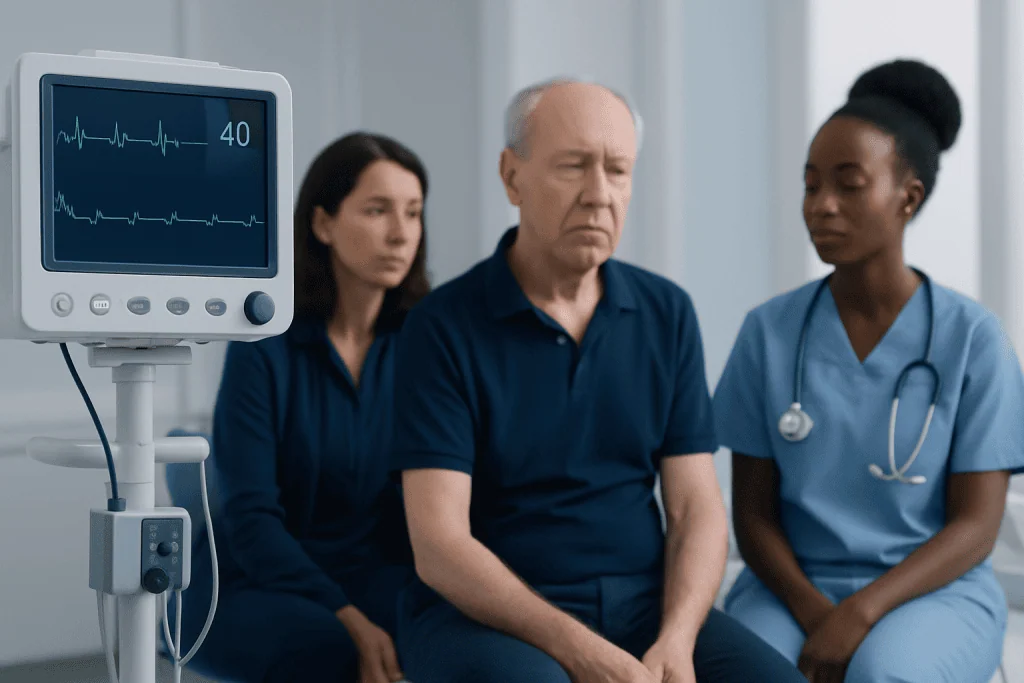
Many people with a low heart rate have no symptoms at all. If they feel well, can exercise normally, and the slow pulse is expected for their level of fitness or sleep state, it may not be concerning. In those cases, the finding is often incidental.
Symptoms become more important when the heart is beating too slowly to deliver enough oxygen-rich blood to the brain and body. This can lead to reduced energy, poor exercise tolerance, and brief episodes of lightheadedness. Some people notice that they tire much more easily than usual.
Warning symptoms include:
- Dizziness or lightheadedness
- Fainting or near-fainting
- Shortness of breath
- Chest discomfort
- Unusual fatigue or weakness
- Confusion or trouble concentrating
- Exercise intolerance
- Palpitations or pauses in heartbeat
These symptoms do not always mean the pulse is dangerously low, but they do mean it should be assessed. If a slow heart rate occurs together with chest pain, fainting, severe breathlessness, or sudden confusion, urgent medical care is appropriate.
Causes and risk factors behind a slow pulse

A low heart rate can happen for normal reasons or because of an underlying condition. Common harmless causes include sleep, good cardiovascular fitness, and strong vagal tone, which is the body’s natural slowing influence on the heart. Some younger adults naturally have lower resting pulse rates without any illness.
Other cases are related to aging or problems in the heart’s electrical conduction system. The natural pacemaker of the heart, called the sinus node, may fire too slowly, or the electrical signal may be delayed as it travels through the heart. These patterns may be part of heart rhythm disorders.
Medications are another frequent cause. Drugs sometimes used for blood pressure, angina, irregular heartbeat, or other conditions can slow the pulse. A doctor may also consider metabolic and systemic causes such as thyroid disease, electrolyte imbalance, sleep apnea, infection, low body temperature, or heart damage after illness or reduced blood supply.
Risk factors that make medical review more important include older age, known heart disease, recent medication changes, a history of fainting, sleep apnea, and symptoms during activity. In some situations, a slow pulse may occur after a heart event or alongside structural heart disease, and more focused evaluation is needed.
How doctors diagnose the cause
When evaluating how low heart rate affects a person, doctors usually begin with a careful history and physical examination. They ask when the slow pulse happens, whether symptoms occur at rest or during exercise, what medications are being taken, and whether there is any personal or family history of fainting, arrhythmias, or heart disease.
An electrocardiogram, or ECG, is often the first test because it records the heart’s electrical activity at that moment. If the pulse varies through the day or symptoms come and go, ambulatory rhythm monitoring may be recommended. This can include a Holter monitor or other portable devices that track the heart rhythm over longer periods.
Blood tests may help identify reversible causes such as thyroid problems, infection, or electrolyte disturbances. Doctors may also check blood pressure and oxygen levels and sometimes perform an exercise test to see whether the heart rate rises appropriately with activity.
In selected cases, imaging studies such as echocardiography are used to look at heart structure and function. Depending on the findings, a person may also be referred for cardiology evaluation to assess whether the slow rate is a normal variant or part of a condition that requires treatment.
Treatment options and what they depend on
Treatment for a low heart rate depends on the cause, the severity of symptoms, and whether the heart rhythm is stable. If the slow pulse is normal for that person and there are no symptoms, treatment may not be needed. Reassurance and routine follow-up are often enough.
If medications are contributing, a doctor may adjust the treatment plan. If an underlying condition such as hypothyroidism, sleep apnea, or an electrolyte problem is found, treating that cause may improve the heart rate. This is why self-adjusting medicines without medical advice is not recommended, especially for prescription heart drugs.
When bradycardia is causing symptoms or the heart’s electrical system is failing to maintain an adequate rate, more specific treatment may be required. In emergency situations, short-term measures may be used in hospital to stabilize the person while doctors determine the cause.
For persistent, symptomatic bradycardia caused by electrical conduction problems, a pacemaker may be recommended. This small device helps the heart maintain an appropriate rhythm. Near the end of the care pathway, some international patients choose centers such as Acibadem International, where multidisciplinary specialists in JCI-accredited hospitals evaluate and treat heart rhythm conditions.
Prevention and self-care
Not every low heart rate can be prevented, but good self-care can reduce risk and help people notice when something changes. It is useful to know one’s usual resting pulse rather than reacting to a single isolated reading. Wearables can be helpful, but they are not always perfectly accurate and should not replace medical assessment.
People should take medicines exactly as prescribed and review all medications with a clinician, including over-the-counter products and supplements. This is especially important after a new prescription or dose change. If a medication seems related to dizziness or a very slow pulse, medical advice should be sought promptly.
General heart-healthy habits support overall cardiovascular function. These include regular physical activity suited to the individual, adequate sleep, not smoking, stress management, and following treatment plans for blood pressure, thyroid disease, diabetes, or sleep apnea if present.
Simple self-care steps include tracking symptoms, staying hydrated during illness if medically appropriate, and noting whether symptoms happen during exercise, after medication, or at night. A symptom diary can help the doctor connect pulse changes with daily activities and decide whether further testing is needed.
When to seek medical care
A low heart rate should be discussed with a doctor if it is new, persistent, or associated with symptoms. Medical review is also sensible if a wearable or home device repeatedly shows a very slow pulse, even without symptoms, especially in an older adult or someone with known heart disease.
Prompt medical care is important if the slow heart rate comes with dizziness, fainting, chest pain, shortness of breath, extreme fatigue, confusion, or reduced ability to exercise. These symptoms suggest the heart may not be pumping enough blood to meet the body’s needs.
Emergency care is appropriate if a person collapses, has severe chest pain, struggles to breathe, or becomes difficult to wake or unusually confused. In those moments, the main concern is not the exact pulse number alone but the possibility of poor circulation or a serious rhythm problem.
Early evaluation is often reassuring because many cases turn out to be benign or easily managed. It also helps doctors identify the smaller group of patients who need closer monitoring or treatment for bradycardia or related conduction disorders.
Frequently asked questions
What heart rate is considered too low?
A resting heart rate below 60 beats per minute is often called low, but that does not automatically mean it is dangerous. It becomes more concerning when it causes symptoms such as fainting, dizziness, chest pain, shortness of breath, or unusual fatigue, or when it reflects a heart conduction problem.
Can a heart rate in the 40s be normal?
Yes, in some people a heart rate in the 40s can be normal, particularly during sleep or in well-trained athletes. It should still be assessed if it is new, persistent, or linked to symptoms or known heart disease.
Is a low heart rate dangerous if there are no symptoms?
Often it is not dangerous if the person feels well and the slow rate fits their overall health and fitness. Even so, a clinician may still want to review it if the reading is very low, repeatedly documented, or appears alongside other abnormal findings.
What causes a low heart rate besides fitness?
Possible causes include medications, aging changes in the heart’s electrical system, thyroid problems, electrolyte imbalance, sleep apnea, infection, and some forms of heart disease. A doctor uses symptoms, examination, and tests to decide whether the cause is harmless or needs treatment.
How do doctors test a slow heart rate?
Doctors typically start with a history, physical exam, and ECG. Depending on the situation, they may also order blood tests, a Holter monitor, an exercise test, or heart imaging to look for rhythm problems or reversible causes.
When is a pacemaker needed for a low heart rate?
A pacemaker may be recommended when a slow heart rate is causing significant symptoms or when the heart’s electrical system cannot maintain a safe rhythm. The decision depends on the pattern seen on monitoring, the cause, and whether other treatments can correct the problem.
References
- American Heart Association
- National Heart, Lung, and Blood Institute
- Mayo Clinic
- Cleveland Clinic
- European Society of Cardiology
This article is for general information only and is not a substitute for professional medical advice. Please consult a qualified doctor about your individual situation.
Heart care in Turkey — expert evaluation and treatment
JCI-accredited · board-certified surgeons · reply within 24h
Check your numbers in seconds
BMI, calories, due date, blood pressure and 30+ more clinical calculators — free, instant, doctor-reviewed ranges.