How Often Can You Donate Blood? Here Is What the Evidence Says

Whole blood donation is usually allowed every 8 weeks for healthy adults. Platelet, plasma, and double red cell donations have different evidence-based intervals.
Key Takeaways
- Whole blood donation is usually allowed every 8 weeks for healthy adults.
- Platelet, plasma, and double red cell donations have different evidence-based intervals.
- Iron stores often recover more slowly than blood volume, so some people need longer between donations.
- Persistent fatigue, shortness of breath, fainting, or very low hemoglobin need medical review.
- A doctor may check hemoglobin, iron studies, diet, medications, and any underlying conditions before advising when it is safe to donate again.
Most healthy adults can donate whole blood every 8 weeks (56 days), while platelets, plasma, and double red cell donations follow different schedules. In many cases, donating blood is well tolerated, but fatigue, dizziness, or signs of low iron may mean a person needs more time before donating again and should seek medical advice.
Overview: the short answer
How often can you donate blood? For most healthy adults, whole blood donation is allowed every 8 weeks, or 56 days. Other donation types have different intervals: platelet donation can often be done more frequently, plasma donation timing varies by local rules and collection method, and double red cell donation usually requires a longer gap.
In many people, blood donation is harmless and recovery is straightforward. Blood volume is replaced within days, but red blood cells and iron stores can take longer to recover, which is why donation services set waiting periods and check eligibility before each donation.
The safest schedule is not always the most frequent one. A person’s age, sex, body size, iron intake, menstrual blood loss, previous donation history, and overall health all affect how quickly the body recovers and whether it is wise to donate again on the earliest possible date.
Why donation intervals matter
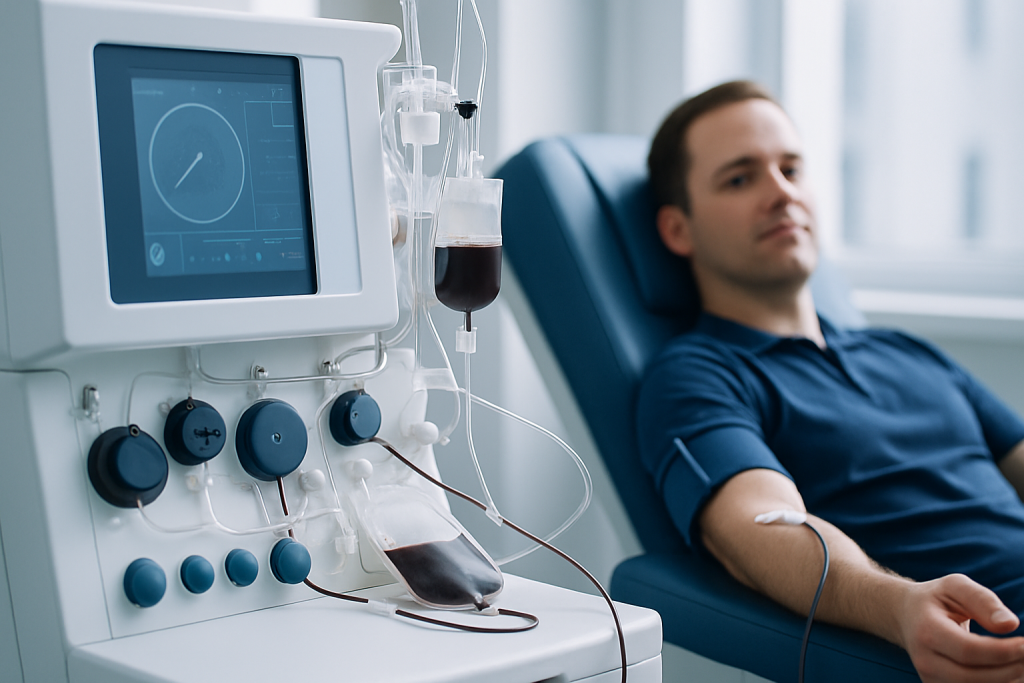
After a whole blood donation, the body starts replacing lost fluid quickly. This is why many people feel normal again within a day or two if they rest, drink fluids, and eat normally. Red blood cells recover more slowly because the bone marrow needs time to make new cells, and this process depends on enough iron, vitamin B12, folate, and good general health.
Iron is especially important. Even when a person meets the minimum hemoglobin level at the donation center, their iron stores may still be low, especially if they donate often. Low iron can cause tiredness, reduced exercise tolerance, headaches, poor concentration, restless legs, or eventually iron deficiency anemia.
Donation intervals are designed to protect both the donor and the blood supply. They reduce the chance of short-term reactions such as dizziness and help lower the risk of repeated donations gradually depleting iron. This is also why blood centers may ask extra questions about symptoms, medications, travel, recent illness, pregnancy, or medical conditions.
- Whole blood: usually every 8 weeks
- Platelets: often every 7 days, with an annual limit set by collection services
- Plasma: timing varies by country and donation system
- Double red cells: often every 16 weeks or longer
What can affect how often a person can donate

Not everyone recovers at the same rate. People who menstruate, have a smaller body size, eat little dietary iron, follow restrictive diets, or have a history of low iron may need longer between donations. Endurance athletes and frequent donors may also be more likely to notice the effects of reduced iron stores, even if routine screening appears normal.
Age and medical history matter too. Recent surgery, infection, pregnancy, breastfeeding, major dental work, certain vaccinations, or travel to areas with specific infectious risks may delay donation. Some medicines can also affect eligibility, either because they change bleeding risk or because they could affect the safety of donated blood for recipients.
Underlying conditions should also be considered. A person with heavy menstrual bleeding, digestive bleeding, malabsorption, or chronic disease may not be a good candidate for frequent donation until the cause is assessed. If symptoms suggest low iron or anemia, a doctor may evaluate for anemia or other causes before advising when donation can safely resume.
Common symptoms after donation and warning signs
Mild, short-lived symptoms after donating blood are common and often improve with rest and fluids. These can include tiredness, lightheadedness, bruising at the needle site, or feeling faint if a person stands up quickly. Most people recover without treatment.
Some symptoms suggest the body may need more recovery time before the next donation. These include fatigue lasting more than a few days, breathlessness on exertion, palpitations, headaches, poor concentration, or reduced exercise performance. These symptoms do not always mean a serious problem, but they can be signs of low iron or a low red blood cell count.
More urgent red flags include fainting that does not quickly resolve, chest pain, severe shortness of breath, ongoing bleeding from the needle site, black stools, or symptoms of infection such as high fever. Persistent weakness, pallor, or repeated inability to meet donation hemoglobin requirements also deserve medical review rather than repeated attempts to donate.
How doctors assess frequent donors or symptoms
If a person feels unwell after donating or wants to donate often, a doctor will usually begin with a careful history. This includes how often they donate, what type of donation they give, their diet, menstrual history, medicines, exercise habits, previous lab results, and whether they have symptoms such as dizziness, restless legs, fatigue, or breathlessness.
Basic testing often starts with a complete blood count and hemoglobin level. If iron deficiency is suspected, iron studies such as ferritin, transferrin saturation, and sometimes vitamin B12 or folate may be checked. Depending on the symptoms, a doctor may also look for hidden blood loss, thyroid problems, kidney disease, or digestive causes of poor iron absorption.
If dizziness or fainting is a major concern, the evaluation may also include blood pressure and hydration status. In some cases, clinicians use a general medical check-up to review overall health and tailor advice on whether it is better to wait longer between donations, improve iron intake, or investigate another cause of symptoms.
Ways to donate safely and support recovery
For many people, donating blood safely comes down to timing and preparation. Donors should follow the interval recommended by the local blood service, drink enough fluids, eat before donating, and avoid strenuous exercise immediately beforehand if they tend to feel faint. After donation, it helps to continue drinking fluids, keep the dressing on as advised, and avoid heavy lifting with the donation arm for the rest of the day.
Dietary iron matters, especially for frequent donors. Iron-rich foods include red meat, poultry, fish, beans, lentils, tofu, dark leafy greens, and iron-fortified cereals. Vitamin C can help the body absorb iron from plant foods, while tea and coffee taken with meals may reduce iron absorption in some people.
Some donors may be advised to discuss iron supplementation with a doctor, particularly if they donate regularly or have low ferritin. Supplements are not right for everyone and should be used with medical guidance. If a person has symptoms that fit iron deficiency, medical review is more useful than simply donating less often without understanding the cause.
Where symptoms continue or other causes are suspected, a doctor may recommend further testing such as blood tests or broader assessment before clearing a person to donate again. Individualized advice is especially important for adolescents, older adults, and anyone with chronic medical conditions.
When to seek medical care
A person should seek medical care if symptoms after blood donation are severe, do not improve, or keep returning. This includes repeated fainting, marked shortness of breath, chest pain, very fast heartbeat, severe weakness, black or bloody stools, or ongoing bleeding from the needle site. These symptoms are not typical recovery and deserve prompt assessment.
Medical advice is also sensible if someone is turned away more than once for low hemoglobin, feels unusually tired between donations, or notices declining exercise tolerance or concentration. The goal is not simply to decide when they can donate again, but to make sure there is not an underlying health issue that needs treatment.
For international patients who need further assessment, Acibadem International’s multidisciplinary specialists and JCI-accredited hospitals evaluate symptoms, investigate possible causes of low hemoglobin or iron deficiency, and advise on safe next steps for donation and recovery.
Frequently asked questions
Can a person donate whole blood every month?
Usually no. Whole blood donation is generally limited to every 8 weeks because the body needs time to replace red blood cells and iron. Donating more often than recommended can raise the chance of fatigue or iron depletion.
Is it safe to donate blood as often as the minimum interval allows?
It can be safe for many healthy people, but the minimum interval is not ideal for everyone. Frequent donors, especially those with menstrual blood loss or low iron intake, may need longer gaps. A doctor can help decide whether the standard schedule suits the individual.
Why can platelets be donated more often than whole blood?
Platelet donation removes a different blood component, and platelets recover faster than red blood cells. Whole blood donation removes a substantial amount of red cells and iron, which take longer to replace. That is why the allowed interval for platelets is often shorter.
How long does it take to recover after giving blood?
Fluid volume often recovers within a day or two, especially with good hydration. Red blood cells take longer to rebuild, and iron stores may take weeks to months depending on diet and personal factors. Recovery time can be longer in frequent donors.
Should a person take iron after donating blood?
Some people may benefit from iron, but it should not be started automatically without guidance. A doctor may suggest it for frequent donors or those with low ferritin or symptoms of deficiency. Iron supplements can have side effects and are not appropriate for everyone.
What if someone feels tired for days after donating?
Mild tiredness for a short time can happen, but symptoms lasting several days or longer deserve attention. The person may need more time before donating again, better hydration, more dietary iron, or blood tests to look for low iron or anemia. If fatigue is significant or worsening, medical review is advisable.
References
- World Health Organization
- American Red Cross
- AABB
- National Heart, Lung, and Blood Institute
- Centers for Disease Control and Prevention
This article is for general information only and is not a substitute for professional medical advice. Please consult a qualified doctor about your individual situation.
Explore treatments in Turkey — costs, top hospitals & a free quote
JCI-accredited · board-certified surgeons · reply within 24h