Blood Drawn: What Patients Need to Know

Blood drawn is commonly done to diagnose, monitor, or screen for health conditions. Most blood draws take only a few minutes and cause mild, short-lived discomfort.
Key Takeaways
- Blood drawn is commonly done to diagnose, monitor, or screen for health conditions.
- Most blood draws take only a few minutes and cause mild, short-lived discomfort.
- Good hydration, following fasting instructions, and relaxing the arm can help the process go smoothly.
- Common after-effects include slight bruising or tenderness that usually improves within a day or two.
- Medical advice is important if bleeding does not stop, severe swelling develops, or infection is suspected.
Blood drawn usually means a healthcare professional collects a small blood sample from a vein for testing. The procedure is typically brief and safe, and knowing how to prepare and what to expect can make it easier and more comfortable.
Overview: What It Means to Have Blood Drawn
When blood is drawn, a trained healthcare professional collects a small sample of blood, usually from a vein in the arm, so it can be tested in a laboratory. This is one of the most common medical procedures and is used for many reasons, including routine health checks, diagnosis of symptoms, and monitoring of ongoing conditions or treatments.
A blood draw is different from donating blood. In a laboratory or clinic setting, only a small amount is taken for testing. The sample may be used to check blood counts, blood sugar, cholesterol, hormones, kidney or liver function, signs of infection, or other markers that help guide care.
For many patients, the main concern is discomfort or uncertainty about the process. In most cases, the procedure is quick, safe, and completed within a few minutes. Understanding each step can help reduce anxiety and make the experience more predictable.
Why Blood Draws Are Done
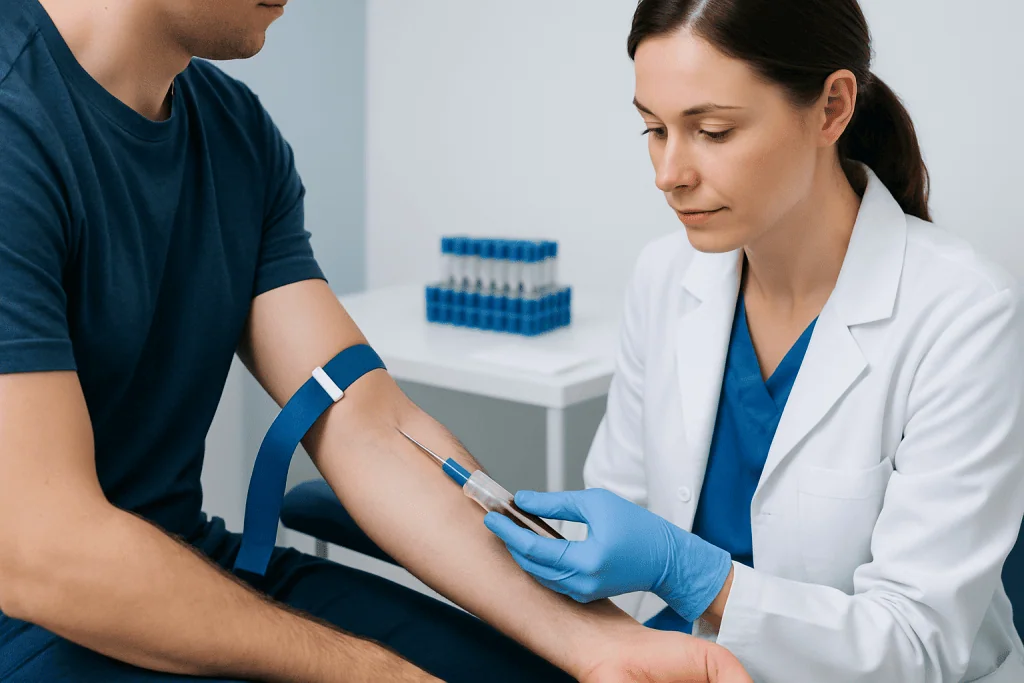
Doctors order blood tests for several broad reasons: screening, diagnosis, and follow-up. Screening tests may look for early changes before symptoms appear, such as abnormal cholesterol or blood sugar. Diagnostic testing helps evaluate symptoms like tiredness, fever, weight change, bleeding, or signs of inflammation.
Blood draws are also important for monitoring treatment and chronic conditions. For example, repeat testing may be used to follow anemia, infections, thyroid problems, diabetes, kidney disease, or medication effects. Some results are checked once, while others are tracked over time to see how the body is responding.
Depending on the clinical question, a doctor may order one test or a panel of tests. Common examples include a complete blood count, metabolic panel, lipid panel, hormone tests, clotting studies, and markers related to inflammation or infection. If a disorder affecting blood cells is suspected, further evaluation may be needed for conditions such as anemia.
What to Expect Before, During, and After

Before the blood draw, patients may be told to drink water, avoid certain medicines, or fast for several hours. Fasting instructions are most often given for tests such as blood sugar or lipids. It is important to follow the laboratory or doctor’s directions closely, because eating, drinking certain beverages, or taking some medications can affect results.
During the procedure, the healthcare professional usually places a tourniquet around the upper arm to make the vein easier to find. The skin is cleaned, a sterile needle is inserted into the vein, and blood is collected into one or more tubes. Patients may feel a brief pinch or stinging sensation, but significant pain is not typical.
Afterward, the needle is removed and pressure is applied to reduce bleeding and bruising. A small bandage is placed over the site. Most people can return to normal activities right away, although it may help to avoid heavy lifting with that arm for a short time if the area feels sore.
- Wear clothing with sleeves that can be rolled up easily.
- Tell the staff if there is a history of fainting during injections or blood tests.
- Inform the team about blood thinners, bleeding disorders, or allergies to adhesives.
- Ask when and how test results will be shared.
How to Prepare and Make the Experience Easier
Preparation depends on the type of test. If fasting is required, patients should ask whether water is allowed, as staying hydrated often makes veins easier to access. If no fasting is needed, eating a light meal beforehand may help some people feel better during the blood draw.
Stress and muscle tension can make the experience feel harder than it is. Slow breathing, looking away from the needle, and keeping the arm relaxed can help. Patients who are anxious may benefit from telling the phlebotomist in advance so extra time can be taken and the procedure can be done with reassurance and clear communication.
Some people have veins that are difficult to access because of dehydration, previous treatments, body size, or individual anatomy. In these situations, warm compresses, better hydration, or using a different site may help. If repeated blood testing is expected as part of medical care, doctors may also coordinate testing with broader evaluation such as a comprehensive check-up or laboratory testing when appropriate.
Common Side Effects and Possible Complications
The most common effects after blood is drawn are mild tenderness, a small bruise, or minor bleeding at the puncture site. These usually improve on their own within a day or two. Applying gentle pressure right after the needle is removed and keeping the bandage on for the recommended time can help limit bruising.
Some patients feel lightheaded or faint, especially if they are nervous, dehydrated, or have not eaten when fasting was not required. Letting the staff know right away is important. Resting for a few minutes, drinking water, and sitting before standing can help prevent a fall.
Complications are uncommon but can happen. These may include a larger bruise, ongoing bleeding, irritation of the vein, or infection at the puncture site. People taking blood thinners or those with a bleeding disorder may need a little longer pressure after the procedure. If there is concern about unexplained bruising or frequent bleeding, doctors may evaluate for issues involving clotting or blood cells, including hemophilia in selected cases.
Understanding the Results
A blood draw itself does not provide the diagnosis; the information comes from the laboratory results interpreted in clinical context. Some values are reported as normal or outside the reference range, but an abnormal result does not always mean disease. Age, sex, hydration status, medications, recent illness, and the reason for testing can all influence what a result means.
It is also common for one test result to lead to another question rather than an immediate answer. A doctor may repeat a test, compare it with previous results, or order additional studies if needed. This stepwise approach helps avoid misinterpretation and supports accurate diagnosis.
Patients should ask what each test was checking, when results are expected, and what follow-up may be needed. In some situations, additional tests may include imaging or specialist evaluation. If blood findings suggest more complex issues, care may involve fields such as hematology assessment or related internal medicine review.
When to Seek Medical Care
Most people do not need medical attention after a routine blood draw. However, it is sensible to contact a healthcare professional if bleeding continues despite firm pressure, if the arm becomes increasingly swollen or painful, or if a bruise grows significantly larger over time.
Medical advice is also recommended if there are signs of infection, such as increasing redness, warmth, pus, or fever. Patients who faint, have chest pain, shortness of breath, or severe weakness after the procedure should seek urgent care, as those symptoms are not typical of a routine blood draw.
Results themselves may also prompt follow-up, even when the blood draw site is healing normally. If a test comes back abnormal, the next step may be a repeat sample, an office visit, or additional diagnostic work. Acibadem International’s multidisciplinary specialists and JCI-accredited hospitals diagnose and treat conditions identified through blood testing for international patients.
Frequently asked questions
Does having blood drawn hurt?
Most people feel a brief pinch or sting when the needle goes in, followed by mild pressure. Any soreness afterward is usually minor and short-lived.
How long does a blood draw take?
The actual blood draw often takes only a few minutes. The full visit may take a little longer for registration, preparation, and labeling the samples.
Do patients need to fast before blood is drawn?
Only some tests require fasting, such as certain glucose or cholesterol tests. Patients should follow the instructions given by their doctor or laboratory, because fasting when it is not needed is not always helpful.
What should be done after blood is drawn?
Keeping pressure on the site for the recommended time can reduce bruising and bleeding. Drinking water and avoiding heavy lifting with that arm for a short period may also help if the area feels tender.
Is bruising normal after a blood draw?
A small bruise can be normal and usually fades within a few days. Larger bruises, increasing swelling, or persistent bleeding should be discussed with a healthcare professional.
Why might a blood draw need more than one attempt?
Some veins are harder to access because of dehydration, small vein size, movement, or individual anatomy. This does not necessarily mean anything is wrong, but patients can mention any past difficulties so staff can plan accordingly.
References
- Centers for Disease Control and Prevention
- MedlinePlus
- National Heart, Lung, and Blood Institute
- Mayo Clinic
- Cleveland Clinic
This article is for general information only and is not a substitute for professional medical advice. Please consult a qualified doctor about your individual situation.
Explore treatments in Turkey — costs, top hospitals & a free quote
JCI-accredited · board-certified surgeons · reply within 24h
Check your numbers in seconds
BMI, calories, due date, blood pressure and 30+ more clinical calculators — free, instant, doctor-reviewed ranges.

More from the Health Library



Related Specialists

Dt. Eda Özdere
Oral & Dental Health
Prof. Dr. Selçuk Sızmaz
Ophthalmology
Prof. Dr. Duhan Fatih Bayrak
Cardiology
Prof. Dr. Ferdane Pirinççi Sapmaz
Gastroenterology