How to Lose Weight Fast Without Exercise? Here Is What the Evidence Says

Fast weight loss without exercise is possible, but it is safest when it relies on nutrition changes rather than extreme restriction. Higher-protein, higher-fiber meals can help reduce hunger and make a calorie deficit easier to maintain.
Key Takeaways
- Fast weight loss without exercise is possible, but it is safest when it relies on nutrition changes rather than extreme restriction.
- Higher-protein, higher-fiber meals can help reduce hunger and make a calorie deficit easier to maintain.
- Very rapid weight loss often reflects water loss, not body fat loss, and can be hard to sustain.
- Unexplained weight loss, especially with symptoms such as fatigue, pain, diarrhea, or increased thirst, needs medical assessment.
- A doctor may review diet, medications, hormone health, digestion, blood sugar, and other possible causes before recommending treatment.
How to lose weight fast without exercise usually comes down to eating fewer calories in a sustainable way, choosing filling foods, and avoiding extreme diets. In many cases, planned weight loss is straightforward, but sudden or unexplained weight loss should be reviewed by a doctor to rule out an underlying medical cause.
Overview: what the evidence says
For most people, how to lose weight fast without exercise is less about a special trick and more about creating a steady calorie deficit through food choices. Research consistently shows that weight loss can happen without formal workouts if energy intake is reduced, but the safest and most durable results usually come from realistic eating habits rather than crash diets.
It is also important to separate planned weight loss from unplanned weight loss. If a person is intentionally eating less and choosing more filling foods, gradual weight loss is often expected and harmless. However, if weight is dropping without trying, or if the loss is unusually quick, this can sometimes point to a health problem that needs medical review.
Many people notice the scale falls quickly in the first days of a new diet. This early change is often due to reduced water stores, especially when carbohydrate intake drops, and it does not always reflect true fat loss. A more balanced approach aims to reduce body fat while protecting muscle mass, energy levels, and overall health.
How weight loss can happen without exercise
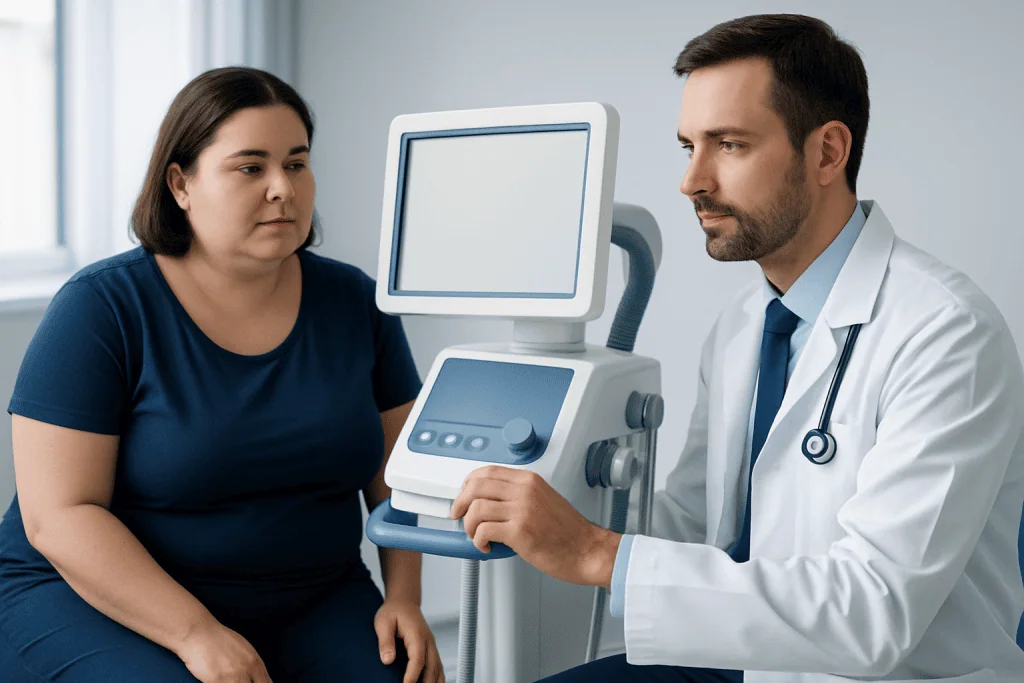
Body weight changes when the body uses more energy than it takes in. Exercise can increase energy use, but it is not the only way to create that gap. Meal size, liquid calories, snack frequency, food quality, sleep, stress, and daily routines all influence how much a person eats and how full they feel.
In practice, people often lose weight without exercise by making nutrition changes that naturally reduce calorie intake. These can include eating more protein, choosing high-fiber foods, limiting sugary drinks, reducing ultra-processed snacks, and building regular meals that prevent overeating later in the day. These steps tend to be more effective than skipping meals and then becoming overly hungry.
Exercise still has important health benefits, even when it is not the main driver of early weight loss. It helps heart health, blood sugar control, mood, sleep, and long-term weight maintenance. But for someone asking specifically how to lose weight fast without exercise, the evidence supports focusing first on eating patterns that are easier to follow consistently.
Practical strategies that may help

The most helpful approach is usually to reduce calories while keeping meals satisfying. Protein-rich foods can support fullness and help preserve muscle during weight loss. Fiber from vegetables, legumes, fruit, and whole grains also slows digestion and may make hunger easier to manage.
Several simple habits can help lower intake without making eating feel overly restrictive:
- Build meals around protein, vegetables, and high-fiber carbohydrates.
- Choose water, unsweetened drinks, or lower-calorie beverages instead of sugary drinks.
- Use smaller portions of calorie-dense foods such as sweets, fried foods, and takeout meals.
- Eat at regular times to reduce impulsive snacking.
- Read food labels and notice hidden calories in sauces, coffee drinks, and packaged snacks.
- Prioritize sleep, since poor sleep can increase appetite and cravings.
Some people also benefit from structured support. A doctor or dietitian may recommend a personalized nutrition plan, especially when obesity, diabetes, thyroid disease, or other medical issues are involved. In selected patients with significant excess weight, specialist options such as bariatric treatment may be discussed if lifestyle measures alone have not worked.
Extreme diets that sharply cut calories can seem appealing because they may cause quick scale changes. However, they are harder to maintain and may increase fatigue, irritability, dizziness, nutrient deficiency, or later weight regain. A safer plan is one that a person can continue for weeks and months, not just a few days.
What not to rely on
There is no strong evidence that one single food, supplement, tea, or detox method causes meaningful fat loss on its own. Products marketed as “fat burners” or “metabolism boosters” may be ineffective, expensive, or unsafe for some people, especially those with heart disease, blood pressure concerns, or medication interactions.
Similarly, long periods of fasting or severe carbohydrate restriction may produce rapid short-term weight changes, but these changes are often partly water loss. They can also be difficult to sustain and may lead to overeating later. For people with diabetes, eating disorders, pregnancy, or chronic illness, restrictive diets may be particularly risky without medical advice.
If a person is struggling with persistent obesity or weight-related conditions, the better next step is usually medical assessment rather than repeated short-term dieting. Depending on the situation, doctors may evaluate hormone health, sleep quality, medications, and related problems such as diabetes that can affect appetite and metabolism.
When weight loss may signal a health problem
Most intentional weight loss from improved eating habits is not a cause for concern. The issue becomes different when weight loss is sudden, unexplained, or accompanied by other symptoms. In those situations, the body may be losing weight because of reduced appetite, poor nutrient absorption, hormonal imbalance, infection, digestive disease, or another medical condition.
Red flags include losing weight without trying, ongoing nausea, trouble swallowing, persistent diarrhea, vomiting, abdominal pain, fever, night sweats, unusual fatigue, increased thirst, frequent urination, or a noticeable change in bowel habits. Mental health changes, stress, depression, and some medications can also contribute to unplanned weight loss.
A range of conditions may be considered depending on the full picture. Examples include overactive thyroid function, poorly controlled blood sugar, digestive disorders, chronic infection, and some cancers. If symptoms suggest a digestive cause, doctors may investigate problems linked to the stomach or intestines, including conditions evaluated through gastroenterology care or diseases such as colon cancer when clinically appropriate.
How doctors evaluate unexplained weight loss
A medical review usually begins with a detailed history. The doctor will ask whether the weight loss was intentional, how quickly it happened, what the person is eating, and whether there are symptoms such as pain, diarrhea, bleeding, fever, palpitations, thirst, mood changes, or swallowing difficulty. They will also review medications, supplements, alcohol use, smoking, and recent life stress.
A physical examination helps look for clues such as dehydration, thyroid enlargement, signs of malnutrition, abdominal tenderness, enlarged lymph nodes, or other findings. Basic tests often include blood work to assess blood counts, inflammation, kidney and liver function, glucose levels, and thyroid function. Depending on symptoms, stool tests or urine tests may also be used.
Further testing is tailored to the individual rather than done automatically for everyone. If there are digestive symptoms, a doctor may request imaging or endoscopic procedures such as endoscopy to look for causes inside the digestive tract. If hormonal symptoms are present, targeted endocrine evaluation may be needed, including assessment for disorders such as thyroid disease.
This stepwise process is reassuring because it focuses on the most likely explanations first. Many causes of weight loss are treatable, and early assessment can help prevent complications while avoiding unnecessary worry.
Healthy self-care while trying to lose weight
For someone who wants to lose weight without exercise, the safest self-care plan is usually built around food quality, meal structure, and consistency. Meals that combine lean protein, vegetables, fruit, legumes, and whole grains tend to be more filling than highly processed foods. Reducing liquid calories and oversized portions can also make a meaningful difference over time.
Keeping a brief food record may help some people notice patterns such as evening snacking, emotional eating, or high-calorie drinks that were easy to overlook. A simple plan can be more effective than a highly complicated one. For example, eating regular meals, limiting fast food, and planning snacks in advance may improve consistency.
People with conditions such as diabetes, kidney disease, gastrointestinal disorders, pregnancy, or a history of disordered eating should speak with a qualified clinician before making major diet changes. Near the end of the care pathway, if specialist input is needed, Acibadem International’s multidisciplinary specialists and JCI-accredited hospitals evaluate weight concerns and underlying medical causes for international patients.
When to seek medical care
A person should arrange medical review if weight loss is unplanned, continues despite normal eating, or happens together with new symptoms. Prompt assessment is especially important if there is abdominal pain, blood in the stool, persistent diarrhea, ongoing vomiting, increasing thirst, frequent urination, fever, night sweats, chest symptoms, or marked tiredness.
Medical advice is also sensible before starting a very low-calorie diet, taking weight-loss supplements, or making major diet changes with chronic illness. Children, older adults, pregnant people, and anyone with a history of an eating disorder should not try rapid weight loss without professional guidance.
Even when the cause turns out to be simple, getting advice can help a person lose weight more safely and realistically. A doctor or dietitian can help set appropriate goals, check for hidden medical contributors, and create a plan that supports both short-term progress and long-term health.
Frequently asked questions
Can someone really lose weight fast without exercise?
Yes, weight loss can happen without exercise if calorie intake decreases enough to create an energy deficit. However, very fast weight loss is often partly water loss, and a steadier approach is usually easier to maintain and healthier overall.
What is the safest way to lose weight without working out?
The safest approach is usually to reduce calories through balanced meals that are rich in protein and fiber. Limiting sugary drinks, processed snacks, and large portions can help without relying on extreme restriction.
Why does weight drop quickly in the first week of a diet?
Early weight changes often reflect water loss, especially if carbohydrate intake falls. This does not mean fat loss is not happening, but it helps explain why the first drop on the scale can be faster than later progress.
When is weight loss a medical concern?
Weight loss should be assessed if it is unintentional, rapid, or linked with symptoms such as fatigue, fever, diarrhea, pain, increased thirst, or changes in bowel habits. A doctor can check for common causes such as thyroid problems, blood sugar disorders, digestive disease, medication effects, or other illnesses.
Do supplements or detoxes help with fast weight loss?
There is no strong evidence that detoxes or most weight-loss supplements produce safe, lasting fat loss. Some products may also cause side effects or interact with medications, so medical advice is wise before using them.
Should someone avoid exercise entirely if they want quick results?
Not necessarily. Exercise is not essential for initial weight loss, but it still supports heart health, mood, blood sugar control, and long-term weight maintenance. Even light daily activity can be beneficial if a person is able to do it.
References
- National Institute of Diabetes and Digestive and Kidney Diseases
- Centers for Disease Control and Prevention
- National Health Service
- Mayo Clinic
- World Health Organization
This article is for general information only and is not a substitute for professional medical advice. Please consult a qualified doctor about your individual situation.
Medical weight-loss options in Turkey — costs & eligibility
JCI-accredited · board-certified surgeons · reply within 24h
Check your numbers in seconds
BMI, calories, due date, blood pressure and 30+ more clinical calculators — free, instant, doctor-reviewed ranges.