How to Pop Your Hip? A Doctor-Reviewed Answer

A popping or clicking hip is often harmless, especially if it is painless and brief. Forcefully trying to pop the hip can worsen irritation or hide an underlying problem.
Key Takeaways
- A popping or clicking hip is often harmless, especially if it is painless and brief.
- Forcefully trying to pop the hip can worsen irritation or hide an underlying problem.
- Gentle stretching, position changes, and activity modification are safer than aggressive twisting.
- Pain, limping, locking, swelling, or symptoms after a fall should prompt medical review.
- Doctors diagnose persistent hip popping with a history, physical exam, and sometimes imaging.
Most hip popping is harmless and comes from tendons moving over bone or gas shifting in the joint, so forcefully trying to “pop” the hip is usually unnecessary. If the sensation is painful, follows an injury, or comes with locking, weakness, or swelling, a doctor should assess it rather than relying on self-manipulation.
Overview: Should a Person Try to Pop the Hip?
For most people, the answer to how to pop your hip is simple: it is better not to force it. A hip that clicks, snaps, or briefly feels like it needs to release is often caused by normal tendon movement or joint pressure changes, and many cases settle with gentle movement rather than a deliberate “pop.”
That said, not every popping sensation means there is a problem. Many healthy people notice occasional hip clicking when standing up, rotating the leg, walking, or exercising. If there is no pain, swelling, weakness, or loss of motion, the sound itself is often not dangerous.
The more important question is why the hip feels as though it needs to pop. A painful pop, repeated catching sensation, or symptoms after a sports injury can point to irritation around the joint, tendon tightness, bursitis, cartilage damage, or another orthopedic issue that deserves medical attention.
A doctor-reviewed approach focuses on reassurance first, then red flags, then evaluation. In other words, a painless hip pop is commonly harmless, but persistent or painful symptoms should be checked rather than repeatedly manipulated at home.
Why the Hip Pops or Clicks
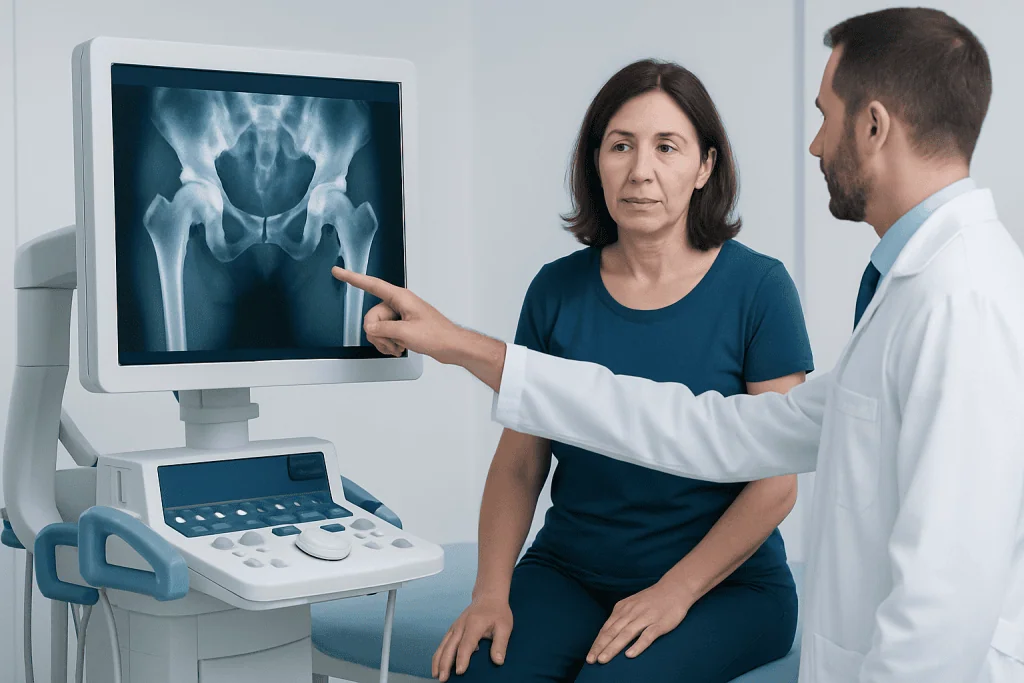
The hip is a deep ball-and-socket joint supported by muscles, tendons, ligaments, and a ring of cartilage called the labrum. A popping sensation may come from several different structures, not only from the joint itself. This is why two people can describe the same symptom but have very different causes.
One common reason is a tendon sliding over a bony area during movement. This is often called snapping hip syndrome and may be felt at the front, side, or back of the hip. It can happen in dancers, runners, athletes, or anyone with muscle tightness, but it can also occur in people who are simply moving in a certain way.
Another cause is cavitation, which is the release of gas from joint fluid, similar to knuckle cracking. This may create a brief pop without harm. In other cases, the sensation may come from stiffness in the surrounding muscles, especially the hip flexors, gluteal muscles, or the iliotibial band.
Less commonly, hip popping is linked to structural problems such as a labral tear, inflammation, early osteoarthritis, tendon injury, or impingement. If symptoms are ongoing or painful, doctors may evaluate for conditions such as hip impingement or other causes of hip dysfunction.
A Safer Answer Than Forcing a Pop

If the hip feels tight or slightly stuck but is not painful, gentle movement is safer than trying to crack it on purpose. Slow walking, changing position, carefully rotating the leg within a comfortable range, or performing light stretching often eases the sensation without stressing the joint.
Helpful options may include a gentle hip flexor stretch, a figure-four stretch, or lying on the back and slowly bringing one knee toward the chest. These movements should be controlled and comfortable. They are not meant to create a loud pop; they are meant to reduce tightness and improve motion.
People should avoid aggressive twisting, deep forced stretches, bouncing movements, or asking someone else to manipulate the hip. If a movement causes sharp pain, catching, or instability, it should be stopped. Repeatedly forcing a hip to pop can irritate tendons, strain soft tissues, and delay proper diagnosis if there is an underlying condition.
If symptoms keep returning, a clinician may recommend targeted rehabilitation rather than self-manipulation. In some cases, physical therapy and rehabilitation helps improve flexibility, strength, and movement patterns so the hip feels better without needing to “pop.”
When Hip Popping May Not Be Harmless
Although many cases are benign, certain symptoms suggest that the hip should be medically assessed. Pain is the most important clue. A hip that pops and hurts, especially in the groin, side of the hip, or buttock, may have inflammation or injury that needs more than home care.
Other warning signs include locking, catching, a feeling that the joint is giving way, reduced range of motion, limping, numbness, visible swelling, or pain that wakes a person at night. Symptoms that start after a fall, sudden twist, collision, or sports injury also deserve prompt review.
Repeated painful popping during exercise may be linked to overuse, tendon problems, bursitis, or cartilage issues. Sometimes the symptom is not coming from the hip joint at all but from the lower back, pelvis, or surrounding soft tissues. That is another reason self-diagnosis can be unreliable.
People with ongoing discomfort may ultimately need assessment for issues such as a hip labral tear or advanced joint wear. Early medical advice can help protect mobility and prevent compensation patterns that make symptoms worse over time.
How Doctors Diagnose a Popping Hip
When a patient reports hip popping, the doctor usually starts by asking exactly where the sensation is felt, what movements trigger it, whether there is pain, and whether there has been any injury or change in activity. Details matter because front-of-hip symptoms can suggest a different source than outer-hip or buttock symptoms.
The physical examination typically includes observing walking, checking range of motion, and testing strength, flexibility, and tenderness. The doctor may reproduce the snapping or clicking with certain movements to identify whether the source is likely a tendon, bursa, labrum, or the joint itself.
Imaging is not always needed for a painless, occasional pop. However, if symptoms are persistent or concerning, tests may include X-rays to assess bone alignment and arthritis, ultrasound to view tendon movement, or MRI to evaluate cartilage, labral injury, and soft tissues. In selected cases, the clinician may investigate related problems in the lower back or pelvis.
This stepwise approach is important because treatment depends on the cause. Someone with muscle tightness may need exercise modification, while a person with internal joint damage may need a different plan, including specialist care in orthopedics.
Treatment Options for Ongoing or Painful Hip Popping
Treatment is based on the diagnosis, symptom severity, and the person’s activity level. Many people improve with conservative care. This may include relative rest from aggravating movements, gradual stretching, strengthening of the hips and core, and temporary use of simple pain-relief measures recommended by a clinician.
Physical therapy is often central to treatment. A therapist can identify tight structures, weak muscle groups, or movement patterns that overload the hip. Exercises may focus on hip stability, gluteal strength, posture, balance, and flexibility, helping the joint move more smoothly and comfortably.
If inflammation is part of the problem, a doctor may discuss additional measures such as short-term medications or image-guided injections in selected cases. When symptoms are linked to a mechanical problem inside the joint and do not improve with non-surgical care, referral to a hip specialist may be appropriate.
Some patients with structural issues may be evaluated for procedures such as hip arthroscopy, which can be used in selected cases to address labral tears or impingement. Any treatment decision should be individualized after proper assessment rather than based on the popping sound alone.
Prevention, Self-Care, and Daily Habits
Not every hip pop can be prevented, but simple habits can reduce irritation. A gradual warm-up before exercise, regular mobility work, and balanced strength training help the hip tolerate activity better. Sudden increases in running, dancing, stair climbing, or deep squatting are common triggers for overuse symptoms.
Posture and movement patterns also matter. Sitting for long periods can tighten the front of the hips, while poor form during exercise can overload tendons and the joint. Taking movement breaks, varying activity, and learning safe technique may reduce recurring snapping or tightness.
Supportive footwear and appropriate training surfaces may help some people, especially runners and athletes. People who repeatedly notice hip clicking after specific workouts can keep a symptom diary, noting which activities trigger it and whether there is associated pain or stiffness. This information can help guide clinical assessment.
For international patients who need a fuller evaluation, Acibadem International’s multidisciplinary specialists in JCI-accredited hospitals assess hip complaints with imaging, rehabilitation, and orthopedic expertise when appropriate. The key message remains the same: a painless occasional pop is often benign, but persistent or painful symptoms deserve an individualized plan.
When to Seek Medical Care
Medical care is appropriate if the hip popping is painful, frequent, or getting worse. A person should also seek assessment if the hip catches, locks, feels unstable, or limits walking, exercise, work, or sleep. These symptoms suggest more than simple harmless clicking.
Prompt care is especially important after trauma, such as a fall, sports collision, or sudden twisting injury. Significant swelling, bruising, fever, inability to bear weight, or severe pain should not be managed by trying to pop the hip at home.
Even without an emergency, it is reasonable to book a medical visit if symptoms last more than a few weeks or keep returning. Early evaluation may reduce ongoing strain, improve recovery, and clarify whether the source is tendon-related, joint-related, or coming from nearby areas such as the spine or pelvis.
In short, a person does not usually need to learn how to pop the hip on purpose. They need to understand whether the sensation is harmless or a sign that the hip would benefit from professional assessment and guided treatment.
Frequently asked questions
Is it bad to pop the hip on purpose?
Usually, yes if it requires force. A gentle change in position is different from aggressively twisting or pushing the joint to make it crack. Forceful self-manipulation can irritate soft tissues and may worsen an unrecognized injury.
Why does the hip pop when walking or standing up?
A common reason is a tendon sliding over a bony part of the hip during movement. Another possibility is a harmless pressure change inside the joint. If there is no pain, the sound alone is often not concerning.
Can stretching help a hip that feels like it needs to pop?
Gentle stretching can help if tight muscles or tendons are contributing to the sensation. Hip flexor, gluteal, and figure-four stretches are often more helpful than trying to force a pop. Stretching should stay within a comfortable range and should not cause sharp pain.
When is hip popping a sign of a serious problem?
Hip popping is more concerning when it is painful or comes with locking, catching, limping, weakness, or swelling. Symptoms that begin after an injury should also be evaluated. These features can suggest tendon injury, labral damage, impingement, or another structural problem.
What kind of doctor checks a popping hip?
A primary care doctor, sports medicine physician, or orthopedic specialist can evaluate this symptom. The doctor will usually take a history, examine movement and strength, and decide whether imaging is needed. Persistent or painful symptoms may benefit from orthopedic or rehabilitation input.
Does a popping hip always mean arthritis?
No, most hip popping is not caused by arthritis. Tendon movement, muscle tightness, and harmless joint cavitation are common explanations, especially in younger or active people. Arthritis becomes more likely when there is stiffness, pain, reduced motion, and symptoms that worsen over time.
References
- American Academy of Orthopaedic Surgeons
- National Institute of Arthritis and Musculoskeletal and Skin Diseases
- American College of Sports Medicine
- MedlinePlus
- Mayo Clinic
This article is for general information only and is not a substitute for professional medical advice. Please consult a qualified doctor about your individual situation.
Persistent digestive symptoms? Get evaluated in Turkey
JCI-accredited · board-certified surgeons · reply within 24h