HPV Infection in Women: Risks, Testing, and Vaccination

Human papillomavirus, or HPV, is usually spread through intimate skin-to-skin sexual contact and can affect women of any age who are sexually active. Most HPV infections cause no symptoms and go away on their own, but some high-risk types can lead to cervical cancer over time.
Key Takeaways
- Human papillomavirus, or HPV, is usually spread through intimate skin-to-skin sexual contact and can affect women of any age who are sexually active.
- Most HPV infections cause no symptoms and go away on their own, but some high-risk types can lead to cervical cancer over time.
- Cervical screening, including Pap tests and HPV tests, can detect cell changes or high-risk HPV before cancer develops.
- HPV vaccination is most effective before exposure to the virus, but many older adolescents and adults may still benefit after discussing it with a doctor.
- Condoms, limiting exposure to new partners, avoiding smoking, and keeping up with screening all help reduce HPV-related risks.
HPV infection in women is very common, and most infections clear naturally without causing health problems. Regular screening and vaccination are the most effective ways to reduce the risk of cervical cancer and other HPV-related conditions.
Overview
Human papillomavirus, commonly called HPV, is a group of related viruses that can infect the skin and moist surfaces of the body, including the cervix, vagina, vulva, anus, mouth, and throat. HPV infection in women is very common, and many people are exposed at some point after becoming sexually active. In most cases, the immune system clears the virus naturally within months to a few years, often without a woman ever knowing she had it.
HPV types are usually grouped as low-risk or high-risk. Low-risk HPV types can cause genital warts, which are not cancer. High-risk HPV types, especially HPV 16 and HPV 18, can cause persistent infection that may lead to abnormal cervical cell changes and, over many years, cervical cancer. High-risk HPV can also be linked with cancers of the vagina, vulva, anus, and throat, although cervical cancer is the main focus of routine screening in women.
The reassuring news is that HPV-related disease is largely preventable. Vaccination can protect against the most important cancer-causing HPV types, and screening can find high-risk HPV or early cervical cell changes before cancer develops. Understanding HPV helps women make informed choices about sexual health, vaccination, and regular gynecologic care.
Symptoms and Possible Health Effects
Most HPV infections do not cause symptoms. A woman can have HPV for months or years without visible signs, pain, discharge, or changes in her menstrual cycle. Because of this, HPV cannot be reliably detected by symptoms alone. Many infections are found only through cervical screening tests or during evaluation of genital warts.
Low-risk HPV may cause genital warts. These can appear as small bumps, flat lesions, or cauliflower-like growths on the vulva, vagina, cervix, anus, or nearby skin. Warts may be single or multiple, and they can be skin-colored, pink, or slightly darker. They are usually painless, but they may sometimes cause itching, discomfort, or bleeding if irritated.
High-risk HPV usually causes no immediate symptoms. If it persists, it can slowly lead to precancerous changes in cervical cells. These changes also often cause no symptoms, which is why screening is so important. Symptoms such as bleeding after sex, bleeding between periods, unusual pelvic pain, or persistent abnormal vaginal discharge should be assessed by a doctor, but they can have many causes and do not automatically mean cancer.
Causes and Risk Factors

HPV spreads mainly through intimate skin-to-skin contact, including vaginal, anal, and oral sex. Penetrative intercourse is not required for transmission, because HPV can be present on nearby genital skin. A person can pass HPV even when they have no symptoms. It is also possible for HPV to be detected long after exposure, so a positive test does not necessarily indicate recent infection or infidelity.
Several factors can increase the chance of acquiring HPV or having a persistent infection. These include having a new sexual partner, having multiple lifetime sexual partners, or having a partner who has had multiple partners. Starting sexual activity at a younger age may increase lifetime exposure. A weakened immune system, such as from certain medical conditions or immune-suppressing treatments, can make it harder to clear the virus.
Smoking is an important modifiable risk factor because it is associated with a higher risk of persistent HPV and cervical cell changes. Not attending regular cervical screening can also increase risk because abnormal changes may go undetected. Risk factors do not mean a woman will develop cancer, but they help doctors decide how to guide prevention, testing, and follow-up.
HPV Testing and Cervical Screening
Cervical screening is designed to prevent cervical cancer by finding high-risk HPV infection or abnormal cervical cells early. The two main tools are the Pap test, also called cervical cytology, and the HPV test. A Pap test looks for abnormal cells collected from the cervix. An HPV test looks for the genetic material of high-risk HPV types that are linked to cervical cancer.
Screening recommendations vary by country and by age, so women should follow local medical guidance or the advice of their gynecologist. In many guidelines, younger women are screened with Pap testing, while HPV testing becomes more central from the age of 25 or 30 onward. Some women may have co-testing, which means Pap and HPV testing are performed from the same cervical sample.
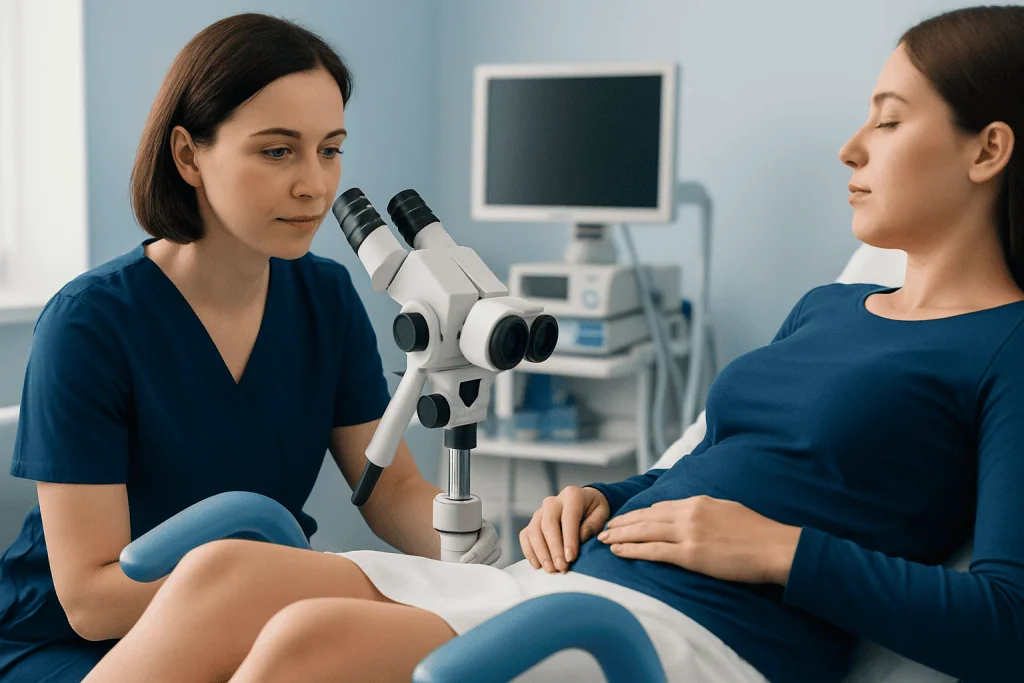
A positive HPV test does not mean a woman has cancer. It means high-risk HPV was detected and follow-up may be needed. Depending on the results, the doctor may recommend repeat testing after a defined interval, a closer examination of the cervix called colposcopy, or a biopsy if an abnormal area is seen. The goal is to identify changes early, monitor those that may resolve, and treat those that are more likely to progress.
Treatment Options
There is no treatment that directly removes HPV itself from the body. In most women, the immune system controls or clears the infection naturally. Medical care focuses on treating the health problems HPV may cause, such as genital warts or precancerous cervical changes, and on ensuring appropriate follow-up.
Genital warts may be treated with medicines applied to the skin by the patient or by a clinician, or with procedures such as freezing, surgical removal, or other local treatments. The best option depends on the size, number, and location of warts, whether the woman is pregnant, and personal preferences. Warts may recur after treatment because the underlying virus can remain in nearby skin for a period of time.
Abnormal cervical cell changes are managed according to their severity. Mild changes often improve without treatment and may be monitored with repeat testing. More significant precancerous changes may require a procedure to remove or destroy the affected cervical tissue. Common approaches include excisional procedures, such as loop electrosurgical excision, or ablative treatments in selected cases. A gynecologist will explain the benefits, risks, and follow-up plan based on the individual result.
HPV Vaccination
HPV vaccination helps prevent infection with the HPV types most strongly linked to cervical cancer and other HPV-related cancers, as well as types that cause many genital warts. The vaccine works best when given before a person is exposed to HPV, which is why it is commonly recommended in early adolescence. However, catch-up vaccination may be appropriate for older teenagers and adults, depending on age, previous vaccination status, and national guidelines.
The vaccine does not treat an existing HPV infection or abnormal cervical cells. It can still protect against HPV types a person has not yet encountered. Women who have already had HPV, genital warts, or an abnormal Pap result may still discuss vaccination with their doctor, especially if they are within the recommended age range or may benefit under local guidance.
HPV vaccines have been widely studied and are used in many countries as part of cancer prevention programs. As with any vaccine, mild side effects such as arm soreness, brief fever, or fatigue can occur. Serious reactions are uncommon, but anyone with a history of severe allergy to a vaccine component should seek medical advice before vaccination. Vaccination does not replace cervical screening, because it does not protect against every high-risk HPV type.
Prevention, Self-care, and When to See a Doctor
Women can reduce HPV-related risks by combining vaccination, regular screening, and safer sexual health practices. Condoms and dental dams lower the chance of HPV transmission, although they do not provide complete protection because HPV can affect skin not covered by a barrier. Limiting exposure to new sexual partners, discussing sexual health openly, and avoiding smoking are also helpful prevention steps.
Healthy immune function supports the body’s ability to control HPV. General self-care includes not smoking, eating a balanced diet, sleeping well, managing chronic conditions, and attending follow-up appointments. Women should keep records of Pap, HPV, colposcopy, and biopsy results and ask their doctor when the next test is due.
A woman should see a qualified doctor or gynecologist if she notices genital warts, bleeding after sex, bleeding between periods, pelvic pain, unusual vaginal discharge, or if she receives an abnormal Pap or positive HPV result. She should also seek advice about HPV vaccination, screening intervals, pregnancy-related concerns, or immune system conditions. Acibadem International’s multidisciplinary specialists and JCI-accredited hospitals diagnose and treat HPV-related conditions for international patients, including screening, colposcopy, and gynecologic follow-up.
Frequently asked questions
Can HPV infection in women go away on its own?
Yes. Most HPV infections are cleared or controlled naturally by the immune system without treatment. Persistent infection with high-risk HPV is the main concern because it can lead to cervical cell changes over time, which is why screening is important.
Does a positive HPV test mean cervical cancer?
No. A positive HPV test means that high-risk HPV was found, not that cancer is present. The doctor may recommend repeat testing, a Pap test, colposcopy, or biopsy depending on the result and the woman’s age and history.
Can HPV be transmitted if there are no symptoms?
Yes. HPV can be passed through intimate skin-to-skin contact even when there are no visible warts or symptoms. This is one reason HPV is common and why vaccination and screening are central to prevention.
Should women still have cervical screening after HPV vaccination?
Yes. HPV vaccination greatly reduces risk from the most important HPV types, but it does not protect against all high-risk types. Women should continue cervical screening according to national guidelines and their doctor’s advice.
Can HPV affect pregnancy?
Most women with HPV have normal pregnancies and healthy babies. Genital warts may sometimes grow faster during pregnancy, and cervical screening results may require careful follow-up. Pregnant women should not use wart treatments without medical guidance.
Is there an HPV test for men that helps manage a woman’s result?
There is no routine HPV screening test for men comparable to cervical HPV testing in women. A woman’s care is based on her own screening results, symptoms, and medical history. Partners may benefit from discussing vaccination, safer sex, and any visible genital lesions with a healthcare professional.
References
- World Health Organization
- Centers for Disease Control and Prevention
- American College of Obstetricians and Gynecologists
- National Cancer Institute
- European Centre for Disease Prevention and Control
This article is for general information only and is not a substitute for professional medical advice. Please consult a qualified doctor about your individual situation.
Oncology care in Turkey — second opinion and treatment plan
JCI-accredited · board-certified surgeons · reply within 24h