Hysterectomy: Types of Uterus Removal Surgery and Recovery

Hysterectomy permanently ends menstrual periods and the ability to carry a pregnancy. The uterus may be removed through abdominal, vaginal, laparoscopic or robotic-assisted surgery.
Key Takeaways
- Hysterectomy permanently ends menstrual periods and the ability to carry a pregnancy.
- The uterus may be removed through abdominal, vaginal, laparoscopic or robotic-assisted surgery.
- The cervix, fallopian tubes or ovaries may or may not be removed, depending on the medical reason for surgery.
- Recovery is usually shorter after minimally invasive procedures than after open abdominal surgery.
- A doctor should be contacted promptly for fever, heavy bleeding, worsening pain, chest pain, leg swelling or signs of infection.
A hysterectomy is surgery to remove the uterus and may be recommended for conditions such as fibroids, heavy bleeding, prolapse, endometriosis or cancer. The procedure can be performed in different ways, and recovery depends on the surgical approach, the person’s overall health and whether other organs are removed.
Overview
A hysterectomy is an operation to remove the uterus, the organ where a pregnancy develops. After the uterus is removed, a person no longer has menstrual periods and cannot become pregnant. For many people, this surgery brings relief from symptoms that have not improved with other treatments, such as severe bleeding, pelvic pressure or chronic pain.
Hysterectomy may be planned for non-cancerous conditions, including fibroids, adenomyosis, endometriosis, uterine prolapse and abnormal uterine bleeding. It may also be part of treatment for gynecologic cancers or pre-cancerous conditions. Because it is a major and permanent surgery, the decision is usually made after careful evaluation, discussion of alternatives and consideration of the person’s age, symptoms, fertility goals and general health.
The operation can be performed in several ways. Some hysterectomies are done through the vagina or with small abdominal incisions using laparoscopic or robotic-assisted techniques. Others require a larger abdominal incision. The most suitable method depends on the size and shape of the uterus, previous surgeries, the diagnosis, surgeon expertise and whether additional procedures are needed.
Types of Hysterectomy
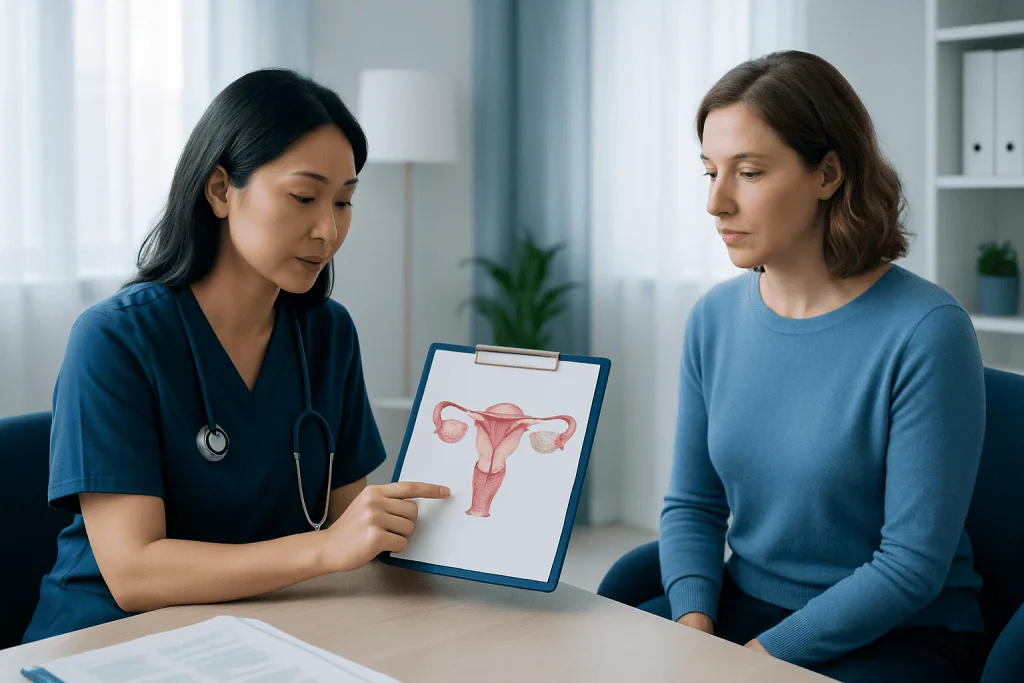
The term hysterectomy describes removal of the uterus, but the extent of surgery can vary. In a total hysterectomy, both the uterus and cervix are removed. In a subtotal or supracervical hysterectomy, the upper part of the uterus is removed while the cervix remains in place. A radical hysterectomy, which is usually used for certain cancers, removes the uterus, cervix, nearby tissues and sometimes part of the upper vagina.
The ovaries and fallopian tubes are separate from the uterus, so they are not automatically removed during every hysterectomy. A salpingectomy means removal of the fallopian tubes. An oophorectomy means removal of one or both ovaries. If both ovaries are removed before natural menopause, menopause begins immediately because the main source of estrogen is gone. If the ovaries are kept, hormonal cycles may continue even though periods stop.
Common types include:
- Total hysterectomy: removal of the uterus and cervix.
- Subtotal or supracervical hysterectomy: removal of the uterus while leaving the cervix.
- Hysterectomy with salpingectomy: removal of the uterus and fallopian tubes.
- Hysterectomy with salpingo-oophorectomy: removal of the uterus, fallopian tubes and one or both ovaries.
- Radical hysterectomy: wider removal of reproductive and surrounding tissues, most often for cancer treatment.
Surgical Approaches
The surgical approach is the route the surgeon uses to remove the uterus. In an abdominal hysterectomy, the uterus is removed through an incision in the lower abdomen. This approach may be recommended when the uterus is very large, when cancer surgery is required, when there is extensive scar tissue or when the surgeon needs a wide view of the pelvis.
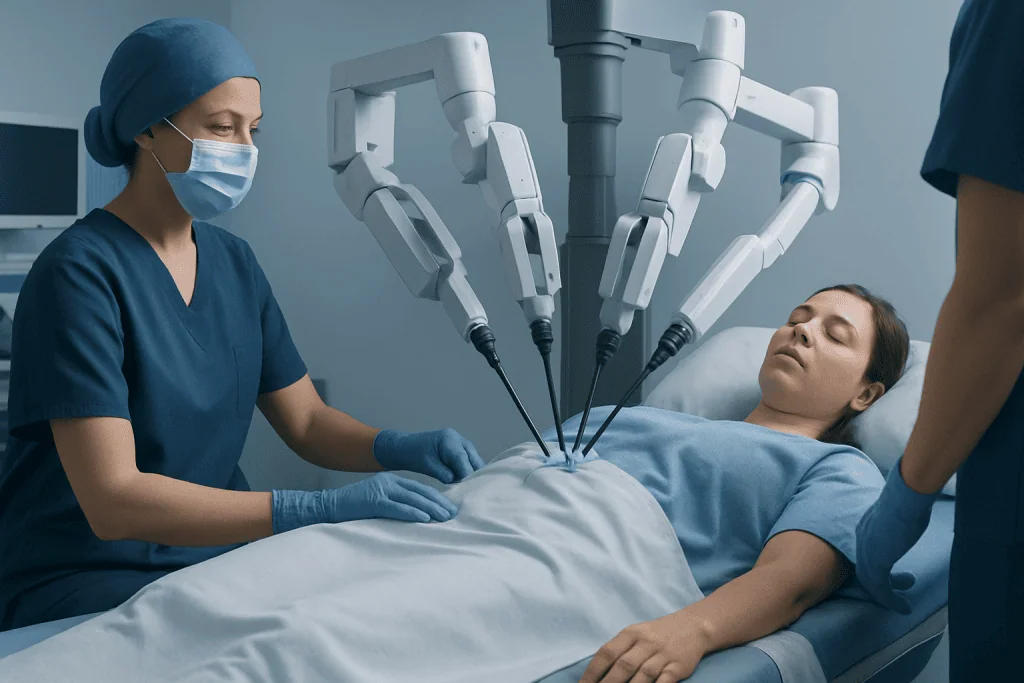
In a vaginal hysterectomy, the uterus is removed through the vagina without an external abdominal incision. This may be appropriate for uterine prolapse and some other benign conditions. In a laparoscopic hysterectomy, the surgeon places a camera and instruments through small abdominal incisions. The uterus may be removed through the vagina or in sections through the small incisions. Robotic-assisted hysterectomy is a form of laparoscopic surgery in which the surgeon controls robotic instruments from a console.
Minimally invasive approaches, such as vaginal, laparoscopic or robotic-assisted hysterectomy, often involve smaller incisions, less postoperative discomfort and a shorter hospital stay compared with open abdominal surgery. However, not every person is a candidate for these techniques. Safety and completeness of treatment are the priorities, and the surgical plan should be individualized.
Reasons a Hysterectomy May Be Recommended
Hysterectomy is considered when symptoms are significant, when other treatments have not worked or when surgery is the most appropriate medical option. Fibroids are one common reason. These non-cancerous growths in the uterus can cause heavy bleeding, anemia, pelvic pressure, urinary symptoms or pain. Abnormal uterine bleeding that does not respond to medication or less invasive procedures may also lead to discussion of hysterectomy.
Other benign conditions include adenomyosis, in which tissue similar to the uterine lining grows into the muscular wall of the uterus, and endometriosis, in which similar tissue grows outside the uterus. Uterine prolapse, where the uterus descends into the vaginal canal because of weakened pelvic support, may be treated with hysterectomy as part of pelvic floor repair. Chronic pelvic pain may sometimes be related to uterine disease, although careful assessment is important because pain can have multiple causes.
Hysterectomy may also be used to treat cancer of the uterus, cervix or ovaries, or certain pre-cancerous changes when recommended by a gynecologic oncology team. In emergency situations, such as life-threatening bleeding after childbirth, hysterectomy may be necessary to protect the person’s life, although this is uncommon and only done when other measures are not sufficient.
Preparation and What Happens During Surgery
Before hysterectomy, the medical team reviews the diagnosis, medical history, medications, allergies and previous operations. Tests may include blood work, pelvic ultrasound, MRI, biopsy of the uterine lining or cervix, and other assessments depending on the reason for surgery. The surgeon explains the planned procedure, the expected benefits, possible risks and whether the cervix, fallopian tubes or ovaries may be removed.
Patients are usually advised about fasting before anesthesia and about which medications to stop or continue. Blood-thinning medicines, diabetes medicines and supplements may need special instructions. Smoking cessation, good nutrition and management of conditions such as high blood pressure or diabetes can support safer surgery and healing. If pregnancy is possible, testing may be performed before the operation.
During surgery, anesthesia is used so the patient does not feel pain. The surgeon removes the uterus through the chosen route and controls bleeding. The vaginal cuff, abdominal incisions or both are then closed. The time in hospital varies, but many minimally invasive procedures require a shorter stay than open abdominal surgery. After the procedure, the care team monitors pain control, urination, bleeding, mobility and recovery from anesthesia.
Recovery After Hysterectomy
Recovery depends on the type of hysterectomy and the person’s overall health. Many people feel tired for several weeks, which is a normal part of healing. Light vaginal spotting can occur for a short time. Pain usually improves gradually and is managed with medications prescribed or recommended by the doctor. Walking soon after surgery helps circulation and can reduce the risk of complications, but strenuous activity should wait until the surgeon gives clearance.
After minimally invasive hysterectomy, many patients return to everyday light activities sooner than after open abdominal surgery. Abdominal hysterectomy generally requires a longer recovery because the incision and deeper tissues need more time to heal. The medical team will advise when it is safe to drive, return to work, lift heavier objects, exercise and have vaginal intercourse. These timelines vary and should be individualized.
Self-care during recovery often includes:
- Taking medicines only as directed and avoiding unapproved pain relievers or supplements.
- Keeping incisions clean and dry according to discharge instructions.
- Walking regularly while avoiding heavy lifting or intense exercise early on.
- Eating fiber-rich foods and drinking fluids to help prevent constipation.
- Attending follow-up visits so healing can be checked.
Emotional responses after hysterectomy can vary. Some people feel relief, while others feel sadness, concerns about femininity or anxiety about sexual health. These feelings are valid, and discussing them with a doctor, counselor or support network can be helpful.
Risks, Long-Term Effects and Alternatives
Like all major surgery, hysterectomy has possible risks. These include bleeding, infection, blood clots, reactions to anesthesia and injury to nearby organs such as the bladder, ureters or bowel. The overall risk depends on the surgical approach, the reason for surgery, previous abdominal or pelvic operations, body weight, general health and whether cancer or extensive disease is present.
The long-term effects depend partly on whether the ovaries are removed. If the ovaries remain, menopause usually occurs naturally later, although periods no longer happen. If both ovaries are removed before menopause, symptoms such as hot flashes, night sweats, vaginal dryness or mood changes may begin soon after surgery. The doctor may discuss options for managing these symptoms, including whether hormone therapy is appropriate for the individual.
Alternatives may be available for some non-cancerous conditions. These can include medication for heavy bleeding, hormonal therapies, intrauterine devices, endometrial ablation, myomectomy for fibroids, uterine artery embolization or pelvic floor treatments for prolapse. Not all options are suitable for every condition. The best choice depends on symptom severity, diagnosis, age, future pregnancy plans and personal preferences.
When to See a Doctor
A person should seek medical advice if they have heavy or prolonged menstrual bleeding, pelvic pain, pressure symptoms, bleeding after menopause, a feeling of bulging in the vagina or symptoms that interfere with daily life. These concerns do not always mean surgery is needed, but they should be evaluated by a qualified gynecologist. Early assessment helps identify the cause and allows discussion of both non-surgical and surgical options.
After hysterectomy, the doctor or hospital should be contacted promptly for fever, chills, worsening pain, heavy vaginal bleeding, foul-smelling discharge, redness or drainage from an incision, difficulty urinating, shortness of breath, chest pain, or swelling and pain in one leg. These symptoms require timely medical attention. Emergency care should be sought for severe symptoms or sudden deterioration.
For international patients, Acibadem International’s multidisciplinary specialists and JCI-accredited hospitals diagnose and treat gynecologic conditions, including those that may require hysterectomy. Patients considering surgery should bring previous test results, imaging, pathology reports and a list of medications to support a complete evaluation and individualized treatment plan.
Frequently asked questions
Is a hysterectomy the same as having the ovaries removed?
No. A hysterectomy removes the uterus, while oophorectomy removes one or both ovaries. The ovaries may be left in place or removed depending on the medical condition, age, cancer risk and discussion with the surgeon.
Will periods continue after a hysterectomy?
No. Menstrual periods stop permanently after the uterus is removed. If the ovaries are kept, hormonal cycles may continue until natural menopause, but there is no uterine lining to shed as a period.
Can someone become pregnant after a hysterectomy?
No. Because the uterus is removed, a person cannot carry a pregnancy after hysterectomy. Anyone who wishes to have children in the future should discuss fertility-preserving alternatives before surgery when medically possible.
How long does hysterectomy recovery take?
Recovery time varies by surgical approach and individual health. Many people recover faster after vaginal or laparoscopic surgery than after open abdominal surgery, but fatigue and activity restrictions can still last several weeks. The surgeon will provide specific guidance for work, exercise, driving and sexual activity.
Does hysterectomy cause menopause?
Hysterectomy alone does not always cause menopause if the ovaries remain. If both ovaries are removed before natural menopause, menopause begins immediately. Symptoms and treatment options should be discussed with a doctor before surgery.
Is hysterectomy always necessary for fibroids or heavy bleeding?
Not always. Many people can be treated with medication, hormonal devices or less invasive procedures, depending on the cause and severity of symptoms. Hysterectomy may be recommended when other treatments are unsuitable, ineffective or not preferred by the patient.
References
- American College of Obstetricians and Gynecologists
- Mayo Clinic
- National Health Service
- Royal College of Obstetricians and Gynaecologists
- Society of Gynecologic Oncology
This article is for general information only and is not a substitute for professional medical advice. Please consult a qualified doctor about your individual situation.
Hysterectomy in Turkey — costs, top hospitals & a free quote
JCI-accredited · board-certified surgeons · reply within 24h