Irregular Menstruation Treatment: How It Works, Results and What to Expect

An irregular cycle is not a diagnosis; treatment begins by identifying the reason for the change. Pregnancy should be considered and tested for when a period is late or unusual in a person who could become pregnant.
Key Takeaways
- An irregular cycle is not a diagnosis; treatment begins by identifying the reason for the change.
- Pregnancy should be considered and tested for when a period is late or unusual in a person who could become pregnant.
- Treatment may involve observation, lifestyle changes, hormonal medicines or care for conditions such as PCOS, thyroid disorders or uterine growths.
- Cycle regularity may improve within a few months for some people, while chronic conditions may need ongoing management.
- Very heavy bleeding, severe pain, fainting, or bleeding during pregnancy needs prompt medical assessment.
Irregular menstruation treatment is tailored to the reason periods are changing, such as pregnancy, stress, polycystic ovary syndrome (PCOS), thyroid disease or a uterine condition. Many people can achieve more predictable cycles with appropriate evaluation and care, although long-term results depend on the underlying cause and reproductive goals.
Overview: what irregular menstruation treatment involves
Irregular menstruation treatment is a personalised plan used to understand and manage periods that come too often, too far apart, unpredictably, last unusually long, or are much lighter or heavier than usual. The first goal is not simply to make bleeding occur on a schedule. It is to identify whether a normal life stage, a temporary influence, an ovulation-related condition, a hormone disorder, medicine, or a structural concern in the uterus is affecting the menstrual cycle.
Cycles can vary naturally during the first years after periods begin and in the transition toward menopause. Pregnancy, breastfeeding, acute illness, major stress, travel, intensive exercise and marked weight change can also alter ovulation temporarily. However, a new or persistent change deserves discussion with a qualified clinician, particularly if it affects daily life, fertility plans, or causes heavy bleeding or pain.
Care is guided by the person’s age, symptoms, medical history and whether pregnancy is wanted now, later, or not at all. A gynecologist may work with primary care, endocrinology, nutrition and fertility specialists when needed. The same evaluation can also help distinguish irregular periods from other causes of abnormal uterine bleeding.
What happens to your body when you have irregular periods?
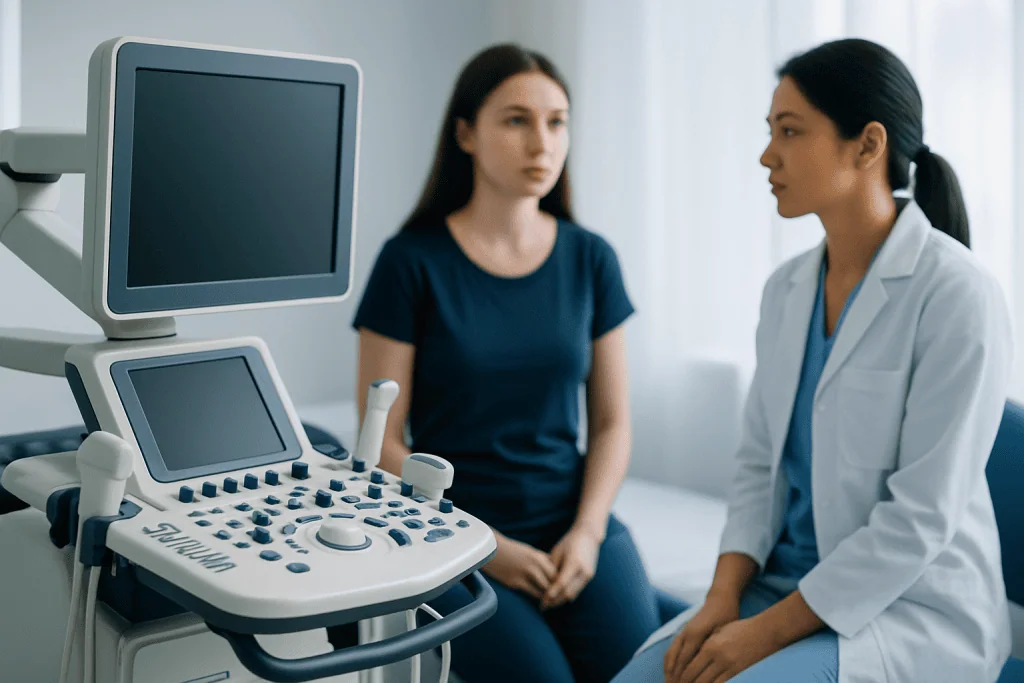
A menstrual period usually follows ovulation, when the ovaries release an egg and the lining of the uterus responds to changing levels of estrogen and progesterone. If ovulation happens later than expected, does not occur, or varies from month to month, the timing and amount of bleeding can change. This is often called ovulatory dysfunction.
When ovulation is infrequent, the uterine lining may continue to build under the influence of estrogen and then shed unpredictably. This can lead to missed periods followed by prolonged or heavier bleeding in some people. In others, periods may be light, widely spaced or absent. Not every irregular cycle means there is a serious problem, but persistent changes can signal a condition that benefits from treatment.
Possible associated symptoms depend on the cause. For example, acne, increased facial or body hair, scalp hair thinning and weight changes can occur with polycystic ovary syndrome (PCOS). Tiredness, heat or cold intolerance, bowel changes, nipple discharge, pelvic pressure or pain may point clinicians toward other causes. Irregular ovulation can also make it more difficult to predict fertile days, but it does not necessarily mean pregnancy is impossible.
How do doctors fix irregular periods?

Doctors treat irregular periods by addressing the cause and the person’s priorities. After ruling out pregnancy and urgent concerns, they may recommend monitoring if cycle variation is expected and symptoms are mild. If a lifestyle factor is contributing, support may focus on adequate nutrition, gradual changes in activity, stress management and treatment of disordered eating or chronic illness where relevant.
Hormonal treatment can protect the uterine lining, reduce heavy bleeding and create more predictable withdrawal bleeding for people who do not currently want pregnancy. Options may include combined hormonal contraception, progestin-based treatments or a hormone-releasing intrauterine device, depending on individual health factors and preferences. These treatments should be selected with a clinician because some are unsuitable for people with certain clotting risks, migraine patterns, liver disease or other medical conditions.
For people trying to conceive, the approach differs: clinicians focus on finding and treating barriers to ovulation or implantation rather than using contraception to regulate bleeding. Management may include treatment of thyroid or prolactin disorders, support for PCOS-related metabolic health, or supervised ovulation-induction treatment through fertility and IVF care when appropriate. Fibroids, polyps, endometriosis and other pelvic conditions may require targeted evaluation and treatment.
There is no single procedure for irregular periods. When a structural problem is suspected, an office procedure, hysteroscopy or surgery may be considered only after assessment. The aim is to offer the least invasive effective option while protecting overall health and, where relevant, fertility.
Candidacy and the diagnostic process
Anyone with a new, persistent or troubling menstrual change can benefit from medical evaluation. An appointment is especially useful when periods are more than a few months apart, become much more frequent, are unusually heavy, occur between periods or after sex, or are accompanied by pelvic pain, symptoms of hormone imbalance, or difficulty becoming pregnant.
The process usually begins with a detailed history. A clinician may ask about the timing and pattern of bleeding, contraception, sexual health, pregnancy possibility, medicines and supplements, recent stressors, exercise, eating patterns, weight change, medical conditions and family history. Keeping a record of bleeding days, flow, pain and related symptoms before the visit can make this conversation more useful.
Testing is chosen according to the history rather than performed identically for everyone. It may include a pregnancy test, blood count to check for anemia, thyroid testing, selected reproductive hormone tests, screening for infection when indicated, and a pelvic examination. Pelvic ultrasound can assess the uterus and ovaries. In some cases, clinicians recommend sampling the uterine lining to investigate persistent abnormal bleeding or assess for changes in the endometrium.
The evaluation also considers related disorders such as thyroid disease, diabetes, elevated prolactin, ovarian insufficiency and uterine conditions. A diagnosis may take more than one visit because menstrual patterns and test results need to be interpreted in context.
What to expect during treatment and recovery
Most irregular menstruation treatment is outpatient care rather than a single procedure. At the first consultation, the clinician reviews symptoms and tests, explains likely causes, and agrees on a plan. If a medicine is started, the next steps commonly include instructions on use, discussion of expected bleeding changes, and follow-up to assess benefit and side effects.
When hormonal treatment is used, spotting or changes in flow can occur during the first few months while the body adjusts. This does not always mean treatment is failing, but persistent heavy bleeding, severe symptoms or concerns about side effects should be reported. A clinician may adjust the plan if the treatment is not suitable or does not meet the person’s goals.
If imaging identifies a uterine polyp, fibroid or another structural cause, further care may include a planned procedure. Recovery depends on the specific intervention, but many diagnostic and minor gynecologic procedures are completed on an outpatient basis. The clinical team should provide individual instructions about activity, pain relief, vaginal bleeding, sexual activity and warning signs after any procedure.
Follow-up often includes reassessing the menstrual record, checking anemia when bleeding has been heavy, and reviewing fertility plans. For international patients, Acibadem International’s multidisciplinary specialists and JCI-accredited hospitals can support assessment and treatment planning for menstrual concerns.
How long does it take for an irregular period to become regular?
The timeframe varies because it depends on why cycles are irregular and which treatment is used. If the change is related to a temporary factor such as acute stress, illness, travel or a change in exercise routine, periods may settle over the following cycles once the factor improves. Hormonal options often make bleeding more predictable after several cycles, although early spotting is common.
Conditions that affect ovulation, including PCOS and thyroid disorders, may require ongoing management. With effective treatment, people may notice improvement over weeks to months, but a perfectly regular cycle is not always the only or most important outcome. Reduced heavy bleeding, protection of the uterine lining, improved anemia, symptom relief or support for ovulation may be the key treatment goals.
It is helpful to follow the agreed plan consistently and attend reviews, particularly when treatment is being adjusted. A clinician should be contacted if bleeding becomes heavier, periods remain absent unexpectedly, symptoms worsen, or pregnancy is suspected.
Can irregular periods be cured permanently?
Some causes of irregular periods are temporary and can resolve once the trigger is addressed. For example, cycles may return to a person’s usual pattern after recovery from illness, improved energy balance, treatment of a thyroid problem or discontinuation of a medicine that affected bleeding. In these situations, the change may be long-lasting.
Other causes, including PCOS, perimenopause and some chronic endocrine conditions, cannot always be described as permanently cured. They can often be managed effectively with regular review, lifestyle support when appropriate, and treatments tailored to bleeding control, symptom relief, metabolic health or fertility. A person may need different approaches at different life stages.
It is also important to remember that hormonal treatments can regulate bleeding while they are being used, but the original cycle pattern may return after they are stopped. This is not a failure of treatment; it helps clinicians understand the underlying condition and choose the next best step. Decisions should reflect the person’s medical history and reproductive plans.
When to seek medical care
Medical care should be sought promptly for very heavy bleeding, such as soaking through pads or tampons repeatedly in a short time, passing large clots with weakness or dizziness, severe or worsening pelvic pain, fainting, shortness of breath, or symptoms of significant anemia. Bleeding in pregnancy, or a possible pregnancy with pain or bleeding, requires urgent assessment because ectopic pregnancy and miscarriage need to be ruled out.
A non-urgent appointment is appropriate for a period pattern that has changed for several cycles, bleeding between periods or after sex, absent periods without an obvious reason, new acne or excess hair growth, pelvic pressure, or concerns about fertility. Adolescents who have not started periods by the expected age range, and people whose periods stop for several months without pregnancy, should also be assessed.
Until the appointment, tracking cycle dates, bleeding intensity, pain, medications and pregnancy-test results can help. People should avoid starting hormones or supplements marketed to “balance hormones” without professional advice, as these may not address the cause and can interact with medications or affect testing.
Frequently asked questions
How do doctors fix irregular periods?
Doctors first look for the cause through a health history, pregnancy testing when relevant, examination and selected blood tests or imaging. Treatment may include monitoring, lifestyle support, hormonal medicines, treatment of thyroid or other hormone disorders, or care for a uterine or fertility-related condition. The best option depends on symptoms, health history and pregnancy plans.
How long does it take for an irregular period to become regular?
Some temporary changes improve within a few cycles after the trigger resolves. Hormonal treatments may make bleeding more predictable over the first few months, though spotting can occur initially. Long-term conditions may need ongoing management, and treatment success may mean safer or lighter bleeding rather than a perfectly timed cycle.
What happens to your body when you have irregular periods?
Irregular periods often reflect changes in ovulation and hormone levels. When ovulation is delayed or does not occur, the uterine lining may build and shed at unpredictable times, causing missed, light, prolonged or heavy periods. Associated symptoms vary according to the cause.
Can irregular periods be cured permanently?
It depends on the cause. Period changes due to temporary stress, illness, weight change or a treatable hormone disorder may resolve when the cause is addressed. Chronic conditions such as PCOS may not have a permanent cure, but symptoms and cycle-related health risks can usually be managed effectively.
Is it normal to have irregular periods?
Some variation is common, particularly in the first years after menstruation begins, after childbirth and breastfeeding, and during perimenopause. A new, persistent or disruptive change should still be discussed with a clinician. Evaluation is especially important when bleeding is heavy, painful, occurs between periods, or is associated with pregnancy concerns.
Can irregular periods affect fertility?
Irregular periods can make conception less predictable because they may indicate irregular ovulation. They do not automatically mean infertility, and many causes can be treated or managed. A fertility evaluation is reasonable if pregnancy has not occurred after an appropriate period of trying, or earlier if cycles are very infrequent or absent.
References
- American College of Obstetricians and Gynecologists
- National Institute of Child Health and Human Development
- National Health Service
- Mayo Clinic
- World Health Organization
This article is for general information only and is not a substitute for professional medical advice. Please consult a qualified doctor about your individual situation.
Explore treatments in Turkey — costs, top hospitals & a free quote
JCI-accredited · board-certified surgeons · reply within 24h
Add us as a Preferred Source to see more of our trusted health content across Google Search, AI Overviews and Discover.
Check your numbers in seconds
BMI, calories, due date, blood pressure and 30+ more clinical calculators — free, instant, doctor-reviewed ranges.