Is the Brain a Muscle? Causes, Explanations, and Next Steps
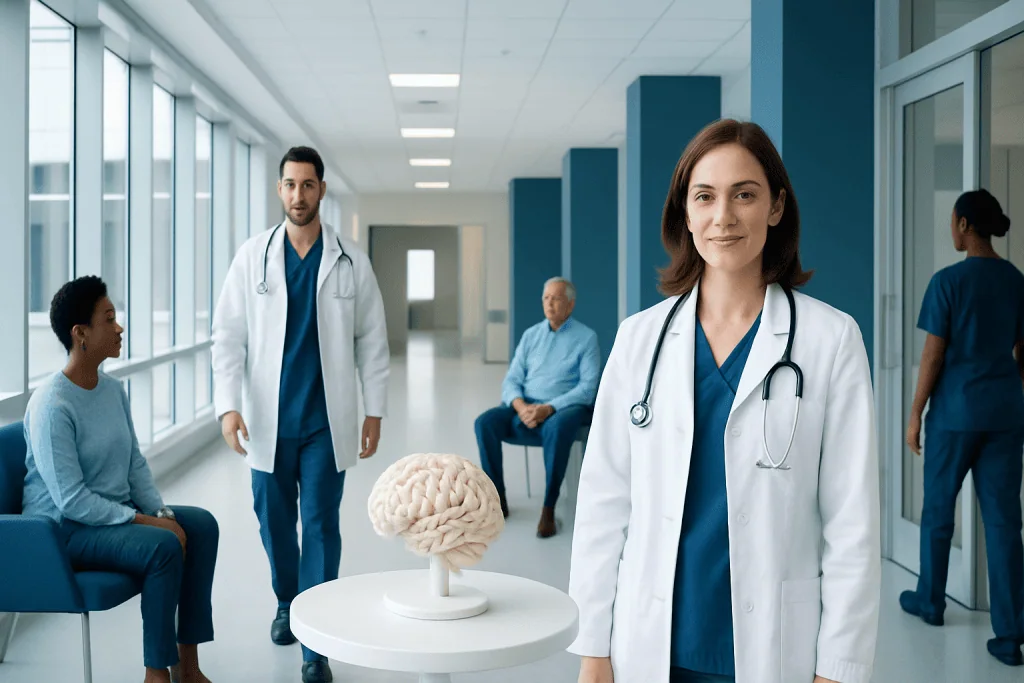
The brain is an organ, not a muscle. It is made of neurons, glial cells, blood vessels, and connective support tissue.
Key Takeaways
- The brain is an organ, not a muscle.
- It is made of neurons, glial cells, blood vessels, and connective support tissue.
- People often compare the brain to a muscle because practice and repetition can improve mental performance.
- Most questions about whether the brain is a muscle are harmless and educational, but new neurological symptoms should be medically assessed.
- Doctors evaluate concerning brain-related symptoms with a history, physical and neurological exam, and sometimes imaging or lab tests.
No, the brain is not a muscle. It is an organ made mainly of nerve cells and supportive tissue, and while it can be strengthened through learning and healthy habits, it does not function like skeletal muscle.
Overview: Is the Brain a Muscle?
No, the brain is not a muscle. It is an organ of the nervous system, and it is made primarily of specialized nerve cells called neurons, along with support cells called glia, blood vessels, and protective tissues.
This question is very common and usually harmless. Many people ask it because the brain seems to improve with practice, focus, and repetition, much like muscles become stronger with exercise. That comparison can be useful in everyday language, but biologically it is not exact.
Understanding the difference matters because muscles and the brain work in different ways. Muscles contract to create movement. The brain processes information, regulates body functions, forms memories, guides emotions, and helps the body respond to the world through electrical and chemical signaling.
Why People Compare the Brain to a Muscle
The idea that the brain is “like a muscle” comes from experience: skills often improve with practice. Reading, speaking a language, solving problems, and learning an instrument can become easier over time because the brain adapts. This ability is known as neuroplasticity, which means the brain can reorganize connections in response to learning, experience, and sometimes injury.
That does not mean the brain contains muscle fibers or works by contraction. Instead, practice strengthens neural pathways. Repetition can make communication between groups of neurons more efficient, which helps explain why familiar tasks may feel more natural over time.
The comparison can also be helpful for healthy habits. Just as muscles benefit from regular activity, the brain often benefits from mental engagement, sleep, physical exercise, social connection, and management of conditions that affect brain health.
- Practice can improve attention and memory strategies.
- Learning can create or reinforce neural connections.
- Healthy routines support brain function across the lifespan.
What the Brain Is Made Of
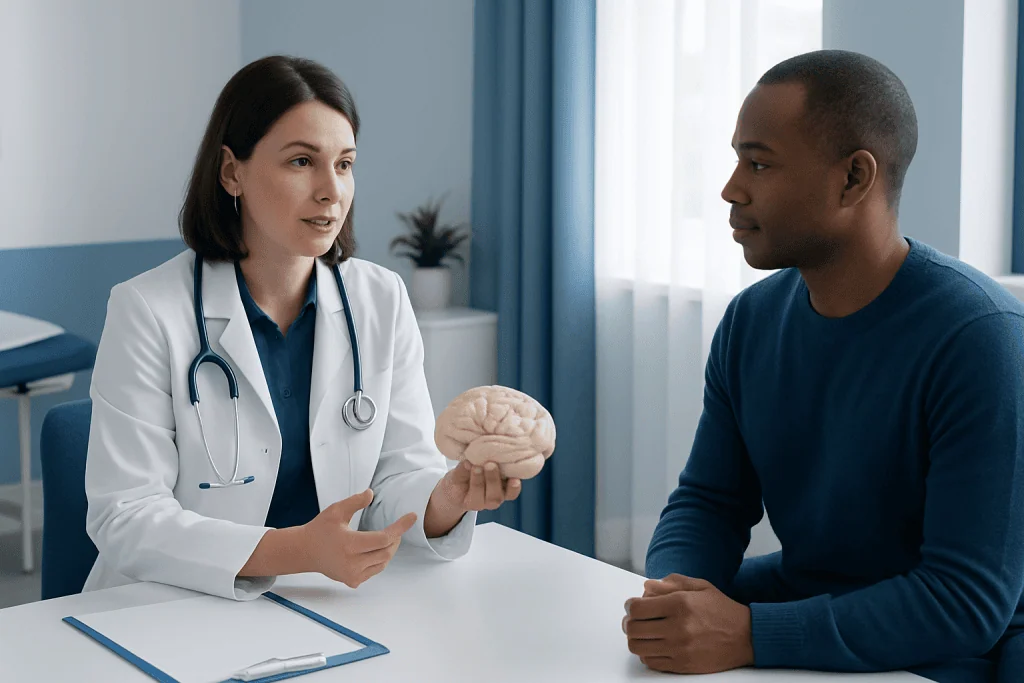
The brain is a complex organ housed inside the skull. It contains billions of neurons that send and receive messages using electrical impulses and chemical messengers called neurotransmitters. These signals allow people to think, move, feel sensations, regulate breathing and heart rate, and form memories.
Alongside neurons are glial cells, which support and protect nerve cells. Some help nourish neurons, some produce myelin to improve signal speed, and others help maintain the brain’s internal environment. The brain also contains blood vessels that deliver oxygen and nutrients, as well as connective and protective layers around it.
The brain is commonly divided into major regions with different roles. The cerebrum is involved in thought, language, sensation, and voluntary movement. The cerebellum helps coordinate balance and fine movement. The brainstem helps control essential automatic functions such as breathing, swallowing, and wakefulness.
Because the brain is part of the nervous system rather than the muscular system, problems affecting it may cause symptoms such as weakness, numbness, confusion, balance trouble, or changes in speech. Those symptoms are different from simple muscle soreness or strain.
How the Brain Differs From Muscle
Muscles are made of fibers that contract and relax to produce movement or maintain posture. Skeletal muscles move the arms, legs, face, and trunk. Cardiac muscle makes up the heart. Smooth muscle helps organs such as the intestines and blood vessels function automatically.
The brain does not contract to move the body. Instead, it sends instructions through the spinal cord and peripheral nerves to muscles, which then carry out movement. In this sense, the brain acts more like a control center than a muscle.
The brain and muscles do, however, work closely together. A healthy brain is needed to plan movement, coordinate balance, and interpret sensory feedback. Likewise, regular physical activity can support blood flow, mood, sleep, and overall brain health.
Some medical conditions can affect both brain function and muscle control. For example, disorders involving the nervous system may change movement, balance, or coordination. Depending on symptoms, a doctor may consider evaluation for problems such as Parkinson's disease or stroke.
When Symptoms May Need Medical Review
In most cases, asking whether the brain is a muscle is simply a question about anatomy and does not point to illness. However, brain-related symptoms should not be ignored if they are new, persistent, or severe. It is especially important to seek medical advice when symptoms interfere with daily activities or appear suddenly.
Warning signs that deserve prompt attention include sudden weakness, facial drooping, trouble speaking, new confusion, severe or unusual headache, seizures, vision loss, fainting, persistent dizziness, or loss of balance. Progressive memory changes, personality changes, numbness, or one-sided coordination problems also warrant assessment.
Some symptoms may have benign explanations, but others can reflect urgent neurological conditions. For example, a doctor may need to rule out a transient ischemic attack, brain tumor, infection, inflammation, medication side effects, or metabolic causes. Emergency care is important for sudden stroke-like symptoms.
How Doctors Evaluate Concerning Brain Symptoms
If a person seeks care for neurological symptoms, the first step is usually a detailed medical history. The doctor asks when symptoms began, whether they came on suddenly or gradually, how often they occur, and whether there are associated signs such as headache, fever, weakness, speech changes, recent injury, or medication use.
A physical and neurological examination follows. This may include checks of strength, sensation, coordination, reflexes, balance, eye movements, speech, memory, and mental status. These findings help the clinician identify whether the issue is likely to involve the brain, spinal cord, peripheral nerves, muscles, or another body system.
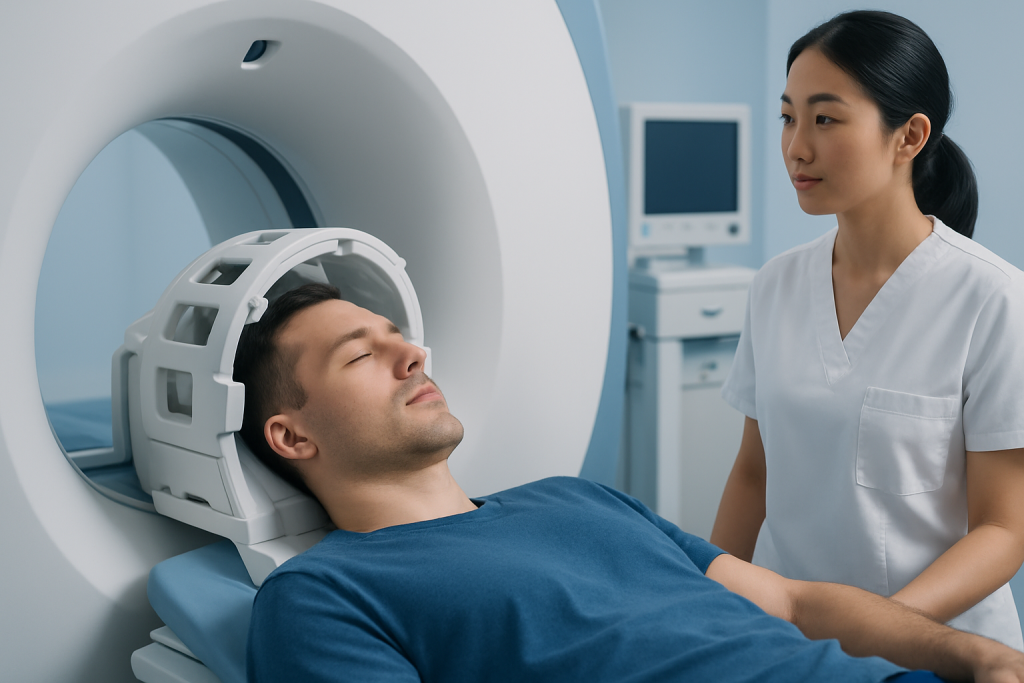
Depending on the situation, further testing may be recommended. This can include blood tests, MRI scanning, CT imaging, electroencephalography for seizure-related concerns, or vascular studies. If symptoms suggest problems with blood supply to the brain, the evaluation may also involve neurology care or specialist stroke assessment.
The goal of testing is not only to find serious disease but also to identify common, treatable causes. Sleep problems, dehydration, migraine, stress, vitamin deficiencies, infections, and medication effects can sometimes contribute to symptoms that feel neurological.
Supporting Brain Health in Everyday Life
Although the brain is not a muscle, it does respond positively to regular healthy habits. Good sleep, physical activity, balanced nutrition, hydration, blood pressure control, and avoiding tobacco all support the brain’s structure and function. Learning new skills, reading, conversation, and social engagement may also help maintain mental sharpness.
Protecting the brain from injury is also important. Using seat belts, wearing helmets during relevant activities, limiting alcohol misuse, and managing long-term conditions such as diabetes and high cholesterol can reduce risk to brain health over time.
People who notice changes in concentration or memory should avoid self-diagnosing based on internet comparisons alone. Mild lapses can happen with stress, fatigue, or normal aging, but persistent or worsening changes should be discussed with a healthcare professional.
Near the end of an evaluation pathway, some people may benefit from specialist care. Acibadem International’s multidisciplinary specialists and JCI-accredited hospitals diagnose and treat neurological conditions for international patients when further assessment is needed.
Next Steps and When to Seek Medical Care
The most important next step is simple: remember that the brain is an organ, not a muscle, and that most people asking this question are exploring basic health information rather than facing a medical emergency. In many cases, reassurance and a clearer understanding of anatomy are all that is needed.
Medical review is appropriate if a person has new neurological symptoms, symptoms that are worsening, or symptoms that disrupt speech, balance, thinking, vision, or movement. Urgent care is needed for sudden one-sided weakness, confusion, seizure, or severe headache unlike usual headaches.
For non-urgent concerns, keeping a symptom diary can help. Recording when symptoms happen, how long they last, possible triggers, and any associated issues such as poor sleep or stress can make medical visits more productive and help guide testing if it becomes necessary.
Frequently asked questions
Is the brain a muscle or an organ?
The brain is an organ, not a muscle. It belongs to the nervous system and is made of neurons, glial cells, blood vessels, and supporting tissues.
Why do people say the brain is like a muscle?
People use this comparison because practice and repetition can improve mental performance. The brain adapts through neuroplasticity, but it does not contain muscle fibers or work by contracting.
Can the brain get stronger with exercise?
The brain can function better with healthy habits, including physical activity, sleep, stress management, and mental engagement. In that sense, it can become more efficient or resilient, but this is different from muscle growth.
What is the brain made of?
The brain is made mainly of nerve cells called neurons and support cells called glia. It also contains blood vessels, protective coverings, and specialized structures that help regulate thinking, movement, sensation, and automatic body functions.
When should someone worry about brain-related symptoms?
A doctor should assess symptoms that are sudden, severe, persistent, or getting worse. Red flags include new weakness, trouble speaking, seizures, severe unusual headache, confusion, vision loss, or loss of balance.
How do doctors check whether symptoms are coming from the brain?
Doctors usually begin with a medical history and neurological examination. If needed, they may order blood tests or imaging such as MRI or CT to look for causes affecting the brain or nervous system.
References
- National Institute of Neurological Disorders and Stroke
- MedlinePlus
- Cleveland Clinic
- Mayo Clinic
- World Health Organization
This article is for general information only and is not a substitute for professional medical advice. Please consult a qualified doctor about your individual situation.
Explore treatments in Turkey — costs, top hospitals & a free quote
JCI-accredited · board-certified surgeons · reply within 24h
Check your numbers in seconds
BMI, calories, due date, blood pressure and 30+ more clinical calculators — free, instant, doctor-reviewed ranges.