Jawline Exercises — Explained by Medical Evidence, Not Myths

Jawline exercises are not proven to significantly reshape the jaw or reduce fat under the chin. Facial movement may strengthen some muscles, but visible cosmetic change is usually limited.
Key Takeaways
- Jawline exercises are not proven to significantly reshape the jaw or reduce fat under the chin.
- Facial movement may strengthen some muscles, but visible cosmetic change is usually limited.
- Jaw pain, clicking, locking, or headaches should not be ignored or treated only with exercise.
- Jawline appearance is influenced by bone structure, weight changes, skin quality, and aging.
- Medical evaluation can help identify treatable causes such as TMJ disorders, teeth grinding, or dental alignment issues.
Jawline exercises may help a person become more aware of facial posture and can mildly engage facial and neck muscles, but medical evidence does not show that they can reshape the jawbone or reliably create a more defined jawline. Changes in jawline appearance are more often related to genetics, body fat distribution, skin elasticity, age, dental alignment, and certain medical conditions.
Overview: what jawline exercises can and cannot do
Jawline exercises are movements such as chin lifts, resisted mouth opening, neck stretches, chewing-based routines, or repeated facial expressions that are promoted as ways to create a sharper jawline. The main evidence-based point is simple: these exercises may activate facial and neck muscles, but they do not meaningfully change the shape of the jawbone and are not a reliable way to remove fat beneath the chin.
That does not mean all facial movement is useless. In some settings, guided facial exercises may support muscle awareness, rehabilitation, or comfort. However, the online claim that a few daily routines can dramatically sculpt the lower face is not strongly supported by medical research. Appearance depends on many factors beyond muscle activity, including genetics, age, skin firmness, body fat distribution, and dental or bite alignment.
It is also important to separate cosmetic goals from medical symptoms. If a person has pain around the jaw, clicking, difficulty chewing, locking, frequent headaches, or worn teeth from grinding, the issue may involve the temporomandibular joint or surrounding muscles rather than a lack of exercise. In that setting, self-directed routines may not address the real cause.
Why the jawline looks the way it does
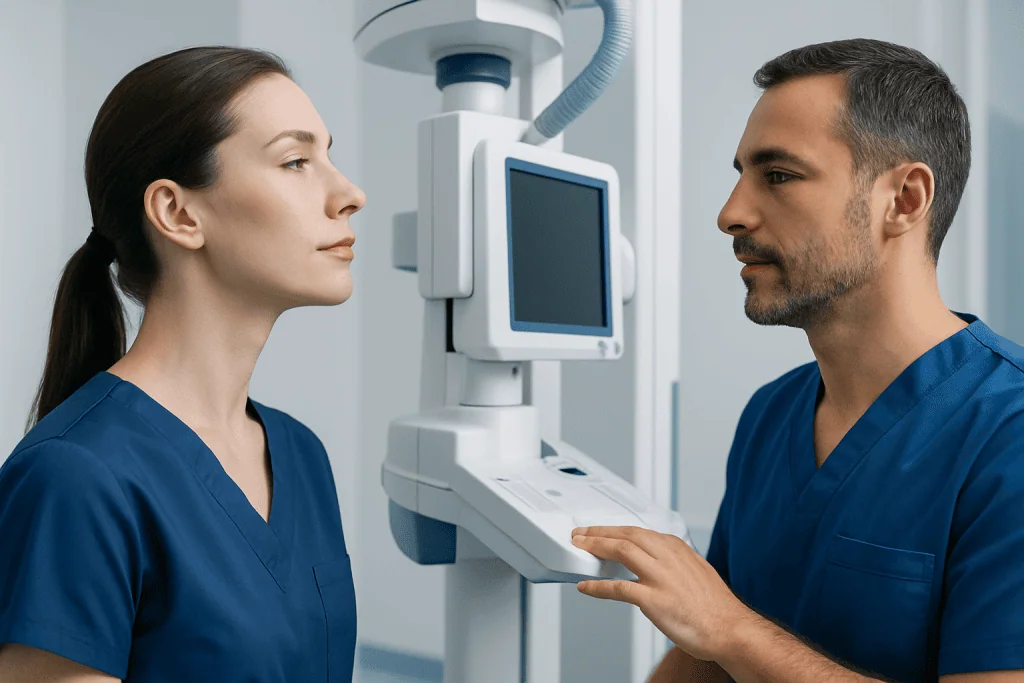
The jawline is shaped by several layers working together. The lower jawbone gives the face its structural outline. Over that, there are facial and neck muscles, salivary glands, fat under the skin, connective tissue, and skin itself. As people age, skin elasticity changes and soft tissues can shift downward, which may soften the angle of the jaw even if weight stays the same.
Body composition also matters. Some people store more fat beneath the chin or along the lower face, while others naturally have a sharper mandibular angle. This pattern is often inherited. A person may be fit and still have a less angular jawline, while another may have a more defined jawline without doing any facial exercises.
Dental and bite-related factors can contribute as well. The position of the teeth and jaws affects how the lower face sits at rest and during speech or chewing. Conditions that change nasal breathing, oral posture, or chronic teeth grinding may also influence how the jaw muscles feel and appear. In some cases, concerns about jaw shape overlap with functional problems that may need assessment by dental, maxillofacial, or ENT specialists.
What medical evidence says about jawline exercises

Research on facial exercises is limited, and most studies are small or focused on broader facial appearance rather than the jawline alone. Some evidence suggests that targeted facial exercise programs may modestly affect muscle tone or perceived fullness in certain facial areas. However, this is very different from proving that jawline exercises can create a sharper jaw angle or remove a double chin.
A key reason is that exercise does not allow a person to selectively burn fat from one small area. Just as abdominal exercises do not specifically remove belly fat, jawline exercises do not specifically remove fat below the chin. If fullness under the jaw is related to overall body fat, weight management may help over time, but results vary from person to person.
Another point is that stronger muscles do not always produce the cosmetic effect people expect. Overworking the chewing muscles can sometimes make the sides of the face look broader rather than slimmer. Repetitive or forceful routines may also worsen strain in people prone to jaw clenching or TMJ disorder. In other words, more movement is not always better, especially if pain or clicking is already present.
From a medical perspective, the most accurate conclusion is that jawline exercises are not a proven contouring treatment. They may be harmless for many healthy people when done gently, but expectations should stay realistic. They are best viewed as low-impact wellness habits, not as evidence-based reshaping tools.
Common myths and what is more likely to be true
One common myth is that chewing gum for long periods will define the jaw. In reality, frequent chewing mainly works the masseter muscles, which can fatigue the jaw and may aggravate clenching, joint discomfort, or headaches in some people. It does not change bone shape, and it does not target fat under the chin.
Another myth is that a sharper jawline can be created by posture alone. Good posture can slightly improve how the neck and lower face look in photos or at rest, especially when a person tends to push the head forward. But posture changes are subtle and do not replace the underlying effects of anatomy, soft tissue, and aging.
A third myth is that all jawline concerns are cosmetic. Sometimes a softer or asymmetrical jawline reflects swelling, enlarged glands, dental problems, bite changes, or chronic mouth breathing. If appearance changes suddenly, or if they come with pain or difficulty opening the mouth, a medical assessment is more important than an exercise routine.
- Myth: Exercises can melt chin fat quickly.
- More likely true: Fat reduction happens systemically, not only in one small area.
- Myth: Stronger jaw muscles always make the jaw look slimmer.
- More likely true: Enlarged chewing muscles can make the lower face appear wider.
- Myth: Clicking or pain means the jaw needs more exercise.
- More likely true: These symptoms may point to a joint or muscle disorder that needs evaluation.
When exercises may help, and when they may not
Gentle jaw and neck exercises can sometimes play a supportive role when they are recommended for a clear reason by a qualified clinician. For example, they may be used in rehabilitation after certain facial nerve issues, in physical therapy programs for posture, or as part of a plan for muscle relaxation and controlled movement. In these settings, the goal is function and comfort, not dramatic cosmetic contouring.
Exercises are less likely to help if the main concern is inherited jaw shape, loose skin, or excess fatty tissue under the chin. They are also not a substitute for treatment when there is jaw locking, limited mouth opening, regular clicking with pain, or suspected sleep-related grinding. If a person has significant discomfort, repeated online routines may delay proper care.
For people mainly concerned with appearance, the most useful first steps are often broad and practical: maintaining a stable healthy weight, supporting skin health, avoiding smoking, staying hydrated, improving posture, and getting a professional assessment if the concern seems new, uneven, or associated with symptoms. If a medical or structural cause is found, treatment can be more targeted and appropriate.
Diagnosis and evidence-based options for jawline concerns
Evaluation starts with the reason for concern. A doctor, dentist, oral and maxillofacial specialist, or ENT specialist may ask when the issue began, whether there is pain, whether the jaw clicks or locks, and whether there are headaches, clenching, snoring, nasal blockage, or changes in the bite. The clinician may examine the jaw joints, chewing muscles, teeth, salivary glands, neck, and facial symmetry.
If symptoms suggest a disorder, treatment depends on the cause. Jaw pain or dysfunction may be managed with bite-related care, physiotherapy, stress reduction, or selected medications under medical guidance. Dental alignment or structural concerns may sometimes require specialist planning, and some patients may benefit from orthognathic surgery when a jaw position problem is significant and functionally important. Cosmetic fullness under the chin may lead to discussion of medical aesthetic options, but those decisions are individualized and should follow a proper assessment.
Where nasal obstruction, chronic mouth breathing, or related upper airway issues are affecting facial posture or sleep quality, an ENT evaluation can be useful. In some cases, treatment may involve septoplasty or other airway-focused care if there is a clear medical indication. If a person also has symptoms related to sleep apnea, such as loud snoring, witnessed breathing pauses, or daytime sleepiness, those concerns deserve separate attention rather than cosmetic self-treatment.
Near the end of the diagnostic pathway, clinicians may also discuss what no treatment can realistically change. Bone structure, tissue distribution, and aging vary from person to person, and a medically honest plan balances appearance goals with function, comfort, and long-term joint health. Acibadem International’s multidisciplinary specialists in JCI-accredited hospitals diagnose and treat jaw, dental, and airway-related conditions for international patients when a coordinated evaluation is needed.
Safe self-care and realistic habits at home
For a person who wants to try jawline exercises, the safest approach is to keep them gentle and stop if they cause pain, clicking, fatigue, or headaches. Light range-of-motion movements, relaxed posture work, and neck stretches are generally more sensible than forceful chewing routines or repetitive resistance exercises. The jaw should never be pushed into pain.
Helpful home habits often have more value than high-intensity facial workouts. These include reducing clenching during the day, avoiding prolonged gum chewing, supporting good head and neck posture, sleeping well, and managing stress. If body weight is a factor, gradual lifestyle-based weight management may improve fullness under the chin more than local exercise claims suggest.
Skin and dental care matter too. Sun protection and not smoking support skin quality over time, while regular dental visits help identify bite wear, grinding, and alignment problems. If a person wakes with jaw tightness or frequent headaches, it is reasonable to ask a dentist or doctor whether bruxism, muscle tension, or a joint problem is contributing.
- Choose gentle movements, not forceful resistance.
- Stop any routine that causes pain, popping, locking, or headaches.
- Avoid over-chewing gum or devices marketed to “build” the jaw.
- Focus on posture, sleep, stress management, and overall health habits.
When to seek medical care
A person should seek medical or dental advice if jawline concerns are accompanied by pain, tenderness, clicking with discomfort, locking, limited mouth opening, or difficulty chewing. Care is also important if there are frequent headaches, ear-area pain, worn teeth, or signs of teeth grinding. These symptoms may point to a functional problem rather than a cosmetic one.
Prompt assessment is especially important if swelling appears suddenly, one side of the face changes more than the other, there is fever, numbness, a new lump, or trouble breathing or swallowing. These signs are not explained by normal jawline variation or exercise-related soreness and need professional evaluation.
Even without urgent symptoms, a consultation can be useful when home measures are not helping or when a person is unsure whether the issue is related to the jaw joint, teeth, skin, weight changes, or airway problems. Clear diagnosis helps avoid myths and supports treatment choices that are appropriate, safe, and realistic.
Frequently asked questions
Do jawline exercises really work?
They may activate facial and neck muscles, but they are not proven to significantly reshape the jawline or remove fat under the chin. Most visible jawline differences are related to anatomy, body fat distribution, skin elasticity, and age.
Can jawline exercises reduce a double chin?
Not directly. Medical evidence does not support the idea of spot-reducing fat in one small area through local exercise alone. If fullness under the chin is related to overall body fat, broader lifestyle changes may help more than facial routines.
Are jawline exercises safe?
Gentle movements are often tolerated by healthy people, but they should not cause pain. If exercises trigger clicking, locking, headaches, or jaw soreness, it is best to stop and seek advice from a qualified clinician.
Can chewing gum define the jaw?
Chewing gum mainly works the chewing muscles and may lead to fatigue or strain if overdone. It does not change bone structure, and it is not a reliable treatment for chin fat or jaw contour.
What causes a less defined jawline?
Common reasons include genetics, normal aging, skin laxity, body fat distribution, and posture. Dental alignment, chronic clenching, swelling, and some medical conditions can also influence the appearance of the lower face.
When should jaw symptoms be checked by a doctor or dentist?
A person should get evaluated if there is pain, locking, persistent clicking with discomfort, trouble chewing, repeated headaches, or worn teeth from grinding. Sudden swelling, fever, numbness, or trouble swallowing should be assessed promptly.
References
- American Dental Association
- National Institute of Dental and Craniofacial Research
- American Academy of Orofacial Pain
- Mayo Clinic
- National Health Service
This article is for general information only and is not a substitute for professional medical advice. Please consult a qualified doctor about your individual situation.
Medical weight-loss options in Turkey — costs & eligibility
JCI-accredited · board-certified surgeons · reply within 24h
Add us as a Preferred Source to see more of our trusted health content across Google Search, AI Overviews and Discover.
Check your numbers in seconds
BMI, calories, due date, blood pressure and 30+ more clinical calculators — free, instant, doctor-reviewed ranges.